The 10 Synth-Pop Albums That Still Work Like a Studio Shortcut
These 1980s synth-pop records were more than hits—they were production templates. From drum machines and DX7 stabs to gated ambience and hook-forward arrangements, this is the studio playbook that still pays off.
Why these albums still matter in the studio
When producers talk about synth-pop, they often mean more than a genre. They mean a workflow: drum machines locked to a grid, simple parts arranged for maximum impact, bright and readable synth voicings, and vocals placed with enough space for every hook to land. The best synth-pop albums of the 1980s are not just classic records; they are production manuals disguised as pop culture milestones.
If you’re building tracks today, these albums are still useful because they solve problems every modern session faces: how to keep a dense arrangement from turning muddy, how to make synthetic timbres feel emotional, how to get rhythm without overplaying, and how to turn a limited palette into a complete sonic identity. Think of the records below as studio shortcuts in album form.
1. Depeche Mode — Violator (1990, but built from the 80s synth-pop language)
Strictly speaking, Violator lands just outside the decade, but its methods are the payoff of 80s synth-pop production: minimal parts, dark tonal contrast, and immaculate space management. Alan Wilder’s programming and Martin Gore’s writing create arrangements where every sound has a job. “Personal Jesus” shows how a repetitive riff can carry a whole track if the timbre is sharp enough and the groove is disciplined enough.
Studio takeaway: build around one or two recurring motifs, then vary texture rather than note density. In your DAW, try duplicating a synth line and processing one copy with saturation and filtering while leaving the other dry and narrow. The contrast does the work.
2. Pet Shop Boys — Please (1986)
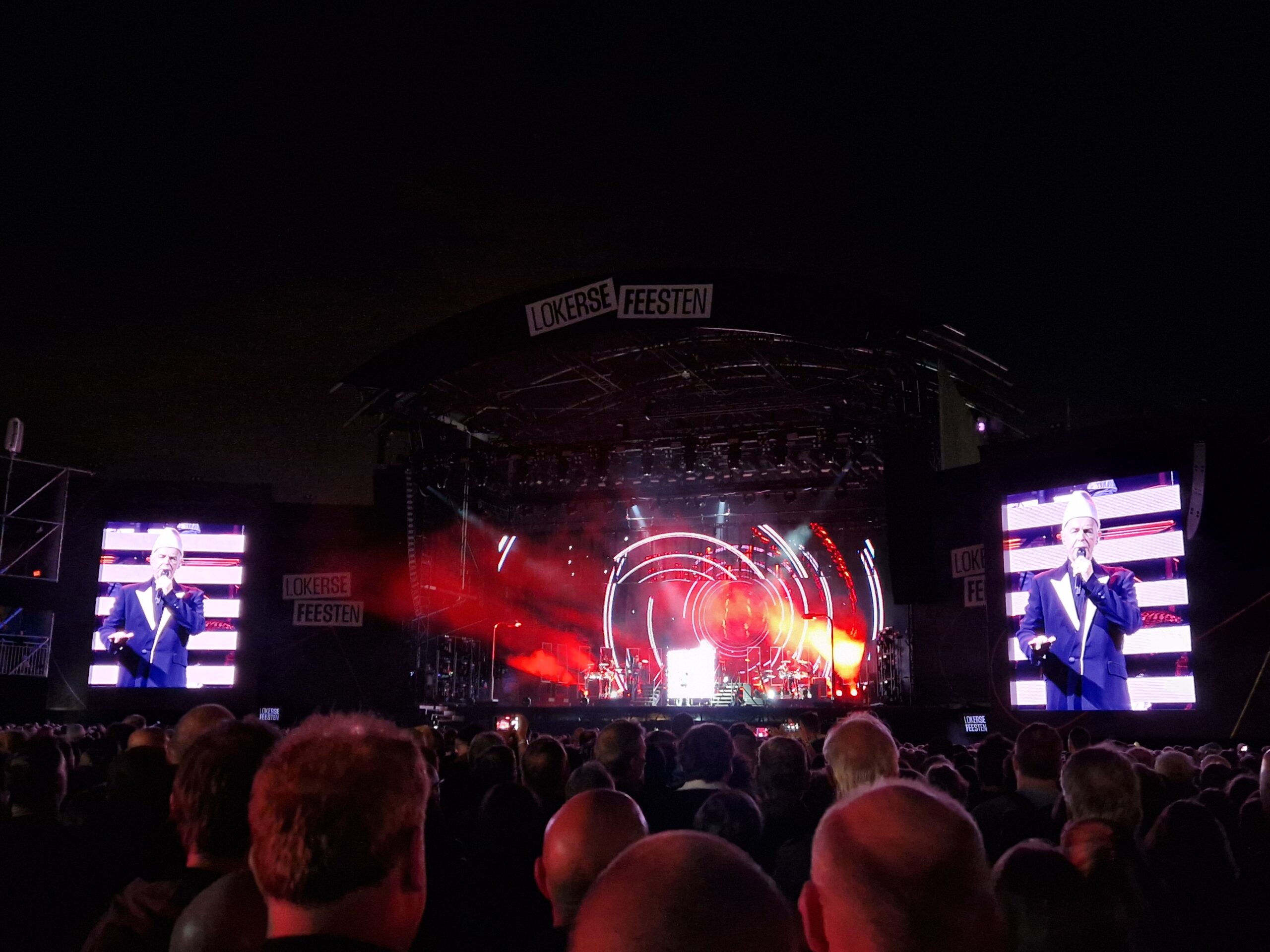
Please is an object lesson in elegant economy. The production is clean, dry, and ruthlessly functional, with sequenced parts acting like architectural beams rather than ornamental layers. “West End Girls” is the obvious classic, but the entire album shows how spoken delivery, restrained harmony, and machine rhythm can feel sophisticated rather than cold.
Studio takeaway: less reverb than you think. A lot of contemporary synth-pop gets cloudy because producers reach for huge spaces too early. Please proves that dry elements can sound expensive when the arrangement is doing the heavy lifting.
3. New Order — Power, Corruption & Lies (1983)
This album is one of the defining bridges between post-punk and synth-pop. New Order’s sequencing is deceptively simple: repetitive bass synth figures, crisp percussion, and melodic fragments that feel improvised even when they’re meticulously placed. “Blue Monday” is the famous outlier single, but the album’s broader language matters more: electronic pulse without losing band-like momentum.
Studio takeaway: let the bassline define the emotional temperature. A monotonous line can still feel alive if automation, filter movement, and rhythmic nudges keep it in motion. Use a short decay on your bass patch and shape the groove with sidechain or transient emphasis rather than more notes.
4. Talk Talk — The Colour of Spring (1986)

Talk Talk are often filed under art rock, but The Colour of Spring is a masterclass in how synth textures can support human-scale songwriting without dominating it. The record uses keyboards and studio ambience as color, not gimmickry. The result is lush but never overcooked, with arrangements that breathe in ways many later electronic records would imitate.
Studio takeaway: treat synths like orchestration. Not every part needs to advertise itself as “a synth.” In practice, that means layering pads at low volume, filtering away obvious attack, and reserving bright tones for structural moments.
5. The Human League — Dare (1981)

Dare is one of the definitive synth-pop statements because it makes machine pop feel immediate, catchy, and human. The production is bright, punchy, and highly arranged, with drum patterns and synth hooks built for radio impact. “Don’t You Want Me” is a textbook example of call-and-response dynamics supported by a production grid that never stumbles.
Studio takeaway: stack hooks, but keep them register-separated. The reason Dare works is not because every part is loud; it’s because each element occupies its own lane. In your session, assign one sound to low-mid rhythm, another to high melodic movement, and another to vocal support.
6. A Flock of Seagulls — A Flock of Seagulls (1982)
This debut is often remembered for its hairstyle, but the album’s production is where the real lesson lives. The synth voicings are glossy and a little alien, with generous stereo spread and enough modulation to feel cinematic. “I Ran” works because its arrangement is built around a wide, shimmering frame that leaves the vocal to act like the emotional center.
Studio takeaway: widen with intent. Instead of flooding everything with chorus, choose one or two key synth parts to occupy the edges of the stereo field and keep the rest centered. That separation makes the track feel bigger without becoming unfocused.
7. Visage — Visage (1980)

Steve Strange’s Visage project is crucial to understanding early synth-pop’s nightclub DNA. The album blends cold electronic precision with a post-disco sense of movement, giving the tracks a sleek, late-night tension. Its sequenced parts and synthetic percussion are less about raw power than atmosphere and gloss.
Studio takeaway: if you want club energy without modern EDM density, prioritize pulse over impact. A tight arpeggiator, carefully chosen drum sounds, and a restrained low end can feel more stylish than a heavily layered drop section.
8. Orchestral Manoeuvres in the Dark — Architecture & Morality (1981)
OMD’s second album is a blueprint for intelligent, melodic synth arrangement. It balances experimental textures with direct pop forms, often using unusual timbres in ways that still feel economical. The production is not maximalist, but it is meticulous: rhythmic detail, harmonic clarity, and a strong sense of emotional pacing.
Studio takeaway: use unusual sounds as arrangement punctuation. A metallic hit, sampled voice fragment, or brittle arpeggio becomes more effective when it appears sparingly. Think in terms of function, not novelty.
9. Yazoo — Upstairs at Eric’s (1982)
Alison Moyet’s vocal power against Vince Clarke’s clean, efficient programming is one of the great production contrasts of the decade. Upstairs at Eric’s demonstrates how a strong voice can anchor electronic minimalism without forcing the track into rock-style density. The arrangements are stark, but the records never feel empty.
Studio takeaway: leave space around the vocal and let the backing parts be functionally repetitive. If the singer is the dramatic center, the synths should support the emotional contour rather than compete with it.
10. Eurythmics — Sweet Dreams (Are Made of This) (1983)
This album is a lesson in turning a narrow sonic palette into a signature sound. Annie Lennox and Dave Stewart made a handful of synthetic elements feel huge by relying on rhythmic insistence, strong melodic shape, and a dry, direct presentation. The title track is still one of the great examples of how a hook can be built from a simple loop and a memorable vocal top line.
Studio takeaway: commit to the concept. If your track relies on a repeating figure, don’t dilute it by over-arranging. Let the loop stay visible and design the mix around its authority.
What these records teach modern producers
The common thread across these albums is not nostalgia. It’s discipline. These producers and artists understood that a synth-pop track becomes convincing when every sound has a role: groove, hook, atmosphere, or contrast. That mindset is still useful whether you’re working with vintage hardware, software emulations, or a laptop and a pair of headphones.
Here are the production lessons that show up again and again:
- Reduce the palette: fewer sounds, better decisions.
- Prioritize arrangement over layering: make space before adding more parts.
- Use repetition as identity: a memorable loop can be stronger than harmonic complexity.
- Shape width intentionally: stereo should support structure, not just make things sound “big.”
- Mix for contrast: dry versus wet, bright versus dark, human versus machine.
If you’re producing synth-pop today, these albums are still among the fastest ways to improve your process. They show that a great track doesn’t need a crowded session or endless sound design. It needs a clear job description for every element and the confidence to let simplicity sound expensive.
Final word
The 80s synth-pop canon remains relevant because it solved production problems that never went away. These albums are not only worth hearing; they’re worth studying at the arrangement level, the mix level, and the workflow level. If you want a shortcut to cleaner tracks, stronger hooks, and more intentional electronic production, start here.
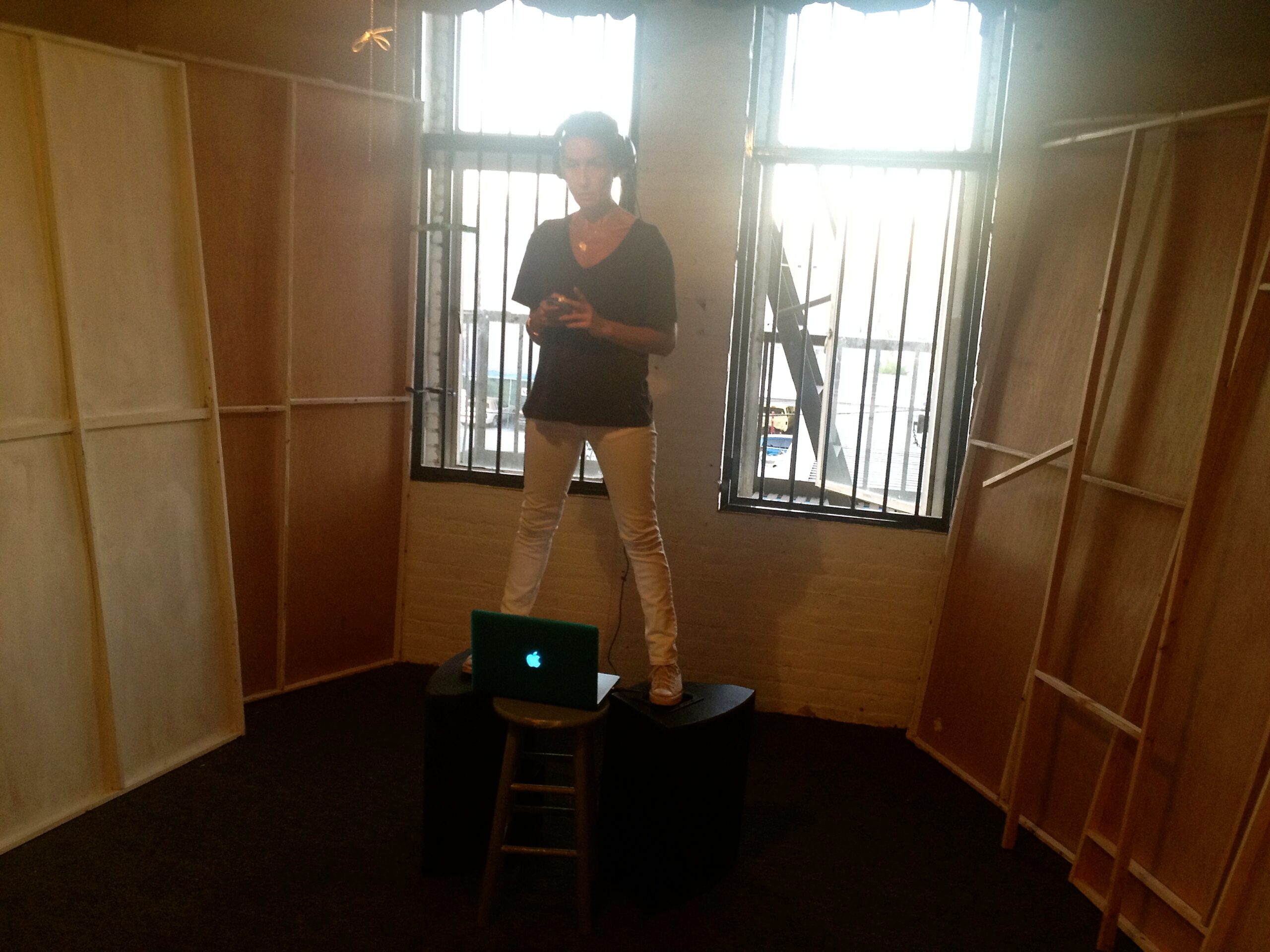
Image: Tamarra Younis (set designer) Pre-production – Com Truise, Room 205, 2012-10-24.jpg | Tamarra Younis Pre-production
Uploaded by clusternote | License: CC BY 2.0 | Source: Wikimedia | https://commons.wikimedia.org/wiki/File:Tamarra_Younis_(set_designer)_Pre-production_-_Com_Truise,_Room_205,_2012-10-24.jpg