The 10 Grunge Albums That Still Define the Genre
From mud-caked riffs to damaged vocals and room-rattling drum tones, these are the records that turned grunge from a regional scene into a permanent language of rock. Here’s the ranking, plus what producers and players can learn from the sound of each album.

Grunge Was Never Just a Style. It Was a Sonic Threat.
Grunge gets flattened a lot in retro playlists: flannel, fuzz pedals, and disaffected vocals. But the records that built the genre were more specific than the stereotype. They were loud, yes, but also strangely careful about dynamics; dirty, but often engineered with real separation; emotionally volatile, but grounded in riffs, drum rooms, and vocal performances that had to survive major-label budgets without losing their teeth.
This ranking is built around cultural impact, songwriting strength, and, crucially for MassiveFM readers, the records’ production identity. These albums didn’t just define a scene. They set templates for guitar tone, drum ambience, vocal layering, and the tension between rawness and studio control that still shows up in rock, alt, and metal-adjacent production today.
Here are the 10 grunge albums that matter most, ranked from essential to untouchable.
10. Stone Temple Pilots — Purple (1994)
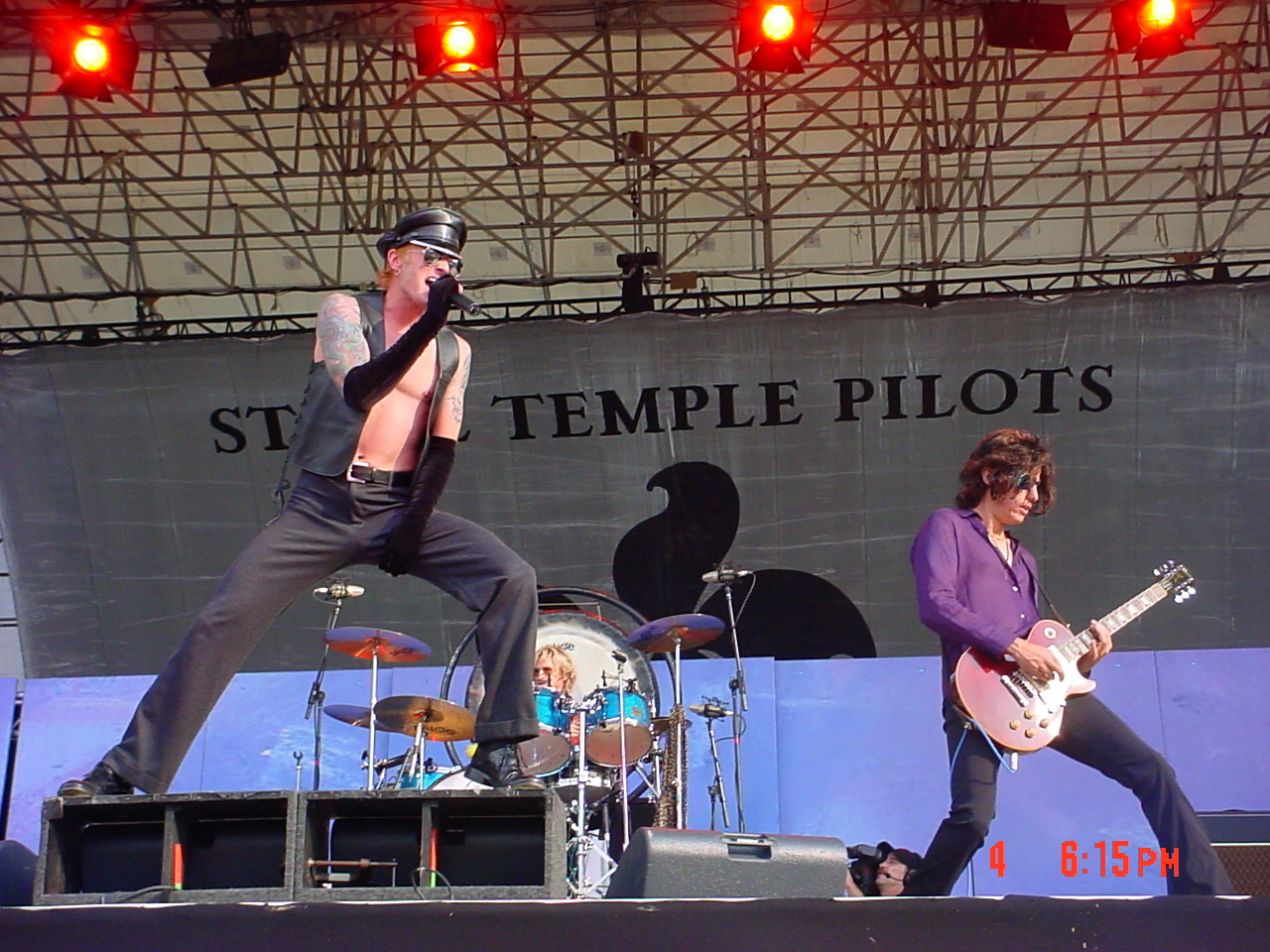
If grunge had a radio-ready wing, Purple would be the cleanest distillation of it. Stone Temple Pilots were often dismissed early on as outsiders to the Seattle core, but that misses the point: this record absorbed the aesthetic and expanded it into a more melodic, more polished format. “Vasoline,” “Interstate Love Song,” and “Big Empty” are proof that heavy guitars do not need to sound blurry to hit hard.
Production-wise, Purple is a masterclass in contrast. The guitars are thick but articulated, the bass sits high enough to support the hooks, and the drums are mixed with enough snap to keep the choruses from collapsing under their own weight. For producers, it’s a useful reminder that grunge does not require low-end sludge. It requires attitude, midrange, and a vocal delivery that sounds one emotional misstep away from cracking.
9. TAD — 8-Way Santa (1991)

TAD never got the mainstream respect they deserved, and 8-Way Santa is part of the reason they remain a cult name. This is one of the heaviest records in the entire grunge ecosystem, less concerned with singles than with force. If Nirvana and Pearl Jam often relied on tension and release, TAD leaned into sheer density.
The sonic lesson here is all about controlled abrasion. The guitars feel oversized, but not because of endless layers; the impact comes from tuning, amp voicing, and performance weight. The drums are blunt rather than glossy, and the mix leaves enough grime in place to preserve the band’s physicality. For modern guitar production, this record is a strong case for leaving transient edges intact instead of sanding everything flat with compression and editing.
8. Mudhoney — Every Good Boy Deserves Fudge (1991)
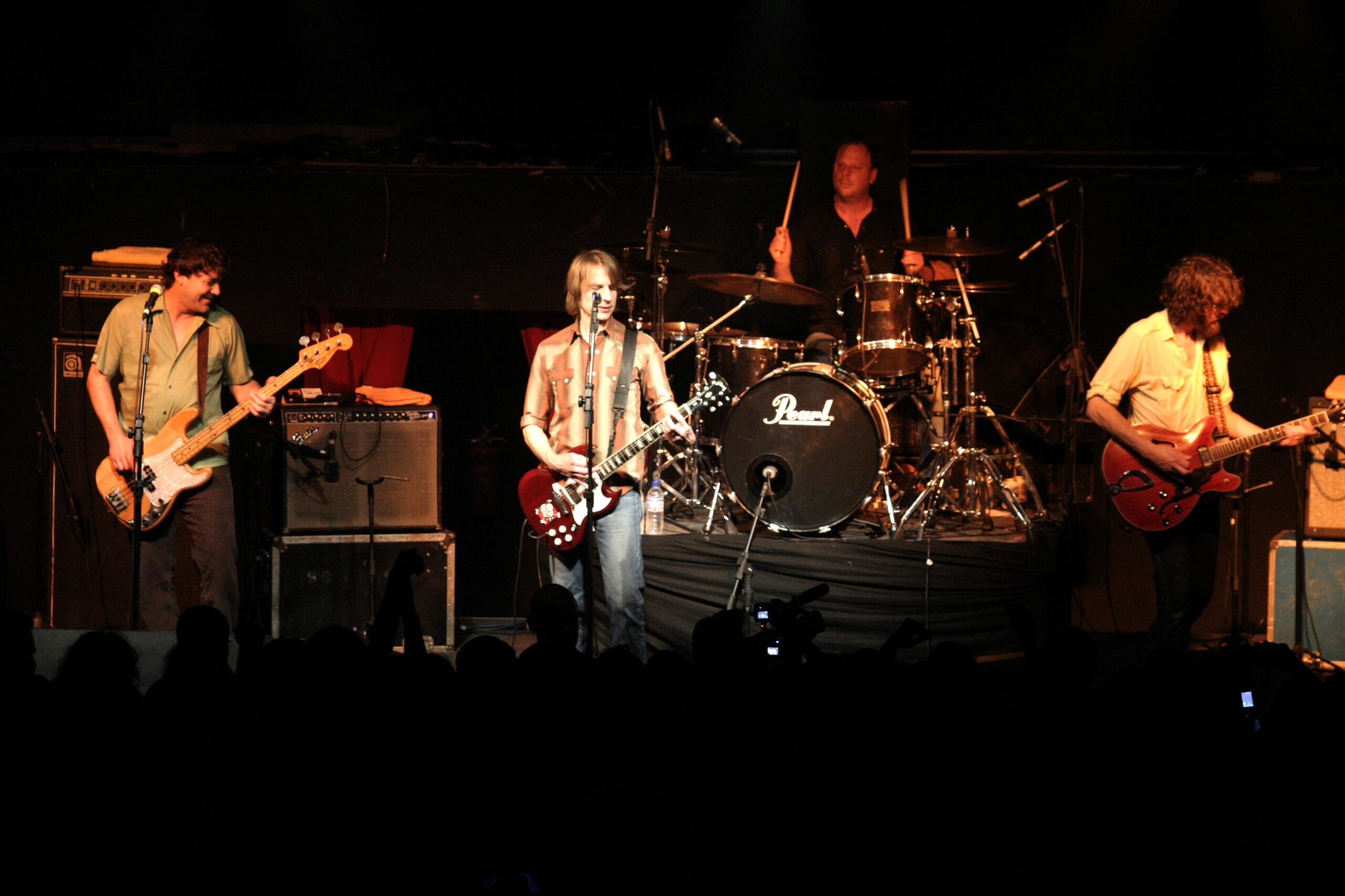
Transferred from en.wikipedia | License: CC BY-SA 2.0 | Source: Wikimedia | https://commons.wikimedia.org/wiki/File:Mudhoney_June_2007.jpg
Mudhoney were one of the scene’s key bridge bands, carrying punk damage into grunge’s commercial era without softening the edges. Every Good Boy Deserves Fudge is chaotic in the best way: feedback, garage-rock attitude, and a sense that the band is always on the edge of losing the mix entirely. That instability is the point.
What makes the album last is its honesty about texture. The guitars are not trying to sound expensive. The vocal is rough, present, and slightly hostile. The drums cut through because they are performed with urgency, not because the mix has been turned into chrome. If you’re producing rock and want energy without overproduction, this is a reference for preserving room tone and letting performance imperfections become part of the hook.
7. Alice in Chains — Facelift (1990)
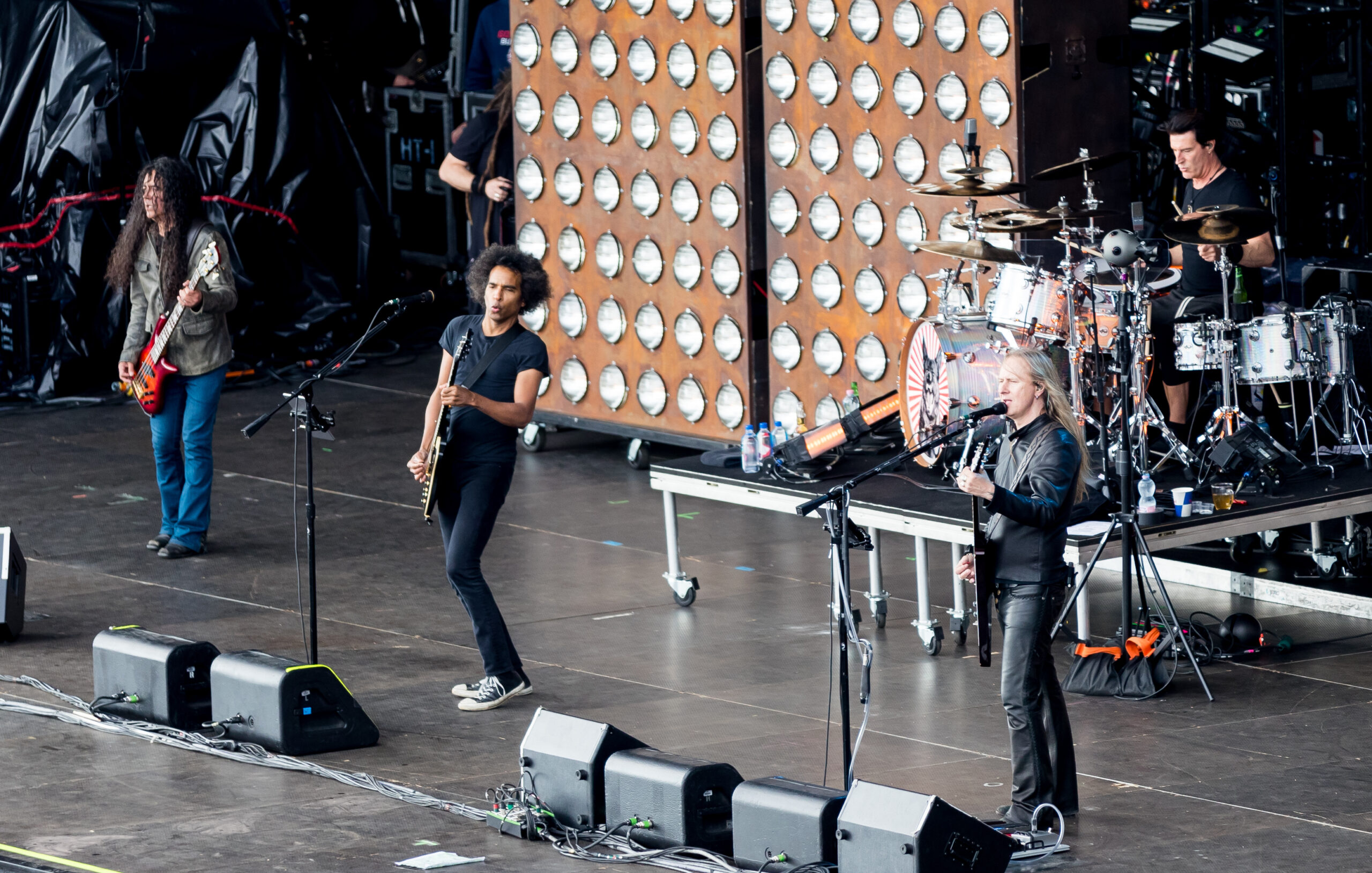
Facelift sits at an important crossroads: still rooted in the heavier metal vocabulary that fed early grunge, but already marked by the harmonic darkness and vocal chemistry that would make Alice in Chains impossible to ignore. “Man in the Box” is the obvious gateway, but the album’s deeper strength is how relentlessly it commits to its atmosphere.
From a production angle, the album benefits from a disciplined low end and guitar layering that never feels ornamental. Jerry Cantrell’s parts are built to interlock rather than compete, and Layne Staley’s voice is treated like an instrument with its own spectral lane. The result is a mix that feels thick without becoming illegible. For engineers, it’s a useful example of how to make heavy music sound gigantic while keeping the vocal emotionally forward.
6. Soundgarden — Louder Than Love (1989)

Before the breakthrough, there was already a band pushing the boundaries of what heavy rock could sound like. Louder Than Love is less famous than Badmotorfinger, but it captures Soundgarden in a more volatile state: proggier, stranger, and less concerned with polish. The riffs are labyrinthine, and Chris Cornell’s range is already being used as a weapon, not just a melodic feature.
This record matters because it shows how grunge inherited from both punk and classic rock without fully belonging to either. The production leaves room for odd harmonic movement and unexpected rhythmic shifts. If you’re studying heavy guitar arrangements, pay attention to how the band uses space between the riff hits. That gap is what makes the whole thing feel larger than the sum of its parts.
5. The Melvins — Bullhead (1991)
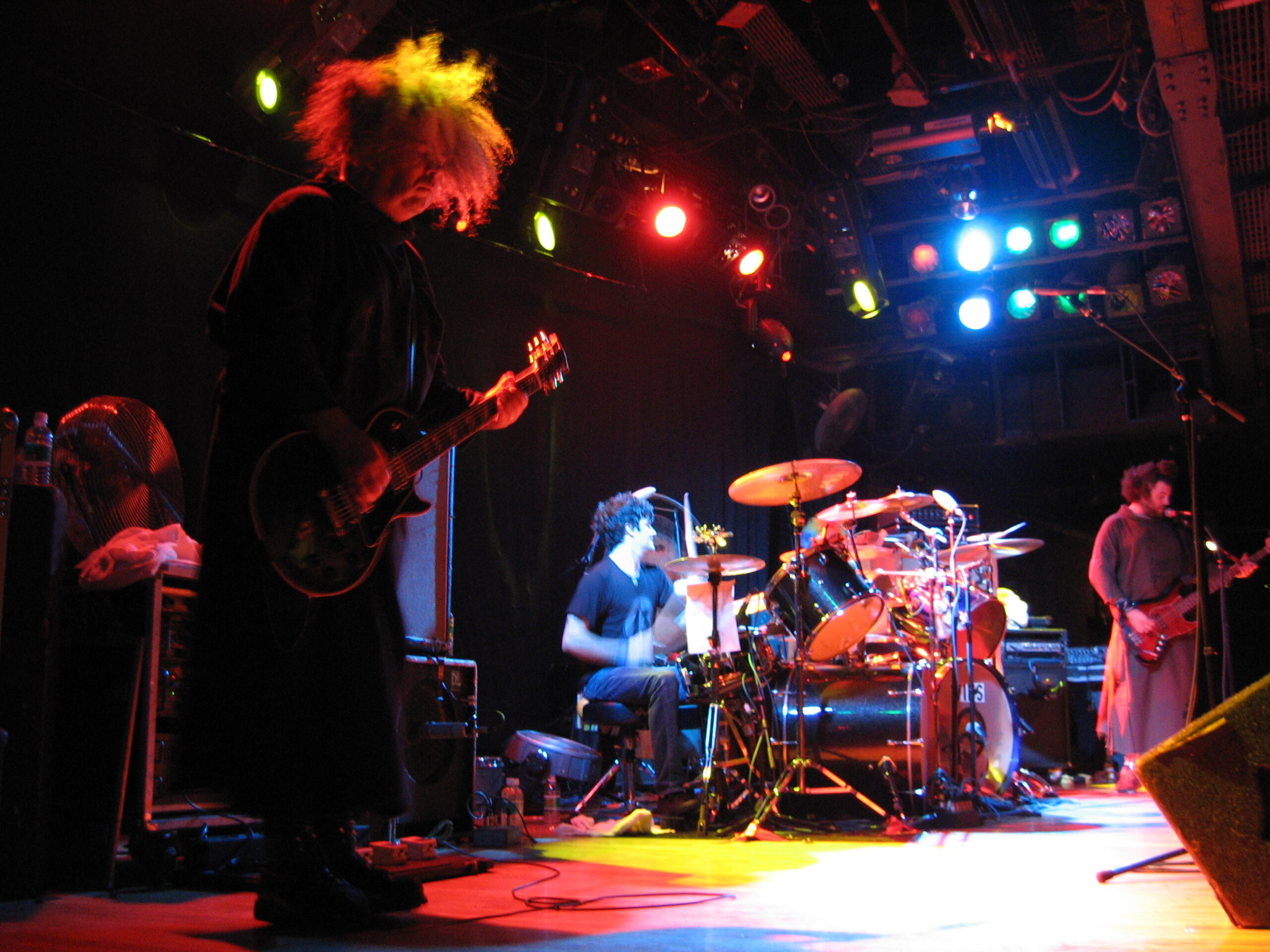
Not a grunge record in the conventional radio sense, but absolutely one of the genre’s foundational gravity wells. Bullhead is slow, enormous, and deliberately unglamorous. The Melvins influenced the scene not by sounding like their peers, but by making heaviness feel conceptual rather than merely loud.
The production lesson here is patience. The songs move at a pace that forces every drum hit and guitar note to matter. The low end feels cavernous because the arrangement leaves space for decay. In an era when many producers chase density by stacking tracks, Bullhead proves that heaviness can come from tempo, weight, and sustain as much as from gain. If you want your riffs to sound apocalyptic, this is a necessary study.
4. Pearl Jam — Ten (1991)
Ten is one of the rare albums that became massive while still sounding earnest, human, and musically serious. It is also one of the most misunderstood records in the grunge canon, because people often remember the anthems and forget the architecture. But the arrangement discipline is exactly why songs like “Alive,” “Even Flow,” and “Black” have endured.
For producers, Ten is a lesson in emotional scale. The guitars are huge, but they are framed to support melody rather than overpower it. The drums have a live-room grandeur that helps the choruses bloom, and Eddie Vedder’s vocal sits in a zone that feels intimate even when the band is at full volume. The album’s durability comes from that balance: arena-sized lift without sacrificing vulnerability.
3. Alice in Chains — Dirt (1992)
If grunge had a true sonic abyss, Dirt is one of the records staring back from it. This is the album where Alice in Chains perfected their signature blend of harmonic sickness, monolithic riffs, and vocal interplay that feels almost unnatural in its precision. “Them Bones,” “Would?,” “Rooster,” and “Down in a Hole” are all different shades of the same black velvet atmosphere.
What makes Dirt so powerful in the studio is the balance between weight and clarity. The guitars are thick but not smeared, the drums have enough space to sound enormous, and the vocal harmonies are mixed with real intent rather than decorative sheen. The record is also a reminder that darkness can be arranged. Every section change feels engineered for impact, which is why the songs still punch through decades later.
2. Nirvana — Nevermind (1991)
Nevermind is the album that blew the door off, even if it wasn’t the first grunge record to exist. Its importance is almost impossible to overstate: it didn’t just popularize the Seattle scene, it reset mainstream rock’s relationship to dynamics, distortion, and emotional directness. “Smells Like Teen Spirit” became a cultural event, but the album’s larger achievement is how consistent it is as a front-to-back experience.
But for producers, Nevermind is also fascinating because of its contradictions. It sounds polished compared with underground punk and early grunge, yet it still preserves friction. The drums are punchy and open, the guitars have enough separation to let the riffs breathe, and the vocals feel deliberately imperfect in a way that humanizes the mass-market sheen. It is the rare record where studio refinement intensified the band’s volatility instead of neutralizing it.
1. Soundgarden — Badmotorfinger (1991)
Badmotorfinger takes the top spot because it is the most complete synthesis of grunge’s ambitions: crushing riffs, left-field rhythmic sophistication, elite vocal performance, and a production aesthetic that sounds both menacing and expansive. It is heavy enough to satisfy metal listeners, gnarly enough for punk and indie fans, and sophisticated enough to reward deep technical listening.
The album’s genius lies in how it makes complexity feel primal. The guitars are tuned and voiced for maximum impact, the drums are recorded with a live force that never becomes washy, and Cornell’s vocal delivery is one of the great power performances in rock history. Songs like “Rusty Cage,” “Outshined,” and “Slaves & Bulldozers” move with a control that most heavier bands never quite reach.
From a production standpoint, Badmotorfinger is a template for huge rock records that still sound dangerous. The mix has width, but not softness. The low end is heavy, but not overfilled. The performances are aggressive, but the arrangement never loses shape. If you want one album that explains why grunge could be artistically serious and sonically punishing at the same time, this is it.
Why These Albums Still Matter in the Studio
Grunge production is often misunderstood as a matter of “messy” tone, but the best records in the genre are anything but random. They are highly specific combinations of amp breakup, room sound, vocal placement, drum tuning, and arrangement discipline. The guitar tones may sound unpolished, but they are usually built around careful mids and performance dynamics. The drums may feel huge, but that size often comes from tuning and room capture rather than artificial enhancement. The vocals may sound wounded, but they are mixed with enough clarity to keep the emotion intelligible.
For today’s producers, the lasting lesson is simple: grunge was never about making everything sound bad. It was about making imperfection feel meaningful. Whether you’re tracking with real amps, reamping DI guitars, or trying to emulate the scene with plugins, the priority should be contrast, character, and emotional pressure. The records above earned their place because they understood that noise is most powerful when it’s structured.
If you’re building a grunge-inspired session today, start with the arrangement before the distortion. Leave room for the snare to crack. Let the bass define the weight. Don’t stack guitars until the chorus loses its silhouette. And when in doubt, listen again to the albums that made the genre feel inevitable.
Image: Rock Pop 90s en el teatro Solis – 20240823dicimouyit47827.jpg | https://montevideo.gub.uy/files/20240823dicimouyit47827jpg | License: CC BY-SA 4.0 | Source: Wikimedia | https://commons.wikimedia.org/wiki/File:Rock_Pop_90s_en_el_teatro_Solis_-_20240823dicimouyit47827.jpg