10 Alternative Rock Albums That Rewired the Way Records Sound
Alternative rock didn’t just change the charts — it changed the studio. These 10 albums set new production standards for guitars, drums, vocals, and the messy, high-impact aesthetics that defined a generation of records.

Alternative Rock Was a Production Revolution, Not Just a Genre Shift
When people talk about alternative rock, they usually start with attitude, fashion, or generational identity. But the real story is more technical than that. Alternative rock changed the studio rulebook. It shifted what a rock record could sound like: less polished, more dynamic, often deliberately imperfect, and far more interested in texture than traditional arena-rock sheen.
The albums below didn’t just define a style. They defined a way of recording guitars, drums, and vocals that producers still reference today. Some made distortion feel emotional instead of decorative. Some proved that loudness could coexist with space. Others turned lo-fi into a credible aesthetic rather than a budget limitation. Together, these records became a production language.
Here are 10 alternative rock albums that reshaped the sound of modern records — and the studio choices that made them matter.
1. Nevermind — Nirvana (1991)
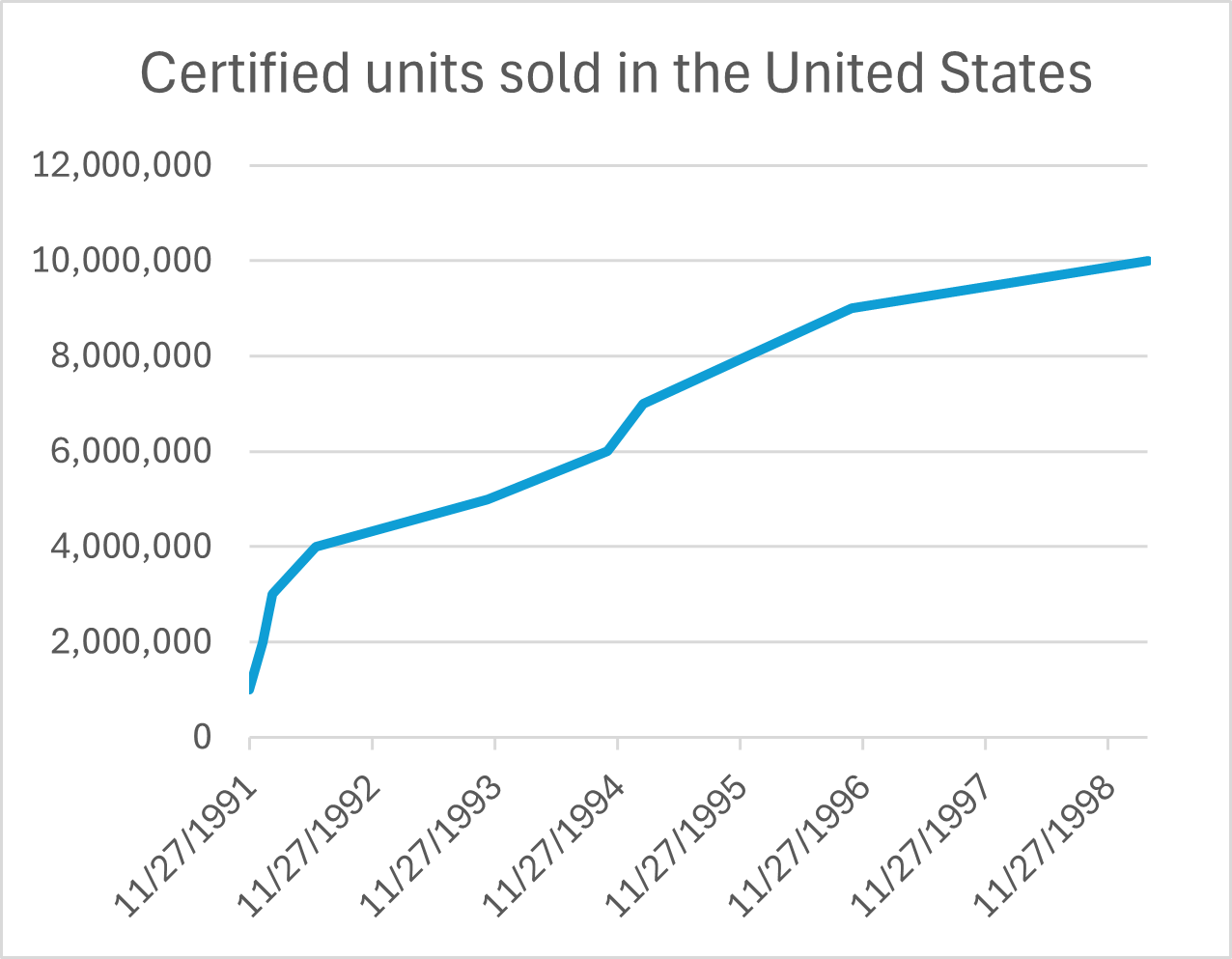
Few albums changed rock production faster than Nevermind. But the key was not just volume or catchiness — it was the balance of precision and rawness. Butch Vig’s production gave Nirvana’s songs the punch of mainstream rock while preserving the volatility that made the band compelling in the first place.
The drum sound is the clearest lesson. Dave Grohl’s kit is huge without sounding synthetic: tight kick, explosive snare, and cymbals that sit above the track instead of washing it out. The guitars are layered for width, but the arrangement keeps the center uncluttered. Kurt Cobain’s vocal is pushed forward enough to carry the hooks, yet still feels like it could crack at any second.
Production takeaway: If you want heaviness that still feels human, build your mix around contrast. Clean vocal focus, controlled low end, and drums that hit hard without excessive compression can make a track feel bigger than simply making everything louder.
2. Surfer Rosa — Pixies (1988)

Surfer Rosa is one of the most influential alternative rock records ever made because it understood dynamics as a songwriting tool. Steve Albini’s recording approach captured the band with almost uncomfortable clarity, which gave every stop-start shift and explosive chorus a brutal impact.
The album’s production is deceptively spare. Guitars are dry and aggressive, vocals often feel like they’re standing in the room with the listener, and the drum sound favors impact over gloss. That open, room-forward character helped establish the quiet-loud template that would become central to alternative rock in the 1990s.
Production takeaway: Leave space in the arrangement. If your verses are truly restrained, the chorus does not need much embellishment to feel enormous. Dynamics are a more powerful effect than another plugin on the master bus.
3. OK Computer — Radiohead (1997)

By the time OK Computer arrived, alternative rock had already become a commercial force. Radiohead’s achievement was to push the genre into a more cinematic, fragmented, and emotionally alien direction without losing songcraft. Nigel Godrich’s production is crucial here: every sound feels intentional, but nothing sounds overly sanitized.
The album combines organic band performance with mechanical unease. Guitar textures are layered in unusual ways, percussion often feels processed without becoming obviously electronic, and the mix creates a sense of distance that fits the record’s themes. “Paranoid Android” and “Karma Police” are masterclasses in building tension through arrangement, not just chord progression.
Production takeaway: Texture can carry narrative weight. Subtle distortion, unconventional ambience, and strategic filtering can do more to communicate mood than a pile of obvious effects.
4. Dirt — Alice in Chains (1992)

Dirt brought a different kind of darkness into alternative rock: heavier, slower, and more oppressive than the genre’s college-radio stereotype. The record’s production emphasizes density without turning muddy. Every element feels weighted, but the mix preserves enough separation to keep the songs intelligible.
The guitars are thick and low, yet the arrangements avoid overstacking. The vocal harmonies are one of the album’s defining features: the close, uneasy blend between Layne Staley and Jerry Cantrell adds a ghostly tension that became a signature of the era. Drums are big and deliberate, with a pocket that feels almost glacial in places.
Production takeaway: Heavy music doesn’t need constant aggression. Slow tempos, midrange-forward guitars, and harmonized vocals can make a record feel far more ominous than maximum distortion ever could.
5. Rage Against the Machine — Rage Against the Machine (1992)
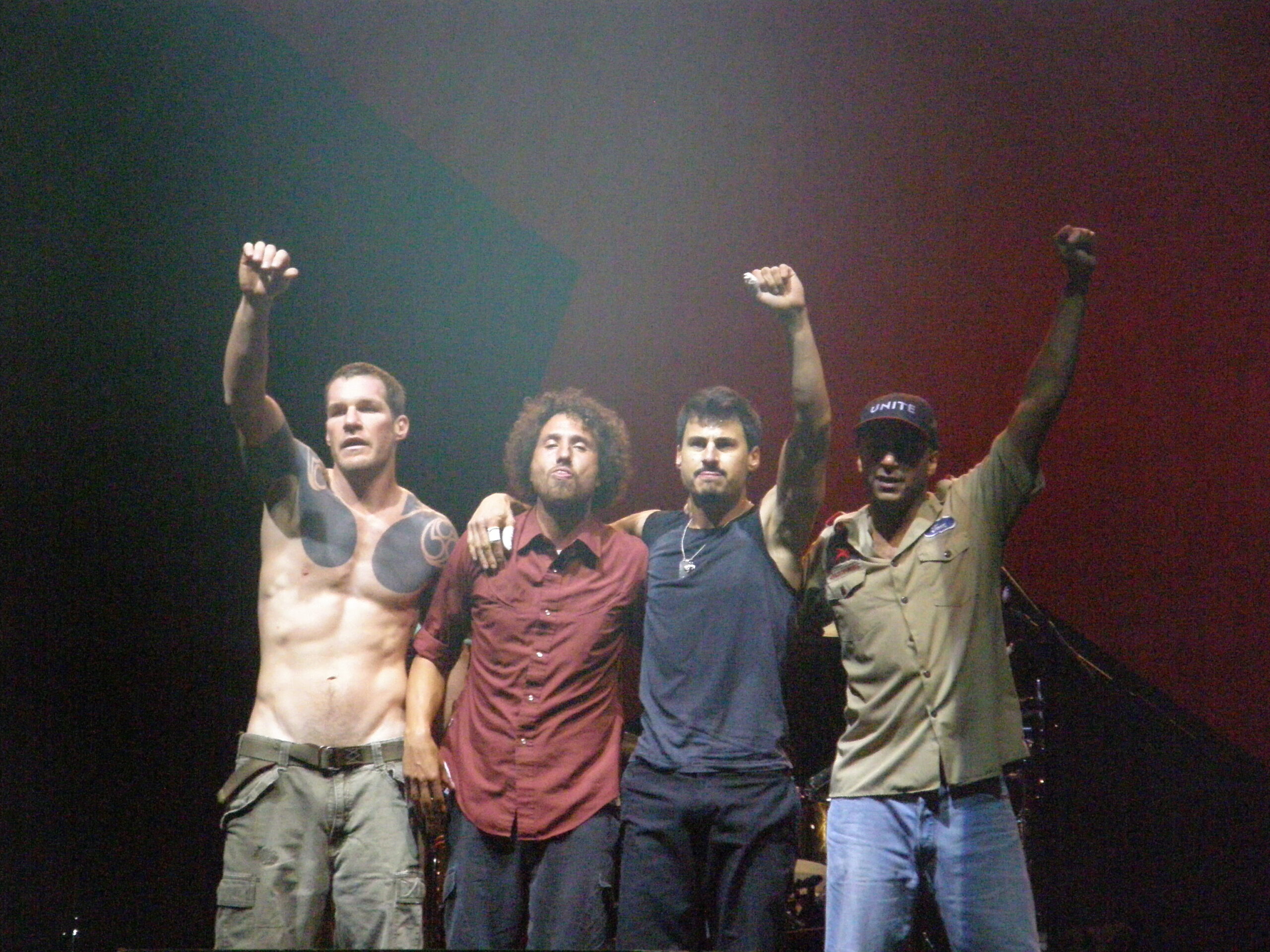
This debut album is a production lesson in controlled chaos. The band’s attack is ferocious, but the recording is surprisingly disciplined. Brendan O’Brien’s mix gives every instrument room to operate while keeping the political urgency and rhythmic precision front and center.
Tom Morello’s guitar tone is a case study in how to make a single guitar sound like an entire sound design rig. The tones are aggressive but not overly saturated, which lets the rhythmic modulation and effects work clearly. Brad Wilk’s drums hit with a raw, live force, and the bass locks into the kick with almost mechanical confidence. Zack de la Rocha’s vocal sits like a command signal above the track.
Production takeaway: When the arrangement is dense with rhythmic information, clarity is more important than polish. Prioritize transient definition and stereo placement so the groove can breathe.
6. Automatic for the People — R.E.M. (1992)
If some alternative rock albums defined distortion and abrasion, Automatic for the People proved that restraint could be just as radical. This is a beautifully understated record where the production supports melancholy, reflection, and melodic precision. Scott Litt and R.E.M. created a sound that feels warm, organic, and deeply intentional.
The arrangements are a study in space. Acoustic instruments, strings, and restrained percussion leave room for Michael Stipe’s vocal phrasing to carry the emotional weight. There’s little sense of studio trickery, but the mix is full of carefully managed depth and softness.
Production takeaway: Not every alternative record needs to sound confrontational. A strong emotional center, minimal clutter, and elegant low-end control can make a record feel timeless.
7. In Utero — Nirvana (1993)
If Nevermind was the album that brought alternative rock to the mainstream, In Utero was the record that challenged mainstream production norms. Again working with Steve Albini, Nirvana leaned into a more abrasive, exposed sound that rejected the gloss expected after their breakthrough.
The guitars are jagged and immediate. The drums are stark, with room tone that makes the kit feel physically present. Vocals often sound less “produced” than on Nevermind, which adds to the album’s intensity. Yet this is not amateurism — it is a deliberate aesthetic choice that makes the performances feel confrontational and alive.
Production takeaway: Sometimes the right move is to remove polish rather than add it. Rawness works when the arrangement, tuning, and performance are strong enough to survive close scrutiny.
8. Ten — Pearl Jam (1991)
Ten helped codify a more expansive, emotional side of alternative rock. The production is polished compared with some of its peers, but it avoids feeling slick. Instead, it delivers a classic rock scale with alternative-era intensity.
Guitars are layered to create width and weight, while the rhythm section carries a steady, almost anthem-ready momentum. Eddie Vedder’s vocal sound is central to the album’s identity: powerful, resonant, and often mixed with enough space to emphasize the performance rather than the processing. The result is a record that feels huge without becoming overcompressed.
Production takeaway: If you want a big rock sound, don’t flatten the dynamics into one constant wall. Let the chorus lift, and let the vocal performance do some of the heavy lifting.
9. Doolittle — Pixies (1989)
Surfer Rosa introduced the formula; Doolittle refined it. This album takes the Pixies’ dynamic extremes and packages them into a more surreal, more colorful production world. The guitars feel sharper and more sculpted, the bass more melodic, and the song structures even more abrupt and unpredictable.
What makes Doolittle so important is its balance of chaos and control. The production doesn’t smooth over the band’s jagged edges, but it frames them inside songs that are incredibly hooky. That made the album a major blueprint for indie rock, college radio, and every future band trying to make weirdness feel accessible.
Production takeaway: Hooks and abrasion are not opposites. A strong arrangement can make unconventional tones feel immediately memorable.
10. The Bends — Radiohead (1995)
Before OK Computer turned Radiohead into futurists, The Bends established their command of dynamic, guitar-driven rock production. This is a record built on contrast: intimate verses, towering choruses, and carefully arranged layers that never feel generic.
The guitars are more polished than on many early-90s alternative records, but they still retain edge. The vocal performances are front-and-center, with enough ambience to create emotional depth without blurring the detail. The whole album feels like a producer’s record in the best sense — disciplined, musical, and obsessed with how each section should land.
Production takeaway: Great rock production is often about transitions. If the intro, verse, pre-chorus, and chorus each have a distinct sonic identity, the song will feel larger than its parts.
Why These Albums Still Matter in the Studio
What connects these records is not a single tone or a single era. It’s the idea that alternative rock gave producers permission to break the rules for a reason. The distortion served emotion. The room sound served realism. The dynamic swings served the song. Even the rough edges were usually chosen with intent.
That is why these albums still show up in modern sessions, reference playlists, and plugin demos. A producer working on indie rock, post-punk, alt-pop, or heavy guitar music is still dealing with questions these records answered decades ago: How clean should the vocal be? How much room should the drums have? Should the guitars feel wide or violent? Should the mix prioritize emotion, clarity, or tension?
The best alternative rock albums didn’t just sound different. They taught the industry how to make difference sound compelling.
Image: Rock Pop 90s en el teatro Solis – 20240823dicimouyit47836.jpg | https://montevideo.gub.uy/files/20240823dicimouyit47836jpg | License: CC BY-SA 4.0 | Source: Wikimedia | https://commons.wikimedia.org/wiki/File:Rock_Pop_90s_en_el_teatro_Solis_-_20240823dicimouyit47836.jpg