The 10 Punk Albums That Still Define the Sound of Rebellion
These are the punk records that didn’t just change the culture — they changed the way punk was recorded, mixed, and made. From blown-out guitars to snare crack and tape hiss, each album on this list offers a different production lesson that still matters in modern studios.

Punk’s greatest records were never just attitudes on vinyl
Punk has always been sold as instinct over technique, but the best punk albums are anything but careless. They are tightly engineered bursts of energy, each one solving a different production problem: how to make a three-chord song feel dangerous, how to capture live impact without losing clarity, how to turn limitations into identity. That’s what separates the genre’s landmark records from the thousands that merely imitate the aesthetic.
This list isn’t a purity test and it isn’t a nostalgia exercise. It’s a look at the punk albums that still matter because they nailed something fundamental in the studio — performance, arrangement, mic choice, tracking philosophy, or the balance between chaos and control. If you make records, these are not just classics. They’re case studies.
1. The Ramones — Ramones (1976)
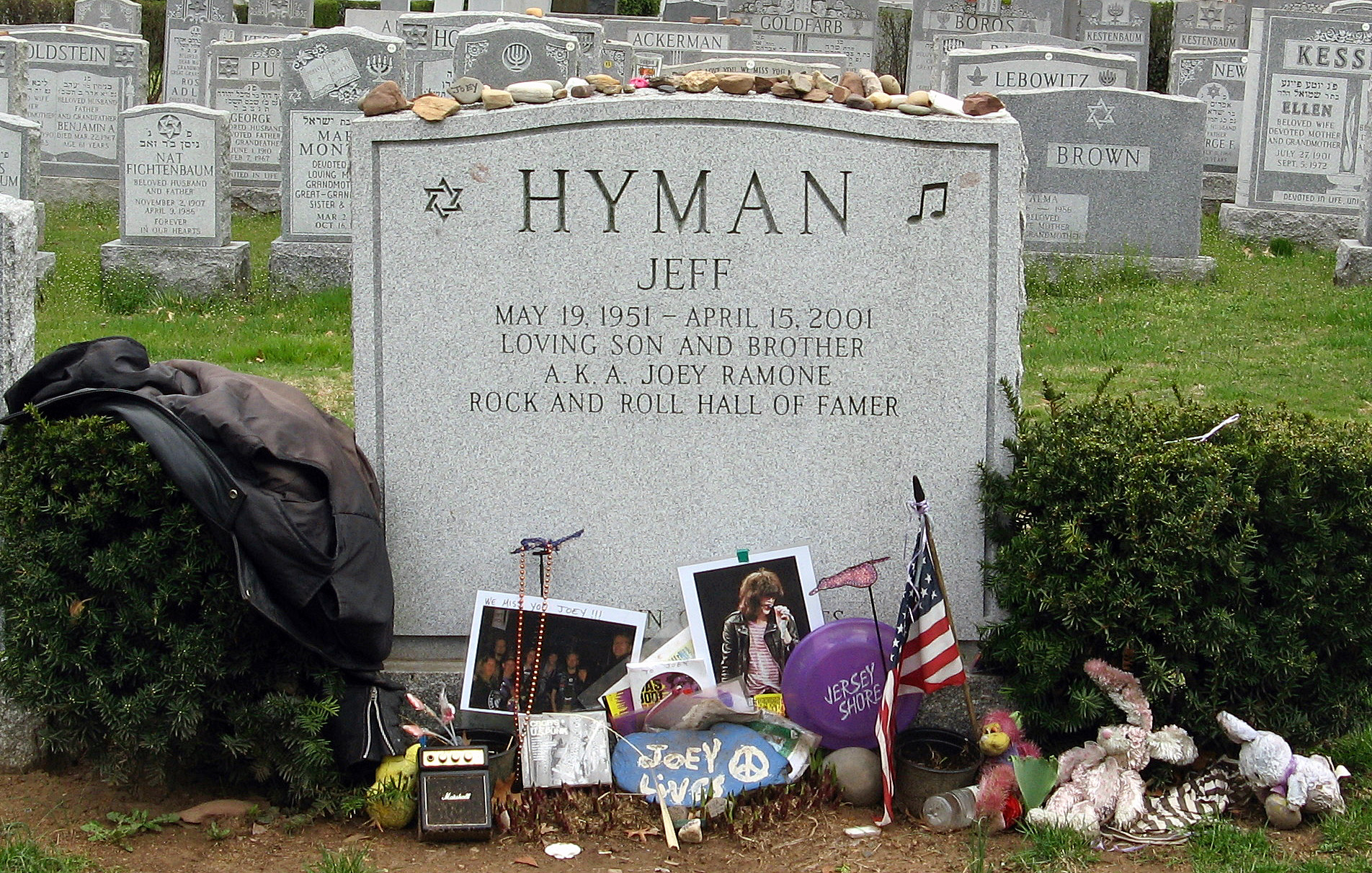
The blueprint. Ramones is the sound of stripping rock down to its skeleton and making the frame hit harder than the decoration ever could. The tracks are short, the arrangements are brutally consistent, and the mix leaves almost no wasted space. That economy is part of the power: guitars are crunchy but not over-processed, the snare cracks through the center, and Joey Ramone’s vocal sits high enough to feel urgent without turning into mud.
Production takeaway: repetition can be a mix strategy. When the arrangement is simple and the tempos are fast, the production doesn’t need tricks — it needs discipline. A dry vocal, hard-panned guitars, and a drum sound that prioritizes attack over room size can create more impact than layers of overdubs ever will.
2. The Clash — The Clash (1977)
If Ramones was minimalism, The Clash was punk expanding its language. The album has grit, but it also has space for reggae pulse, stop-start dynamics, and a wider tonal palette. That makes it one of the earliest punk records to feel like a real studio document rather than a live-room photo. The guitars are sharper than thick, the bass carries melodic weight, and the rhythm section breathes enough to let the songs feel bigger than the style.
Production takeaway: punk does not have to be mono-minded. Contrast is a tool. Use arrangement and EQ to let different sections feel like different emotional rooms, even when the songs stay lean.
3. Sex Pistols — Never Mind the Bollocks, Here’s the Sex Pistols (1977)
This album is one of the great examples of production serving mythology. The guitars are enormous, nearly antagonistic in their midrange density, and the whole record feels engineered to sound like a threat. There’s a roughness to it, but not sloppiness. The vocals are confrontational and forward, the drums are huge without becoming polished, and the low end is thick enough to keep the songs from collapsing into noise.
Production takeaway: distortion is a frequency-shaping tool, not just an effect. The record’s power comes from careful layering of saturated guitars and a mix that keeps the lead elements intelligible. For modern productions, parallel saturation and midrange emphasis can recreate that aggression without flattening the entire track.
4. The Stooges — Raw Power (1973)
Few records better capture controlled damage. Raw Power is abrasive, jagged, and famously hot in the mix, but that rawness is exactly why it still feels modern. The guitars slice instead of bloom, the drums are dry and immediate, and Iggy Pop’s vocal performance is so front-loaded with menace that the record feels like it might lurch off the tape machine at any moment.
Production takeaway: “bad” sound can be a signature if the arrangement is strong enough to hold it. This is a masterclass in committing to a texture rather than sanding it down in post. If your goal is danger, leave some edges on the file.
5. Black Flag — Damaged (1981)

Damaged is hardcore punk as a pressure system. The tempos are faster, the drums hit harder, and the guitars are more percussive than melodic. What makes it endure is how direct it is: there’s little room between the instruments, and the vocal sounds like a human body trying to outrun the track. It’s claustrophobic in the best way.
Production takeaway: dense mixes don’t have to be “full” to be effective. In hardcore, the goal is often impact per second. Short decay times, tight gate settings, and controlled low end can make a mix feel violent without becoming blurry.
6. Dead Kennedys — Fresh Fruit for Rotting Vegetables (1980)
Few punk albums balance satire, precision, and sonic bite as well as this one. The guitars are lean and wiry, the bass is agile, and the drums punch with enough definition to support rapid-fire lyrical phrasing. What stands out is the clarity: even at speed, every jab lands. That’s crucial for an album where the lyrics matter as much as the churn.
Production takeaway: when the vocal is central to the record’s impact, the mix must respect intelligibility. Use careful arrangement, selective compression, and EQ carve-outs so the singer can cut through without being over-bright or over-limited.
7. Hüsker Dü — Zen Arcade (1984)
This is where punk begins to sprawl without losing urgency. Zen Arcade stretches into a double album, but it does not sound indulgent. Instead, it uses dynamics, texture, and melody to deepen the emotional weight. The guitars are less like a single wall and more like multiple layers of emotional distortion, while the drums and vocals carry a live-wire intensity that keeps the project grounded.
Production takeaway: expansion does not require sacrificing edge. You can build a larger sonic world if the performances remain urgent and the mixes preserve transient attack. Think width, but protect the bite.
8. Bad Brains — Bad Brains (1982)
The speed and musicianship here are still startling. This record fused punk velocity with astonishing precision, and that combination is part of its lasting influence. The band’s technical control lets the songs hit like a sprint rather than a stumble. Every instrument feels locked in, but never sterile. There’s enough live-room volatility to keep the record human.
Production takeaway: tight playing is a production asset. When a band is this locked, you can keep the mix relatively uncluttered and let performance do the heavy lifting. Don’t bury speed under too much compression.
9. Minutemen — Double Nickels on the Dime (1984)
One of punk’s most inventive records, Double Nickels on the Dime treats the genre like an open system. Funk, jazz, post-hardcore tension, and oddball structure all coexist without diluting the spirit. The production is not glossy, but it is articulate, allowing weird time signatures and abrupt shifts to remain readable.
Production takeaway: if your arrangement gets more complex, your mix has to get more organized. Leave room for transient detail, automate levels aggressively, and don’t let tonal inconsistency blur the arrangement’s internal logic.
10. Sleater-Kinney — Dig Me Out (1997)
By the late ’90s, punk had absorbed a lot of alt-rock polish, but Dig Me Out kept the blood pressure high. The guitar interplay is the centerpiece: one part serrated attack, one part rhythmic engine, both locked into a forceful stereo image. Janet Weiss’s drums are a masterclass in propulsive playing, and the record’s sharpness comes from arrangement as much as tone.
Production takeaway: two-guitar records live or die on separation. Different voicings, different rhythmic functions, and complementary EQ can make a stripped lineup sound huge without resorting to studio bloat.
What these albums still teach modern producers
The common thread across these records is not distortion for its own sake. It’s intent. The Ramones used repetition like a hook. The Clash used contrast like arrangement punctuation. Black Flag used compression and density to create physical pressure. Hüsker Dü and Minutemen proved punk could expand without losing urgency. Sleater-Kinney showed that stereo placement and interplay can be as powerful as volume.
For producers, these albums are reminders that punk’s power often comes from production decisions that seem almost anti-production: fewer edits, clearer performances, decisive tones, and mixes that preserve motion. The best punk records do not sound “perfect.” They sound committed. And in a studio landscape full of overcorrection, that remains the real edge.
The punk canon is also a production manual
If you’re building a punk session today, don’t just chase the vibe. Study the mechanics. Listen to how these albums handle vocal placement, snare presence, guitar width, and low-end restraint. Notice when the record sounds massive because of space, not layers. Notice when the track feels fast because nothing in the mix slows it down.
That’s why these albums endure. They are cultural landmarks, yes — but they’re also durable solutions to very practical problems. How do you make a small band sound dangerous? How do you preserve urgency in a multitrack world? How do you let distortion feel musical instead of messy? Punk’s greatest records answered those questions first.
Image: Dendrobium secundum fma. album (Blume) Lindl. ex Wall., Numer. List n.º 1996 (1828) (28532034647).jpg | [Thailand] Dendrobium secundum fma. album (Blume) Lindl. ex Wall., Numer. List: n.º 1996 (1828) | License: CC BY 2.0 | Source: Wikimedia | https://commons.wikimedia.org/wiki/File:Dendrobium_secundum_fma._album_(Blume)_Lindl._ex_Wall.,_Numer._List_n.%C2%BA_1996_(1828)_(28532034647).jpg