The 10 Guitar Riffs That Still Shape Modern Music
The best guitar riffs do more than start songs—they define arrangement, create instant recognition, and give producers a blueprint for impact. Here’s a breakdown of ten all-time riffs and the production lessons they still teach.
Why Riffs Matter More Than Ever
A great guitar riff is more than a hook. It is an arrangement engine, a sonic identity, and often the first thing that tells a listener exactly what kind of record they are hearing. In modern production, riffs still carry enormous weight because they can establish tempo feel, harmonic tension, tonal attitude, and even mix hierarchy before the vocal arrives.
That is why the best riffs endure. They are not only memorable melodically; they are engineered for impact. The ones that last tend to be rhythmically clean, harmonically economical, and sonically distinct enough to survive everything from arena speakers to laptop playback. For producers, studying these riffs is not nostalgia—it is a masterclass in economy, texture, and arrangement discipline.
1. The Rolling Stones — “(I Can’t Get No) Satisfaction”
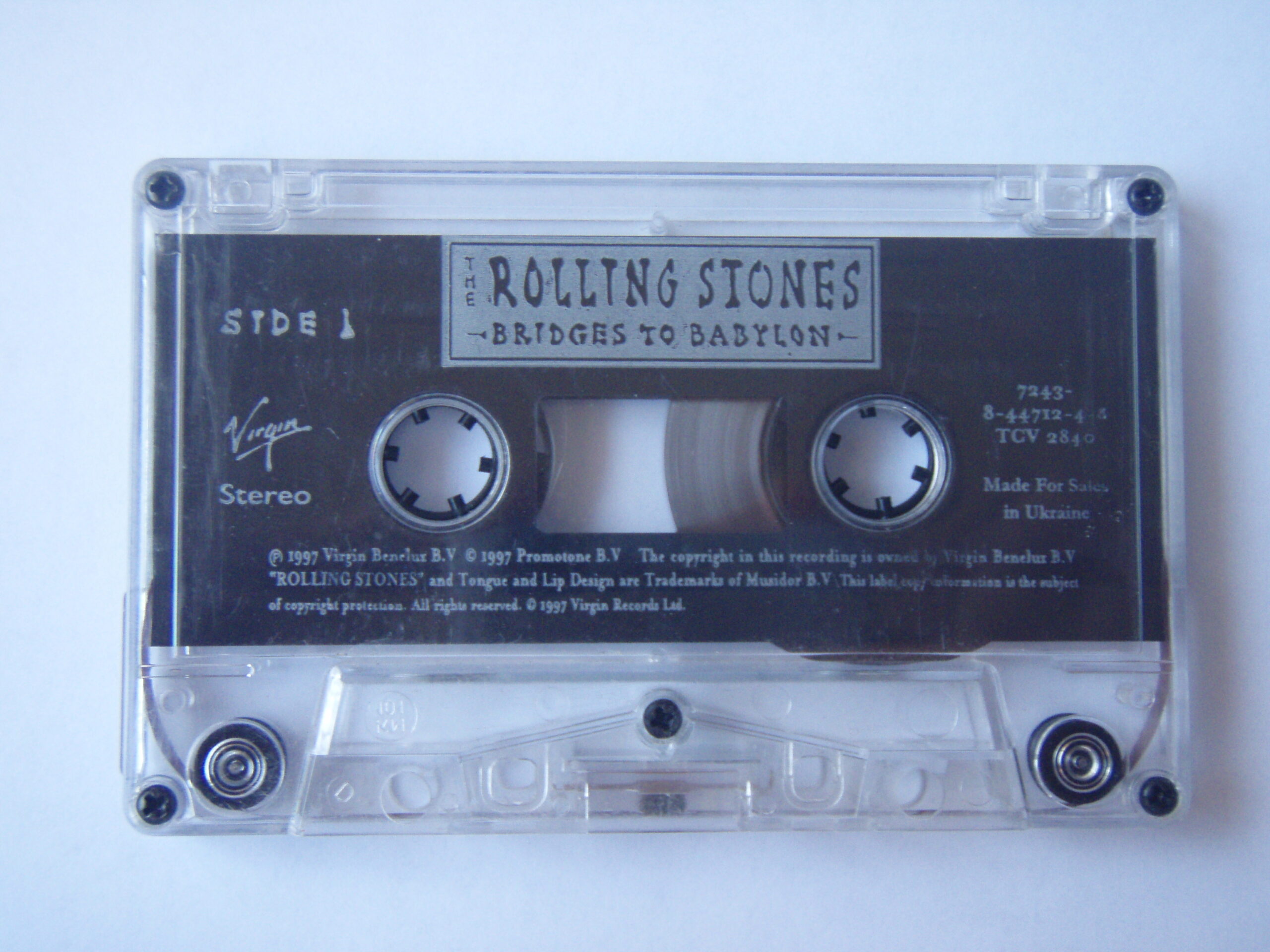
This is the riff as a complete song thesis. Keith Richards’ fuzzed-out line is built on repetition, space, and an almost stubborn refusal to overdevelop. The power comes from the shape of the motif and the way the fuzz makes every note feel like a clipped transmission.
Production takeaway: The riff demonstrates how a simple phrase can dominate a mix when the tone is mid-forward and harmonically saturated. If you are producing guitar-led tracks, consider how much of the hook depends on compression, overdrive, and how the guitar sits against the drum pocket. A riff does not need complexity if the timbre is authoritative.
2. Deep Purple — “Smoke on the Water”

Few riffs are as widely learned, and for good reason: it is brutally efficient. The intervals are memorable, the movement is easy to track, and the whole figure lands with a procession-like weight. It is a riff built for communal recognition.
Production takeaway: This is a great example of why doubled guitars and controlled distortion matter. The riff gains force when the transients are firm and the low mids are kept focused. For modern producers, the lesson is that a riff should have a clear rhythmic grid. If the pattern is strong enough, you do not need a lot of harmonic ornamentation.
3. Black Sabbath — “Iron Man”
Riffs do not get heavier than this without losing definition. Tony Iommi’s line is slow, ominous, and massively physical. It leaves room for the notes to breathe, which makes every movement feel like a mechanical threat advancing toward the listener.
Production takeaway: Heavy does not mean dense. The riff’s impact depends on silence and sustain. When recording low-tempo heavy guitars, producers should be careful not to over-edit the space between notes. Let the tail speak. Strategic reverb and room tone can reinforce scale, but overprocessing will erase the menace.
4. Led Zeppelin — “Whole Lotta Love”
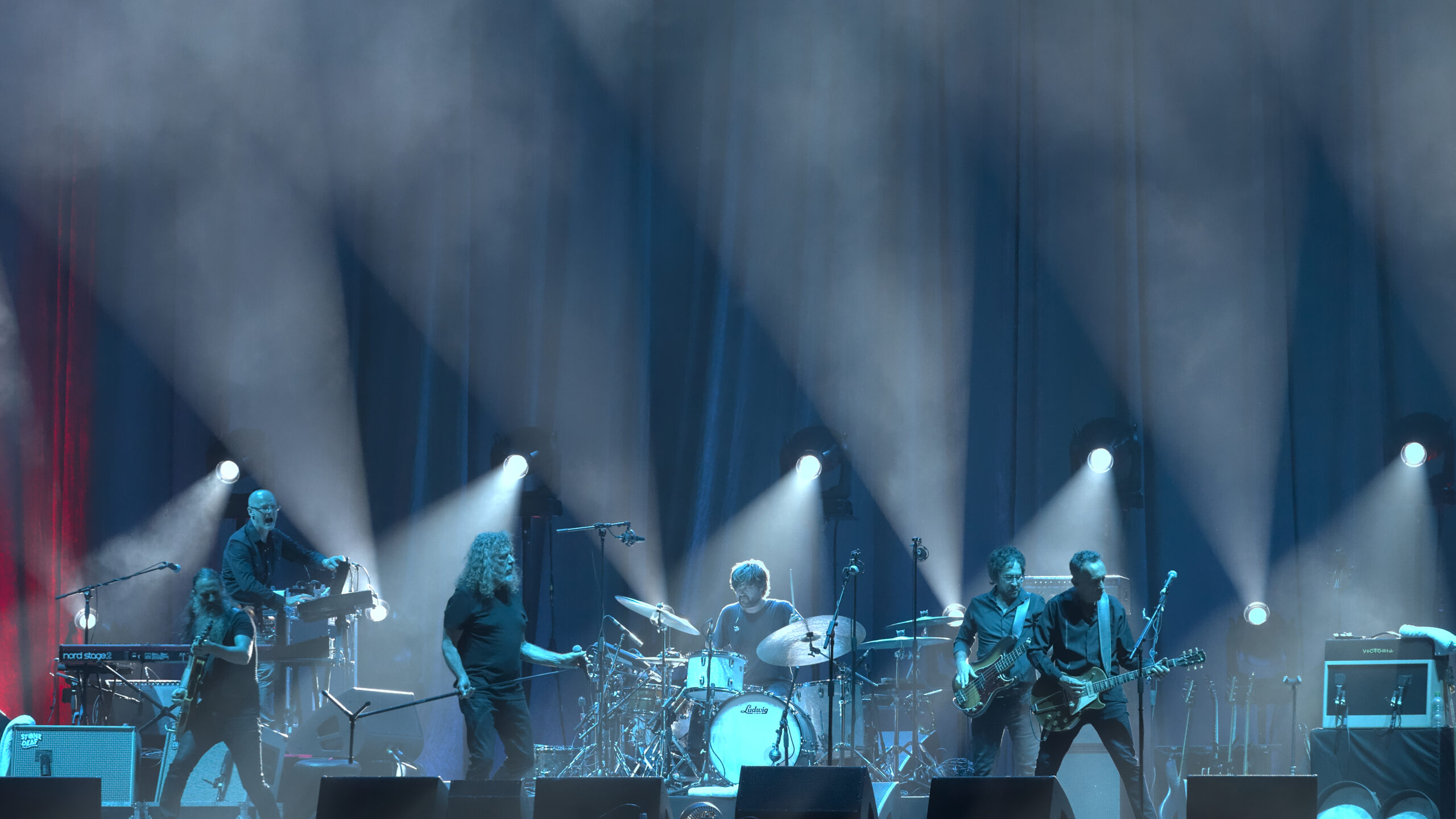
Jimmy Page’s riff is pure swagger: blues-derived, tightly grooved, and loaded with sexual tension. What makes it timeless is not just the notes, but the way the riff interacts with the drum feel. It leans, snarls, and punches in sync with the band’s momentum.
Production takeaway: Great riffs often depend on microtiming. This one works because it feels human and elastic rather than quantized. Producers working on rock, indie, or alt tracks should pay close attention to how slight push-and-pull affects perceived power. A riff can sound larger simply by leaving the drummer room to breathe around it.
5. Nirvana — “Smells Like Teen Spirit”

This riff is deceptively simple, but its cultural force is enormous. The progression is built from power-chord movement and dynamic contrast, not flashy technique. The magic lies in the verse-to-chorus escalation and the emotional volatility created by tone and arrangement.
Production takeaway: This is a lesson in contrast management. The riff itself is not the whole story; the quiet-loud architecture makes it land. In production terms, the build comes from gain staging, drum intensity, and vocal entry points. If your riff is simple, you can still make it monumental by designing the track around dynamic release.
6. AC/DC — “Back in Black”

Minimal, clean, and instantly legible, this riff is a case study in precision. There is no clutter here—just a razor-sharp rhythmic figure and a tone that leaves no ambiguity about the attack. It sounds expensive because it is disciplined.
Production takeaway: Tight rhythm playing is a production asset. The riff’s success depends on clarity more than gain. Too much distortion would blur the articulation. For engineers, the broader lesson is that a guitar tone should match the job: if the part is rhythmic and percussive, prioritize transient definition and separation over sheer saturation.
7. The White Stripes — “Seven Nation Army”
Although built on guitar, this riff behaves like a bassline, which is part of why it conquered the world. Its contour is so direct that it translates easily across stadiums, chants, remixes, and even non-guitar contexts. It is one of the rare riffs that feels bigger after being reduced to its essentials.
Production takeaway: Arrangement identity matters. If a riff can be hummed, shouted, or played on a single monophonic source, it has cross-format power. Jack White’s raw tone also shows how a lo-fi or limited-sounding guitar can still be massive if the frequency profile is stable and the motif is unmistakable.
8. Metallica — “Enter Sandman”
This is one of the most recognizable modern metal riffs because it balances menace with accessibility. The riff is rhythmically forceful, harmonically dark, and engineered to feel cinematic without becoming cluttered. It is a perfect example of groove-driven heaviness.
Production takeaway: Modern heavy production often chases width and aggression, but this riff reminds us that groove is the real amplifier. Tight palm muting, layered guitars, and controlled low-end management make the part hit hard. Producers should ensure the kick and guitar are not fighting for the same sub-region without intention.
9. The Kinks — “You Really Got Me”
Before riffs became synonymous with arena rock and metal, this one helped define the grammar. It is primitive in the best sense: direct, aggressive, and full of attitude. The power comes from its blunt repetition and the sense that the guitar itself is almost tearing at the seams.
Production takeaway: Distortion as texture, not just loudness, is the key lesson. The riff feels rebellious because the tone is borderline unruly. In the studio, that means not sanding every edge off a performance. Sometimes the part’s emotional credibility depends on a little roughness in the recording chain.
10. Jimi Hendrix — “Purple Haze”
Hendrix did not just write riffs; he rewired the instrument’s expressive vocabulary. “Purple Haze” is a perfect closing entry because it combines harmonic ambiguity, psychedelic tone, and a signature attack that feels both loose and intentional. It is as much sound design as riff writing.
Production takeaway: Tonal character can be the riff. Hendrix shows that effects, amp breakup, and playing touch can elevate a simple figure into a cultural event. For producers, the implication is obvious: when the composition is minimal, the sonic palette must be distinctive enough to become part of the hook.
What Modern Producers Can Learn From the Great Riffs
The common thread across these riffs is not complexity. It is identity. The best riffs tend to do at least three things extremely well: establish a rhythm instantly, occupy a distinct tonal lane, and leave enough space for the rest of the track to build around them.
That has practical implications in the studio. First, avoid over-layering if the riff already has a strong signature; too many guitar tracks can flatten the hook. Second, think about register carefully. A riff that lives in the wrong frequency range can disappear once vocals, synths, or drums arrive. Third, treat performance feel as part of the arrangement. The strongest riffs are often the ones that feel slightly physical, slightly human, and impossible to ignore.
For producers working in rock, pop-punk, alternative, indie, or even electronic hybrids, these riffs offer a durable template: keep the motif simple, make the tone unmistakable, and let the arrangement do the heavy lifting. A riff that survives in a stripped demo will usually survive in a finished mix. A riff that needs too much explanation probably is not a riff yet.
The Bottom Line
These are the best guitar riffs not because they are all flashy, but because they are durable. They shaped records, defined eras, and gave producers a blueprint for how to make a guitar part function as both a musical idea and a production weapon. In a world of endless plugins, amp sims, and editing tools, the core lesson remains the same: the most powerful riff is the one you recognize before the song even starts.
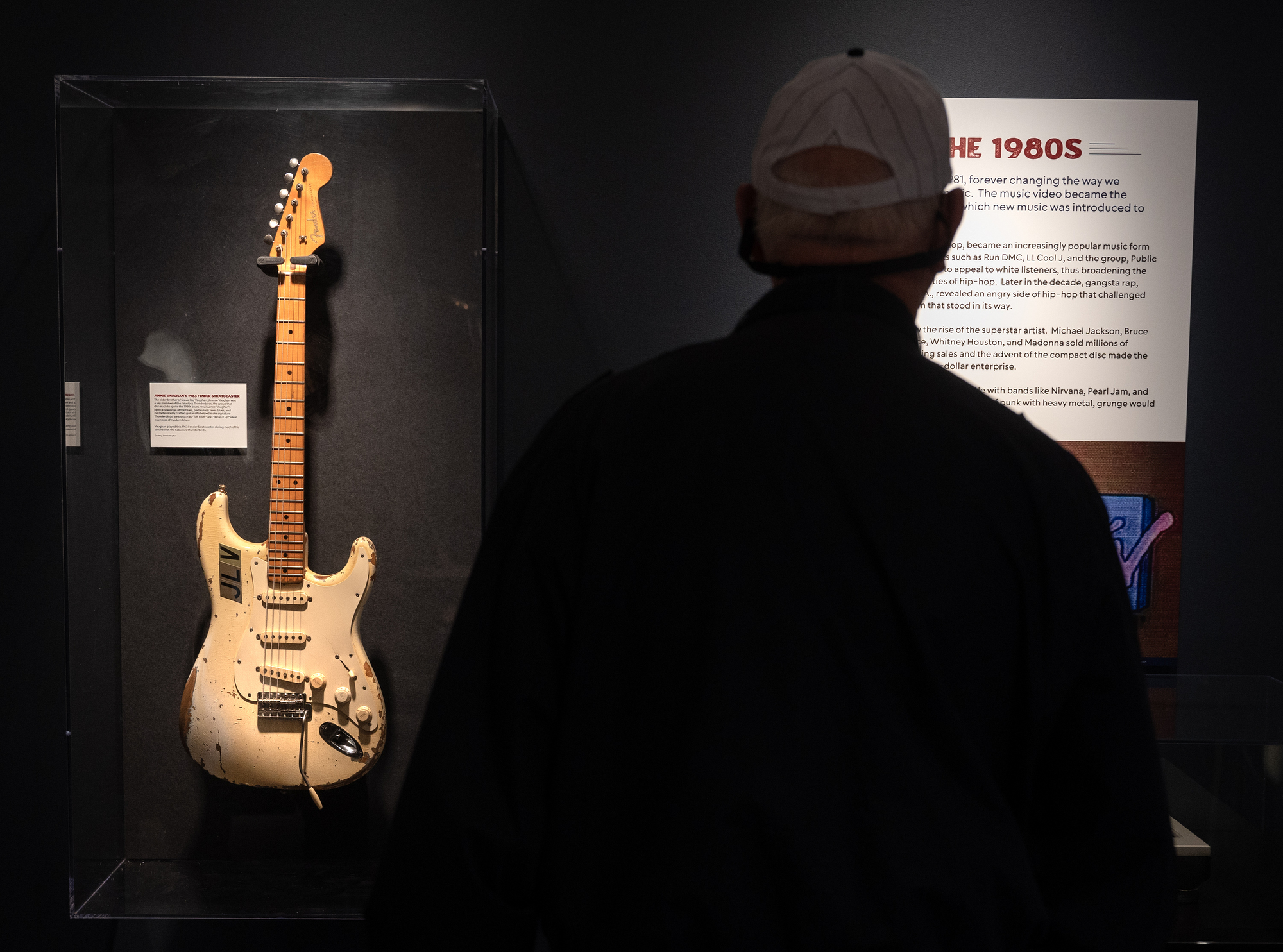
Image: DIG15178-018 Jimmie Vaughan's 1963 Fender Stratocaster – Music America- Iconic Objects from America’s Music History (2024-02-17 12.55.18 by LBJ Library @Flickr 53537193413).jpg | DIG15178-018 | License: Public domain | Source: Wikimedia | https://commons.wikimedia.org/wiki/File:DIG15178-018_Jimmie_Vaughan%27s_1963_Fender_Stratocaster_-_Music_America-_Iconic_Objects_from_America%E2%80%99s_Music_History_(2024-02-17_12.55.18_by_LBJ_Library_@Flickr_53537193413).jpg