Inside Hip Hop’s Sonic Architects: The 10 Producers Who Defined the Sound
From crate-digging drum breaks to sample-chop surgery and synth-led reinventions, these are the producers whose methods changed hip hop’s vocabulary. Here’s what makes each one technically essential—and still worth studying today.
Hip hop has always been a producer’s genre. Before streaming-era algorithms flattened taste into playlists, the most important artists in rap were often the people behind the boards: digging for breaks, chopping samples, tuning drums, and building entire sonic worlds from scraps. The best hip hop producers didn’t just make hits. They invented workflows, defined eras, and created production templates that still echo through modern trap, drill, and sample-based beatmaking.
This list isn’t just about fame or chart totals. It’s about sonic identity: who changed the way drums hit, who made sampling feel cinematic, who turned minimalism into a weapon, and who pushed the studio into new territory. If you’re a producer, engineer, or serious fan, these are the names to study when you want to understand how hip hop got its shape.
1. Dr. Dre: The blueprint for polished West Coast rap
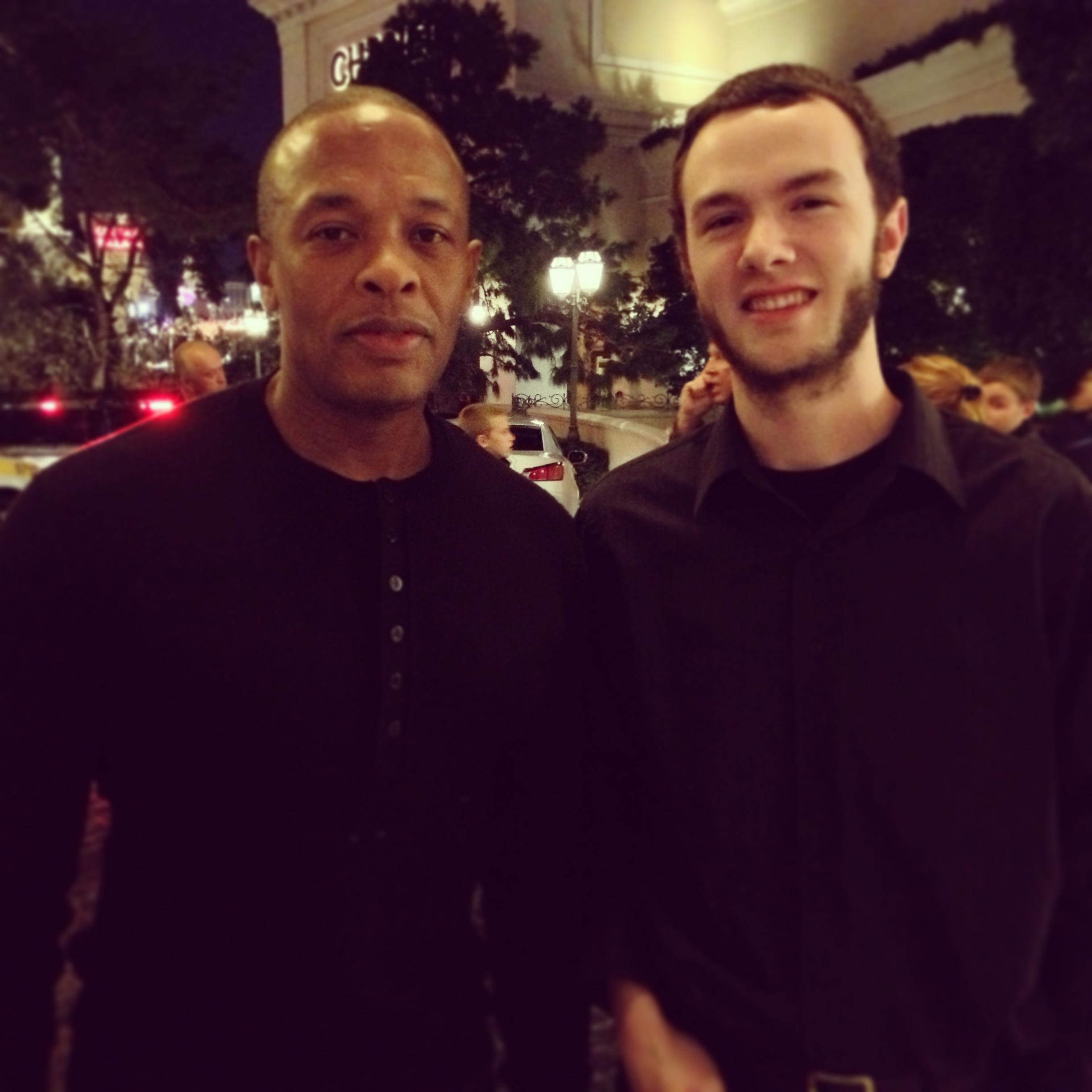
Dr. Dre’s genius is clarity. Where East Coast production often thrived on grit and density, Dre built records with space, punch, and surgical arrangement. On The Chronic and 2001, the drums are thick but controlled, the bass lines are clean, and every synth stab has room to breathe. He helped define the G-funk era by pairing Parliament-Funkadelic-inspired melodic material with hard, precise sequencing.
Technically, Dre’s records are masterclasses in balance: kick and bass lock tightly, snares land with a dry crack, and layers of keyboard textures support the groove without cluttering it. His productions often feel expensive because they are mixed like a luxury product—wide, polished, and intentionally minimal in the mids. Modern producers still borrow this approach when they want a beat to sound large without sounding crowded.
2. DJ Premier: The drum-loop scientist
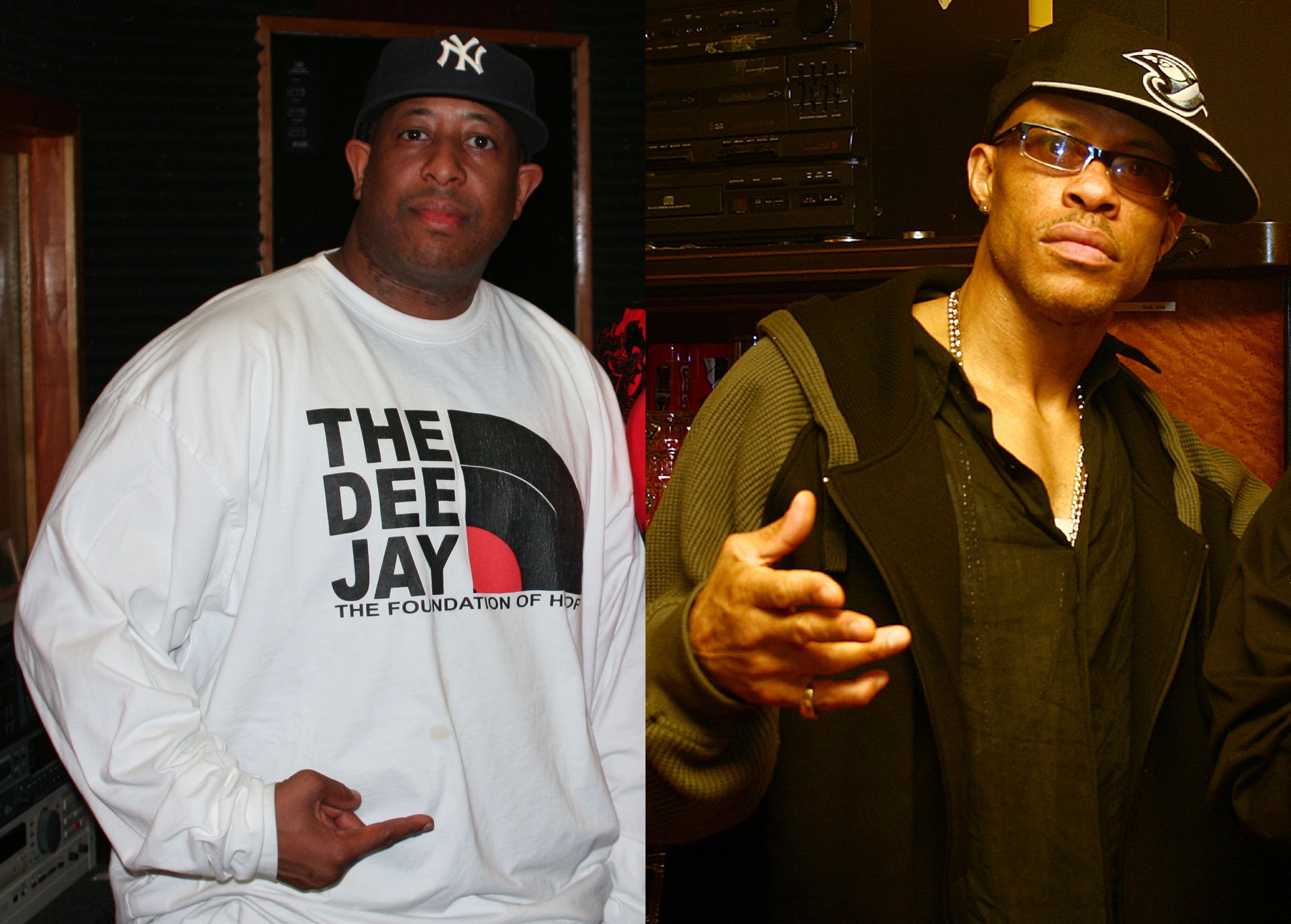
Premier’s signature is instantly recognizable: chopped jazz and soul loops, hard snares, dusty texture, and scratches used like punctuation. His beats for Gang Starr, Nas, Big L, and countless others built a sonic language around tension between raw sample grit and disciplined drum programming. If Dre is about polish, Preemo is about pressure.
His production often relies on tightly looped phrases with micro-edits that create movement without obvious theatrics. The drums usually sit forward and dry, with snare hits that feel almost ruler-straight. He also uses scratches as arrangement tools, not just DJ flexes, inserting vocal snippets to reinforce hooks and transitions. If you want to understand sample-based hip hop at its most direct and effective, study Premier’s balance of repetition and swing.
3. J Dilla: Human feel, engineered into history

J Dilla changed how producers think about timing. His beats often feel slightly behind the grid, but never sloppy. That pocket—the subtle drag of the kick, the loose placement of hi-hats, the conversational quality between sample and drums—became one of the most influential rhythmic signatures in modern music.
Working with MPC sequencing and a deep ear for texture, Dilla made sample fragments feel alive. On records like Donuts and his work with Slum Village and The Roots, he used chopped samples, unquantized drums, and unusual loop lengths to create motion through imperfection. The lesson for producers is not simply “don’t quantize.” It’s more specific: use timing as emotion. Dilla’s influence is everywhere in neo-soul, lo-fi, and contemporary beatmaking because he made groove feel personal.
4. Kanye West: Sample music as pop architecture

Before Kanye became a pop culture lightning rod, he was one of hip hop’s most influential sample producers. His early work—especially on The College Dropout, Late Registration, and Graduation—took soul sampling and made it emotionally immediate, often speeding up vocal phrases into bright, anthemic hooks. That “chipmunk soul” sound was more than a trend; it was a production method that reframed nostalgia as momentum.
Kanye’s best production ideas often come from contrast: lush sample beds against crisp drum programming, gospel warmth against hard-edged bounce, orchestral flourishes against minimalist rap verses. He also pushed collaborators and engineers toward more expansive arrangements, using layered instrumentation and dynamic shifts to make albums feel like events. His catalog is worth studying for the way he used sampling not just as collage, but as structural songwriting.
5. Marley Marl: The pioneer of sample-based hip hop production
Long before sample chopping became standard practice, Marley Marl was helping define the method. His work in the mid-to-late ’80s laid crucial groundwork for how hip hop beats could be built from isolated drum hits, break fragments, and reconstructed loops. With artists like MC Shan, Big Daddy Kane, and Rakim, he helped move the genre from live-band borrowing into a distinct studio craft.
Marley’s productions are important because they represent a turning point: the beat is no longer just a backdrop, but a modular construction. He helped normalize the idea that the producer could reassemble the DNA of existing records into something entirely new. In historical terms, that’s one of hip hop’s most important technical breakthroughs.
6. Pete Rock: Warmth, soul, and horn-section swing

Pete Rock’s productions are often described as soulful, but that undersells the precision of his arrangements. His beats combine rich sample choices with deep bass, crisp drums, and an almost jazz-musician’s sense of phrasing. On records with CL Smooth and Nas, he proved that sample-based hip hop could feel lush without losing impact.
What sets Pete Rock apart is the way he layers harmonic material. Horn stabs, Rhodes keys, vocal shards, and drum breaks all sit in a warm, cohesive pocket. There’s a tactile quality to his work that makes it feel lived-in rather than retro. For producers, the takeaway is that soulfulness is not just about sample selection—it’s about EQ, spacing, and how you let elements answer each other across the bar.
7. RZA: Raw minimalism and cinematic darkness
RZA turned limitations into an aesthetic. The early Wu-Tang sound is grimy, claustrophobic, and full of tension, with dirty drums, eerie samples, and unconventional textures that made the music feel like a martial-arts film scored in a basement. His production style helped define an entire East Coast underground ethos: intentionally rough, emotionally heavy, and unmistakably atmospheric.
RZA’s genius lies in arrangement as mood design. He often strips beats down to skeletal forms, then uses eerie chops, vocal snippets, and unusual sample choices to create psychological weight. The result is music that feels cinematic without sounding polished. If you make beat-driven records, study how he uses negative space. The absence of elements can be as defining as the elements themselves.
8. Pharrell Williams: Minimal funk with maximum identity
As one half of The Neptunes, Pharrell helped reshape hip hop’s mainstream sound by making it leaner, stranger, and more rhythmically elastic. His production stripped away clutter and emphasized odd percussion choices, staccato synths, sparse bass, and hooks that felt both futuristic and instantly accessible. From Clipse to N.E.R.D. to huge pop crossovers, his fingerprints are everywhere.
Pharrell’s tracks often sound simple on the surface, but they are carefully engineered. He uses space as a hook. Instead of filling every measure, he lets a snare, a synth motif, or a percussive figure carry the identity of the beat. That restraint is part of why his work ages well: there’s little unnecessary decoration to date it. Producers looking to sharpen their arrangements should pay close attention to how little he needs to say everything.
9. Timbaland: Rhythmic innovation at pop scale
Timbaland introduced a new kind of drum language to hip hop and R&B: syncopated, elastic, and full of off-kilter detail. His beats don’t just keep time; they dance around it. With busy percussion, unconventional sound design, vocal ad-libs, and unexpected rhythmic accents, he made groove feel like a puzzle with moving pieces.
What makes Timbaland essential is his ear for movement. He treats percussion as melody and rhythm as texture. His productions often feature sounds that feel hand-built rather than sampled straight from the crate, which gave late-’90s and 2000s rap a futuristic edge. If you’re programming beats today, his catalog is a reminder that rhythm can be more than kick-snare theory—it can be a full compositional language.
10. Metro Boomin: The modern trap architect
If this list is about producers who defined eras, Metro Boomin belongs on it. He helped crystallize trap’s modern mainstream form: ominous pads, thunderous 808s, sparse melodies, and drum programming that leaves enormous space for vocal performance. His beats are designed for impact, but also for clarity—each sound has a job.
Metro’s signature is atmosphere plus simplicity. He often builds around a small motif—bell melody, dark synth line, filtered loop—and lets the low end do the heavy lifting. The 808 is not just a bassline; it’s a lead instrument, a structural anchor, and a source of drama. For modern producers, his catalog is a lesson in making a beat feel massive without overcrowding the spectrum.
What the greats have in common
Different eras, different tools, different aesthetics—but the best hip hop producers share a few traits. They all understand groove at a microscopic level. They know when to quantize and when to let a beat breathe. They use texture strategically, whether that texture comes from vinyl crackle, synth grit, tape saturation, or the natural decay of a room reverb. And most importantly, they make choices that serve identity, not just trend.
That’s the real thread connecting these producers: they built systems. Dre built polish. Premier built loop discipline. Dilla built feel. Kanye built sample grandeur. Marley built the foundation. Pete Rock built warmth. RZA built atmosphere. Pharrell built space. Timbaland built rhythmic weirdness. Metro built modern minimal impact. Each one gave hip hop a new way to sound like itself.
Why producers should still study these records today
In an era where plug-ins can emulate vintage saturation, drum machines, and vinyl texture in seconds, it’s tempting to think the hard part is the sound. It isn’t. The hard part is decision-making: choosing what to leave out, how to arrange tension, how to make a loop feel alive over two or three minutes, and how to create a signature that listeners can identify in the first four bars.
If you want a practical exercise, load up one record from each producer and isolate the drums, then listen again to the full mix. Pay attention to sample selection, hi-hat density, low-end behavior, and how the hook is introduced. You’ll notice that the strongest beats almost never rely on excess. They rely on intention. That’s what makes these producers not just famous, but foundational.
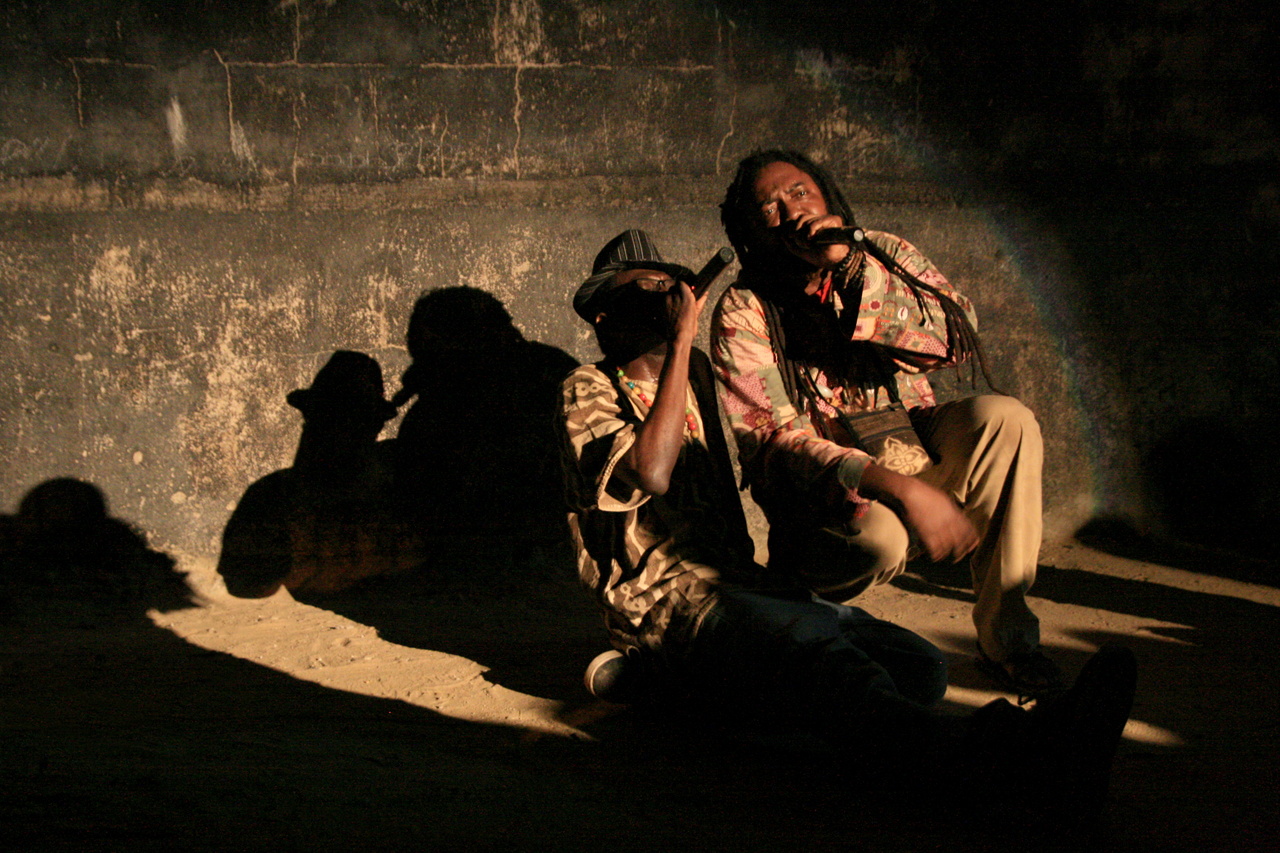
Image: Soiree hip hop 3367 moy.jpg | doual'art | License: CC BY-SA 3.0 | Source: Wikimedia | https://commons.wikimedia.org/wiki/File:Soiree_hip_hop_3367_moy.jpg