The 10 Producers Who Defined Hip-Hop by Sound, Not Just by Name
Hip-hop history is really a history of production choices: drum programming, sampling logic, texture, and mix decisions that turned records into eras. Here are the ten producers whose technical fingerprints changed the genre’s vocabulary.
Ask ten hip-hop heads to name the greatest producers of all time and you’ll get a mix of canon, regional loyalty, and personal mythology. But if you strip away the nostalgia and look at the craft itself, the real question becomes more specific: which producers changed what hip-hop sounded like? The legends below didn’t just make great beats. They established production systems—sampling habits, drum textures, swing patterns, mix philosophies, and sonic signatures—that rewired the genre.
This isn’t a ranking of popularity. It’s a case study in technical identity. Each of these producers made decisions that other musicians, engineers, and beatmakers still study today.
1. DJ Premier

Premier’s greatness lives in the tension between grit and discipline. His tracks often sound raw, but never careless. The drums hit with a dry, forward punch, the samples are chopped with surgical precision, and the loops usually feel slightly off-center in a way that makes the groove breathe without collapsing. That balance is a hallmark of his method.
What makes Premier technically distinctive is his economy. He rarely overcrowds a beat. Instead, he builds around a core sample phrase, reinforces it with tightly programmed drums, and lets scratches function like lead instruments. In songs for Gang Starr, Nas, and others, the snare placement and loop repetition become hypnotic because he understands restraint as arrangement. His tracks often feel like they’re locked in a small room with you: intimate, dry, and intentionally unpolished.
Production takeaway: If you want a Premier-style feel, start by trimming your sample to one strong musical idea, then program drums that leave air around it. Avoid overprocessing. A little saturation, a hard snare, and restrained layering can do more than a crowded mix.
2. Dr. Dre
If Premier represents claustrophobic boom-bap precision, Dr. Dre represents widescreen control. Dre’s sonic identity is built on separation, polish, and low-end management. His beats often feel spacious because every element has been arranged with mix clarity in mind. On The Chronic and 2001, the bass is huge but never flabby, the drums are punchy without being brittle, and the synths are placed like architectural accents rather than decorative layers.
Dre’s signature came from making hip-hop sound expensive. That meant careful layering, live instrumentation, and an obsessive ear for balance. He understood how to translate funk, G-funk, and soul references into a modern, radio-ready format without flattening their character. Even when the source materials were simple, the records sounded finished in a way that set a new industry standard.
Production takeaway: To channel Dre’s discipline, focus on low-end separation. Keep the kick and bass intentionally designed to coexist, not compete. High-pass unnecessary instruments, and use stereo placement sparingly so the center of the mix feels authoritative.
3. J Dilla

Dilla changed the feel of hip-hop more than almost anyone. His beats are often described as “behind the beat,” but that phrase undersells the precision involved. His timing wasn’t random—it was humanized with intent. The swing, microtiming, and drum placement create a pocket that feels unstable in the most musical way possible. You can hear it in the way kicks lag, snares lean, and samples float slightly against the grid.
What made Dilla technically revolutionary was his refusal to let quantization flatten groove. He made MPC programming sound alive, not mechanical. On records for Slum Village, A Tribe Called Quest, and his own work, he treated drums as conversational gestures rather than rigid timekeeping. That made the rhythm feel emotional, almost elastic.
Production takeaway: If you’re studying Dilla, don’t just copy swing settings. Offset individual drum hits, vary velocity, and allow tiny inconsistencies to remain. The goal is not sloppiness; it’s controlled asymmetry.
4. Kanye West

Kanye’s early production era was a masterclass in sample transformation. Before he became a full-scale cultural force, his beats stood out because they fused soulful source material with crisp, modern drum programming. He wasn’t just flipping records—he was reframing them. Pitch changes, chipmunked vocals, layered instrumentation, and extremely deliberate drum accents turned familiar samples into emotional hooks.
His technical distinction lies in contrast. Kanye’s productions often marry warmth and precision: lush sample beds paired with hard drum transients, or sentimental chords set against cold, sharp rhythm programming. That contrast made the music feel cinematic without losing street-level impact. He helped define a new template for sample-based hip-hop that was less about dust alone and more about emotional exaggeration.
Production takeaway: Try building around a pitched sample or vocal fragment, then anchor it with drums that are more minimal than you think. Let the sample provide the emotion while the drum pattern provides the backbone.
5. Pete Rock

Pete Rock’s production is a blueprint for warmth. His beats feel like they’ve already been aged into permanence, thanks to his layered soul sampling, rich drum textures, and impeccable loop selection. He has a gift for making source material feel both cinematic and intimate, especially in the way he stacks harmonic fragments to produce movement without obvious transitions.
Technically, Pete Rock is one of the great architects of soulful layering. He knows how to choose samples that interact rather than clash, and his drum programming often sits just behind the front edge, giving the music a laid-back but sturdy pulse. The result is a sound that feels deeply musical without becoming overarranged.
Production takeaway: To build with Pete Rock’s sensibility, focus on sample compatibility. Layer source material with shared tonal centers or complementary chords, and use drums that support the sample’s emotional color instead of overpowering it.
6. Timbaland
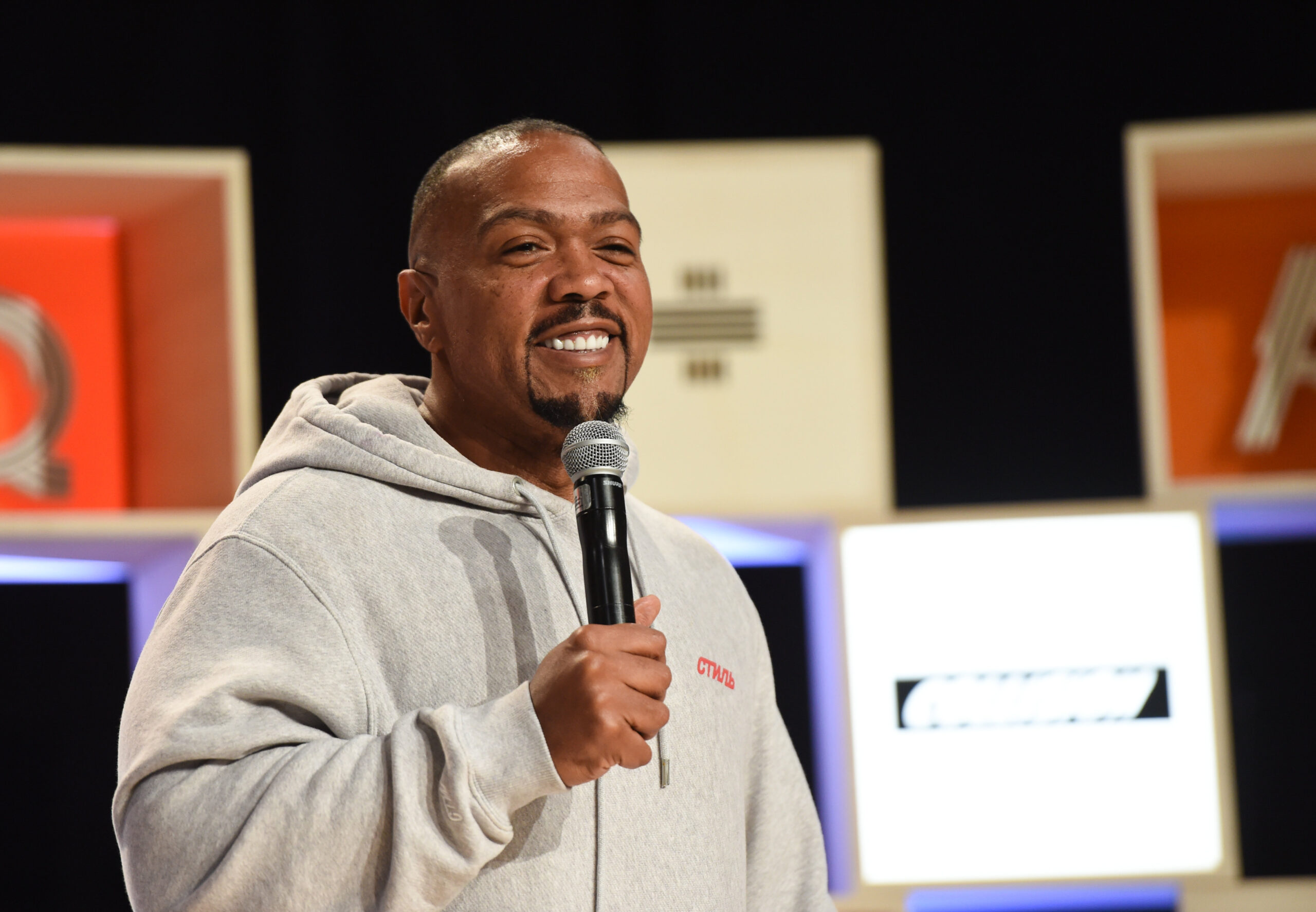
Timbaland brought futuristic rhythm design into the mainstream. His beats don’t just “hit different”; they’re often structured around percussive ideas that feel almost anti-traditional. He used off-kilter kick placements, syncopated percussion, vocal chops, and unusual melodic textures to create records that sounded like nothing else on the radio. The spaces between the drums matter as much as the hits themselves.
What separates Timbaland from other great producers is his sense of sonic negative space. He can make sparse arrangements feel massive because every sound is doing a specific job. On Missy Elliott and Aaliyah records especially, the percussion becomes a signature—part groove, part sound design exercise. He often treats beatmaking like building a weird, kinetic machine.
Production takeaway: If you’re studying Timbaland, think in layers of rhythm rather than simple kick-snare form. Add unconventional percussion and use silence strategically. A beat can feel more powerful when every bar doesn’t announce itself.
7. Marley Marl
Marley Marl is one of hip-hop’s foundational innovators because he helped define what sampling could be before the rules were fully established. His work with the Juice Crew helped turn chopped drums and recontextualized records into a production language. He understood how to isolate, repurpose, and sequence sounds in a way that gave hip-hop its early architecture.
Technically, Marley Marl’s importance is tied to drum sampling and arrangement. He helped shift the art form away from straightforward loop replay and toward more deliberate construction. The beats feel direct and functional, but that directness is what made them powerful. He established a model for drum-centric hip-hop production that influenced everything from East Coast boom-bap to later sample-based approaches.
Production takeaway: Study the relationship between drum source material and arrangement. Sometimes the power of a beat comes from the drum break itself, not endless layering. Let the source do the heavy lifting.
8. Just Blaze
Just Blaze brought a blockbuster scale to sample-based hip-hop. His productions are known for dramatic lift, aggressive drum energy, and expertly timed sample turns that feel almost orchestral. He has a gift for making records feel like they are constantly rising—introducing tension, release, and impact with near-compositional precision.
One of his key technical strengths is arrangement awareness. He knows when to strip a beat down, when to reintroduce a sample, and when to make the drums feel like an event. His work often sounds bigger than life because he structures beats around momentum. The result is music that feels engineered for maximum impact without losing the soul of the source material.
Production takeaway: If you want a Just Blaze-style build, think in sections. Don’t keep everything playing at once. Save your biggest sample or drum moment for the place where the track needs emotional elevation.
9. RZA
RZA’s production for the Wu-Tang Clan is one of the great examples of aesthetic world-building through sound. His beats are gritty, chopped, and often intentionally imperfect, but the roughness is the point. He used lo-fi textures, strange sample choices, and unvarnished drum programming to create a universe that felt threatening, mystical, and unmistakably local.
Technically, RZA’s genius is in atmosphere. He made hip-hop sound cinematic without polishing away the dirt. The beats often feel like they were assembled in a dim room with limited resources, yet that limitation became the identity. His production proved that mood can be more powerful than fidelity if the sonic choices are committed enough.
Production takeaway: Don’t be afraid of rough edges if they serve the concept. Lo-fi filtering, abrupt chops, and textured noise can create character, but only if they are used with purpose rather than as decoration.
10. Pharrell Williams
Pharrell’s place on this list comes from versatility and precision. Whether working as one half of The Neptunes or on solo and crossover projects, he mastered the art of minimalism with personality. His beats often rely on uncluttered arrangements, clean drum programming, and unusual melodic hooks that stick because they leave room to breathe.
Pharrell’s technical signature is deceptively simple: remove what isn’t essential, then make the essential parts unforgettable. He understands how to create bounce with very few elements, often using small synth motifs, crisp percussion, and groove-first composition. That economy made his productions feel futuristic without overloading the listener.
Production takeaway: Study negative space. A sparse beat can feel premium if the drum sounds are chosen carefully and the melodic idea is memorable. The trick is making minimalism feel intentional, not empty.
The Real Measure of Greatness
The best hip-hop producers are not just great at making tracks. They are great at defining parameters: how drums should feel, how samples should move, how space should speak, and how a mix can become a signature. That is why these ten names endure. Their music didn’t just soundtrack eras—it taught other producers how to hear.
If you’re a beatmaker, engineer, or producer, the value of studying these artists isn’t imitation. It’s translation. Take the sonic logic behind the records and apply it to your own tools, your own samples, and your own workflow. That’s where influence becomes technique—and where technique becomes identity.
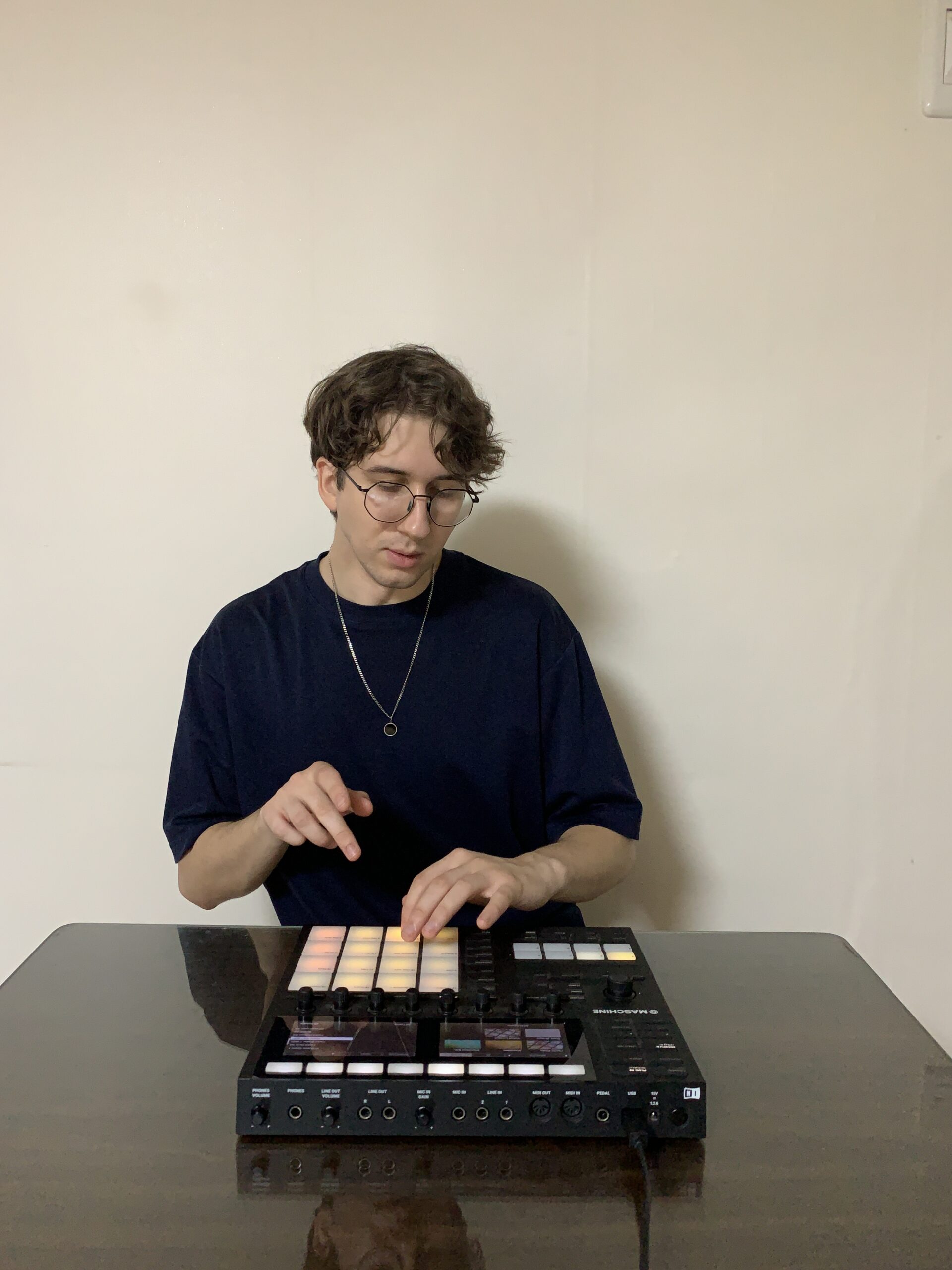
Image: FaektLiveBeat.jpg | Own work | License: CC BY-SA 4.0 | Source: Wikimedia | https://commons.wikimedia.org/wiki/File:FaektLiveBeat.jpg