The Riff Beneath the Noise: 10 Rock Basslines That Still Teach the Lesson
The great rock basslines do more than hold down the low end—they define the song’s momentum, harmonic tension, and memorability. Here’s a producer-minded breakdown of 10 essential lines, plus the techniques, tone choices, and performance habits that make them hit.
What Makes a Rock Bassline Last
The best rock basslines do something most listeners feel before they consciously hear it: they lock the song’s emotional center into place. In rock, bass is often treated as support, but the lines that endure are the ones that combine groove, melodic identity, and just enough rhythmic personality to make the whole record move differently.
For players, that means the classics are worth studying not just as famous parts, but as practical lessons in note choice, articulation, space, muting, and tone shaping. For producers, they’re reminders that bass arrangement is composition—not just low-end reinforcement. Below are 10 basslines that shaped rock history, along with concrete takeaways you can use in your own playing and productions.
1. Queen — “Another One Bites the Dust”
John Deacon’s line is a masterclass in economy. Built around a repeating, syncopated groove, it proves that a bass part can carry an entire track without getting busy. The magic is in the space between notes: the line breathes, but it never loses pressure.
Why it works: the pattern is instantly singable, sits in the pocket with surgical precision, and uses minimal harmonic movement to create maximum tension.
Technique tip: practice this kind of line with a metronome on the backbeat only. If the groove still feels inevitable when the click is sparse, you’re probably doing it right.
Production takeaway: compress for consistency, but preserve the transient so each note retains its percussive snap. A tight envelope and a touch of grit help the line speak on small speakers.
2. The Who — “My Generation”

John Entwistle’s bass work on “My Generation” is less a supportive line than a lead instrument in disguise. The fills are aggressive, the phrasing is animated, and the whole performance feels like it’s trying to outrun the song itself.
Why it works: it turns bass into a rhythmic and melodic driver, not just a foundation.
Technique tip: if you’re playing a similarly active line, isolate string crossings and left-hand noise. The more movement the part contains, the more cleanup matters.
Production takeaway: when the bass is this forward, consider parallel distortion rather than crushing the clean signal. You want midrange attitude without destroying note definition.
3. Led Zeppelin — “Ramble On”

John Paul Jones brings melodic motion to a track that still feels grounded and heavy. The bassline walks and climbs in a way that keeps the song in motion without crowding the guitars.
Why it works: it balances chord tone clarity with forward momentum, giving the verse a sense of travel.
Technique tip: learn to target thirds and fifths cleanly, then connect them with passing tones. That’s how you create motion without sounding random.
Production takeaway: this is the kind of line that benefits from a defined low-mid presence around the 200–500 Hz zone. Too much sub and you lose the melodic contour.
4. Pink Floyd — “Money”
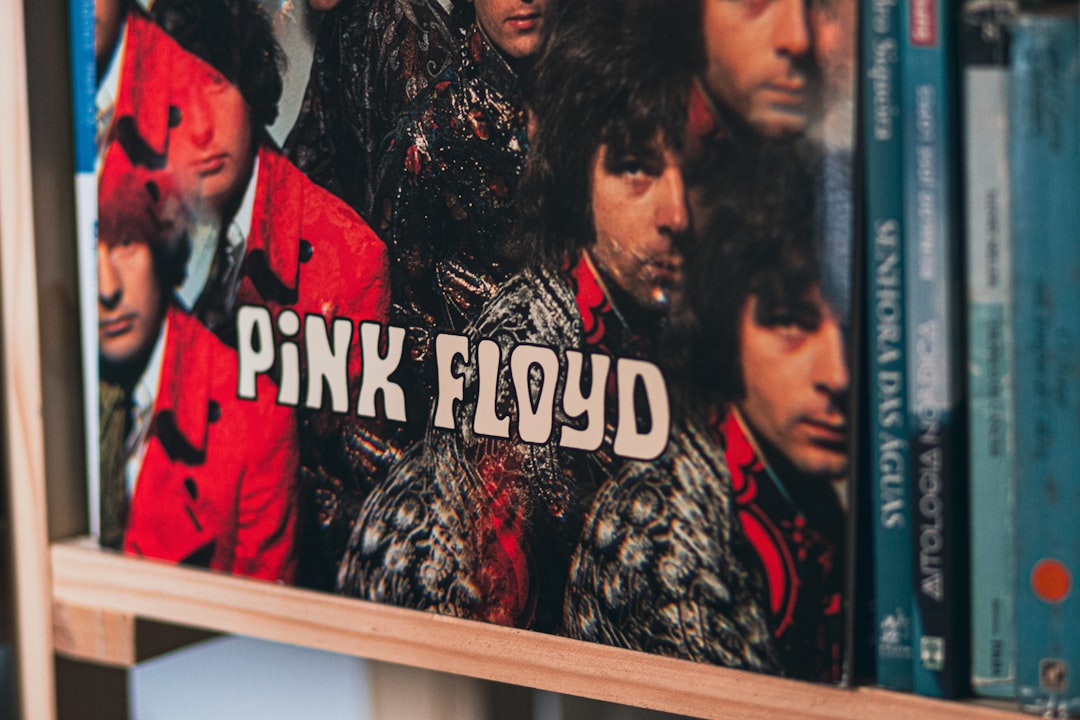
Roger Waters’ bassline is famous for its odd-meter feel and its role in establishing the song’s unusual pulse. It’s a textbook example of how a bass part can make a complex meter feel natural.
Why it works: it emphasizes groove and phrasing over flash, turning a 7/4 riff into something listeners can physically latch onto.
Technique tip: count the phrase in groups, not just as one long bar. Internal subdivision is the difference between a riff that feels composed and one that feels awkward.
Production takeaway: keep the bass punchy and centered. A clean attack with moderate sustain helps the meter read clearly in the mix.
5. The Beatles — “Come Together”

Paul McCartney’s line is slippery, melodic, and utterly distinctive. It’s not just a bass part; it’s a hook built from phrasing, syncopation, and tonal attitude. Every note feels intentional, and the riff leaves room for the vocal to dominate while still stealing attention.
Why it works: the groove is laid-back but precise, with a contour that feels conversational.
Technique tip: use subtle left-hand muting and controlled note lengths to keep the line from blurring. The space around the notes is part of the groove.
Production takeaway: a rounder tone with emphasized low mids can help this style of line feel expensive and present without becoming aggressive.
6. Deep Purple — “Smoke on the Water”

Uploaded by AlbertHerring | License: CC BY 2.0 | Source: Wikimedia | https://commons.wikimedia.org/wiki/File:Smoke_on_the_water_(6153150589).jpg
Often discussed as a guitar riff, “Smoke on the Water” is also a study in unison reinforcement and powerful low-end simplicity. Roger Glover’s bass locks with the riff in a way that reinforces the song’s monolithic identity.
Why it works: it demonstrates the impact of doubling and octave support when the arrangement wants brute-force clarity.
Technique tip: when bass is reinforcing a signature guitar figure, focus on timing precision over flourish. Tiny discrepancies become obvious when the riff is this exposed.
Production takeaway: check phase relationship between bass and guitars. If the low end feels smaller than expected, alignment and arrangement density may be the issue, not the tone knob.
7. Rush — “Tom Sawyer”
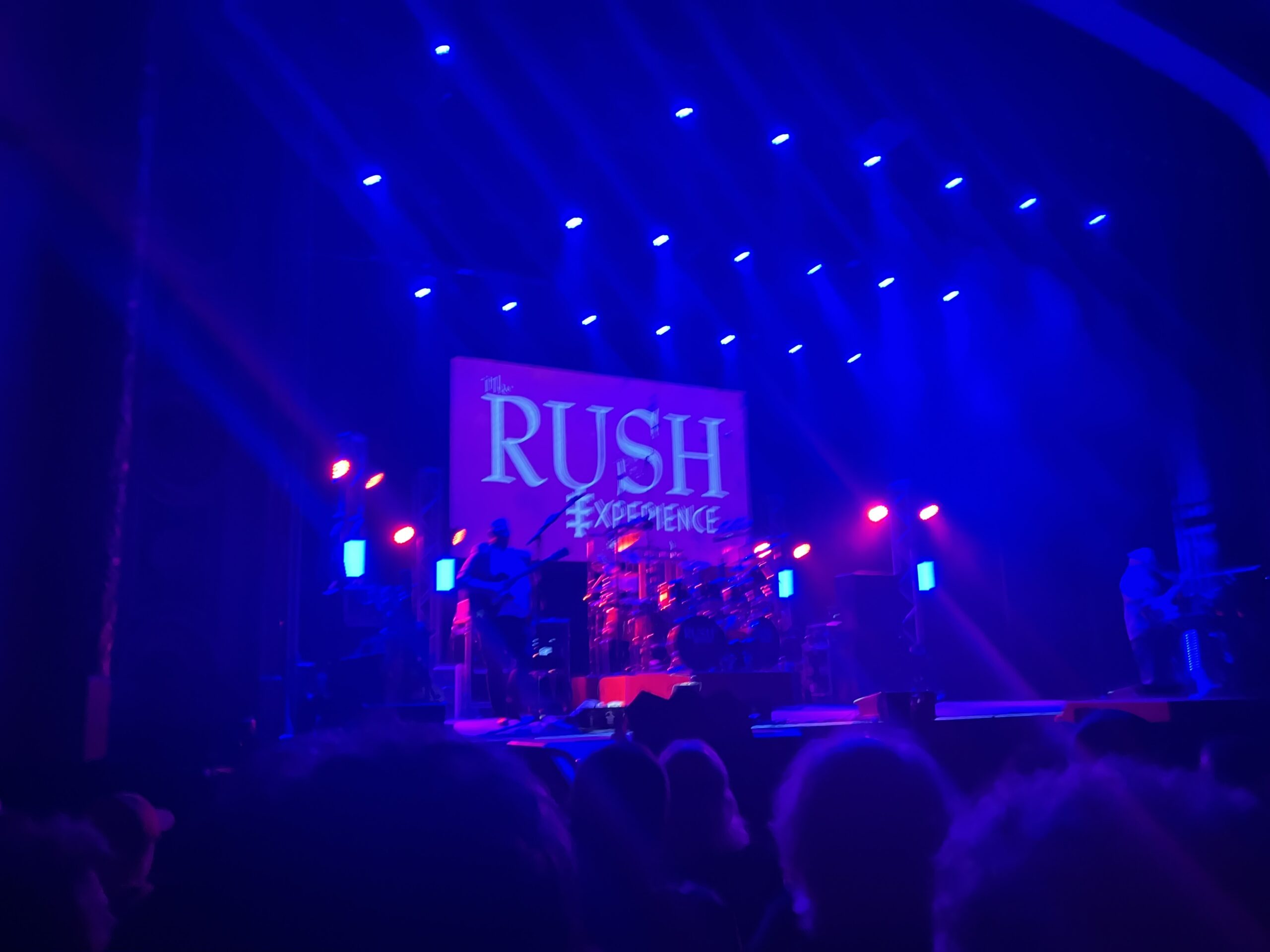
Geddy Lee’s bass part is a precision instrument in motion. It’s aggressive, articulate, and deeply integrated with the drums, making the song feel both massive and engineered.
Why it works: the line uses syncopation and note separation to create propulsion, not clutter.
Technique tip: practice the part with an emphasis on note length. In this style, how long you hold a note matters as much as what pitch you play.
Production takeaway: a brighter, more defined bass tone can work here because the arrangement is dense. Use compression to stabilize performance, but let the transient survive so the part cuts.
8. The Rolling Stones — “(I Can’t Get No) Satisfaction”
While famous for the guitar hook, the bass on “Satisfaction” helps the track feel grounded and muscular. It’s a reminder that a great bassline doesn’t always need to be flashy to be essential.
Why it works: it supports the riff with authority and consistency, leaving the guitar figure to carry the headline.
Technique tip: supporting parts need impeccable time feel. The less melodic space you take, the more your rhythmic accuracy matters.
Production takeaway: keep the bass clean and solid. Overprocessing can distract from what this kind of part is actually doing: making the song feel inevitable.
9. Metallica — “For Whom the Bell Tolls”
Cliff Burton’s bass intro is one of rock’s great statements. It uses distortion, sustain, and dramatic register placement to make the bass feel orchestral and ominous.
Why it works: the line exploits the upper range of the instrument, giving bass the authority of a lead voice.
Technique tip: if you’re chasing this kind of tone, work on controlled vibrato and sustained notes that don’t collapse under gain. Intonation has to stay locked when the amp starts roaring.
Production takeaway: split the signal if you can—one clean low end, one distorted midrange. That’s the easiest way to preserve impact while keeping the aggression audible.
10. Aerosmith — “Walk This Way”
Tom Hamilton’s bassline drives the funk-rock swagger that makes “Walk This Way” so infectious. It’s rhythmic, punchy, and deeply tied to the drum feel, showing how rock bass can borrow from funk without losing its edge.
Why it works: the line locks with the groove while pushing the song forward through syncopation and articulation.
Technique tip: focus on ghost-note control and short note lengths. The groove depends on the contrast between played notes and percussive gaps.
Production takeaway: this is a great candidate for transient shaping and a touch of saturation. You want the bass to feel like part of the rhythm section’s drum kit and part of the harmonic bed at once.
What These Basslines Teach Modern Players and Producers
Across these 10 examples, a few patterns keep showing up. The most memorable rock basslines are rarely the busiest. They’re the ones that understand placement, repetition, and timbre. A bassline becomes iconic when it does at least one of three things well: it creates a hook, it defines the groove, or it reshapes the song’s harmonic movement.
From a production perspective, that means tone selection is not cosmetic. Pick a bass sound based on the role the line plays. If the part is melodic, emphasize clarity and midrange definition. If it’s rhythmic, protect the transient and shorten sustain. If it’s meant to sound larger than life, consider distortion in parallel so the fundamentals remain intact.
For players, the actionable lesson is simple: practice basslines as complete performances, not just note sequences. Nail the muting. Shape the note length. Listen to how the drums breathe around the line. The legendary rock bass parts endure because they were arranged, played, and recorded with intent.
If you want to sound more convincing immediately, start here: pick one of these basslines, learn it with the original track, then strip it back and play it with only kick drum support. That exercise will reveal whether the groove actually lives in your hands—or only in the record you love.
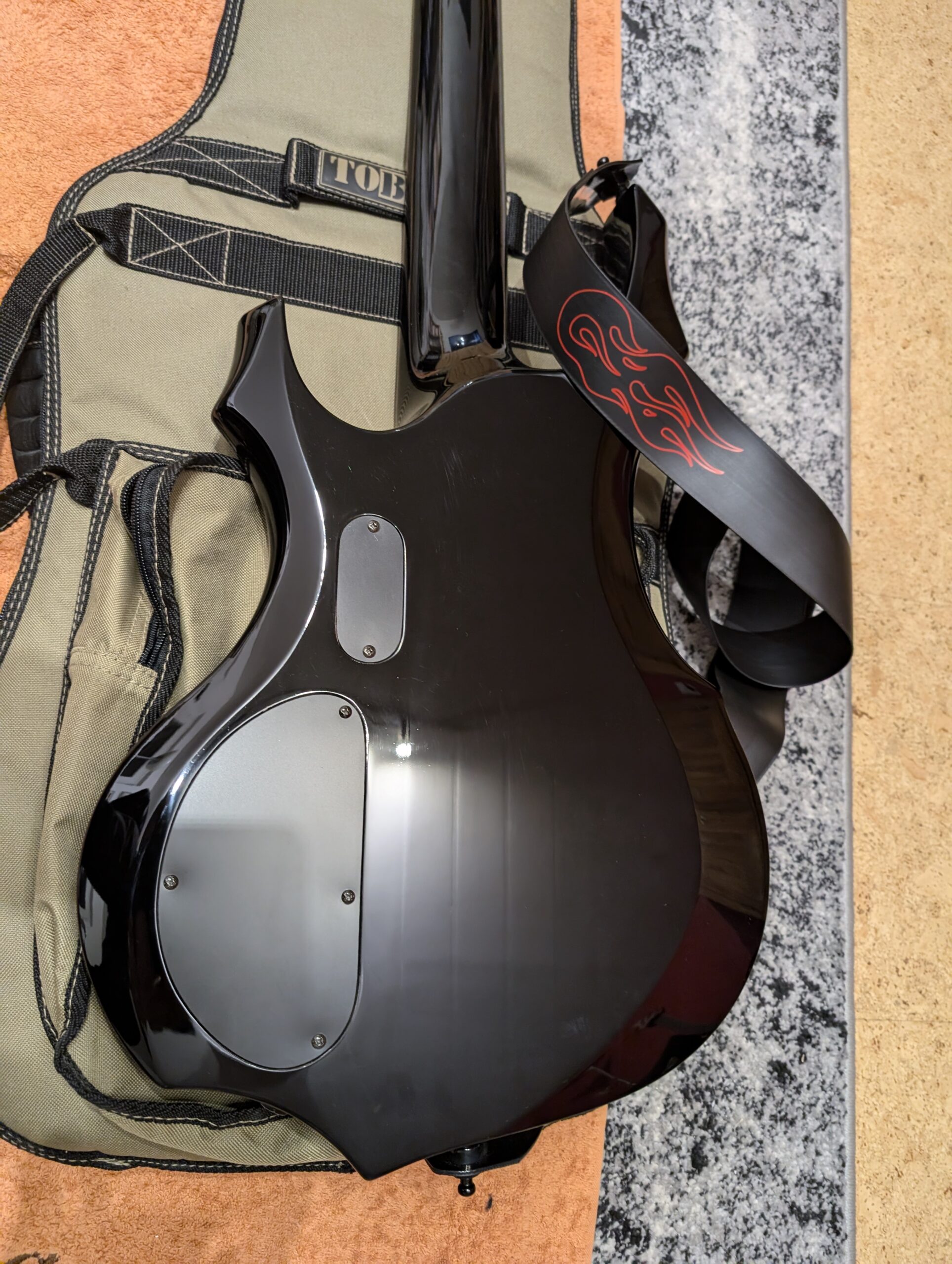
Image: 0-ESP Ltd F 255 electric bass guitar body 01.jpg | Own work | License: CC BY-SA 4.0 | Source: Wikimedia | https://commons.wikimedia.org/wiki/File:0-ESP_Ltd_F_255_electric_bass_guitar_body_01.jpg