Inside the Red Hot Chili Peppers’ Funk-Rock Engine: The Bass, the Snap, and the Space
Red Hot Chili Peppers built a signature sound on a deceptively tricky balance: slap-driven bass, wiry guitar rhythm, tight drum pocket, and vocals that ride the groove instead of fighting it. This breakdown traces the production and performance details that make the band’s funk-rock vocabulary instantly recognizable.
The Architecture of the RHCP Groove
Red Hot Chili Peppers’ sound is often described as funk rock, but that label only captures the outline. The real identity of the band lives in the interaction between instruments: a bass part that behaves like both lead instrument and percussion, guitars that leave room instead of clogging it, drums that lock into a syncopated pocket, and vocals that sit like another rhythmic layer on top. The result is a sound that feels aggressive without being dense, athletic without sounding overproduced.
What makes RHCP technically distinctive is not just the presence of slap bass or the use of funk rhythm guitar. Plenty of rock and funk bands use those ingredients. The difference is how the parts are arranged, recorded, and mixed to preserve transient detail. Every element has to breathe. If you compress or overdub this style carelessly, the whole thing collapses into mush. When it works, the band sounds enormous because the space is part of the arrangement.
Flea’s Bass Tone: Percussive, Mid-Forward, and Always in Motion
Flea’s bass playing is the engine of the band’s identity. His slap technique is often the first thing people hear, but the deeper story is articulation. The tone is rarely a smooth “bass pillow” sitting under the track. Instead, it’s a sharp, vocal, midrange-rich sound with a strong attack and enough upper harmonics to cut through distorted guitars and bright cymbals.
The slap tone works because the initial transient is fast and controlled. Thumb strikes deliver a short, explosive low-end pulse; popped notes add a metallic snap in the upper mids. That means the bass is operating in two frequency zones at once: sub and low-mid weight on the downbeat, and bright percussive content on the attack. In a mix, this lets the bass function almost like a kick-snare hybrid when the part is written well.
Production-wise, this style rewards a split approach. A clean DI captures the full low-end and transient detail, while an amp or reamped track adds character, grit, and midrange presence. If you are mixing a Flea-style part, try preserving the DI for fundamental weight and blending in a lightly driven amp tone to help the bass speak on smaller speakers. Too much distortion flattens the articulation; too little and the line may feel polite.
Compression is another critical piece. RHCP bass often benefits from moderate, not crushing, control. You want to keep the dynamics consistent enough that the slap pattern feels even, but leave enough transient edge that the groove still snaps. Fast attack times can dull the initial strike, so many mixers prefer a slightly slower attack with a medium release, letting the pick or thumb transient breathe before the compressor clamps down. Parallel compression can be useful, but only if the dry signal remains the primary source of attack.
Why the Guitar Parts Sound So Open
John Frusciante’s rhythm parts are a masterclass in restraint. Rather than filling every bar with dense chord voicings, he often plays partial chords, muted strums, doublestops, and short melodic fragments that interlock with the bass line. This creates motion without crowding the center of the mix. The guitar is rhythmically busy, but harmonically economical.
From a tone standpoint, the guitars usually occupy a narrow lane: bright enough to articulate syncopation, but not so saturated that they mask the bass transients. A lightly driven amp, a Fender-style platform, and controlled top end are common ingredients in this world. The goal is not classic heavy rock distortion. It’s a percussive guitar texture that can live beside slap bass without turning the track into a wall of frequency overlap.
In production terms, this is where arrangement discipline matters. If the guitars are doubled too heavily, EQ’d too aggressively in the low mids, or widened with unnecessary effects, the core groove loses definition. The best RHCP mixes often feel like they are carving out a lane for the bass to dance in. That means guitar parts may be panned, filtered, or automated to leave the downbeat intact.
The Drum Pocket: Tight, Dry, and Built for Impact
The drum sound in the RHCP universe is built around pocket, not maximalism. The kick and snare need to punch through the bass line without sounding over-processed. The snare usually benefits from a crisp crack and enough body to anchor backbeats, while the kick needs clarity in the low end and definition in the attack. Hi-hats and ride patterns are often kept articulate rather than washy, because the rhythm section depends on precision.
From a mixing perspective, this style favors controlled ambience. Too much room sound can soften the groove, especially when the bass is doing so much rhythmic work. A tighter drum sound keeps the low end coherent and makes the syncopation easier to feel. That doesn’t mean dead drums, but it does mean the ambience should support the pulse rather than smear it.
On the performance side, the drummer’s relationship with the bass is everything. RHCP songs often feel elastic because the rhythm section sits just on the edge of the beat. That slight push-pull is part of the funk vocabulary: not sloppy, just alive. If you are programming drums for this kind of sound, humanize the timing carefully and vary velocity in a way that preserves groove instead of mechanical consistency.
Vocals as Rhythm, Not Just Melody
One of the most overlooked elements of the RHCP sound is how the vocals behave like another rhythmic instrument. Anthony Kiedis’ phrasing often lands between the drums and the guitar, using cadence and accent to add momentum. Even when the vocal line is melodic, the delivery tends to emphasize rhythmic placement, repetition, and conversational phrasing.
This matters in the mix because the vocal does not need to dominate in the same way it would in a more conventional pop-rock arrangement. It can sit slightly more integrated with the band, riding above the groove rather than floating far away from it. Delays and reverbs are often used with care so the vocal remains agile and close to the rhythm section.
Studio Lessons from the RHCP Template
If you want to borrow from the Red Hot Chili Peppers approach in your own productions, the first lesson is subtraction. Build parts that leave space for the bass to speak. Use guitars that chop, punctuate, and complement instead of constantly filling. Let the drums stay tight and focused. The more each instrument behaves like a contributor to the groove rather than a separate performance layer, the closer you get to that signature RHCP tension between funk and rock.
Another key lesson is preserving transient contrast. Slap bass, snappy drums, and bright rhythmic guitar all depend on the attack phase. Over-compression, excessive saturation, and muddy reverb can erase the very features that make the style hit. If the track feels too polite, it often needs more edge in the upper mids. If it feels crowded, it usually needs less harmonic overlap, not just more EQ.
For producers working in the box, a practical RHCP-style chain might start with a clean bass DI, light amp simulation or reamp, a compressor with moderate control, and careful high-mid shaping to bring out finger and thumb detail. On guitars, a restrained amp sim or real amp model with modest drive and tight low end will often outperform a huge modern rock preset. For drums, prioritize punch and separation over size. The band’s sound is not built on sonic gigantism; it is built on the way the parts interlock.
Why RHCP Still Sounds Immediate
Red Hot Chili Peppers remain a reference point because their sound is technically specific without feeling stiff. The band understands that funk requires restraint, and rock requires impact. Their signature comes from living in the overlap between those two instincts. Flea’s slap bass gives the music its physical identity. Frusciante’s guitar parts leave the right holes. The drums keep the pulse honest. The vocal rides the motion. Together, they create a mix of precision and swagger that is hard to fake.
That is the lesson beneath the style: funk-rock only works when the arrangement, tone, and pocket are all pulling in the same direction. RHCP made that balance sound instinctive, but it is actually a highly disciplined production and performance language. Once you hear the architecture, the band’s records become a blueprint for how to make groove feel huge without making the mix crowded.
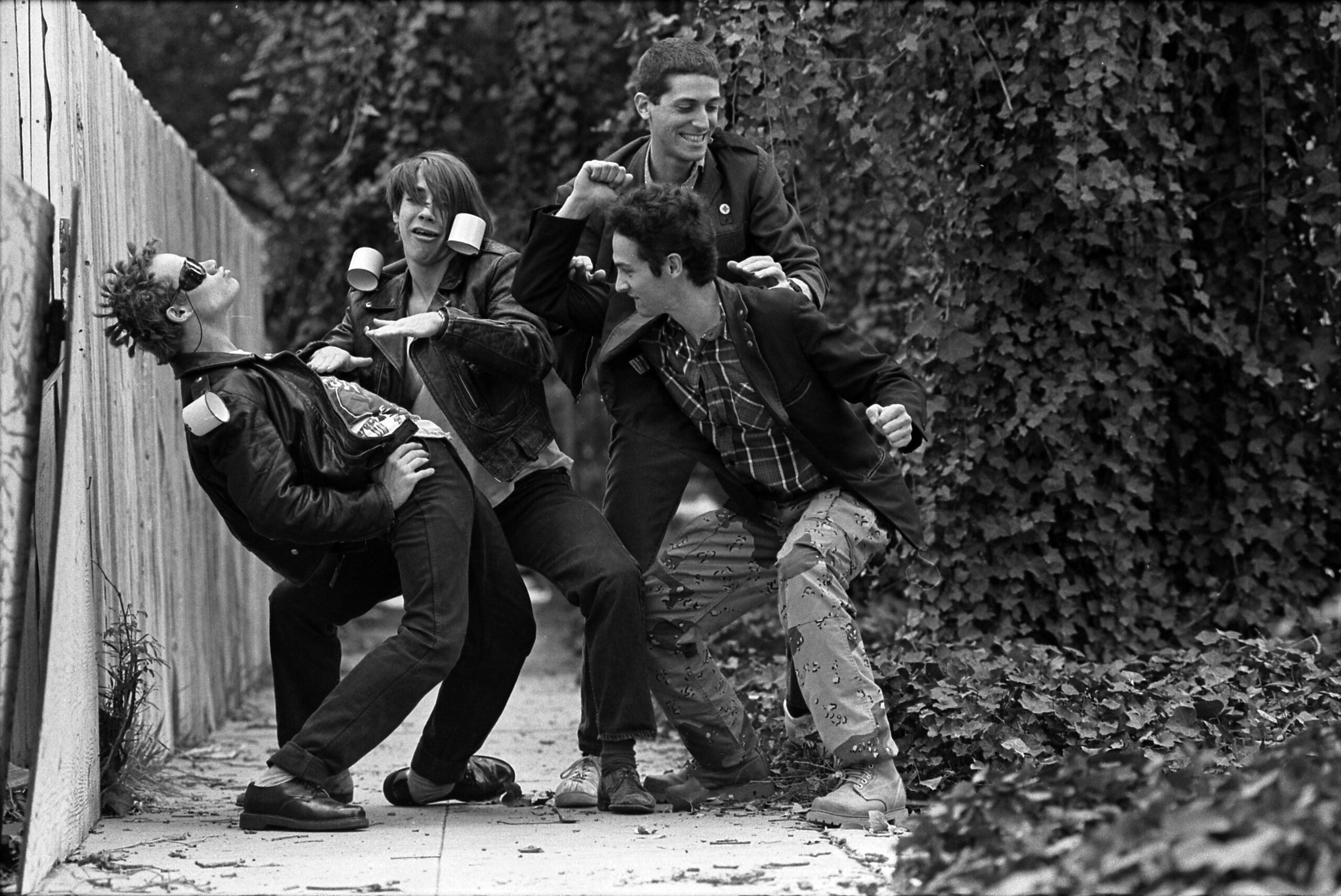
Image: Red Hot Chili Peppers, 1984.jpg | https://digital.library.ucla.edu/catalog/ark:/21198/zz0002rz8p | License: CC BY 4.0 | Source: Wikimedia | https://commons.wikimedia.org/wiki/File:Red_Hot_Chili_Peppers,_1984.jpg