Inside Green Day’s Punk Rock Guitar Engine: The Gear That Keeps It Loud, Fast, and Unmistakable
Green Day’s guitar sound is more than attitude—it’s a production system built on tight amp choice, aggressive midrange, and parts that stay readable in a dense mix. Here’s what the gear does well, why producers keep reaching for it, and how to recreate that punch without losing the punk edge.
The Green Day Guitar Sound Is Built for Translation
Green Day’s punk rock guitar tone works because it is designed to survive every stage of production: performance, tracking, mixing, mastering, and playback on cheap speakers. That is the real reason producers respect it. The sound is not just “big” in a live-room sense; it is intentionally mid-forward, rhythmically tight, and harmonically dense enough to feel aggressive without turning into fuzzed-out mush.
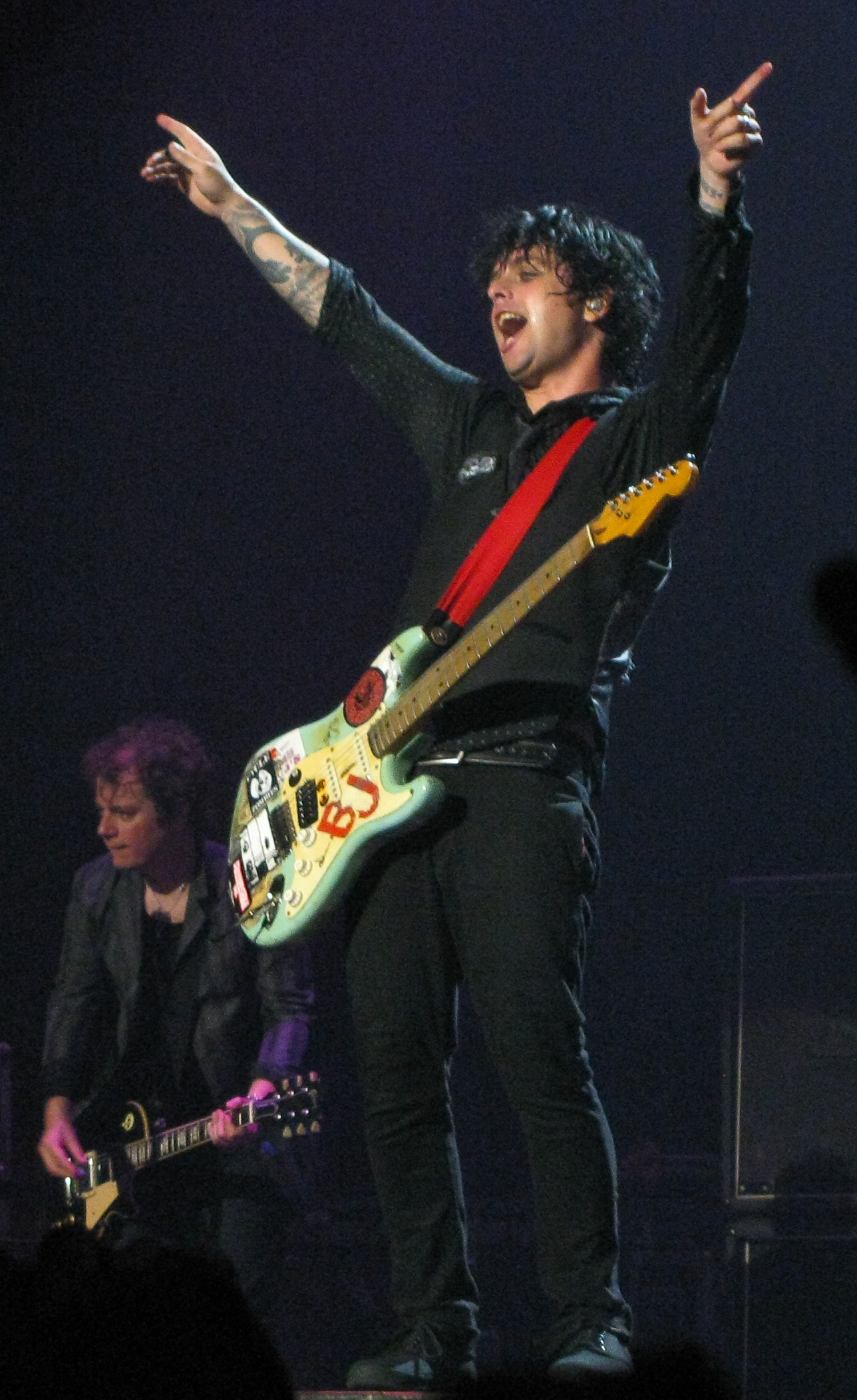
At the center of that sound is Billie Joe Armstrong’s approach to electric guitar tone: a strong, immediate attack, plenty of upper-mid presence, and distortion that feels focused rather than splattered. In practice, that means the guitar can sit above toms, bass, and vocal harmonies without needing endless EQ surgery. For producers, that is a gift. For players, it feels like the amp is doing half the arrangement work.
What the Gear Does Well: Punch, Midrange, and Consistency
Green Day’s signature guitar production hinges on gear that emphasizes consistency over novelty. The core job of the amp and guitar chain is to create a solid wall of rhythm guitars that is loud but still articulate. That means the gear needs to do three things especially well.
First, it needs fast transient response. Punk rhythm parts rely on the pick attack defining the groove. If the amp compresses too softly or the pedals smear the front edge of the note, the part loses urgency. Green Day’s tones tend to keep the initial strike intact, which is why palm-muted eighth-note lines feel so locked in.
Second, it needs a strong midrange contour. A scooped metal tone can sound massive soloed, but punk guitars have to compete with vocals, snare, cymbals, and bass guitar. A focused midrange gives the riffs presence and lets chords speak clearly. That “bite” is a major reason the tone cuts on records like Dookie, Insomniac, and American Idiot.
Third, it needs reproducibility. Producers love gear that can be set up, miked, and recalled with minimal drama. High-gain amps with a usable sweet spot, paired with straightforward pedalboard choices, make it easier to track multiple takes without the tone wandering. That reliability is part of why the sound became so durable in rock production.
The Amp Philosophy: Tight, Loud, and Not Too Pretty
Green Day’s recorded guitar identity is commonly associated with loud, high-headroom amps and an unapologetic punk attitude. The exact rig has evolved over time, but the production logic stays consistent: use an amp that can stay defined under gain, then drive it hard enough to create grit and urgency.
Mesa/Boogie-style amplification has been a major part of the conversation around Billie Joe Armstrong’s tone, especially because those amps tend to deliver a controlled low end, assertive mids, and distortion that still reads as “string” rather than “static.” That matters a lot in punk. You want the chord shape to remain audible even when the drummer is hitting full force and the bass is moving like a freight train.
For producers, this kind of amp is useful because it minimizes corrective mixing. If the distortion is already focused in the right frequency zones, you spend less time carving out mud around 200–400 Hz and more time deciding how wide the guitars should feel in the stereo field. In other words, the amp is already doing part of the mix engineer’s job.
The Guitar Side: Simple Instruments, Big Results
The best punk tones rarely come from complicated guitars. Green Day’s approach is a good reminder that the instrument choice matters less than how well it drives the rest of the chain. A solid, humbucker-equipped guitar with a stable bridge and reliable tuning can be more valuable than a boutique oddball that looks cool but falls apart under aggressive downstrokes.
What matters is output and feel. A guitar that pushes the front end of the amp cleanly and remains stable under hard picking will give you that authoritative crunch. The tone is not about hyper-detailed boutique sparkle. It is about a dependable mechanical relationship between pick, string, pickup, and amp. That relationship is why Green Day’s guitars can sound compact and huge at the same time.
There is also a performance component here. Billie Joe’s rhythm playing is famously percussive and economical. The guitar tone is built around that physicality. If you play the parts with too much legato or too little pick control, the sound stops feeling like Green Day even if you use the “right” amp sim. The gear works because the playing style and the sound design are aligned.
Pedals and Processing: Less Obvious Than You Think
One of the most useful lessons from Green Day’s production is that the guitar sound does not depend on an elaborate pedal circus. In many punk and alternative rock contexts, a short signal path wins. The more stages you add, the more chances you have to blur the rhythmic front edge.
That said, pedals can still matter when used strategically. A boost can tighten the amp’s response. A simple overdrive can help shape attack and saturation. Noise management is critical, especially when tracking layered rhythm guitars. But the overall philosophy remains the same: use processing to refine the tone, not to invent it from scratch.
In the mix, producers often reinforce the recorded tone with subtle EQ and compression rather than radical surgery. High-pass filtering can clear room for bass and kick. A small presence lift can help riffs translate on smaller systems. But the core guitar character should already be present on the track before the mix even starts.
Why Producers Like This Tone in the First Place
From a production standpoint, Green Day’s guitar sound is valuable because it behaves. It takes distortion well, layers cleanly, and remains intelligible when stacked across multiple tracks. That makes it ideal for big chorus sections where the guitars need to support vocal hooks without competing with them.
There is also a psychological component. Punk rock guitars should feel reckless, but the best records are usually tightly engineered. Green Day sits in that sweet spot where the performance sounds spontaneous while the production is carefully controlled. That balance lets the band sound huge without losing the momentum that makes punk exciting.
When producers chase this kind of sound, they are often chasing a specific kind of arrangement clarity. The guitars are wide and aggressive, but they are not random. The tone leaves room for melody, backing vocals, and dynamics. That is why the sound lasts: it is brutally simple, but not simplistic.
Practical Takeaways for Recreating the Sound
If you want a Green Day-inspired punk guitar tone in your own setup, start with the basics and resist overcomplicating it.
- Use a guitar with stable tuning and humbucker-style output to keep the amp driven consistently.
- Choose an amp or amp sim with strong mids and controlled low end rather than ultra-scooped saturation.
- Keep gain moderate; too much distortion can soften the attack and blur fast rhythm parts.
- Double-track rhythm guitars tightly for width, but avoid sloppiness that makes the stereo image smear.
- High-pass carefully so the guitars stay aggressive without stepping on bass or kick drum fundamentals.
- Play with a hard pick attack and disciplined muting; the performance is part of the tone.
If you are using plugins, look for amp sims that emulate tight classic rock or punk-friendly high-gain circuits rather than modern djent-style precision. Add cabinet IRs with strong midrange character, and avoid overloading the chain with extra saturation unless the track truly needs it. The goal is punch, not fog.
Why This Sound Still Works
Green Day’s punk guitar tone remains relevant because it solves a problem every rock producer faces: how do you make guitars sound reckless without losing the song? The answer is gear that emphasizes attack, mids, and reliability, paired with musicians who know how to play with discipline inside the chaos.
That combination is why the sound has lasted across eras, from early punk crossover records to arena-sized rock productions. The gear is doing real work: it makes the guitars loud, the riffs readable, and the mix easier to trust. In modern production, that is the difference between a guitar tone that merely sounds angry and one that actually powers the record.
Image: Billie Joe Armstrong 2.jpg | https://www.flickr.com/photos/anirudhkoul/3734371003/ | License: CC BY 2.0 | Source: Wikimedia | https://commons.wikimedia.org/wiki/File:Billie_Joe_Armstrong_2.jpg