Inside DJ Snake’s Global Hit Machine: Bass Design, Drop Architecture, and Borderless Groove
DJ Snake’s records don’t just hit hard—they translate across clubs, festivals, and streaming playlists because every element is built for impact. Here’s a detailed look at the workflow, sound design choices, and arrangement tactics behind his global production formula.
The Architecture Behind DJ Snake’s Cross-Border Sound
DJ Snake’s best records share a rare quality: they feel enormous without sounding cluttered. Whether the track leans club, trap, reggaeton, or festival pop, the production is usually built around a simple idea executed with ruthless precision. That’s the real key to his global reach. The songs are engineered for instant recognition, with every sound serving impact, rhythm, or emotional lift.
What makes DJ Snake such an effective hitmaker is not just his taste, but his ability to translate local rhythmic identities into a mainstream, high-pressure arrangement language. He understands how to combine heavyweight low end, sharply edited percussion, and an unforgettable motif so the record lands in a club, on radio, and in a TikTok clip without losing character. The production is modular, direct, and built for replay.
Start with a Hook That Can Survive Everything
A DJ Snake track usually begins with a hook that can function in multiple environments. That might be a vocal phrase, a synth riff, a horn line, or a rhythmic motif that becomes the identity of the record. The crucial thing is that the hook is not overloaded with harmony. It’s designed to be memorable at first listen and still effective after the drop gets stripped down for a remix, live set, or radio edit.
In practical terms, that means a producer studying this workflow should think in terms of one dominant musical statement per section. DJ Snake-style arrangements rarely depend on dense chord movement. Instead, they often rely on a looped idea with strong timbre and rhythm, then escalate intensity through drum layers, bass movement, and automation. It’s a smart approach because the ear can lock onto one anchor while the arrangement evolves around it.
Bass First: The Low End Is the Record’s Engine
One of the defining features of DJ Snake’s sound is the bass design. The low end is usually not just sub support; it’s part of the groove and the identity. In festival records, that often means a punchy mid-bass layer paired with a controlled sub. In more rhythm-driven tracks, the bass may be more percussive, almost answering the kick rather than just reinforcing it.
The production lesson here is simple: design bass for translation, not just loudness. A modern DJ Snake-style bass usually needs three things. First, a clean sub that holds together on large systems. Second, a harmonic layer that remains audible on phones and laptop speakers. Third, envelope shaping that gives the bass a clear rhythmic contour. This is where many producers go wrong—they build a huge bass patch, but it becomes a blur once the kick and vocal arrive. DJ Snake’s records are often mixed so the bass has authority without swallowing the mix.
If you’re building this approach in a DAW, think about layering a sine or triangle sub with a more aggressive mid-bass source, then using saturation to make the upper harmonics speak. Distortion, when used well, isn’t about making the bass dirtier for its own sake. It’s about helping the line survive compression, limiting, and dense arrangement contexts.
Drums That Hit Hard Without Filling Every Gap
The drum programming in DJ Snake’s productions is often more disciplined than it first appears. The kick is usually decisive, the snare or clap is placed for maximum snap, and the hats and percussion create momentum without overcomplicating the grid. There’s a lot of negative space in his records, which is part of why the drums feel bigger than they are.
A good way to study this style is to focus on spacing. The kick often acts as the structural spine, with percussion accents bringing motion and syncopation. Instead of stacking endless drum samples, the arrangement may lean on a few carefully chosen sounds with strong transient definition. That allows the mix to stay open enough for bass and vocal energy.
Producers chasing this feel should pay attention to drum tuning and sample selection. A kick with too much low-mid buildup can cloud the bass relationship, while a snare with a weak transient can disappear once the drop arrives. DJ Snake’s production sensibility suggests a strong preference for sounds that already work before processing. Compression and EQ refine the picture; they don’t rescue weak source material.
Hybrid Sound Design: Festival Energy Meets Regional Flavor
DJ Snake’s biggest records often succeed because they feel globally fluent. He frequently blends Western EDM structures with rhythmic or melodic ideas borrowed from reggaeton, Arabic, Indian, Caribbean, or Latin frameworks. The production doesn’t treat these elements as decoration. They are central to the groove and often determine the emotional identity of the record.
This hybrid approach matters because it prevents the song from sounding generic. A Latin-inspired percussion loop, a Middle Eastern melodic inflection, or a vocal sample with strong rhythmic identity can completely change how a drop feels. DJ Snake knows how to frame those elements inside a format that still behaves like a pop or club record. The result is accessibility without flattening the source material.
For producers, the takeaway is to think about cultural reference as part of arrangement, not just sound selection. A percussion pattern can define the pocket. A modal melody can define tension. A vocal chop can define the hook. When those components are arranged with discipline, you get a track that feels familiar and fresh at the same time.
Arrangement Is the Secret Weapon
DJ Snake’s workflow seems to favor momentum over complexity. The arrangements are built to move quickly, often with clear section changes and decisive drops. That means intros tend to establish identity fast, builds are designed to create anticipation rather than confusion, and drops usually arrive with enough contrast to feel physically impactful.
One reason this works so well is that DJ Snake understands the modern attention economy. A record has to make sense in the first 10 to 20 seconds, but it also needs enough shape to sustain a full listen and a live set reaction. That balance requires arrangement discipline. Every extra bar must justify itself.
In many cases, the transition tools are just as important as the main sounds. Risers, filtered repeats, vocal throws, reverse impacts, and silence are used strategically to create drama. These are not just fills—they are part of the groove architecture. If you remove them, the drop may still function, but it won’t feel as inevitable.
Mixing for Size, Not Just Detail
The mix aesthetic associated with DJ Snake is generally wide, punchy, and high-contrast. That usually means a tight center image for kick, bass, and lead vocal, with atmospheric or rhythmic elements spread across the stereo field. Reverb is used selectively to create scale, but the core rhythm section remains relatively dry so it can hit hard.
Another notable trait is controlled brightness. Many hit records die by over-sharpening, but DJ Snake-style production often keeps the top end energetic without becoming brittle. That takes careful gain staging, tasteful saturation, and a willingness to leave space. If every element is hyped, nothing feels big. His tracks tend to work because the loud parts are contrasted against cleaner, leaner sections.
For mix engineers, this is a reminder that punch is often a product of subtraction. The biggest sound is not always the most layered one. It’s the one where the key elements have room to speak clearly.
What Producers Can Steal from the Workflow
The practical lesson from DJ Snake’s hitmaking method is not to copy his sounds literally. It’s to copy the priorities. Start with one unforgettable motif. Build the bass so it translates everywhere. Keep the drums clean and functional. Use regional rhythmic or melodic identities with intention. And arrange the track so each section earns its place.
That workflow is especially valuable in a modern production environment where tracks compete on streaming platforms, club systems, and social media snippets all at once. DJ Snake’s records are built for that reality. They’re concise, heavy, rhythm-forward, and adaptable. That’s why they travel so well.
If you want to produce in that lane, focus less on piling on more elements and more on creating a record with a clear sonic hierarchy. The best DJ Snake-inspired tracks do not feel crowded. They feel inevitable.
The Real Formula: Clarity, Contrast, and Cultural Lift
DJ Snake’s global success is not just a matter of branding or collaboration strategy. The production itself is tuned for mass appeal without sacrificing character. His tracks work because they pair bold sound design with disciplined arrangement and a deep understanding of rhythm as a universal language.
That’s the production lesson worth taking seriously. The path to a global hit is rarely about making everything louder. It’s about making the important things impossible to ignore.
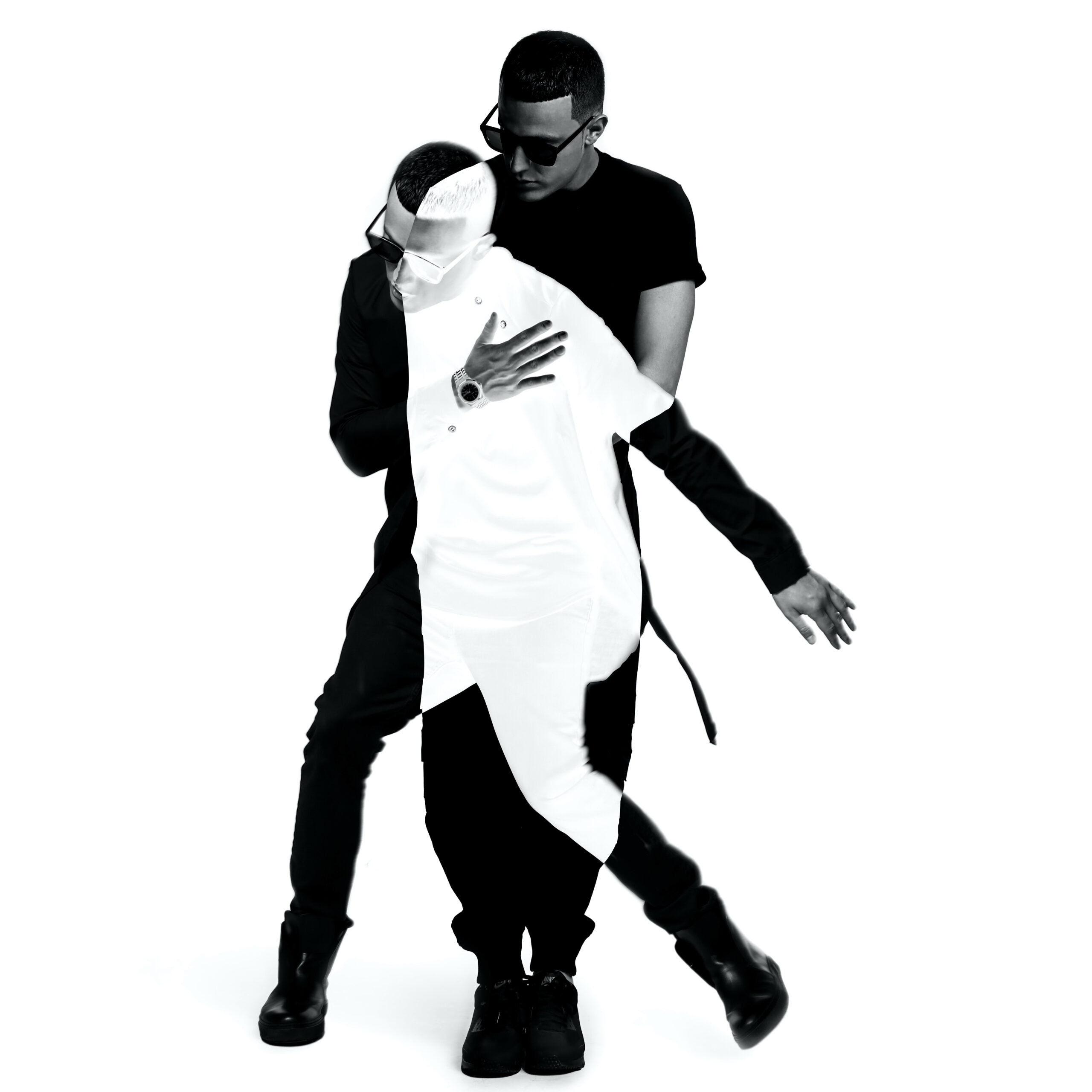
Image: DJ Snake 2015.jpg | Own work | License: CC BY-SA 4.0 | Source: Wikimedia | https://commons.wikimedia.org/wiki/File:DJ_Snake_2015.jpg