Grunge’s Loudest Lesson: The 10 Albums That Defined the Genre
Grunge wasn’t just a style—it was a production revolt, a songwriting reset, and a masterclass in controlled chaos. Here’s how the 10 essential grunge albums stack up, and what producers can still steal from their sound.
Why Grunge Still Matters in the Control Room
Grunge gets talked about like a fashion trend—flannel, fuzz, and attitude—but the genre’s real power was technical. It changed what listeners expected from rock records. Suddenly, heavy guitars didn’t need the hyper-polish of arena metal, vocals could sound strained instead of pristine, and the best mixes often felt like they were barely holding together. That aesthetic wasn’t accidental. It was a production language built from garage-band rawness, classic rock muscle, punk tempo, and a willingness to leave edges exposed.
Ranking grunge albums is always going to provoke arguments, because the genre is defined as much by attitude as by sonics. But if you’re looking at the records that mattered most—artistically, culturally, and sonically—there’s a clear top tier. Below, we’re ranking the 10 best grunge albums not just by popularity, but by influence, songwriting, sound design, and how well each record still holds up in a modern studio context.
10. Mudhoney — Every Good Boy Deserves Fudge (1991)
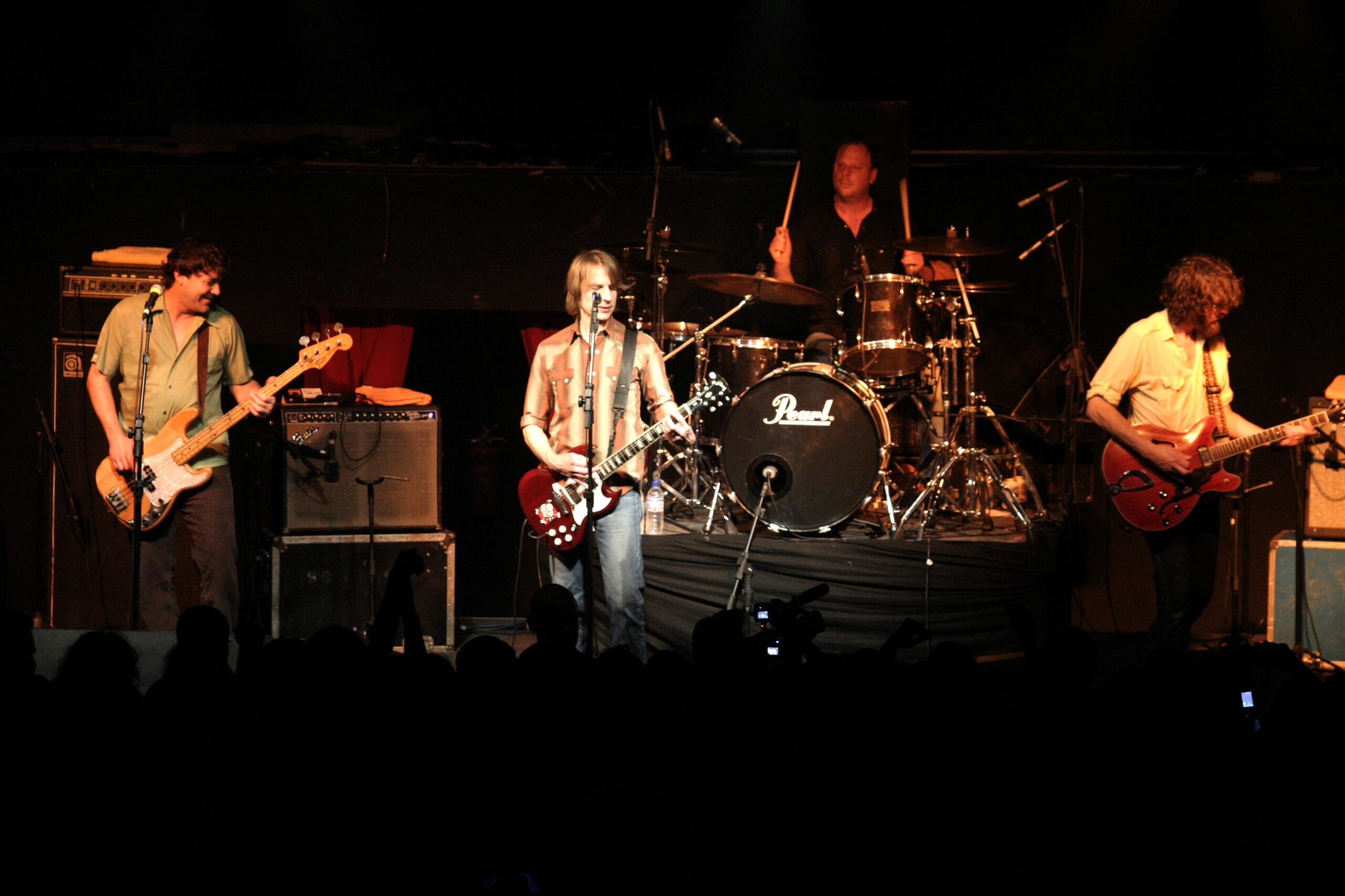
Transferred from en.wikipedia | License: CC BY-SA 2.0 | Source: Wikimedia | https://commons.wikimedia.org/wiki/File:Mudhoney_June_2007.jpg
Mudhoney never got the commercial scale of their peers, but they were one of the scene’s purest distillations of dirt, sarcasm, and blown-out guitar tone. Every Good Boy Deserves Fudge sounds like a band daring the mix to collapse. The guitars are ragged, the vocals are half sneer, half howl, and the whole thing feels like it was tracked with the red light left on long enough to capture the room’s dust.
From a production standpoint, the album is useful because it proves that texture can be the hook. If you’re building grunge-inspired tracks today, Mudhoney is a reminder that saturation, bleed, and imperfect performance can communicate more personality than endless editing.
9. Temple of the Dog — Temple of the Dog (1991)
This is technically a one-off tribute project, but its place in grunge history is too central to ignore. With Chris Cornell’s towering vocal performances and the Seattle core that would help shape Pearl Jam, the record bridges grief, heaviness, and melodic sophistication. It’s also one of the genre’s most dynamic mixes, with a wide emotional range that moves from intimate verses to explosive choruses without losing clarity.
The production lesson here is arrangement discipline. The songs leave space for the voice to do the heavy lifting, and the guitars often support rather than dominate. For producers, that’s a useful counterpoint to the “all guitars all the time” grunge stereotype.
8. Screaming Trees — Sweet Oblivion (1992)
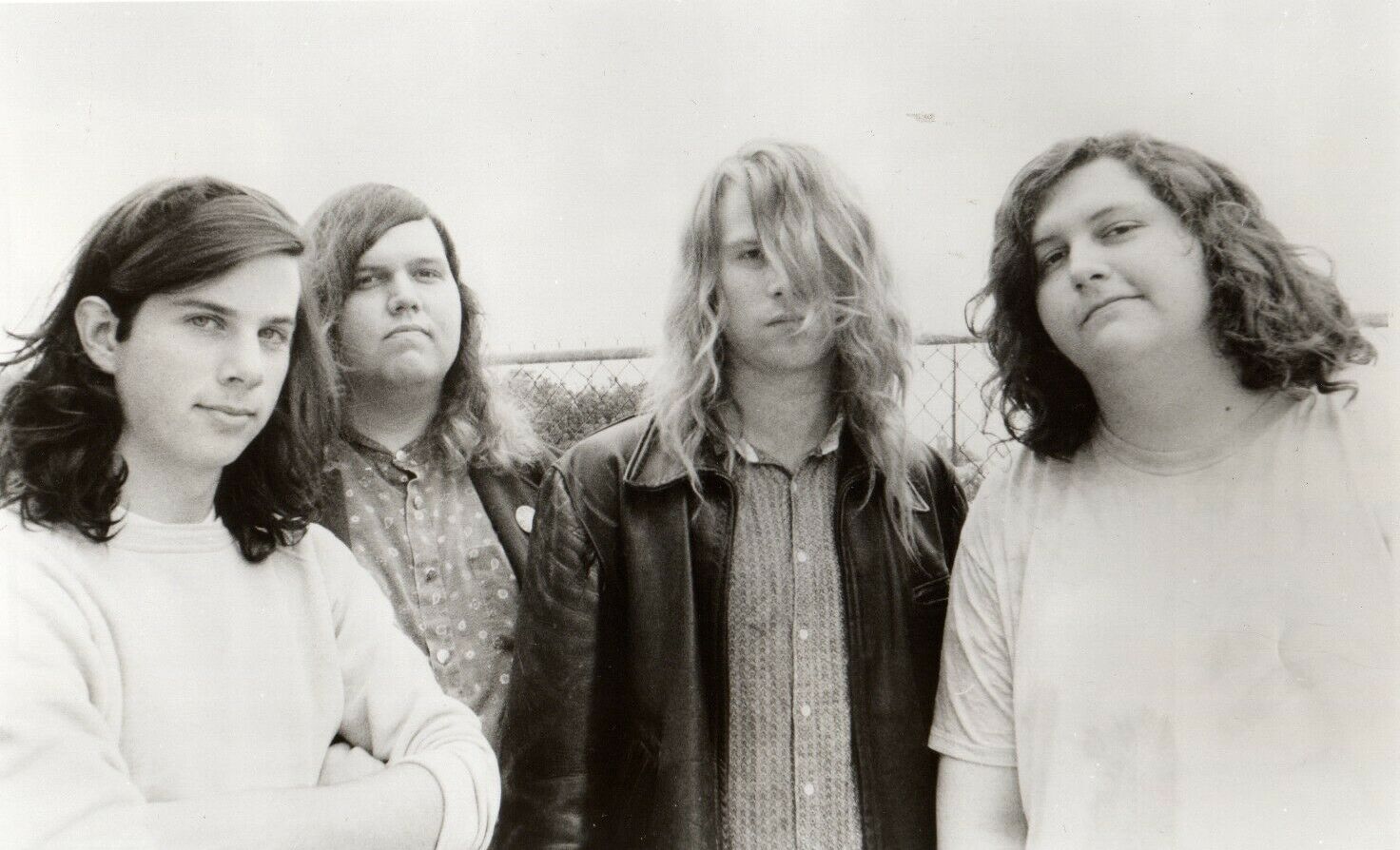
archive | License: Public domain | Source: Wikimedia | https://commons.wikimedia.org/wiki/File:Screaming_Trees_(1980s_SST_promo_photo).jpg
Sweet Oblivion is one of grunge’s most underrated records, and it benefits from a slightly more polished approach than some of its peers. Mark Lanegan’s voice sounds weathered in a way that feels almost cinematic, while the band’s songwriting leans into psychedelic undertones and classic-rock structure. The result is a record that’s heavy without sounding muddy.
In mix terms, this album is about depth. The guitars are stacked without swallowing the vocal, and the drum sound has enough punch to anchor the songs without becoming overly compressed. If you like records that balance atmosphere with impact, this one is a blueprint.
7. Tad — Inhaler (1993)

Tad were one of the heaviest bands in the Seattle orbit, and Inhaler is the kind of album that sounds physically thick. The riffs are sludgy, the tempos often feel like they’re dragging a chain, and the low end is unapologetically huge. It’s less about hooks and more about weight.
For producers, Inhaler is a case study in making heaviness feel dimensional. Instead of flattening the guitars into a single wall, the album lets the bass and kick drum define the floor while the guitars occupy a grimy midrange. That separation is what keeps the record from turning into indistinct noise.
6. Alice in Chains — Dirt (1992)
If grunge had a record that fully embraced doom, addiction, and psychological collapse without sacrificing memorability, it was Dirt. Alice in Chains fused harmonized vocals, Sabbath-sized riffs, and unsettling lyrical imagery into a sound that was both accessible and deeply unsettling. Every part of the record feels intentional, from the crushing guitar tones to the eerie vocal layering.
The production is deceptively clean. The darkness comes not from muddy sonics but from arrangement, harmonic tension, and performance. This is a major lesson for modern heavy production: you don’t have to smear the spectrum to sound heavy. Sometimes the heaviest move is precision.
5. Soundgarden — Badmotorfinger (1991)
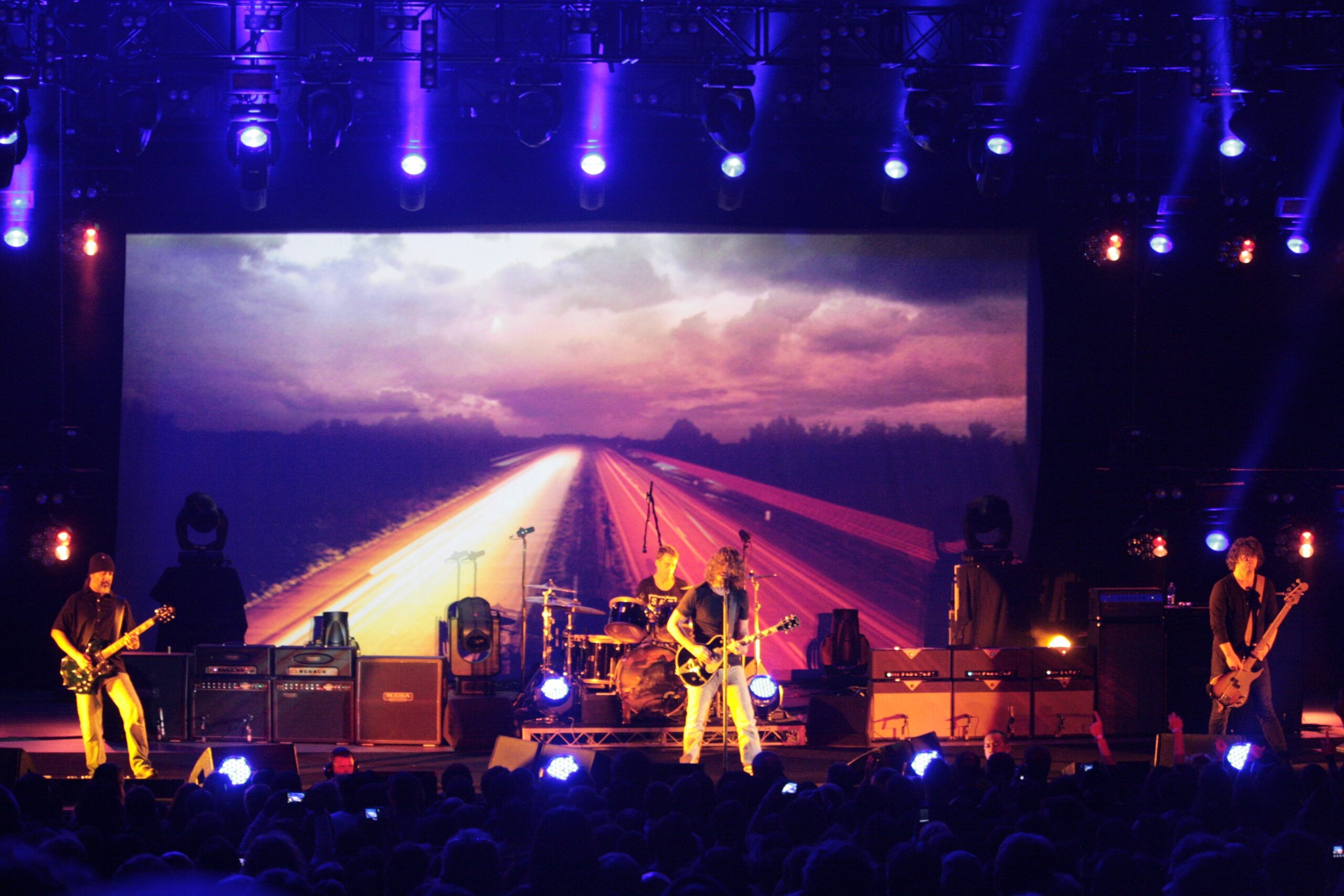
Badmotorfinger is where Soundgarden became a truly monstrous album band. The record is rhythmically complex, sonically enormous, and full of riffs that feel engineered rather than merely played. Kim Thayil’s guitar lines are angular and inventive, while Chris Cornell’s vocal range turns every chorus into a pressure event.
What makes the album stand out in a production sense is its discipline. The songs are dense, but they’re mixed to preserve attack. The drums hit hard, the guitars have bite, and the bass is powerful without clouding the low mids. If you’re producing heavy rock today, this is a reminder that clarity is not the opposite of aggression—it’s often what makes aggression land harder.
4. Pearl Jam — Ten (1991)
Ten is one of the defining rock records of the 1990s, grunge or not. What it lacks in ragged edge compared with the rawest Seattle releases, it makes up for in songwriting ambition, emotional scale, and arena-sized dynamics. From the clean, mournful verses of “Alive” to the explosive release of “Jeremy,” the album is built for catharsis.
In production terms, Ten is all about reverbs, dynamics, and arrangement arc. The drums feel huge, the guitars are layered for width, and the vocal sits forward enough to carry the emotional narrative. It’s the album that showed grunge could be massive without becoming sterile.
3. Soundgarden — Superunknown (1994)
This is the most sonically expansive grunge record on the list. Superunknown doesn’t just hit hard; it explores texture, psychedelia, complexity, and radio-ready structure at the same time. “Spoonman,” “Black Hole Sun,” and “Fell on Black Days” are radically different songs, yet they live comfortably inside the same sonic universe.
The real production achievement here is range. The record moves from crushing riffs to airy space without losing identity. There’s careful use of stereo imaging, layered guitars, and controlled ambience, which gives the album a vast but not washed-out character. If you’re tracking rock in the box and want a reference for how to make dense arrangements feel cinematic, this is mandatory listening.
2. Nirvana — Nevermind (1991)
Nevermind didn’t invent grunge, but it detonated it into the mainstream. The genius of the album lies in contrast: polished enough to hit radio, rough enough to feel dangerous. The quiet-loud dynamic is now cliché because this record made it iconic. But what still matters is how efficiently the songs communicate urgency. Every hook is immediate, every chorus feels like an emotional release valve, and every snare crack has just enough room tone to feel alive.
From a producer’s perspective, Nevermind is one of the best examples of making a band sound bigger than the room without sanding away their identity. The guitars are thick, the drums are huge, and the vocals sit with a kind of exhausted clarity that became an era-defining signature.
1. Alice in Chains — Jar of Flies (1994)
Putting an acoustic EP at number one may seem like a curveball, but Jar of Flies is one of the most sophisticated grunge releases ever made. It redefined what the genre could be emotionally and sonically. Rather than leaning on volume, it uses harmonic tension, subtle dynamics, and immaculate atmosphere to create something devastatingly intimate. The record’s power comes from restraint.
For producers, Jar of Flies is a masterclass in arrangement and tonal control. Acoustic guitars are recorded with enough detail to feel close, but not so much that the mix becomes brittle. The bass and percussion are understated but essential, and the vocals carry a vulnerability that most heavy records never dare to expose. It’s grunge stripped of the armor, and that’s exactly why it ranks at the top.
What These Albums Teach Modern Producers
The best grunge albums weren’t just about distortion pedals and flannel aesthetics. They were about contrast, tension, and a refusal to over-edit the life out of a performance. Whether it’s the sludge of Tad, the precision of Alice in Chains, or the massive dynamics of Nirvana and Pearl Jam, these records all share one thing: they feel human.
If you’re chasing grunge-inspired production today, focus less on copying a preset and more on the underlying decisions. Let guitars breathe in the mids instead of scooping everything out. Keep vocal performances emotional even when they’re imperfect. Use saturation to create density, not just loudness. And most importantly, leave some rough edges in the final mix. Grunge worked because it sounded like people in a room fighting to get the feeling across before it disappeared.
The Bottom Line
Grunge was never a single sound, which is why ranking its albums is so interesting. Some records leaned into sludge, others into melody, some into experimentation, and some into mainstream precision. But the best of them all shared a refusal to sound overcooked. That’s the genre’s enduring production lesson: authenticity in rock often comes from knowing exactly how much polish to leave out.
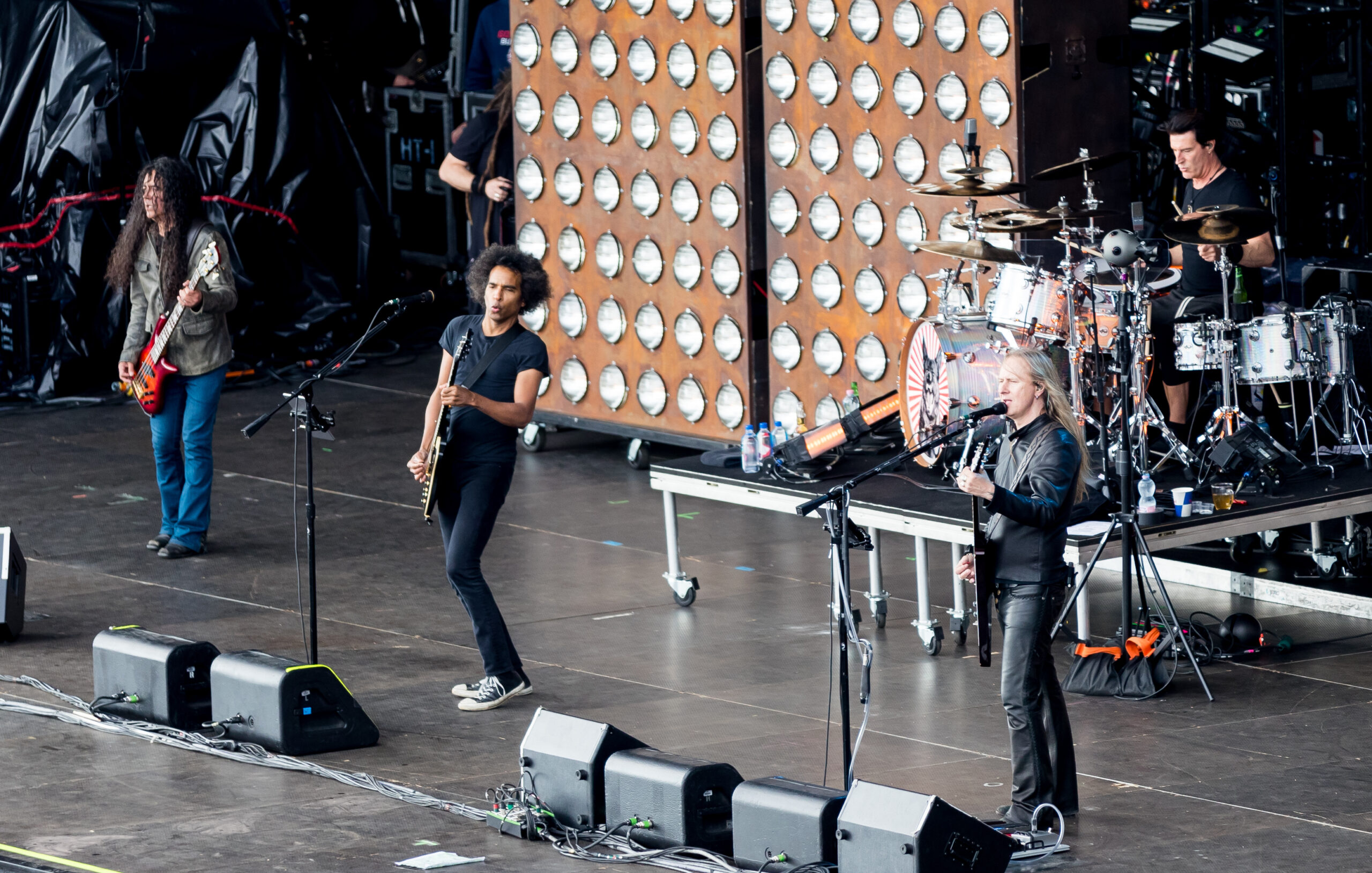
Image: Alice in Chains – 2019-06-07 Rock am Ring (cropped).jpg | Own work | License: CC BY-SA 4.0 | Source: Wikimedia | https://commons.wikimedia.org/wiki/File:Alice_in_Chains_-_2019-06-07_Rock_am_Ring_(cropped).jpg