The 10 Grunge Albums That Still Set the Mix Standard
Grunge wasn’t just a cultural shockwave — it was a production reset. These ten albums defined the genre’s balance of raw performance, sonic weight, and radio-ready clarity, and they still offer a masterclass in guitar tone, drum capture, and emotional arrangement.
Grunge Was a Sound Design Problem Before It Was a Genre
Grunge is often described in broad cultural terms: flannel, disaffection, the early ’90s, anti-gloss. But from a producer’s point of view, it was a surprisingly specific balancing act. The best grunge albums solved a hard problem: how do you capture bands that want to sound heavy, damaged, and live-in-the-room without collapsing into mud?
The answer came from a combination of tuned-down guitars, dynamic drumming, bass parts that often functioned as harmonic glue, and vocals that needed to feel emotionally exposed without being buried. The classic records in this list still matter because they nailed that formula in different ways. Some leaned raw and documentary. Some used studio precision to make chaos feel bigger. All of them changed the way rock records were tracked, mixed, and judged.
This ranking focuses on impact, songwriting, production quality, and how completely each album defined or expanded the grunge template.
10. Stone Temple Pilots — Core (1992)
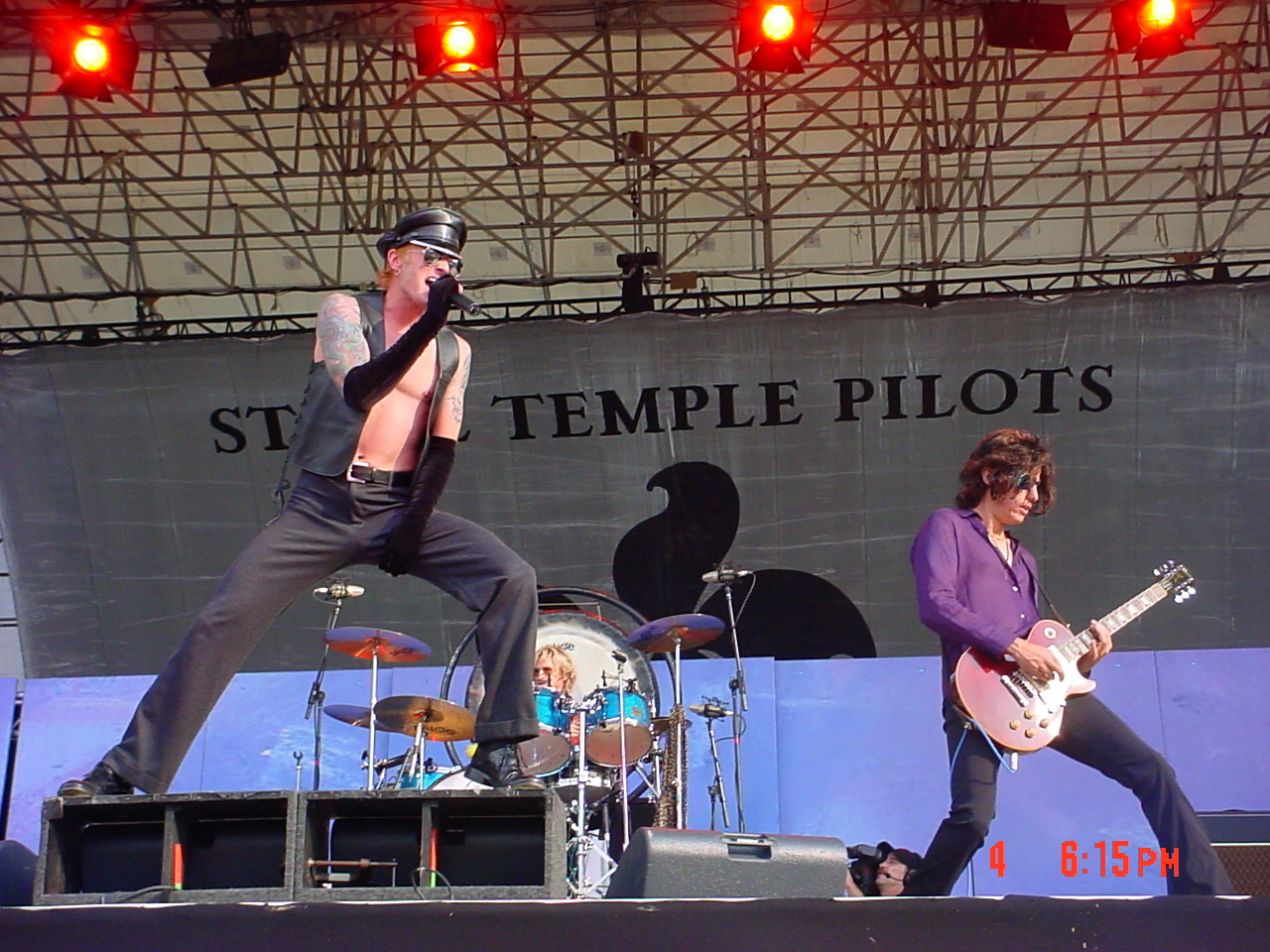
Often debated by purists, Core still earns its place because it translated grunge’s language into something massively accessible without fully sanding off the edges. Brendan O’Brien’s production is the key here: guitars are thick but separated, the low end is controlled, and the vocal stack choices give Scott Weiland a larger-than-life center point.
From a production standpoint, Core is a lesson in making heavy arrangements sound polished without losing tension. The drums punch hard, but the snare isn’t over-limited into modern brick-wall territory. Guitar layers are arranged for contrast rather than sheer density. It’s a record that shows how grunge could be scaled for arenas.
9. TAD — 8-Way Santa (1991)

This is the bruiser’s grunge album. 8-Way Santa is ugly in the best possible way: monolithic riffs, grotesque weight, and a refusal to sweeten anything. If the polished end of the spectrum was about translation, TAD was about preserving the damage.
The production leans into massive low-mid information — the kind that can overwhelm on weak speakers but feels incredible on a system with headroom. What makes it work is the commitment to density. There’s little sense of high-frequency air or decorative detail; instead, the record builds pressure through mass. It’s a reminder that “heavy” in rock production is often more about arrangement and sustain than amp distortion alone.
8. Mudhoney — Every Good Boy Deserves Fudge (1991)
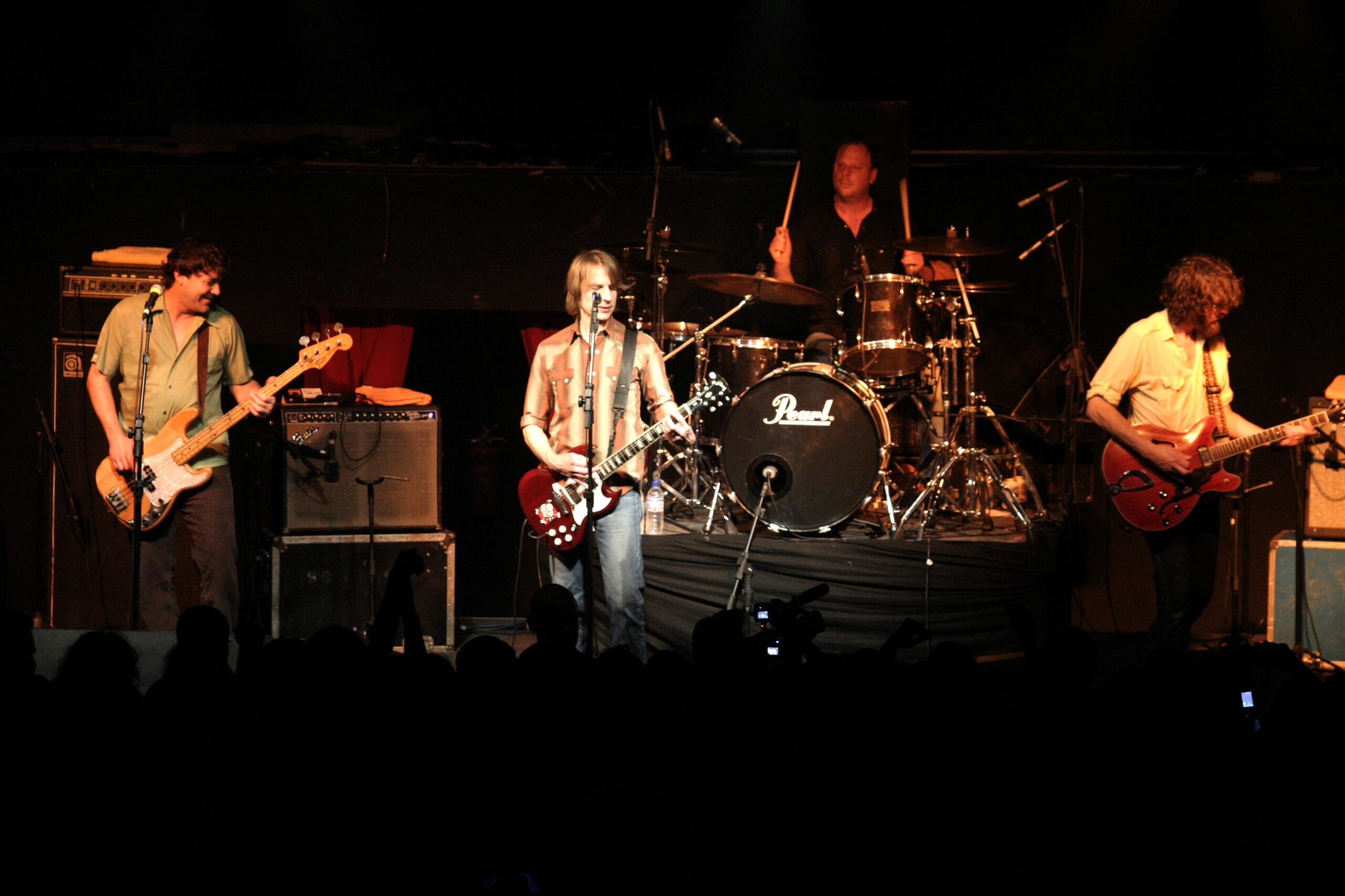
Transferred from en.wikipedia | License: CC BY-SA 2.0 | Source: Wikimedia | https://commons.wikimedia.org/wiki/File:Mudhoney_June_2007.jpg
Mudhoney never chased refinement, and that’s precisely why they matter. Every Good Boy Deserves Fudge captures the garage-punk DNA that sat underneath a lot of grunge before the genre became a major-label export. The record sounds like a band that understands noise as a performance tool rather than an accident.
Production-wise, the album thrives on transient edge. Guitars bite instead of bloom, vocals are ragged and forward, and the whole mix keeps a live-band immediacy that a more clinical approach would have flattened. If you’re chasing the feeling of a room exploding rather than a carefully layered wall of sound, this record is essential reference material.
7. Screaming Trees — Sweet Oblivion (1992)
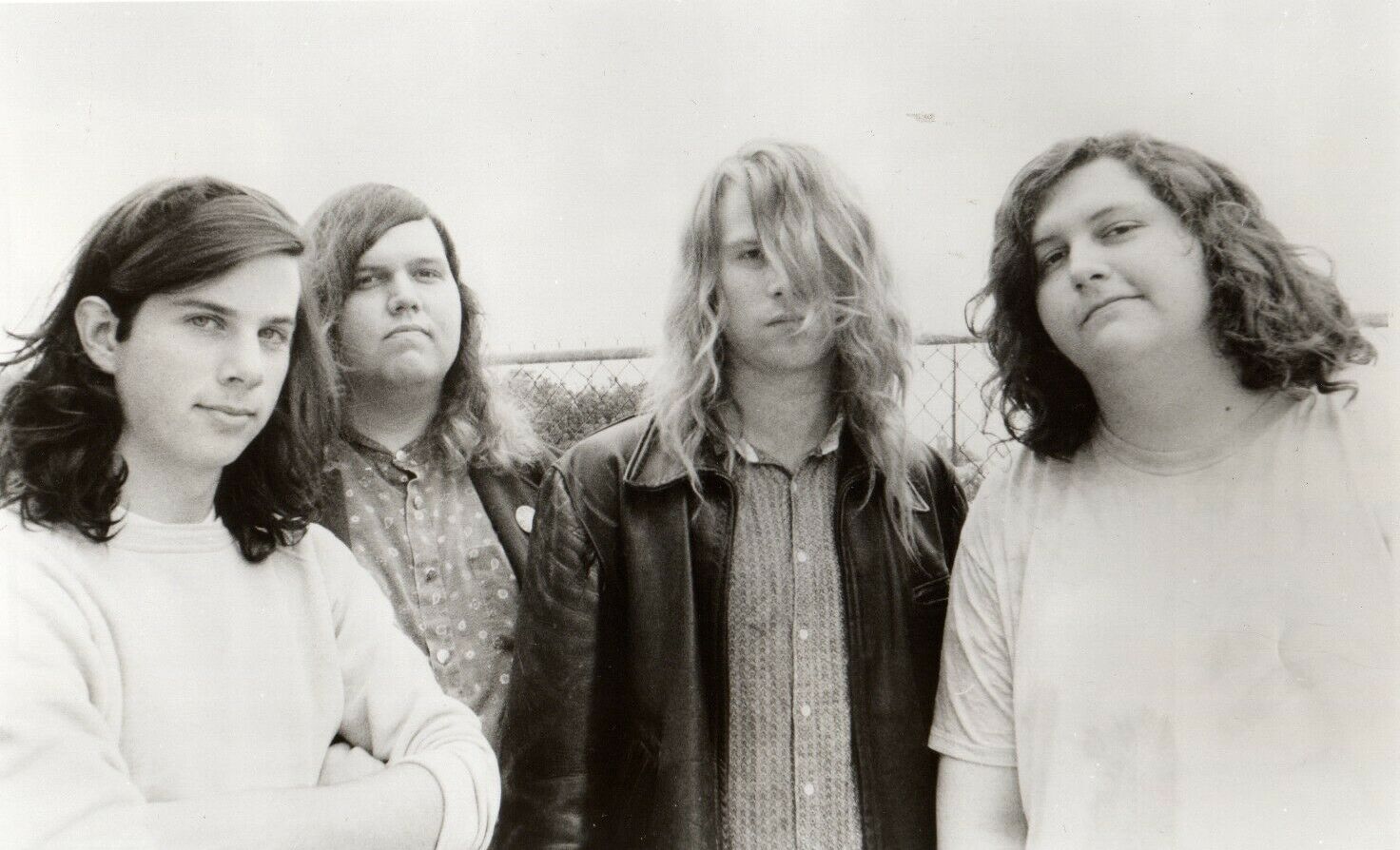
archive | License: Public domain | Source: Wikimedia | https://commons.wikimedia.org/wiki/File:Screaming_Trees_(1980s_SST_promo_photo).jpg
Sweet Oblivion is where grunge starts to absorb classic rock melody without losing its dark weather system. Mark Lanegan’s voice gives the album an older, rougher gravity, while the arrangements push the songs toward a cleaner, more durable shape than many of their peers.
For producers, this album is a masterclass in contrast. The guitars feel wide and emotionally loaded, but the vocal sits with real authority in the center. The low end is less chaotic than on some heavier grunge records, which gives the choruses space to expand. It’s a great example of how to make melancholy sound expensive.
6. Alice in Chains — Facelift (1990)
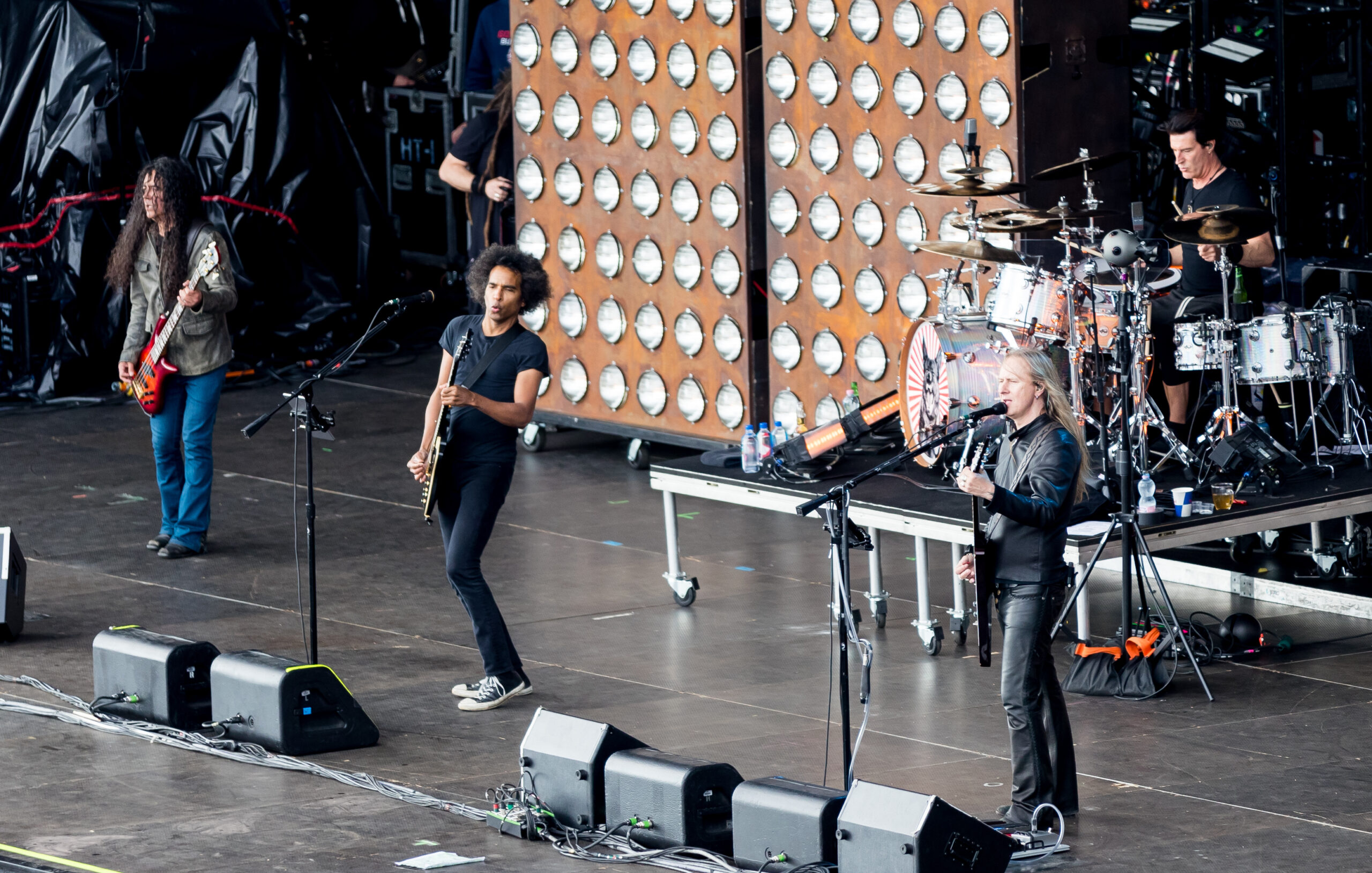
Before Dirt became the obvious answer, Facelift established Alice in Chains as one of the most distinctive bands in the scene. The album fuses metallic riff architecture with a poisonous melodic sensibility, and Jerry Cantrell’s guitar work already sounds like a blueprint for half the heavy alt-rock that followed.
The production lets the riffs carry the weight, but the vocal harmonies are what separate this record from the pack. Those layered lines are not just decorative; they create a haunted harmonic field that makes the choruses feel unstable in a compelling way. If you want to understand how harmony can darken a rock record without resorting to obvious minor-key clichés, start here.
5. Temple of the Dog — Temple of the Dog (1991)
This album is less about genre branding and more about emotional architecture. Built as a tribute to Andrew Wood, it features some of the most resonant performances in the grunge canon, with Chris Cornell and Eddie Vedder creating a vocal chemistry that still feels improbable on paper.
Sonically, the record stands out for its spaciousness. The arrangements breathe, the dynamic range is preserved enough to let the songs rise naturally, and the instrumentation avoids overcrowding. In a genre often associated with density and abrasion, Temple of the Dog proves that grunge could be expansive and reflective without losing intensity. It’s one of the great examples of controlled emotional escalation in rock production.
4. Alice in Chains — Dirt (1992)
If grunge had a definitive studio-era nightmare, Dirt would be it. This album is not just dark; it is meticulously constructed darkness. The guitars are tuned low and recorded with enough separation to make the riffs feel surgical rather than sloppy, while the rhythm section pushes everything forward with a heavy, narcotic drag.
What makes Dirt so enduring is the way it combines polish and poison. The songs are enormous, but they never feel slick. The vocal layering is dense, the hooks are undeniable, and the mix manages to keep the sludge articulate. For producers, it is a near-perfect reference for making a record feel oppressive without sacrificing definition.
3. Pearl Jam — Ten (1991)
Ten is the album that turned grunge into a stadium-level proposition. Pearl Jam’s debut is built on massive choruses, dramatic dynamic shifts, and guitar tones that feel both rooted in classic rock and unmistakably of the moment. It’s a record with serious emotional thrust, and it knows exactly when to pull back and when to detonate.
From a mix perspective, Ten is about scale. The drums are huge without becoming shapeless, the guitars are wide but not obscuring the vocal, and the mastering preserves enough impact for the songs to breathe. What producers can learn here is simple: if the arrangement is strong, you do not need constant sonic aggression to make a track feel monumental.
2. Soundgarden — Badmotorfinger (1991)
This is where grunge gets technically formidable. Badmotorfinger is a record of odd meters, shifting accents, ferocious riffing, and Chris Cornell delivering one of the most physically powerful vocal performances in rock history. It is less about mood alone and more about precision under pressure.
What makes the album special is how well it balances complexity and weight. The guitars are tuned, layered, and arranged with enough discipline to keep the songs legible despite their density. The drums hit like machinery, but they still swing. If you’re looking for an album that demonstrates how progressive instincts can coexist with brute-force rock production, this is a benchmark.
1. Nirvana — Nevermind (1991)
Putting Nevermind at number one is not about saying it is the heaviest or most musically complex grunge album. It is about recognizing the record that solved the genre’s central production problem more completely than any other: how to make raw emotion, noisy guitars, and a punk-derived performance style feel universally legible.
Butch Vig’s production is famously clean for a record with this much attitude, and that cleanliness is the point. The drum sound is massive, the guitars are carefully layered for impact, and the vocal sits exactly where it needs to sit to make every chorus land. The album’s genius lies in contrast — quiet passages that make the explosions feel bigger, melodic hooks that keep the aggression approachable, and a mix strategy that never lets the chaos blur into formlessness.
For musicians and engineers, Nevermind remains a reference in controlled impact. It shows that heaviness is not just about gain staging or distortion; it is about arrangement, dynamics, and knowing when to let space do the work.
What These Albums Still Teach Producers
These records continue to matter because they are not just historical artifacts. They are solutions to enduring production problems. How do you make distorted guitars articulate? How do you keep drums huge without choking the mix? How do you preserve emotional urgency while still giving the song commercial scale?
The best grunge albums answer those questions in different ways. Nevermind uses contrast and polish. Dirt uses controlled density. Badmotorfinger uses precision and power. Ten uses dynamic architecture. Together, they form a playbook that still applies anywhere guitars, vocals, and lived-in emotion need to hit hard without turning to mush.
If you’re listening as a producer, pay attention not just to the songs, but to the space around them: drum decay, vocal placement, guitar layering, and the exact moment a chorus opens up. That is where grunge lives — and where its best records still teach us something useful.
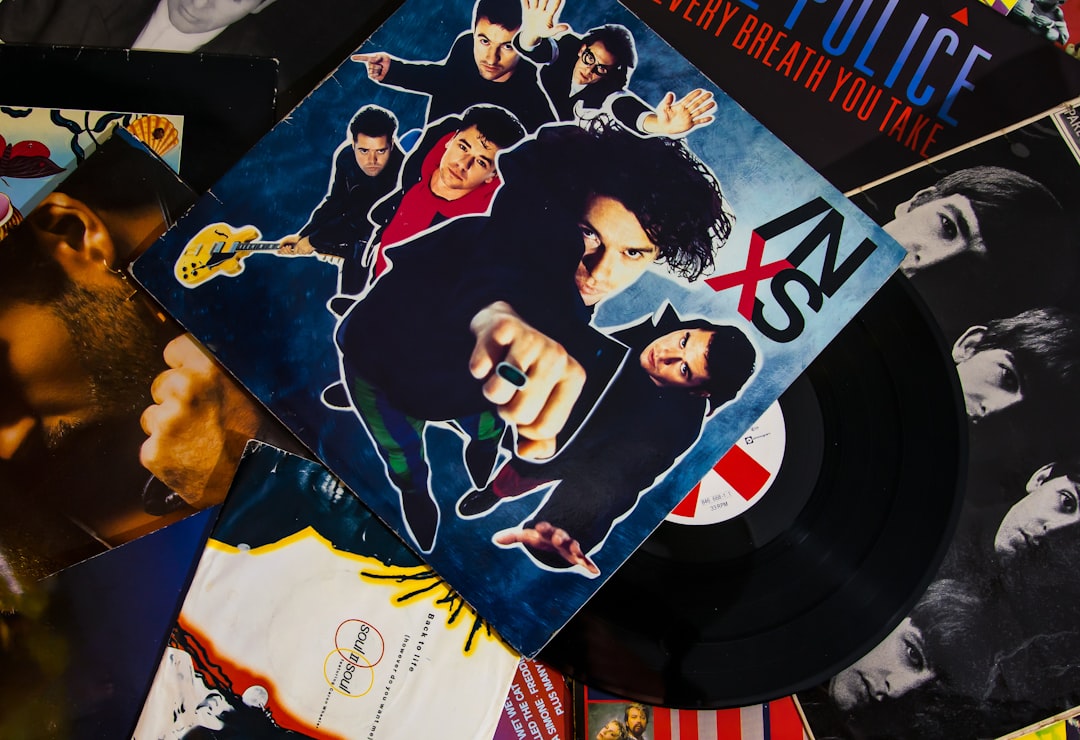
Image: Vinyl Records and album covers | Robert Stump | License: Unsplash License | Source: Unsplash | https://unsplash.com/photos/blue-white-and-red-mickey-mouse-print-textile-FAJbNf2J6cY