The Grunge Mix Blueprint: 10 Albums That Defined the Sound, Ranked for Producers
Grunge wasn’t just a scene—it was a production problem with a lasting answer: how to make heavy guitars, ragged vocals, and loose drums feel huge without polishing away the damage. Here are the 10 essential grunge albums, ranked by impact, sound design, and what producers can still learn from them today.
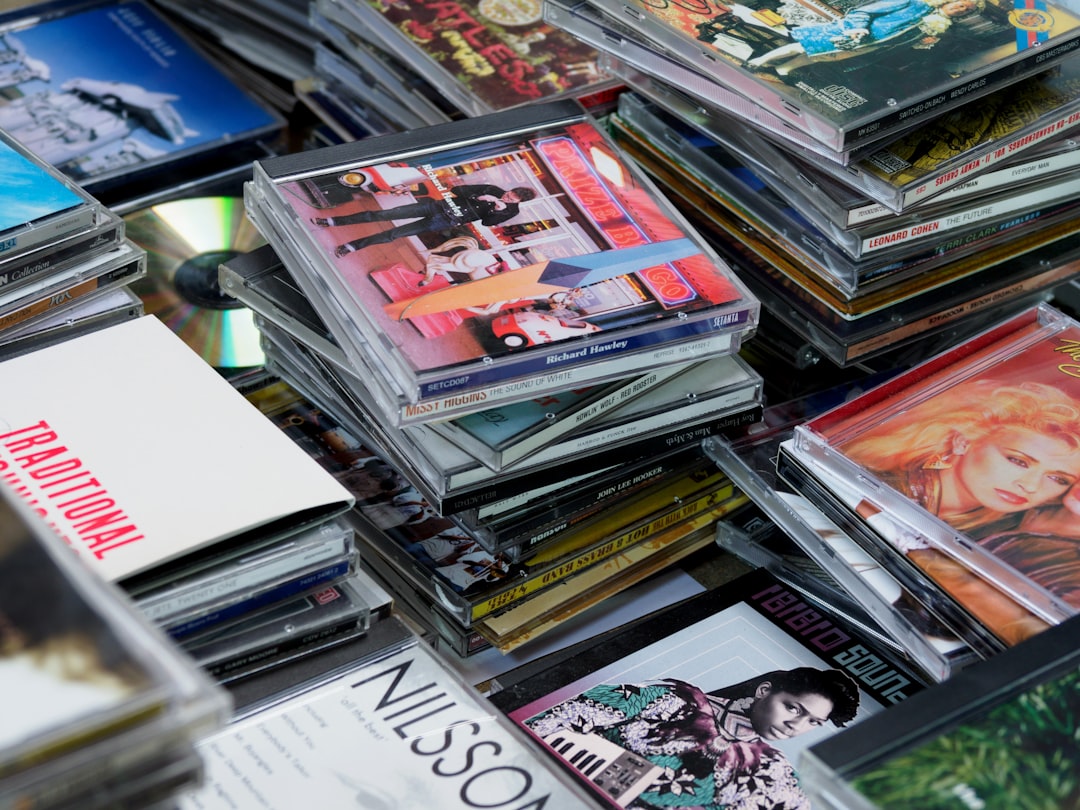
Grunge is often described as a style, but in the studio it was more like a set of competing priorities: aggression without metal precision, intimacy without acoustic fragility, and sloppiness that still had to survive radio, MTV, and major-label budgets. The albums below didn’t just define a scene in the Pacific Northwest. They established a durable production language—one that modern engineers still borrow whenever they want a record to feel loud, human, and a little unstable in the best possible way.
This ranking isn’t just about popularity or chart performance. It weighs three things: how fully each album captured the grunge aesthetic, how innovative the recording and mix choices were, and how much practical value the record still offers producers today. If you care about drum room, distorted guitar layering, vocal placement, or making a mix feel expensive without sounding overworked, these records are a masterclass.
10. Mudhoney – Superfuzz Bigmuff (1988)
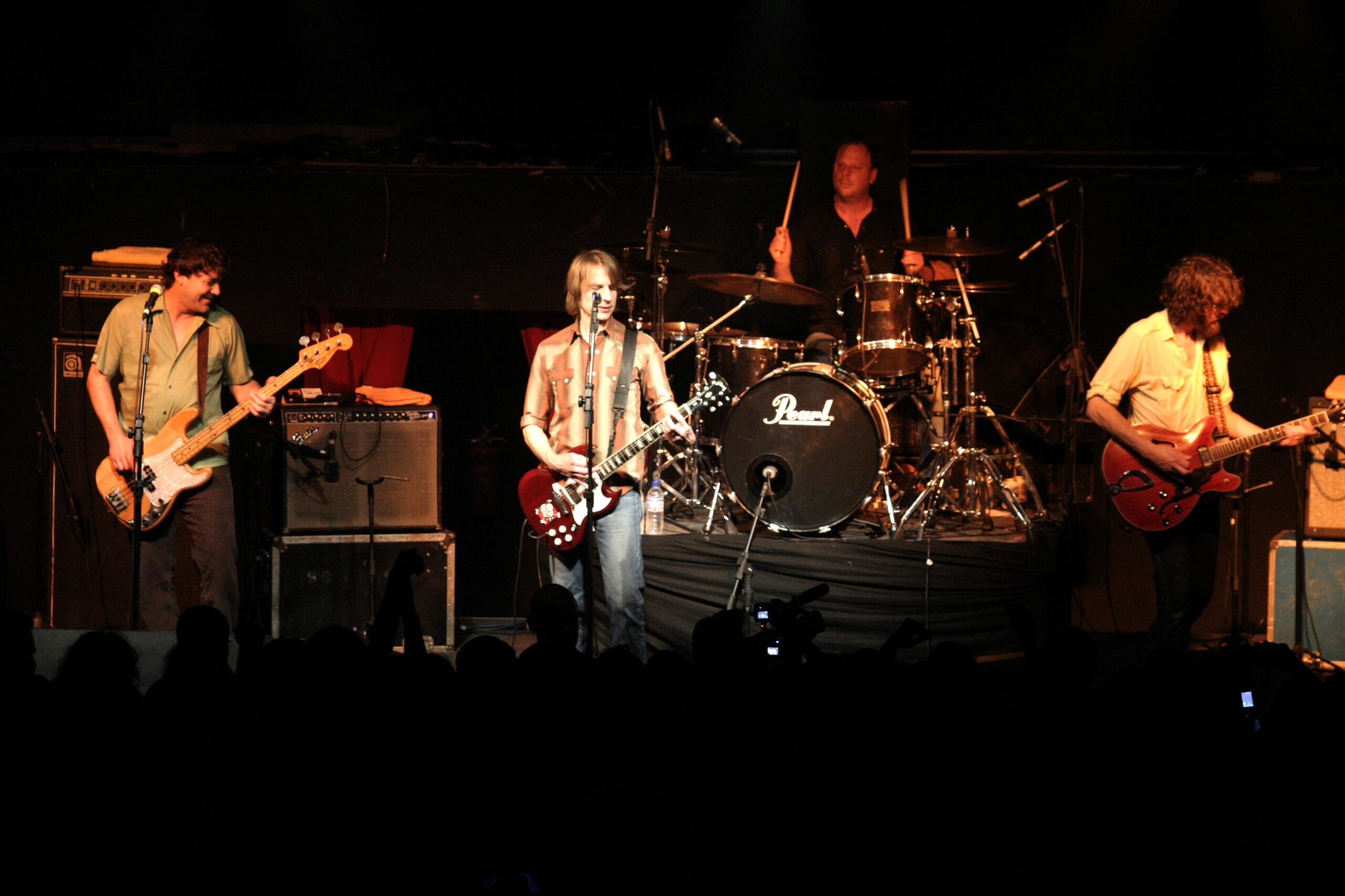
Transferred from en.wikipedia | License: CC BY-SA 2.0 | Source: Wikimedia | https://commons.wikimedia.org/wiki/File:Mudhoney_June_2007.jpg
If grunge had a fuzz pedal thesis statement, this would be it. Mudhoney’s debut EP is less polished than the albums that follow, but that’s exactly why it matters: the sonic template is all attack, saturation, and unapologetic midrange. The guitars feel like they’re clipping the walls, and the whole record sounds built from instinct rather than arrangement logic.
For producers, the lesson is that raw tone only works if the bandwidth is intentional. The bass and guitars occupy overlapping space, but the mix survives because the performances are so committed. You can hear how distortion itself becomes arrangement. Instead of carving every instrument into a pristine pocket, the record leans into density and lets energy do the organizing.
9. Screaming Trees – Sweet Oblivion (1992)
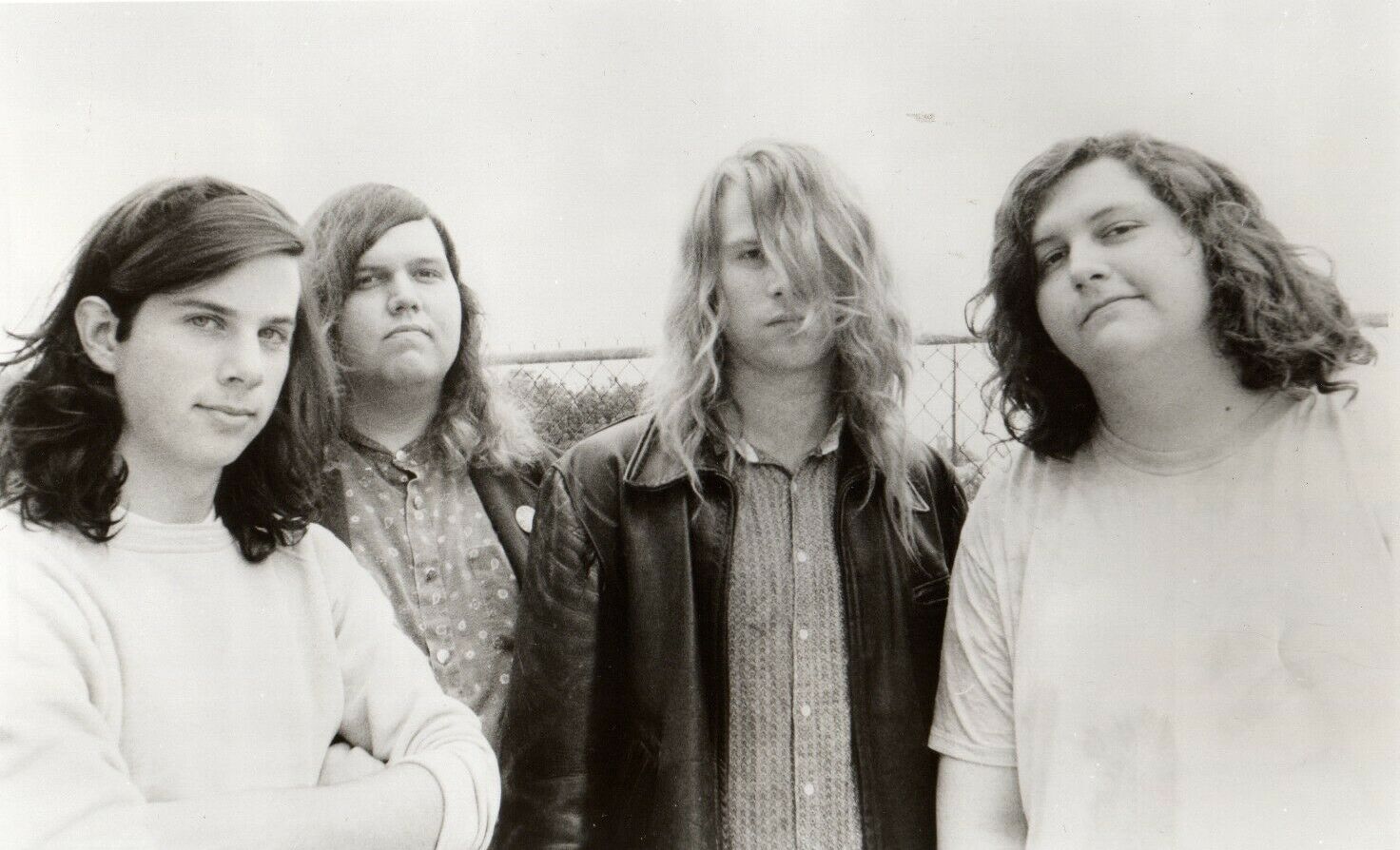
archive | License: Public domain | Source: Wikimedia | https://commons.wikimedia.org/wiki/File:Screaming_Trees_(1980s_SST_promo_photo).jpg
Sweet Oblivion sits at the intersection of psychedelic haze and grunge weight. It’s one of the scene’s most sonically atmospheric records, with guitars that shimmer and smear rather than simply grind. The production leaves room for Mark Lanegan’s voice to sit in a dark, weathered center, which gives the album unusual emotional gravity.
From a mix perspective, this is a useful example of how reverb and delay can make a heavy band feel bigger without increasing distortion. The tracks breathe. The low mids are warm rather than congested. That restraint keeps the chorus sections from collapsing into mush, a problem that haunts many modern rock mixes when the guitars are pushed too hard and the vocal loses a defined slot.
8. Toadies – Rubberneck (1994)
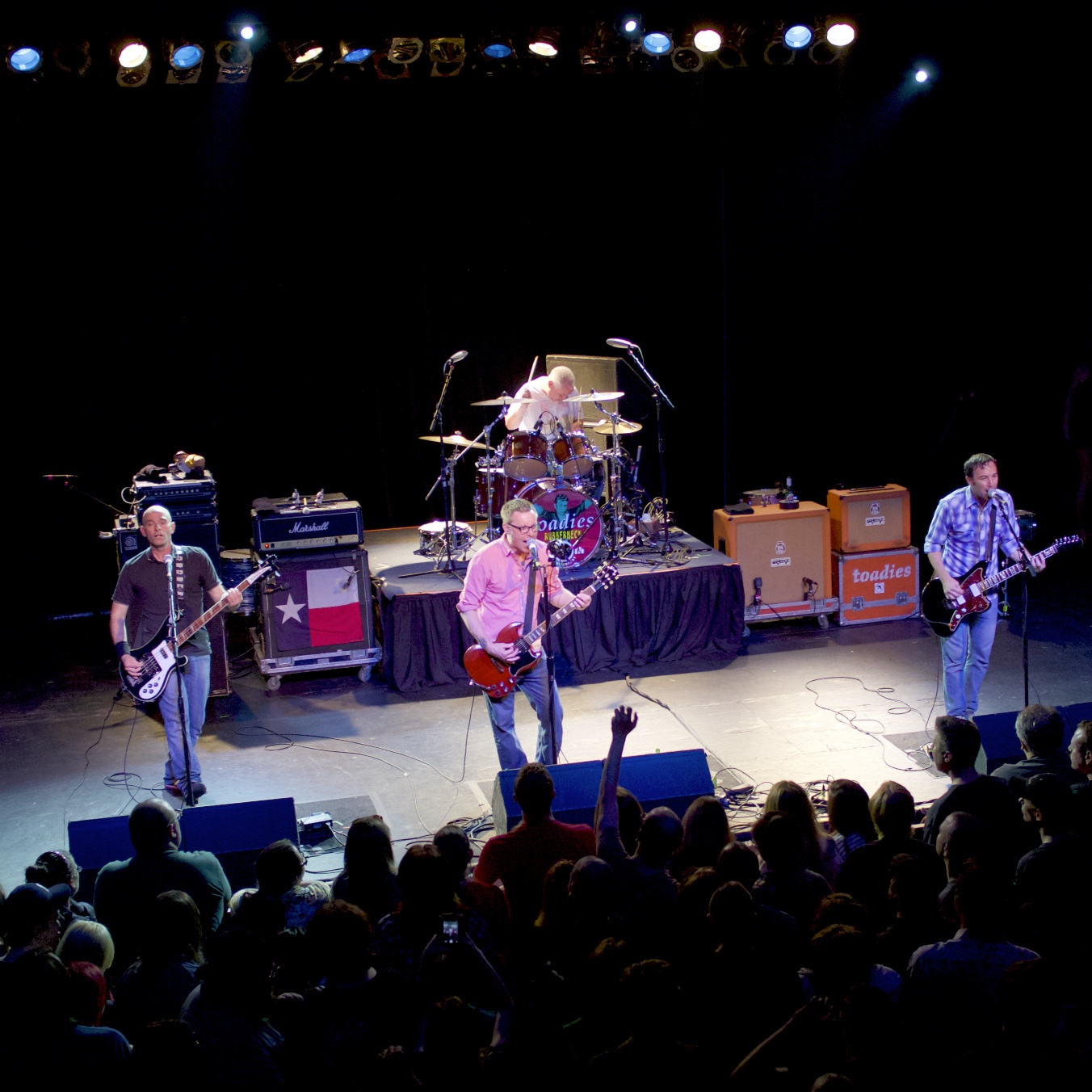
Not always placed in the grunge canon by purists, Rubberneck deserves the ranking because it translates the era’s heaviness into a cleaner, more hard-edged commercial frame. The guitars are thick, but the arrangements are disciplined enough to let hooks cut through. It’s a good reference for producers trying to maintain aggression while keeping choruses radio-ready.
What stands out is the drum sound: punchy, dry, and very forward, with a snare that anchors the record instead of floating on ambience. That approach works especially well when the guitars are already saturated. If you want the track to feel bigger, sometimes the answer isn’t more room sound—it’s a tighter, more direct transient picture that makes the band feel physically closer to the listener.
7. Stone Temple Pilots – Core (1992)

Core is a major-label grunge album that understands scale. It’s more polished than the rawest Seattle records, but its strength is exactly that polished heaviness. The guitars are gigantic and layered with precision, while the rhythm section is mixed for impact rather than garage authenticity. Scott Weiland’s vocals are also treated as a true lead instrument, which helps the songs feel theatrical without losing menace.
For engineers, Core is a reminder that “grunge” doesn’t require lo-fi aesthetics. It requires contrast: verse tension, chorus lift, and enough dynamic structure for the distortion to feel purposeful. The album’s mix balance also shows how vocal tuning and compression can be used without erasing character, provided the performances already have identity.
6. Alice in Chains – Facelift (1990)
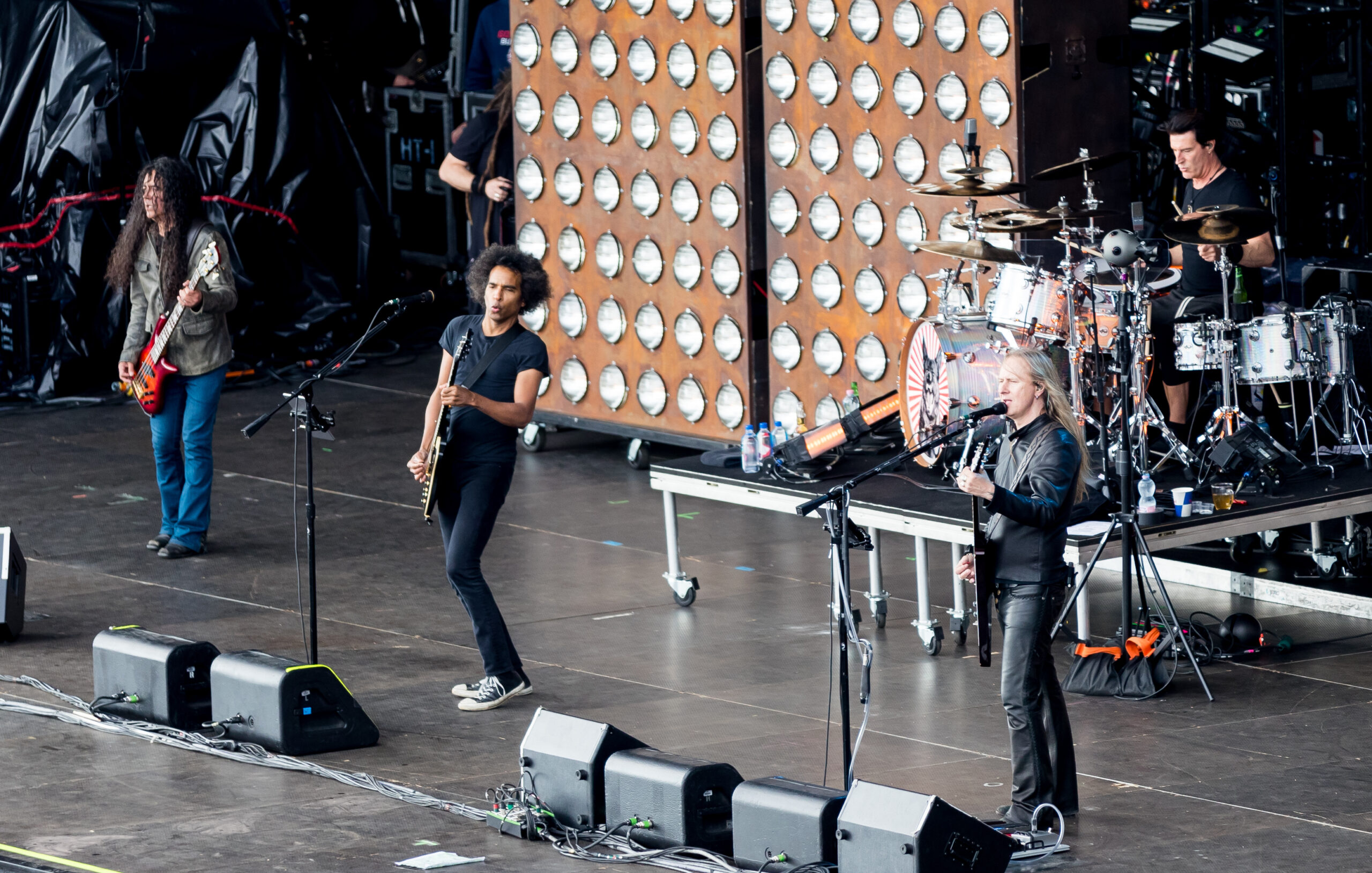
Facelift is where grunge starts sounding expensive in a way that still feels dangerous. The guitars are huge, the low end is controlled, and the vocal harmonies already hint at the band’s later signature darkness. The production doesn’t romanticize dirt; it frames heaviness with clarity.
This is a valuable record for producers because it proves that heavy music benefits from precision in the low-mids. The bass guitar is firm, not flabby. The snare has enough crack to stand next to the guitars. And the vocals are mixed with enough presence to preserve lyric intelligibility even when the arrangement thickens. If your guitars are eating the mix, this is the kind of reference that helps you understand where the real problem lives.
5. Soundgarden – Badmotorfinger (1991)

Badmotorfinger pushes grunge toward progressive metal weight without leaving behind the scene’s grit. The riffs are complex, but the recording stays muscular and immediate. One of the record’s biggest achievements is how it makes odd-meter tension and dense harmony feel like a natural extension of hard rock instead of a technical display.
The drum production is especially instructive: powerful, roomy, and physically imposing without turning washy. The cymbals never overwhelm the center of the mix, and the toms hit with enough size to support the riffs rather than compete with them. For modern producers, this is a strong example of arranging a low-end-heavy song so the drums still feel three-dimensional. There’s plenty of space in the room sound, but the close mics remain the backbone.
4. Nirvana – Bleach (1989)
Bleach is the sound of a band finding its own pressure system. It’s less iconic in sonic polish than the records that follow, but the rawness is fundamental to the grunge story. The guitars are thick and grimy, the drums are unapologetically straightforward, and the whole record feels like it was recorded to capture force rather than finesse.
There’s a practical lesson here about performance over perfection. The arrangements are simple, yet the record never feels empty because the band attacks every downbeat like it matters. If you’re producing in a genre that depends on emotional exhaustion, Bleach is a reminder that sonic credibility often comes from conviction first and processing second.
3. Alice in Chains – Dirt (1992)
Dirt is one of the darkest major rock records of the 1990s and one of the most successful examples of making heaviness feel suffocating without losing clarity. The guitars are massive, but they’re arranged in a way that allows the vocal harmonies and melodic hooks to penetrate the gloom. Everything sounds intentionally burdened.
For producers, this album is a benchmark in mix contrast. The verses often feel narrower and more claustrophobic, which makes the choruses explode emotionally without needing a radical change in sonics. That’s a trick worth stealing: use arrangement and density to create drama before you reach for more compression or louder guitars. Dirt also shows how a dark tonal palette can still support commercial songwriting when the center image is strong enough.
2. Pearl Jam – Ten (1991)
Ten is the grunge album that translated a regional sound into arena-scale emotional architecture. The guitars are huge but not overcooked, the drums are broad and confident, and Eddie Vedder’s vocals are placed like the final piece of a sermon delivered from the middle of a storm. It’s carefully constructed, but never feels sterile.
From a production standpoint, Ten is a lesson in how to make a record feel epic without depending on excessive layering. The songs are arranged to rise naturally. The mix leaves enough room for the vocal to carry the emotional thesis, and the band’s dynamics do most of the heavy lifting. That’s why the album remains so useful as a reference: it demonstrates that scale comes from songwriting, performance, and mix discipline working together, not from giant plug-in chains.
1. Nirvana – Nevermind (1991)
There’s no getting around it: Nevermind is the most important grunge album because it solved the genre’s central producer problem. How do you keep a punk-derived band loud, ugly, and emotionally volatile while making the record instantly legible to mass audiences? The answer here is balance. The guitars are heavy but separated enough to read. The drums hit hard without sounding disconnected from the room. And the vocal sits forward just enough to make the hooks unavoidable.
What makes the album so enduring for producers is that it’s not simply “clean.” It’s disciplined. The famous loud/quiet dynamic works because the mix respects contrast. When the chorus hits, it feels like a release, not just an increase in level. The bass locks in with the kick in a way that keeps the low end coherent even under distortion. And the overall sonic signature—tight, punchy, emotionally volatile—still shapes modern rock production, from indie bands to polished alternative records.
If grunge was a response to overproduced rock, Nevermind proved that the answer wasn’t to reject production altogether. It was to use production to preserve danger. That’s the real legacy of the record and the reason it sits at the top of this list.
What Producers Can Still Learn From Grunge
These albums remain relevant because they solved problems that never went away. How do you make distorted guitars readable? How much room tone is enough before the mix gets cloudy? When does vocal compression help the song, and when does it flatten the emotional punch? Grunge-era producers answered those questions with a combination of restraint and risk.
The biggest takeaway is that the sound was never just about fuzz pedals and flannel. It was about balance: hard versus soft, tight versus loose, ugly versus hooky. That’s why these records still work on contemporary monitors and streaming playlists alike. They weren’t chasing perfection. They were chasing impact.
Image: close up, bokeh, macro, blur, blurred background, close focus, compact disc, music, disc, printing, lettering, music collection, cd collection, audiophile, hi fi, listen, album, music album, jewel case, | Brett Jordan | License: Unsplash License | Source: Unsplash | https://unsplash.com/photos/the-big-bang-theory-dvd-x3wDxZJx9qs