The 10 Albums That Turned Alternative Rock Into a Production Language
Alternative rock was never just a genre tag—it was a studio problem with a thousand different answers. These 10 albums changed the sound, the workflow, and the rules producers still borrow from today.
Alternative rock didn’t become a dominant cultural force because it sounded polished. It won because it offered producers, engineers, and bands a new set of possibilities: abrasive but melodic guitars, drums that could feel huge or fragile, vocals that sounded intimate instead of heroic, and arrangements that left room for noise, texture, and doubt. The best alternative rock albums didn’t just define a scene—they defined a production mindset.
This list isn’t a popularity contest or a greatest-hits parade. It’s a look at the records that changed how alternative rock was written, recorded, mixed, and judged. Some introduced lo-fi intimacy, some brought sludge and weight into the mainstream, and some proved that an album could be both emotionally raw and sonically meticulous. If you produce, mix, or obsess over album craft, these are the records worth studying track by track.
1. The Pixies — Doolittle (1989)
Transferred from en.wikipedia to Commons by Rcbutcher using CommonsHelper. Original uploader was ERcheck at en.wikipedia 23 May 2006 (original upload date) | License: Public domain | Source: Wikimedia | https://commons.wikimedia.org/wiki/File:Doolittle_LtCol_g41191.jpg
Doolittle is one of the clearest blueprints for alternative rock dynamics. The quiet-loud architecture that later became shorthand for the genre was sharpened here into something almost mathematical: tense verses, explosive choruses, abrupt shifts, and arrangements that felt designed to destabilize the listener in the best way.
Producer Gil Norton helped capture the band’s volatility without sanding off the edges. For musicians and engineers, the lesson is simple: contrast is a production tool. The record’s impact comes not from sheer distortion, but from how the band leaves negative space and then detonates it.
2. R.E.M. — Document (1987)

Before alternative rock became a massive commercial category, R.E.M. were proving that atmosphere, chiming guitars, and oblique songwriting could still hit with real force. Document sharpened their formula with more urgency and a harder political edge, making the band feel larger without abandoning their identity.
From a production standpoint, this is a great example of how to add weight without overcomplicating the mix. The guitars are bright and interlocking rather than wall-of-sound heavy, which leaves room for the rhythm section to drive the record. That restraint is part of why the album still feels modern.
3. Sonic Youth — Daydream Nation (1988)
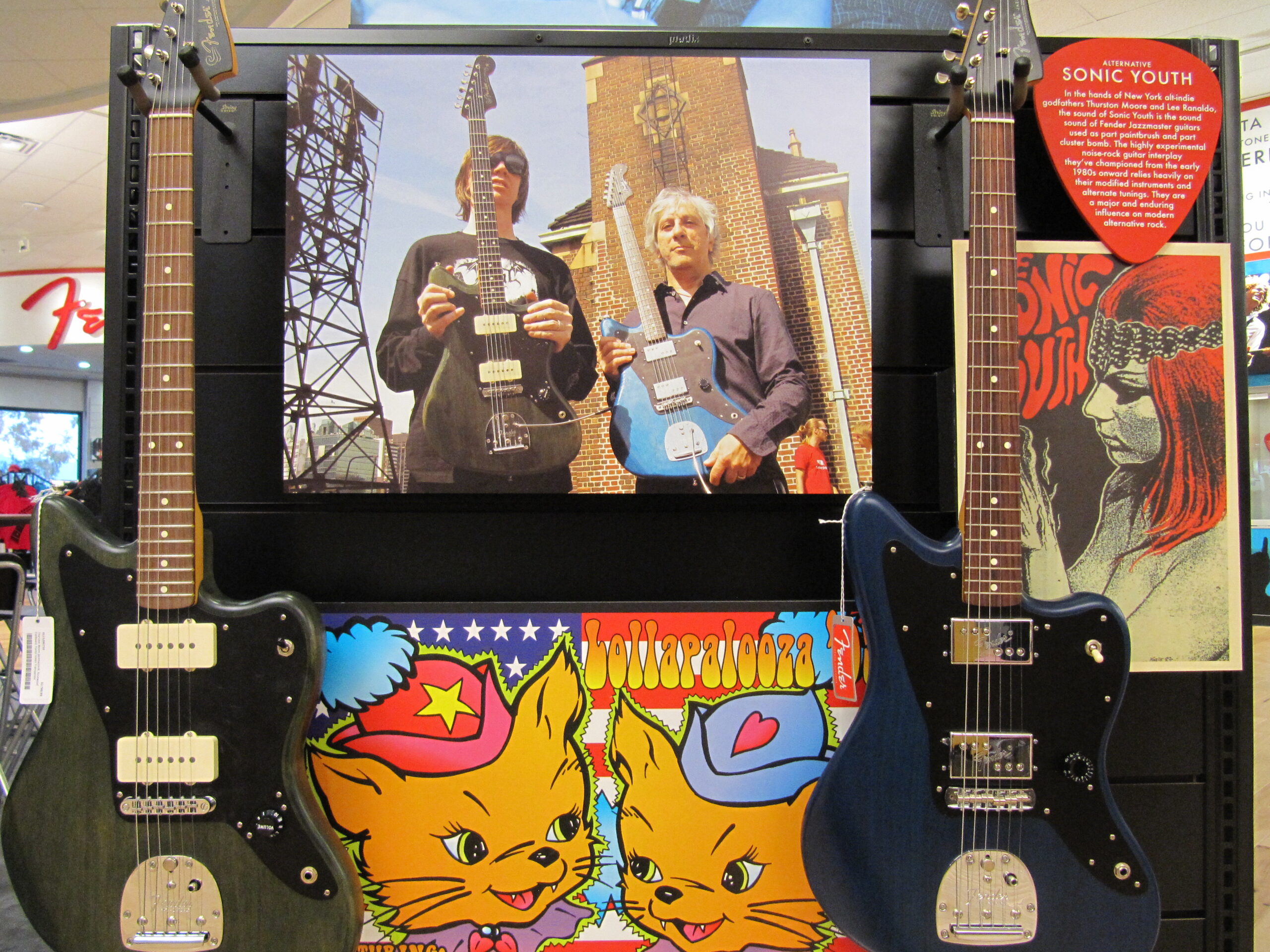
If alternative rock had a textbook for tunings, feedback, and controlled chaos, Daydream Nation would be a cornerstone chapter. Sonic Youth treated the guitar not as a rock instrument with standard function, but as a source of texture, tension, and harmonic instability. Their use of alternate tunings and dissonant layering widened the genre’s sonic vocabulary.
The production doesn’t clean up the mess; it frames it. That’s the key takeaway. Instead of trying to neutralize noise, the album makes noise feel composed. For modern producers, this is the reminder that “experimental” doesn’t have to mean unfocused.
4. Nirvana — Nevermind (1991)
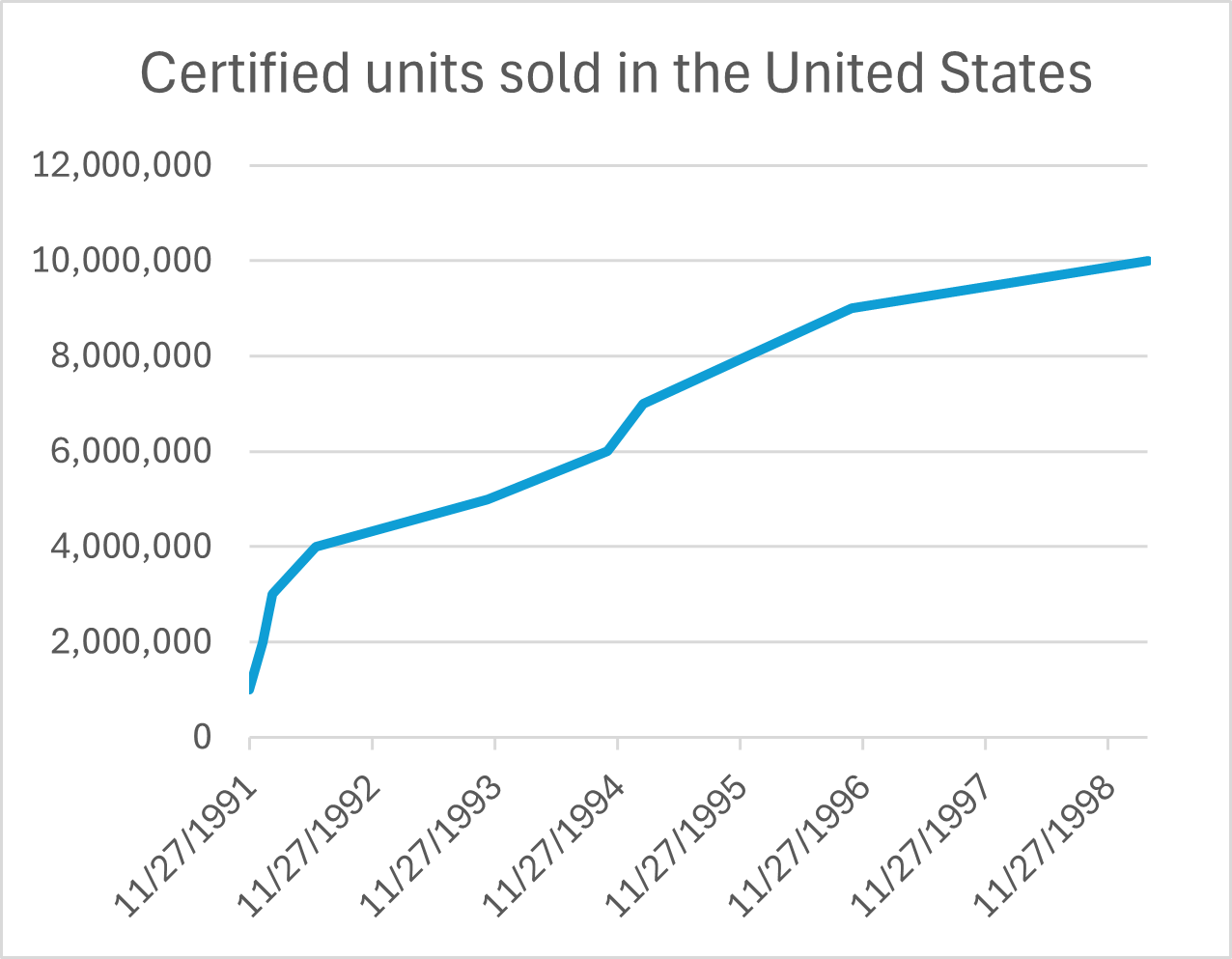
Nevermind is the album that forced alternative rock into the mainstream conversation, but its importance is bigger than commercial breakthrough. Butch Vig’s production gave the record a rare balance: polished enough for radio, dirty enough to feel alive, and emotionally direct enough to make the songs hit like a confession and a punch at the same time.
The drum sound alone changed expectations. Big, punchy kick and snare, clean separation, vocal layers that lift choruses without flattening them—this became a template for 1990s rock. If you’re studying modern rock production, the record is a masterclass in making aggression sound accessible.
5. Radiohead — The Bends (1995)

The Bends captures Radiohead at the exact moment they moved from promising guitar band to serious album artists. It’s expansive, melodic, and emotionally unsettled, with a production palette that makes the songs feel both intimate and widescreen. The record helped redefine what mainstream alternative rock could sound like in the mid-’90s.
There’s a lot to learn from the arrangement choices here. Guitars are layered for tension rather than just thickness, and the vocal delivery is mixed to expose vulnerability instead of hiding it. For producers, that’s the real lesson: emotional scale often matters more than sonic scale.
6. Alice In Chains — Dirt (1992)
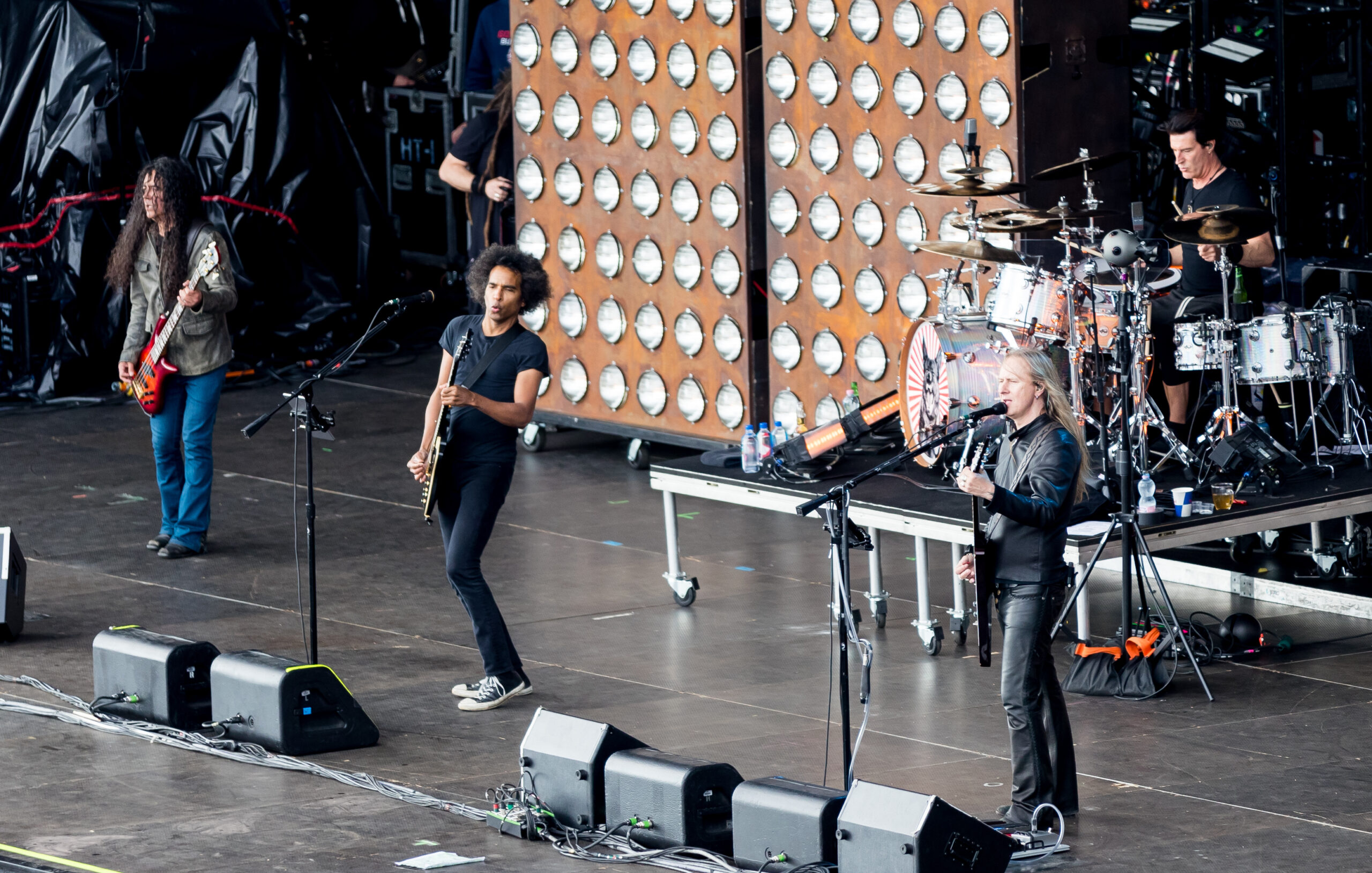
Dirt pushed alternative rock into heavier, darker territory without losing melodic identity. The guitars are tuned low, the harmonies are haunting, and the entire record feels built around weight—sonic weight, psychological weight, and rhythmic drag. It’s one of the key reasons alt-rock and grunge became such a powerful overlap in the early ’90s.
From a studio perspective, the album shows how to make heavy music feel oppressive without turning it into sludge. The mix leaves enough clarity for the vocal harmonies to cut through, which makes the darkness more memorable. Heavy music gets more effective when you can hear the details inside the storm.
7. Pavement — Slanted and Enchanted (1992)
Pavement brought a different kind of alternative rock intelligence: sloppy on the surface, carefully self-aware underneath. Slanted and Enchanted is lo-fi without being amateurish, loose without being careless, and catchy without chasing polish. That contradiction became hugely influential for indie and alternative artists who wanted freedom from studio perfection.
The album’s rough edges are part of its design. Vocals feel tossed off, guitars wobble, and the tracks breathe with a human scale that glossy rock often loses. If you’re tracking bands today, this record is a reminder that imperfect performance can be the very thing that gives a song identity.
8. Pearl Jam — Vs. (1993)
Where Ten introduced Pearl Jam’s scale, Vs. tightened the screws. It’s leaner, more aggressive, and less interested in arena sentimentality for its own sake. The band sounds like it’s playing in one room with enough friction to keep the performances unstable and human.
The production leans into punch and immediacy. Drums crack, bass stays focused, and guitars are stacked in a way that emphasizes impact rather than gloss. For anyone building a rock mix, Vs. is a strong example of maintaining power without turning the low mids to mud.
9. The Smashing Pumpkins — Siamese Dream (1993)
Siamese Dream is one of the most meticulously constructed alternative rock albums ever made. Billy Corgan and Butch Vig turned layers into a weapon: dense guitar overdubs, carefully shaped drum tones, and vocals that sit inside a lush, almost dreamlike wall of sound. It’s massive, but it never feels random.
This record is essential for producers because it proves that density works when every layer has a job. There’s width, depth, and a surprising amount of separation inside what sounds like chaos. If you want to understand how to stack guitars without collapsing the mix, start here.
10. Beck — Odelay (1996)
Odelay expanded alternative rock beyond the standard band setup and into sampling, collage, and genre collision. Beck and the Dust Brothers made a record that felt like indie rock, hip-hop, folk, and absurdist pop all sharing the same room. That openness mattered: it helped alternative rock absorb outside influences without losing credibility.
For modern production, the album is a lesson in arrangement agility. Loops, live instruments, and off-kilter edits coexist because the record commits fully to its hybrid identity. If your sessions feel too rigid, Odelay is a reminder that alternative rock can be built from almost anything, as long as the perspective is strong.
Why These Albums Still Matter in the Studio
These records defined alternative rock because they solved recurring producer problems in different ways. How do you make distortion musical? How do you keep emotion in a polished mix? How do you let a band sound big without flattening its personality? Each album answers those questions with a distinct method.
That’s why they remain useful. They aren’t just cultural milestones; they’re working references. Doolittle teaches contrast. Nevermind teaches accessibility without compromise. Daydream Nation teaches texture. Siamese Dream teaches layering. Odelay teaches fearlessness. Taken together, they map the evolution of alternative rock from underground language to full production vocabulary.
The Lasting Formula
What makes a classic alternative rock album isn’t just attitude. It’s a specific relationship between songwriting and sound design: songs that can survive rough edges, arrangements that benefit from friction, and mixes that let personality outrank perfection. The best records in this lineage didn’t obey the dominant rock rules—they rewrote them in real time.
If you’re building playlists, studying production, or just trying to understand why alternative rock still shapes modern guitar music, these ten albums are essential listening. Not because they all sound alike, but because each one expanded the definition of what rock could be.
Image: 1882-ALBUM-13 SHD-DE-2014-PA-40 A-C-KREBS=Production de gaz.jpg | Own work | License: Public domain | Source: Wikimedia | https://commons.wikimedia.org/wiki/File:1882-ALBUM-13_SHD-DE-2014-PA-40_A-C-KREBS%3DProduction_de_gaz.jpg