10 Alternative Rock Albums That Changed the Production Playbook
These are the records that didn’t just define alternative rock—they rewired how it was recorded, mixed, and heard. From bruising guitar textures to basement-born dynamics and radio-ready polish, each album on this list left a production fingerprint that still shapes modern rock.

Alternative rock was never just a genre label. It was a production revolution, a rejection of excess that somehow produced some of the most sonically ambitious records of the last 40 years. These albums didn’t simply get big—they changed the rules of what a rock record could sound like, from the way guitars were layered to how drums were captured and how “lo-fi” became a deliberate aesthetic instead of a limitation.
This list focuses on albums that defined alternative rock in both cultural and technical terms. Some forced major-label rock into a new shape. Others proved that underground records could carry mainstream weight without sanding off their edges. And nearly all of them left behind production choices that still show up in modern mixes, plugin chains, amp sims, and indie-rock tracking sessions.
1. Nirvana — Nevermind (1991)
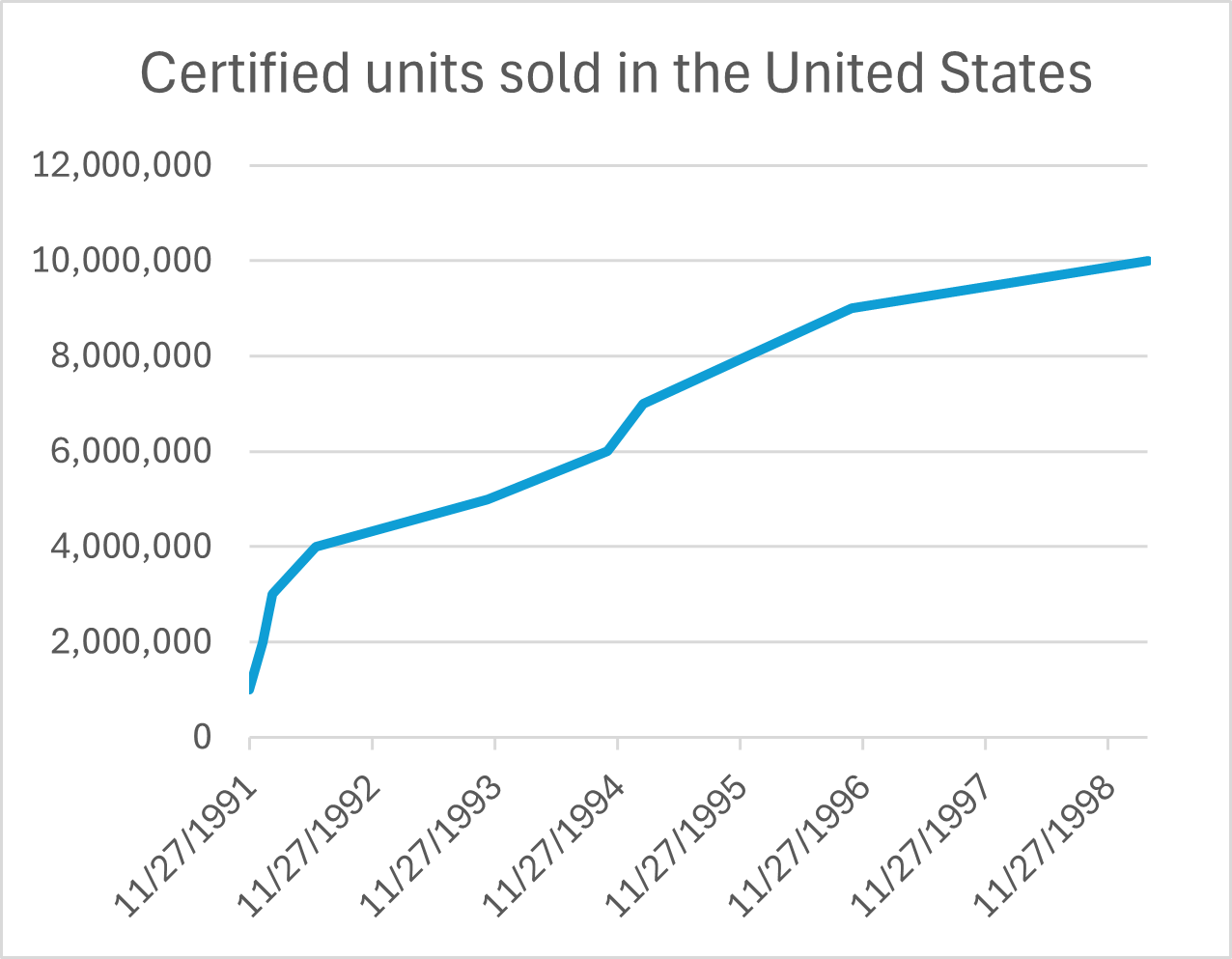
If alternative rock has a single watershed moment, it’s Nevermind. The album’s impact came from more than songwriting or attitude. It was a masterclass in balance: raw enough to feel dangerous, polished enough to dominate radio. Butch Vig’s production gave the band’s songs a sense of scale without flattening the grit. Kurt Cobain’s guitar tones were thick but not overcooked, while Dave Grohl’s drums were captured with enough room sound to feel explosive without turning muddy.
From a production standpoint, the breakthrough was contrast. Quiet verses hit harder because the choruses opened up wide. That dynamic arrangement became a template for alternative rock and remains essential in modern rock mixing. If you’re building a track in the spirit of Nevermind, think in layers: double-tracked guitars with distinct midrange profiles, vocals that sit slightly forward without losing aggression, and drum compression that preserves transient punch while enlarging the room.
2. R.E.M. — Murmur (1983)
Murmur helped define the intellectual, jangle-driven side of alternative rock. Where later alt-rock records leaned into distortion and impact, this one made ambiguity sound compelling. The vocals are cryptic, the guitars shimmer rather than roar, and the arrangements rely on space and atmosphere. Producer Mitch Easter and engineer Don Dixon captured a band that sounded like it was inventing its own private language in real time.
The production lesson here is restraint. The album thrives because it doesn’t overexplain itself. Guitar parts interlock instead of stacking into a wall, and the rhythm section leaves room for the vocal phrasing to feel almost percussive. For producers, Murmur is a reminder that “alternative” originally meant a different set of priorities—not just louder guitars.
3. The Pixies — Doolittle (1989)
Transferred from en.wikipedia to Commons by Rcbutcher using CommonsHelper. Original uploader was ERcheck at en.wikipedia 23 May 2006 (original upload date) | License: Public domain | Source: Wikimedia | https://commons.wikimedia.org/wiki/File:Doolittle_LtCol_g41191.jpg
Doolittle is one of the most influential loud/quiet records ever made. Its DNA is everywhere, from mainstream alt-rock to indie and emo. The Pixies perfected abrupt dynamic shifts, surreal lyricism, and guitar textures that could go from brittle to catastrophic in a single measure. Steve Albini’s earlier work with the band had already pointed the way, but Doolittle refined the formula into something punchier and more immediately usable.
What makes the record so important to producers is its architecture. The songs are arranged like pressure systems: sparse verses create negative space, then the band detonates in the choruses. That structure became a blueprint for countless guitar bands because it translates so well to the mix. If you’re chasing this sound, focus on contrast in arrangement before reaching for plugins. The biggest effect is often not more distortion, but smarter subtraction.
4. Radiohead — OK Computer (1997)

OK Computer expanded alternative rock beyond the traditional guitar-band format. It absorbed alienation, electronic processing, analog texture, and cinematic arrangement into one of the most ambitious rock albums ever made. Nigel Godrich’s production is crucial: every track feels meticulously framed, with organic instruments set against synthetic detail and unsettling ambience.
The album’s lasting production influence is in hybridization. Guitar bands suddenly had permission to think like sound designers. The record uses compression, layering, and spatial effects not just for weight but for emotional unease. Even when the performances feel human, the textures often feel slightly unstable. Modern producers still borrow that tension by combining live drums with programmed percussion, filtered noise, reversed sounds, and automation that makes arrangements breathe like film scores.
5. Sonic Youth — Daydream Nation (1988)
Daydream Nation is one of the great documents of guitar as texture, not just harmony. Sonic Youth treated tunings, feedback, and prepared-guitar chaos as compositional tools. The result is a record that feels both feral and deliberate. Its influence on alternative rock is massive because it legitimized ugliness, dissonance, and extended noise as part of the rock vocabulary.
From a production angle, this album is a case study in letting unconventional sounds occupy the center of the mix. Rather than smoothing out the rough edges, the recording highlights them. That approach opened the door for shoegaze, noise rock, and post-hardcore. If you’re emulating this aesthetic today, resist the urge to over-clean guitars. Let harmonic friction remain audible, and use panning and ambience to separate textures instead of EQ’ing them into conformity.
6. R.E.M. — Automatic for the People (1992)
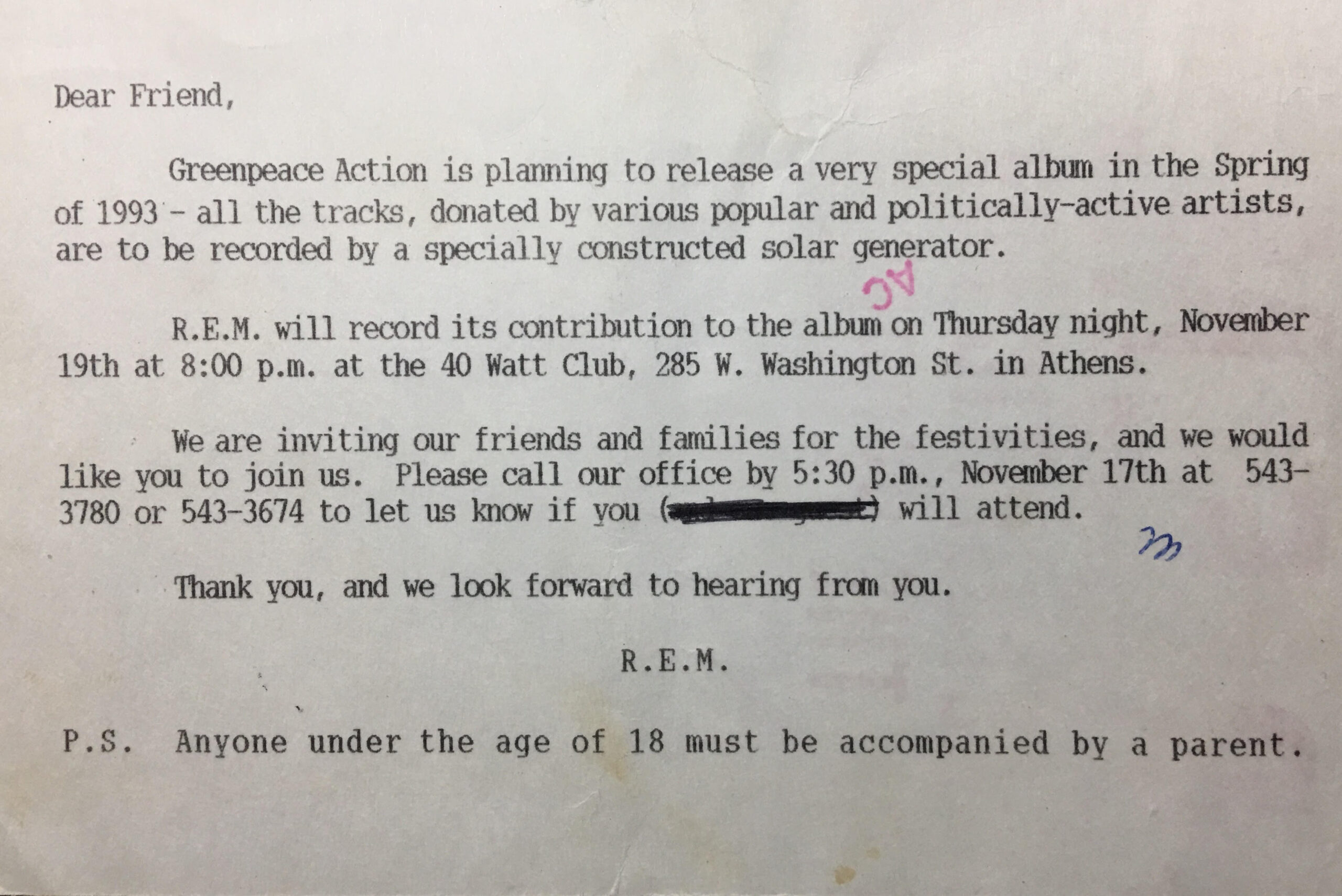
If Murmur showed the scene’s college-rock roots, Automatic for the People demonstrated how alternative rock could mature without losing identity. The record is spacious, mournful, and carefully arranged, with orchestral elements that never feel like decorative add-ons. It broadened the emotional range of alt-rock and proved that the genre could handle fragility as convincingly as volume.
The production is notable for its clarity. Every instrument has a defined place, and the acoustic elements are captured with enough intimacy to feel close-mic’d rather than overly polished. For engineers, this album is a reminder that a restrained mix can still feel enormous if the arrangement is disciplined. The spaces between notes matter just as much as the notes themselves.
7. Pearl Jam — Ten (1991)
Ten sits at the intersection of alternative rock and arena rock, and that tension is exactly why it matters. The album took the emotional intensity of the Seattle scene and framed it in a way that could survive massive playback systems. The guitars are layered and wide, the drums are huge, and Eddie Vedder’s vocal performance is captured with a towering, almost front-of-house urgency.
From a production standpoint, Ten is about scale. The record taught a generation of rock producers how to make a band sound enormous without losing performance detail. The guitars are often arranged in complementary parts rather than pure duplication, and the vocal placement is bold enough to carry the emotional weight of the songs. If you want that sound, think in terms of width, sustain, and midrange authority.
8. The Smashing Pumpkins — Siamese Dream (1993)
Siamese Dream is one of the most meticulously built alternative rock records ever made. Billy Corgan and producer Butch Vig layered guitars until the songs felt symphonic, but the record never loses its tension. The mix is dense, yet every detail has a role: chorused guitars, compressed drums, vocal doubles, and textural overdubs all contribute to a sound that feels both glossy and emotionally bruised.
This album is essential listening for anyone interested in modern guitar production. Its signature is controlled density. The parts are so carefully arranged that the wall of sound doesn’t collapse into mush. In today’s DAWs, the temptation is to keep adding tracks, but Siamese Dream proves that arrangement discipline and tone selection matter more than track count. Stack with intent, not just volume.
9. Pavement — Slanted and Enchanted (1992)
Slanted and Enchanted helped codify indie rock’s offhand intelligence and intentional looseness. Where some alt-rock records chased grandeur, Pavement made sloppiness feel sophisticated. The guitars are wiry, the performances are left slightly ragged, and the whole album sounds like it was assembled by people who understood that imperfection can be a feature rather than a flaw.
The production takeaway is enormous: vibe can outrank precision if the songs are strong enough. The record’s charm depends on preserving human movement—small timing fluctuations, rough edges, and tonal inconsistencies that keep the music alive. In a modern production context, this means resisting over-quantization and over-editing when the aesthetic depends on personality.
10. Dinosaur Jr. — You’re Living All Over Me (1987)
This album helped bridge hardcore intensity, indie melody, and future alt-rock guitar heroics. J Mascis’s playing is iconic, but the record’s importance lies in how it balances noise with melodic clarity. The guitars are huge and volatile, yet the songwriting remains unmistakably present. That combination became a key influence on grunge, lo-fi rock, and 90s indie.
Production-wise, the album thrives on the rawness of performance capture. The band sounds close to the edge of collapse, and that instability becomes part of the appeal. For producers, it’s a reminder that emotional realism often comes from leaving a little abrasion in the final take. Perfect is not always persuasive.
What These Albums Still Teach Producers
The common thread across these records is not simply distortion or angst. It’s decision-making. Alternative rock became defining because these albums treated production as identity: dynamic contrast on Nevermind, negative space on Doolittle, texture and tension on OK Computer, controlled density on Siamese Dream, and intentional roughness on Slanted and Enchanted.
For modern musicians and engineers, that’s the real takeaway. The best alternative rock albums weren’t generic “big rock” records with a different label. They were carefully constructed sonic statements. Whether you’re tracking live drums, designing guitar tones in a plugin chain, or mixing a band that wants to sound both intimate and anthemic, these records remain essential references because they solved problems that still exist in rock production today.
Alternative rock has changed shape many times, but the albums above defined its core vocabulary. They made space for ugly sounds, beautiful melodies, emotional contradiction, and production choices that felt like artistic arguments. That’s why they still matter: not just as classics, but as tools.
Image: Rock Pop 90s en el teatro Solis – 20240823dicimouyit47827.jpg | https://montevideo.gub.uy/files/20240823dicimouyit47827jpg | License: CC BY-SA 4.0 | Source: Wikimedia | https://commons.wikimedia.org/wiki/File:Rock_Pop_90s_en_el_teatro_Solis_-_20240823dicimouyit47827.jpg