The Punk Album Blueprint: 10 Records That Rewired the Genre
Punk’s most important albums didn’t just define a sound—they solved a production problem: how to make chaos feel immediate, loud, and unforgettable. This list breaks down the records that set the template for raw guitars, explosive drums, gang vocals, and the kind of mix decisions modern punk still chases.

Why These Punk Albums Still Matter in the Control Room
Punk has always been sold as attitude first and craft second, but the records that last are the ones that turn attitude into a repeatable sonic language. The best punk albums don’t just have great songs—they solve a very specific production challenge: how to capture urgency without losing impact, and how to make three chords feel like a full-scale event.
For producers and engineers, punk is a masterclass in restraint. These albums teach compression choices, vocal placement, drum punch, guitar saturation, and the art of keeping takes slightly unstable on purpose. They’re also a roadmap for anyone trying to make a modern punk record feel alive instead of over-edited.
1. The Ramones — Ramones (1976)
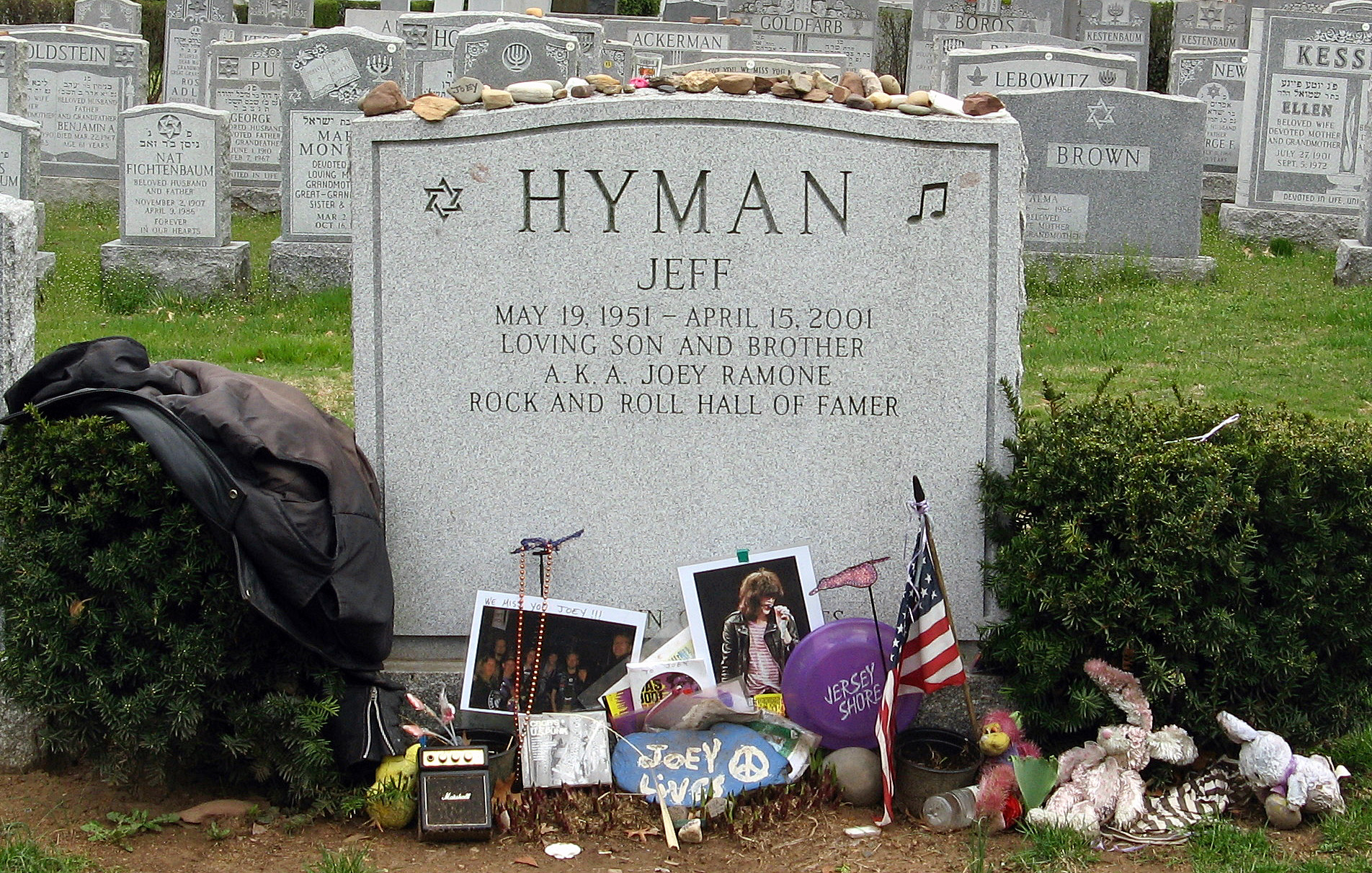
If punk has a sound origin point, this is it. The Ramones stripped rock down to its fastest, cleanest attack: short songs, clipped guitar tones, and drums that feel like a metronome with bruised knuckles. The production is famously lean, but that’s the point. Everything unnecessary gets cut, and what remains is pure momentum.
Production lesson: Don’t overcomplicate a punk mix. Tight editing, aggressive midrange, and minimal ambience can make a band feel bigger than a polished arena production. If your arrangement is strong, space can be louder than layers.
2. Sex Pistols — Never Mind the Bollocks, Here’s the Sex Pistols (1977)
This record sounds like a threat. The guitars are huge and serrated, the bass is thick and forceful, and Johnny Rotten’s vocal sits right on the edge of contempt and collapse. Producer Chris Thomas gave the band a larger-than-life framework without sanding off the friction. The result is one of the most important punk albums ever made, precisely because it sounds dangerous but still translates on a hi-fi system.
Production lesson: Distortion is only half the battle; separation matters. You can push guitars hard, but if the low end and vocal are controlled, the song still hits with clarity. Think about contrast, not just aggression.
3. The Clash — The Clash (1977)

The Clash’s debut is a reminder that punk can be fast, political, and still rhythmically disciplined. Compared with some of their peers, the performances here feel more locked in, which makes the record ideal for studying balance: guitars snap, bass drives, and the drums have enough room to breathe.
Production lesson: A punk track doesn’t have to be blurry to feel authentic. Cleaner tracking can preserve the urgency while making room for lyrical content and arrangement details. If the message matters, intelligibility is part of the aesthetic.
4. The Damned — Damned Damned Damned (1977)
This is one of punk’s most underrated sonic templates. The record has the speed and volatility of early punk, but it also carries a rough melodic swagger that makes it feel almost spontaneous. The guitars are wiry rather than massive, and that lean tone lets the songs move fast without turning to mud.
Production lesson: High-end bite is a feature, not a flaw, when the arrangement needs speed. In modern sessions, a little less low-end buildup and a little more pick attack can make the whole track feel faster without changing the tempo.
5. Dead Kennedys — Fresh Fruit for Rotting Vegetables (1980)
This album is proof that punk can be sharp, funny, and sonically brutal at the same time. The guitars are abrasive, the bass is prominent, and the vocal delivery is mixed to maximize satire and menace. The record’s power comes from the way it weaponizes clarity: every part is readable, which makes the lyrics and irony land harder.
Production lesson: If your singer is a major part of the record’s identity, place the vocal forward and use the rest of the mix as support. Punk doesn’t always need dense layering; it often needs a believable center point.
6. Black Flag — Damaged (1981)
Damaged is one of the best examples of hardcore punk as a sonic battering ram. The tempos are faster, the drum transients are harsher, and the guitars feel like they were recorded with the intent to offend. It’s not a polished record, but it is a decisive one. Every choice seems to say: more impact, less comfort.
Production lesson: Hardcore demands transient control. If the drums are getting lost, use parallel compression or transient shaping to keep the snare and kick physically present without flattening the performance. Let the band sound violent, not washed out.
7. Bad Brains — Bad Brains (1982)
Bad Brains brought extraordinary musicianship into a genre that was often celebrated for rejecting technical excess. That tension is exactly what makes this album essential. The playing is lightning fast, but the pocket is real. The band’s precision gives the songs a sense of impossible speed while keeping the performances human.
Production lesson: Great punk records often rely on dynamic discipline more than raw volume. Tight bass and drum interplay can create more intensity than stacking guitars endlessly. If the rhythm section is powerful, the whole mix feels faster.
8. Minor Threat — Complete Discography / key early recordings (1981–1983)
Minor Threat’s essential recordings codified the hardcore template: short songs, sudden stops, shouted vocals, and absolute refusal to waste time. Whether you approach them as singles, EPs, or collected recordings, the production philosophy is clear—capture the band’s attack, keep the arrangements naked, and don’t dilute the message.
Production lesson: Edit for intent. A two-minute punk song should feel complete, not underwritten. When the structure is this compact, every intro, fill, and vocal pickup has to earn its place.
9. Descendents — Milo Goes to College (1982)
Descendents proved punk could be melodic, hooky, and still feel DIY enough to keep its teeth. The record is a template for pop-punk before the genre fully industrialized. The vocals are expressive rather than theatrical, and the songs use melody as propulsion instead of decoration.
Production lesson: Melodic punk mixes need vocal layering discipline. Double-tracking can widen the chorus, but if everything is doubled all the time, the emotional lift disappears. Save the biggest vocal stacks for the payoff.
10. Fugazi — Repeater (1990)
By the time Fugazi arrived, punk had already splintered into hardcore, post-hardcore, and countless hybrid forms. Repeater stands out because it treats dynamics like composition. The band can go from tight, angular restraint to explosive release in a few bars, and the recording captures that contrast without flattening the edges.
Production lesson: Dynamics are a punk tool. You don’t have to be loud all the time to feel intense. In fact, leaving room for tension can make the chorus hit harder than constant saturation ever will.
What Modern Punk Producers Can Steal From These Records
The biggest takeaway from these albums is that punk production is about priorities. You are not trying to capture every detail; you are trying to capture the most important ones with enough force that the listener never questions the energy. That usually means:
- Hard decisions on arrangement: cut anything that doesn’t increase impact.
- Midrange-forward guitars: avoid scooped tones that disappear on smaller speakers.
- Drums with transient life: keep the snare and kick punchy enough to drive the song.
- Vocals that feel present: a punk vocal should sound like a person in the room, not a ghost buried in effects.
- Controlled chaos: leave some rough edges, but make sure the record translates.
If you’re mixing punk today, study these albums less as museum pieces and more as workflow references. Ask what each record prioritizes, what it excludes, and how the band’s identity survives the recording process. The best punk albums don’t just define a genre—they define a method.
The Bottom Line
These ten records are more than historical milestones. They’re production case studies in speed, clarity, distortion, and emotional directness. Whether you’re tracking a local hardcore band or building a pop-punk chorus in the box, the same lesson applies: punk works when the record feels like a statement, not a compromise.
Image: Dendrobium secundum fma. album (Blume) Lindl. ex Wall., Numer. List n.º 1996 (1828) (28532029277).jpg | [Thailand] Dendrobium secundum fma. album (Blume) Lindl. ex Wall., Numer. List: n.º 1996 (1828) | License: CC BY 2.0 | Source: Wikimedia | https://commons.wikimedia.org/wiki/File:Dendrobium_secundum_fma._album_(Blume)_Lindl._ex_Wall.,_Numer._List_n.%C2%BA_1996_(1828)_(28532029277).jpg