The Producers Who Defined Hip Hop’s Sound: 10 Innovators and Their Signature Techniques
From dusty drum programming to sample surgery and sub-bass pressure, these are the producers who didn’t just make hits—they built the language hip hop still speaks. Here’s how their signatures were constructed and why they still matter in modern production.

1. Dr. Dre: Precision, Space, and Controlled Low End
Dr. Dre’s signature is not just “clean.” It is architectural. His productions on The Chronic, Doggystyle, and later 2001 are built around weight, separation, and an almost surgical sense of arrangement. Dre’s drums hit hard because they leave room to hit hard: kick, snare, bass, and synth lines are carved into their own frequency lanes. The result is West Coast music that feels massive without sounding crowded.
Technically, Dre is known for crisp drum samples, thick sub layering, and strategic use of melodic motifs rather than dense harmonic stacks. G-funk synth leads, often heard as whistling or sine-like lines, sit above rubbery bass and clipped percussion. The tracks breathe. That air is part of the groove.
Production takeaway: If you want a Dre-like impact, start by reducing elements, not adding them. Use one dominant kick, one authoritative snare, and a bassline that occupies a focused fundamental range. High-pass aggressively where possible, then use saturation to make the low end feel larger without actually turning it up.
2. J Dilla: Human Timing, Swing, and the Art of Imperfection

J Dilla changed the feel of hip hop drum programming forever. His beats sound slightly behind, slightly ahead, and somehow perfectly locked at once. That contradiction is the point. On Donuts, Fantastic, Vol. 2, and his work with A Tribe Called Quest and The Roots, Dilla made rhythmic imperfection a compositional tool.
He often pushed and pulled kick and snare placements against the grid, creating a pocket that sounded more played than programmed. His sampling choices were equally distinctive: short, emotional loops chopped into new melodies, often with subtle pitch irregularities and dusty texture left intact. The samples don’t just provide content—they provide movement.
Production takeaway: To approach Dilla’s feel, stop quantizing everything rigidly. Nudge ghost notes, shift snare placements, and let some drums lag while others lead. If your DAW allows per-step timing offsets or swing editing, use them intentionally rather than relying on a preset groove template.
3. Kanye West: Soul Chops, Chipmunk Pitching, and Maximal Emotional Hookwriting

Kanye West’s early production defined an era through pitched-up soul samples, dense but elegant layering, and hooks that felt emotionally immediate. On The College Dropout, Late Registration, and numerous key early-2000s records, he transformed classic soul into something both nostalgic and unmistakably modern.
The “chipmunk soul” style came from speeding up samples and raising pitch, exposing vocal textures and melodic fragments that became the centerpiece of the beat. But Kanye’s talent was not just in flipping samples—it was in arranging them like pop records. He knew when to strip a track down, when to stack strings, and when to let a loop repeat until it felt like a mantra.
Production takeaway: Sample-based production becomes stronger when you treat the sample as a lead instrument, not wallpaper. Try pitching a sample up several semitones, then build the drums around its emotional center. Keep the bassline simple so the sample can carry the identity of the record.
4. DJ Premier: Hard Snare Snaps and Jazz-Loop Discipline
DJ Premier’s sound is one of the most instantly identifiable in hip hop: chopped jazz and soul loops, gritty drum hits, and snare accents that cut through like punctuation. With Gang Starr, Nas, KRS-One, and countless others, Premier built tracks that are minimalist but never empty. Every sound feels chosen.
His method often revolves around tightly looped source material, abrupt edits, vocal scratches, and drums that sit slightly dry and close. Premier doesn’t over-process his beats into polish. Instead, he emphasizes texture and timing. The groove comes from the loop interacting with drums, not from elaborate sound design.
Production takeaway: If you want a Premier-inspired beat, focus on source selection and chop discipline. A strong 2-bar loop with a compelling harmonic pocket can do more than a crowded arrangement. Keep the drums raw, and use scratches or vocal phrases as rhythmic hooks, not just decoration.
5. Pete Rock: Warmth, Horn Stabs, and Deep Musicality
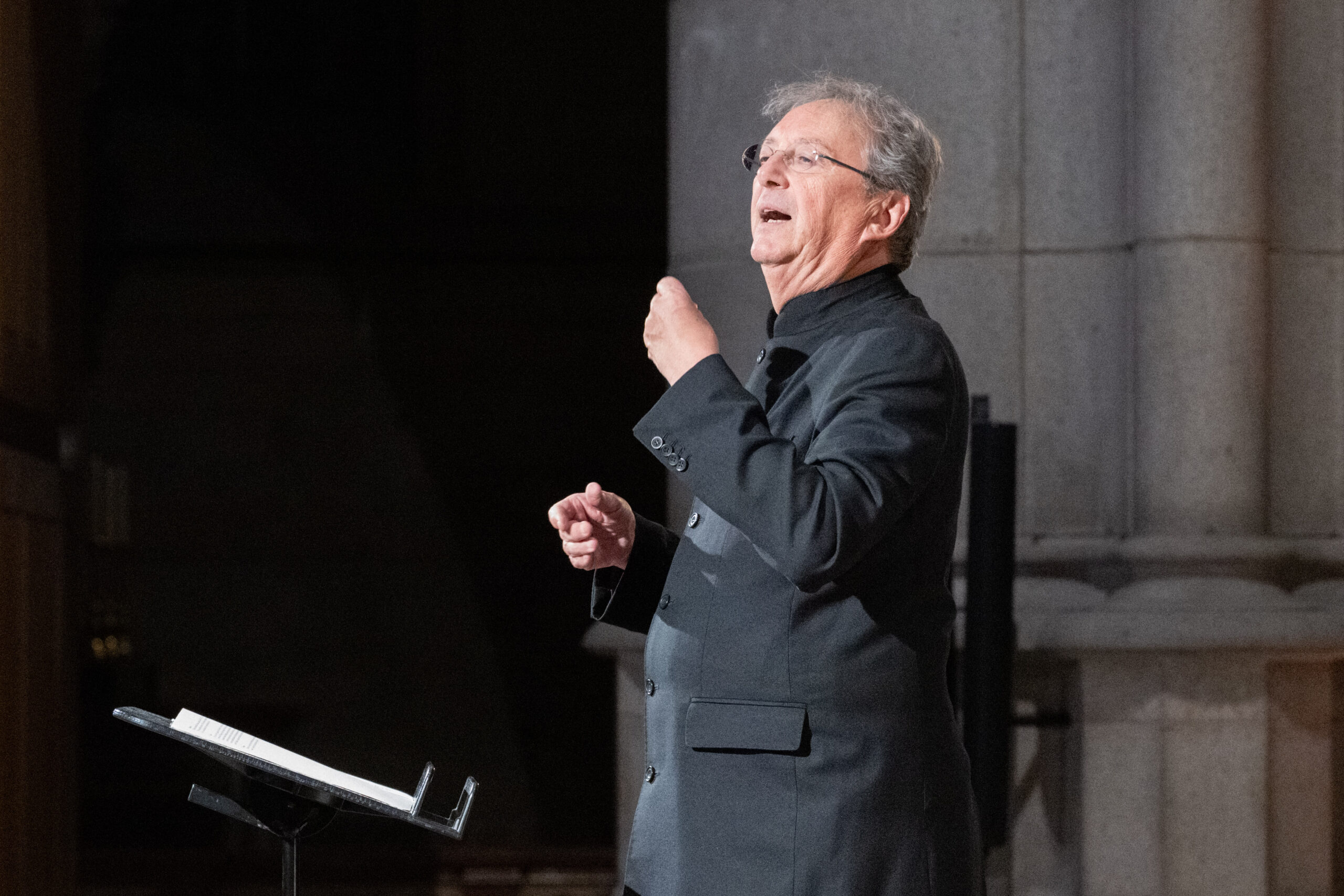
Pete Rock’s productions feel alive because they are built from musicianship as much as sample selection. His work with CL Smooth, especially on Mecca and the Soul Brother and The Main Ingredient, blends dusty drums with lush musical fragments—horn stabs, keys, bass phrases, and vocal snippets—assembled into an unmistakably warm sonic fingerprint.
What separates Pete Rock is the richness of his harmony and the way he stacks source material without making it sound overbuilt. There is a smoothness to his tracks, but never at the expense of punch. The drums still knock, yet the overall field feels soulful and dimensional.
Production takeaway: Build beats with complementary layers instead of competing ones. If your sample has brightness, pair it with round drums and a restrained bass. Use EQ to make room for each musical element, but preserve enough midrange to keep the record feeling human and textured.
6. RZA: Lo-Fi Atmosphere, Dust, and Cinematic Chaos
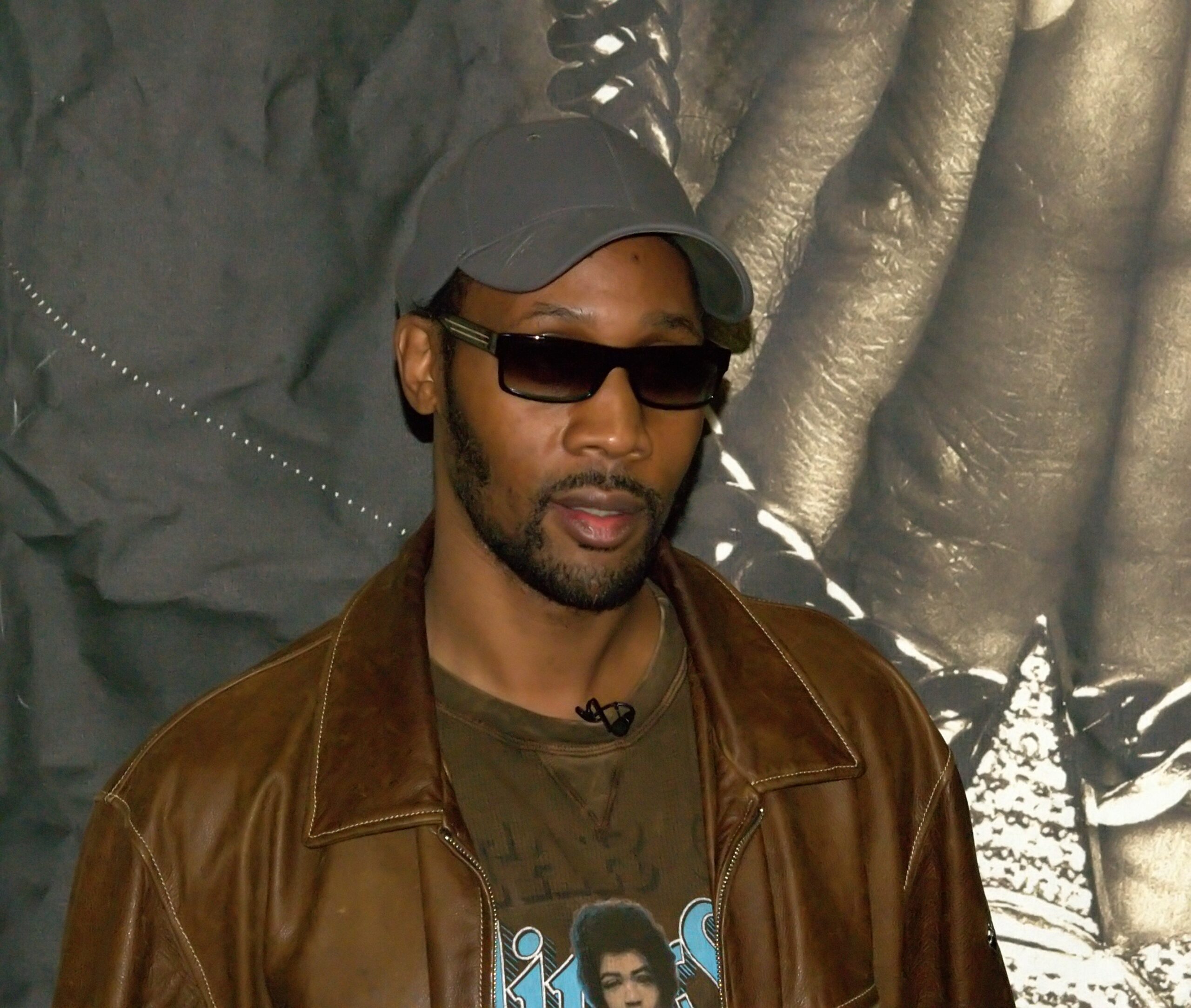
RZA’s early Wu-Tang productions rewired what hip hop could sound like. Instead of chasing cleanliness, he embraced murk, grit, and strange harmonic tension. His beats on Enter the Wu-Tang (36 Chambers) and related projects are sparse but menacing, built from chopped soul, kung-fu film textures, off-kilter drums, and eerie melodic fragments.
RZA’s genius lies in contrast: brutal drums against fragile samples, wide-open spaces against dense emotional residue. His tracks feel like environments. They do not simply support verses—they establish a worldview.
Production takeaway: Don’t be afraid of texture. Tape emulation, bit reduction, filter sweeps, and background ambience can all help create the kind of cinematic grime RZA mastered. The key is restraint: use atmosphere to frame the beat, not overwhelm it.
7. Timbaland: Rhythmic Deconstruction and Elastic Sound Design
Timbaland took hip hop and R&B production into a hyper-detailed rhythmic language built from syncopation, weird percussion, and unexpected sonic choices. His work with Missy Elliott, Aaliyah, and Jay-Z often feels like a machine learning how to dance. The drums do not simply mark time—they bend it.
His beats frequently feature off-center kick patterns, vocal ad-libs used as percussion, stuttering synth gestures, and custom textures that avoid standard drum-machine clichés. Timbaland’s productions are futuristic because they sound specifically designed, not assembled from generic parts.
Production takeaway: Think beyond kick-snare-hat. Build percussion from Foley, vocal chops, rim variations, and synth blips. If your beat feels predictable, remove a standard element and replace it with a sound that creates a rhythmic surprise.
8. Marley Marl: Sample Innovation and the Blueprint of Boom-Bap
Marley Marl helped define the DNA of golden-age hip hop production. His work with MC Shan, Big Daddy Kane, and Masta Ace turned sample-based beatmaking into a refined craft. Marl was one of the first to treat the drum machine and sampler as tools for reconstructing a record, rather than merely looping it.
The Marley Marl sound is foundational boom-bap: sturdy drums, chopped breaks, and samples arranged with clarity and bounce. His tracks often feel less ornate than later East Coast production, but that simplicity is exactly why they last. He gave the genre a framework.
Production takeaway: Start with the break. If the drums are compelling, the rest of the beat has a spine. Build around groove first, then layer sample fragments only where they enhance momentum.
9. Madlib: Crate-Digging Chaos and Off-Kilter Jazz Logic
Madlib’s productions, especially on Madvillainy and the Beat Konducta series, sound like they were assembled from fragments of another dimension. His beats are loose, dusty, and deeply musical, but rarely predictable. He uses samples as if he is improvising with the past in real time.
The Madlib formula often includes unexpected source material, abrupt transitions, submerged drums, and harmony that feels slightly unstable. The roughness is not a flaw—it is a compositional identity. His tracks often gain power from their unpredictability and from the sense that they might collapse if you stare too hard.
Production takeaway: Embrace imperfect loops and unusual sample combinations. A beat can become more memorable when it contains a harmonic oddity or a rhythmic misalignment that would normally be edited out.
10. The Neptunes: Minimalism, Negative Space, and Pop-Forward Street Records
Pharrell Williams and Chad Hugo, operating as The Neptunes, made minimalism sound expensive. Their work for Clipse, N.O.R.E., Jay-Z, and a generation of crossover records used sparse drum programming, sharp synth motifs, and unusual melodic spacing to create tracks that were lean but unforgettable.
Their sound relies on negative space. A beat might feature a simple snare, a dry kick, one hooky melodic figure, and a bassline that leaves plenty of air around the vocal. That restraint gives the record a modern edge and makes every small sound feel intentional.
Production takeaway: Minimal production only works when each sound has personality. Use unique timbres, not just fewer tracks. A single synth stab or percussion hit can carry the entire identity of a beat if it is mixed and arranged with purpose.
The Lasting Lesson: Signature Sound Is a System, Not a Preset
The best hip hop producers in history did more than make great beats. They built repeatable systems: Dre’s spacing, Dilla’s pocket, Kanye’s sample emotion, Premier’s loop discipline, Pete Rock’s warmth, RZA’s atmosphere, Timbaland’s rhythmic design, Marley Marl’s boom-bap foundation, Madlib’s collage logic, and The Neptunes’ negative space. Each sound is recognizable because it solves the same problem in a distinctive way.
For modern producers, the lesson is clear. A signature sound is not one plugin, one drum kit, or one sample pack. It is a consistent set of decisions about timing, texture, harmony, and arrangement. Study the records closely, copy the workflow honestly, then push it into your own language.
Image: Touching down after making a million hearts stop a beat (3281207931).jpg | Touching down after making a million hearts stop a beat | License: CC BY 2.0 | Source: Wikimedia | https://commons.wikimedia.org/wiki/File:Touching_down_after_making_a_million_hearts_stop_a_beat_(3281207931).jpg