The Indie Rock Album Blueprint: 10 Records That Changed the Producer Playbook
These 10 indie rock albums didn’t just define scenes—they changed how producers think about guitars, drums, space, and emotional impact. Here’s what to listen for, and what to steal for your own sessions.
Indie rock is often discussed like a vibe: scrappy, emotionally direct, a little rough around the edges. But from a production perspective, the genre has been one of the most influential laboratories in modern recorded music. The best indie rock albums didn’t just write great songs—they solved recurring studio problems in fresh ways: how to make a minimal arrangement feel huge, how to make lo-fi sound intentional, how to let vocals sit close without collapsing the mix, and how to turn imperfect performances into a signature.
If you produce, engineer, or obsess over records that feel alive, this is the real value of studying indie rock. These albums are not just canonical; they are practical reference points. They teach arrangement restraint, drum ambience, guitar layering, vocal placement, and the art of leaving space. Below are 10 essential indie rock albums every serious listener should know, with an eye toward what they reveal in the studio.
1. The Strokes — Is This It (2001)

File:Nick valensi 2dollarbill.jpg
File:Albert Hammond, Jr. 2013.jpg
File:Nikolai Fraiture.jpg
File:Fabrizio Moretti (The Strokes).jpg | License: CC BY-SA 3.0 | Source: Wikimedia | https://commons.wikimedia.org/wiki/File:The_Strokes.jpg
Is This It is one of the defining records of early-2000s indie rock, but its production lesson is broader than its era. The guitars are dry, mid-forward, and tightly arranged, creating energy without relying on excessive width. Drums are punchy and controlled, with a realism that still feels radio-ready. The magic is in the discipline: almost every part is designed to make the groove feel effortless.
Producer takeaway: If a mix feels crowded, strip the arrangement before reaching for more processing. This record shows how clarity and attitude can come from subtractive decisions, not just tonal tricks.
2. Arcade Fire — Funeral (2004)
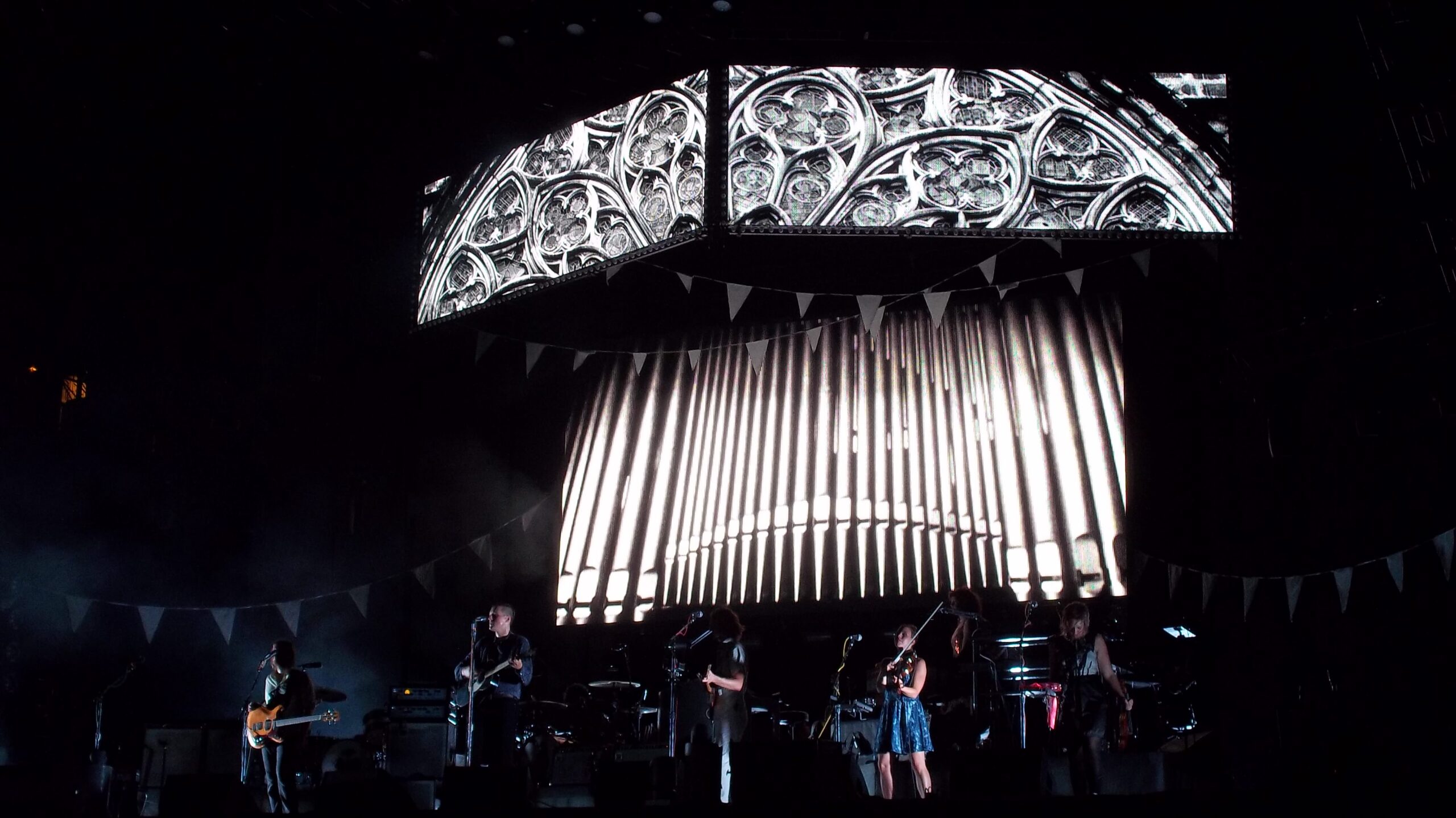
Funeral is a masterclass in controlled chaos. It balances chamber-pop scale with garage-band urgency, and the production leans into emotional density without turning muddy. The arrangements stack piano, strings, percussion, and gang vocals, yet each element still has a role in the dynamic arc. The record feels big because it understands contrast: intimate verses, cathartic refrains, and carefully staged crescendos.
Producer takeaway: When building an epic indie arrangement, automation matters as much as instrumentation. Volume rides, room tone, and reverb depth are what make the climaxes land.
3. Modest Mouse — Good News for People Who Love Bad News (2004)
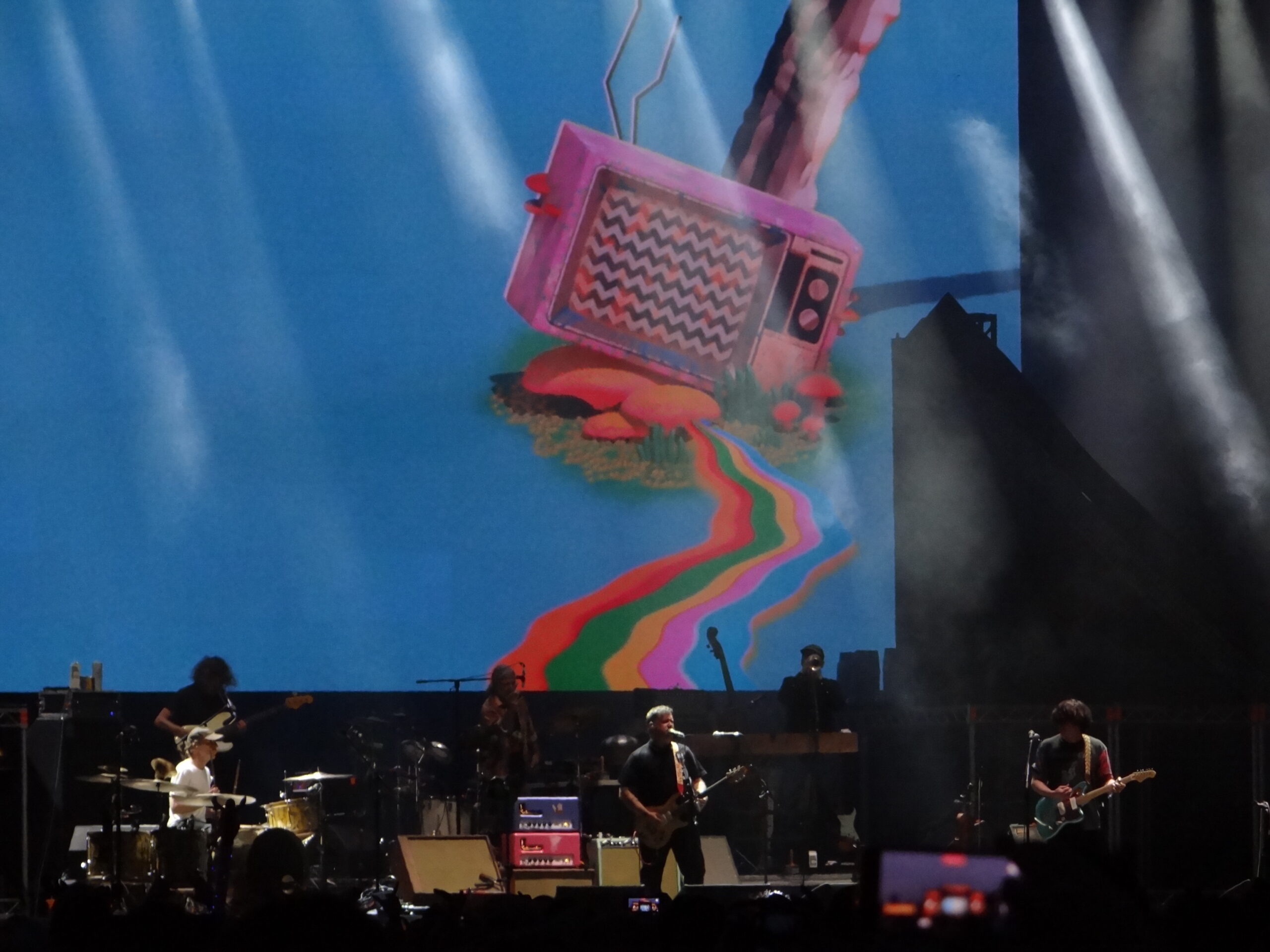
This album is a study in tension between eccentric songwriting and mainstream polish. The mixes preserve Modest Mouse’s off-kilter identity while smoothing enough edges to widen the audience. Drum parts swing between loose and mechanical, guitars often blur between rhythm and texture, and the vocals sit forward like a narrator trying to keep the chaos under control.
Producer takeaway: You do not have to sterilize unusual performances to make them accessible. Selective cleanup, strategic EQ, and vocal focus can make idiosyncrasy feel intentional rather than accidental.
4. Interpol — Turn On the Bright Lights (2002)

This is one of the most instructive indie rock albums for anyone interested in atmosphere. The guitars are all about sustain, delay, and negative space; the bass carries real harmonic weight; and the drums are mixed with a tight, nervous precision that keeps the tension constant. The record is often described as dark, but technically it is about control—every sound is carefully framed.
Producer takeaway: A moody mix is rarely about heavy reverb alone. Interpol’s sound depends on disciplined transient management, tempo-aware delays, and arrangements that avoid frequency clutter.
5. Neutral Milk Hotel — In the Aeroplane Over the Sea (1998)
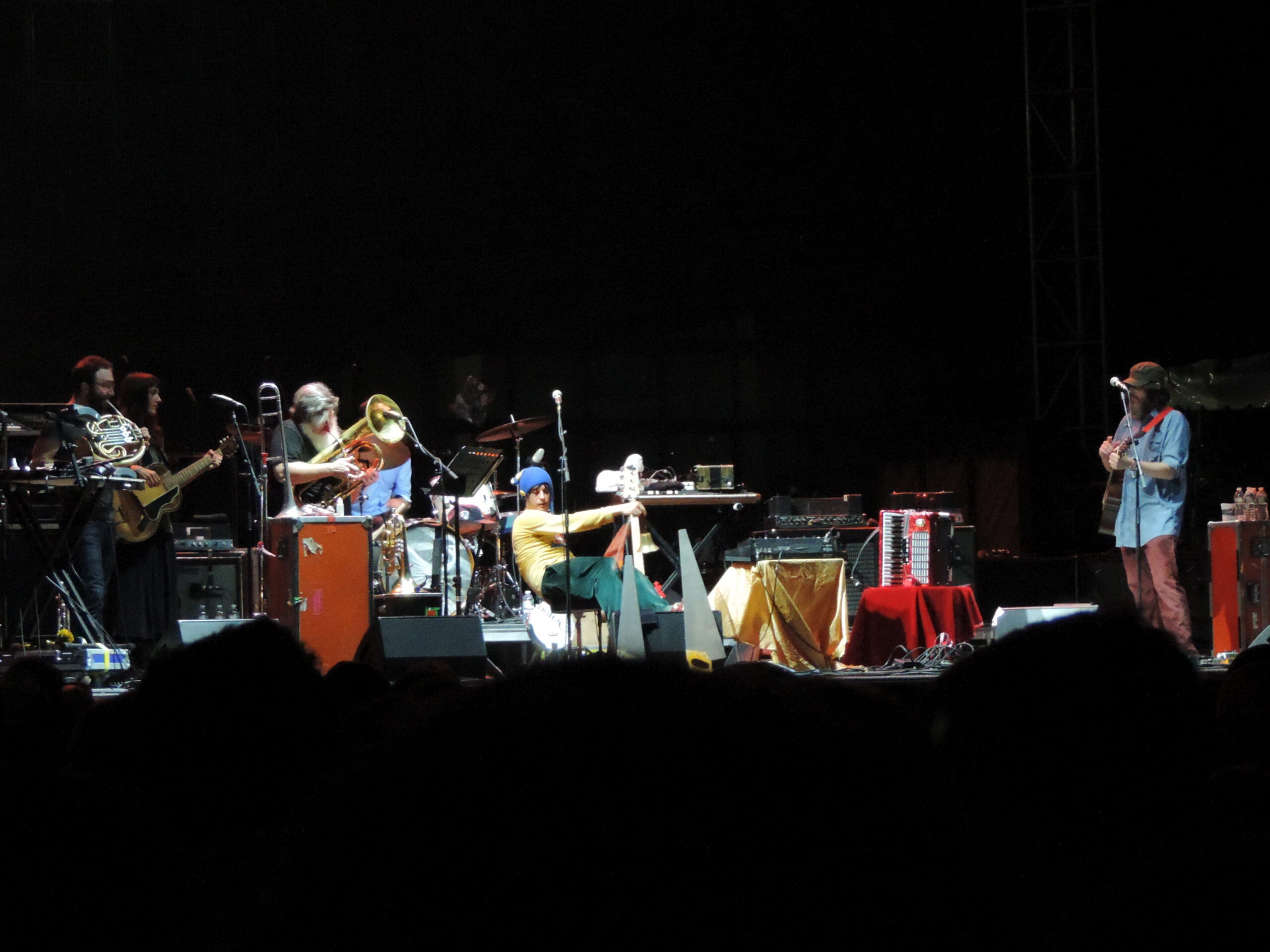
Few albums have translated emotional volatility into such a durable sonic identity. The lo-fi elements are not an aesthetic accident; they are part of the narrative texture. Acoustic guitars, buzzed-out brass, tape saturation, and cracked vocals combine into something that feels handmade and haunted. The mix can be congested by traditional standards, but its density is expressive rather than careless.
Producer takeaway: Lo-fi works when the sonic limitations reinforce the songwriting. Don’t emulate the noise floor without also understanding the arrangement and emotional context that make it compelling.
6. The White Stripes — Elephant (2003)

Elephant is a reminder that minimal instrumentation can still sound massive. The record leans on extremely focused tone choices: raw guitar distortion, aggressive drum placement, and a mix that gives Jack White’s performance enough room to dominate. The stereo image is often deceptively simple, but the impact is huge because the parts are saturated with character.
Producer takeaway: If you only have a few elements, make each one sonically unmistakable. Use amp choice, mic position, saturation, and performance dynamics to create size before reaching for layers.
7. Yo La Tengo — I Can Hear the Heart Beating as One (1997)
This album is a production chameleon. It moves from hushed to noisy, from delicate to expansive, without losing coherence. That versatility is part of its genius. The band and production team allow the record to breathe across genres and textures, proving that indie rock does not have to lock itself into one sonic formula.
Producer takeaway: Cohesion can come from identity, not sameness. If the songs vary in mood, the mix philosophy can still stay consistent through recurring tones, ambience choices, or vocal treatment.
8. Wilco — Yankee Hotel Foxtrot (2002)
Few indie albums have been analyzed as much as Yankee Hotel Foxtrot, and for good reason. Its production feels like a negotiation between acoustic songwriting and experimental sound design. Glitchy textures, reversed elements, detuned ambience, and oddly placed sonic fragments sit beside sincere melodic writing. The result is a record that feels both broken and beautifully resolved.
Producer takeaway: Textural editing can become part of the arrangement language. Small sonic anomalies—micro-loops, noise bursts, degraded samples—can create emotional friction when used sparingly.
9. Elliott Smith — Either/Or (1997)
Either/Or is an essential reference for intimate production. The acoustic guitars are close, the vocals are fragile but present, and the instrumentation never distracts from the writing. What makes the album powerful is not technical excess, but the precision of emotional framing. The songs feel like they are being sung directly into the listener’s ear.
Producer takeaway: Intimacy is a mix decision. Close mic technique, low room reflection, and restrained compression can make a performance feel confessional without needing heavy processing.
10. Spoon — Ga Ga Ga Ga Ga (2007)
Spoon has long been a benchmark for disciplined indie rock production, and Ga Ga Ga Ga Ga is one of the clearest examples of that ethos. The grooves are tight, the arrangements are economical, and every instrument seems designed to support the song rather than advertise itself. There’s a sleekness here, but it never feels overworked.
Producer takeaway: Great indie production often comes down to editing decisions. Tight drum pocket, precise bass articulation, and arrangement subtraction can make a song feel more confident than adding another layer ever could.
What These Albums Teach Producers
Across these records, a few patterns keep repeating. First, indie rock rewards identity over polish. A record can be technically imperfect and still feel essential if its tone choices are consistent and purposeful. Second, space is not emptiness—it is arrangement. The best indie mixes know when to leave room for a vocal, a snare crack, or a guitar figure to become the emotional center. Third, texture matters as much as harmony. Saturation, room sound, transient shape, and stereo placement all help define the record’s personality.
If you are building your own sessions, these albums are worth studying on headphones and monitors, not just as playlists but as production documents. Mute parts mentally. Pay attention to how drums are allowed to breathe. Notice when guitars are fighting for attention and when they are intentionally blurred into atmosphere. Listen for when a vocal is perfectly dry versus when a little room makes the performance feel more human.
The Short Version
The most important indie rock albums are not just genre landmarks—they are templates for solving real production problems. Whether you are chasing lo-fi authenticity, widescreen emotion, or lean, hook-driven clarity, these 10 records offer concrete answers. Study them like you would a great plugin chain or a classic console: not for nostalgia, but for technique.
Image: 1954. Westinghouse Fan Family Album. A-208-2.jpg | This studio production photo was taken by a photographer working for Ray and Betty Culley, owners of Cinécraft Productions, a Cleveland, Ohio, motion picture studio. Ray and Betty Culley were my father and mother. They left this photo and a number of other production photos and early studio films and records to my brothers and me. In 2019 our families donated the materials to Hagley Museum and Library to preserve as as collection of early films and TV programs under a non exclusive usage agreement. Contact Hagley Museum and Library (Hagley.org) for additional information ab | License: CC BY-SA 2.5 | Source: Wikimedia | https://commons.wikimedia.org/wiki/File:1954._Westinghouse_Fan_Family_Album._A-208-2.jpg