The 10 Punk Albums That Still Set the Pace: A Canon With Bite
Punk’s best records didn’t just break rules—they rewrote the template for urgency, distortion, and attitude in recorded music. Here’s a sharp, context-rich guide to the ten albums that still matter most.
Why these punk albums still matter
Punk is often framed as a rejection of virtuosity, but the genre’s most important albums are actually masterclasses in arrangement, economy, and impact. The records below didn’t just capture a scene—they established a recording language built on speed, compression, raw vocal delivery, and songs that got to the point before the listener could look away. If you’re a producer, engineer, or serious listener, the value here isn’t nostalgia. It’s understanding how minimalism can hit harder than polish.
This list is not about genre purity or academic ranking. It’s a practical canon: albums that shaped punk’s identity, expanded its reach, or set a benchmark for aggression, melody, and defiance. Some are noisy and primitive by design. Others are surprisingly precise, even slick in places. All of them changed the rules.
1. The Ramones — Ramones (1976)
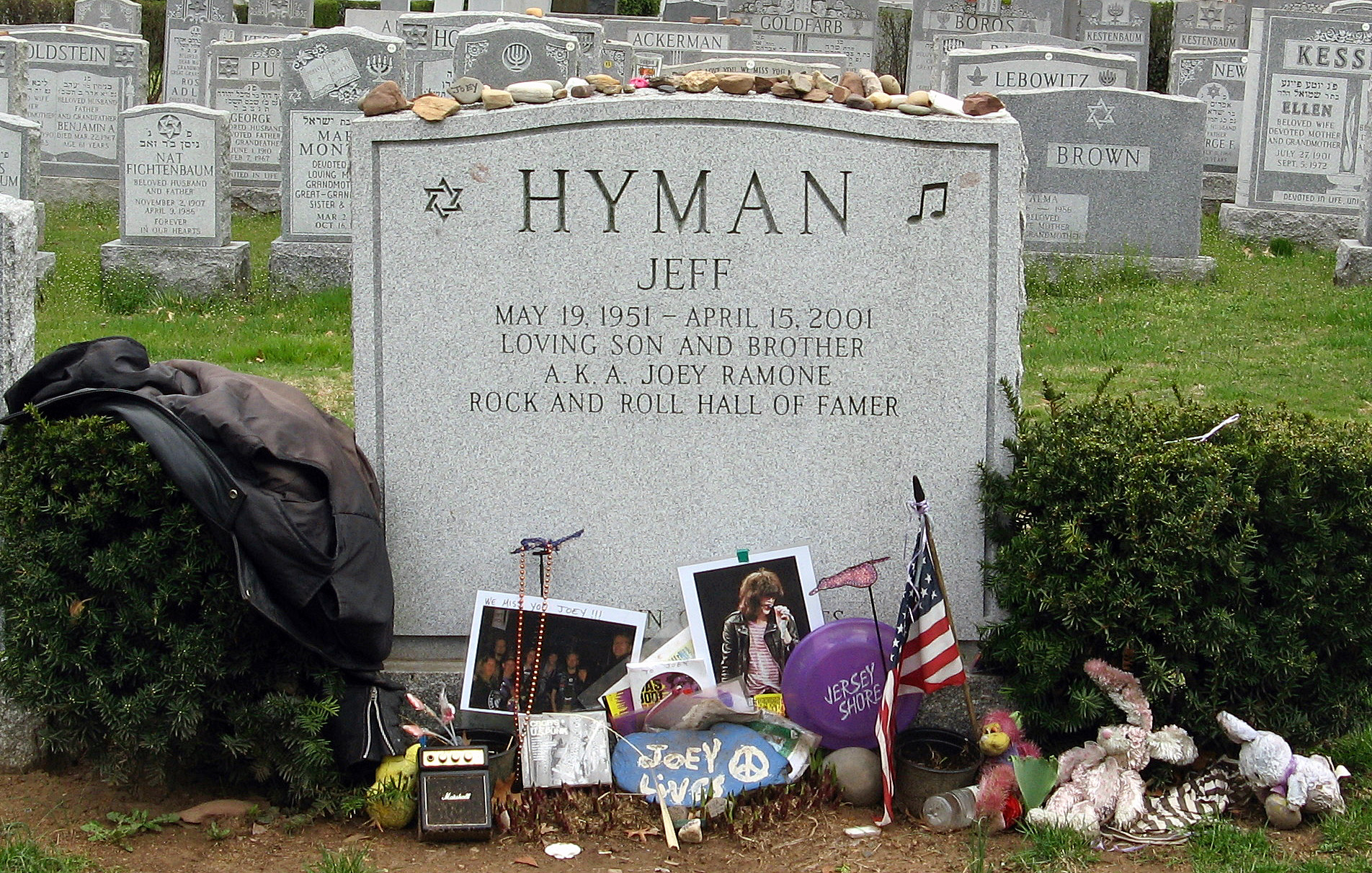
The first Ramones album is the blueprint. Short songs, downstroke guitars, dry humor, and a relentless tempo made punk feel like a format rather than a vibe. What sounds simple on paper is actually a study in consistency: the band locks into a near-mechanical pulse, while the mono-minded guitar tone keeps every track punchy and direct.
From a production standpoint, the record’s power comes from restraint. There’s very little excess around the core quartet, which makes the arrangements feel larger than they are. If you want to hear how repetition becomes identity, start here.
2. The Sex Pistols — Never Mind the Bollocks, Here’s the Sex Pistols (1977)
Few punk albums have the cultural gravity of Never Mind the Bollocks. Musically, it’s not just chaos; it’s chaos with structure. The guitars are thick and brash, the bass is muscular, and Johnny Rotten’s vocal sits right at the edge of collapse without ever losing focus. It’s a record that weaponizes attitude, but the songs are durable because the hooks are undeniable.
Its engineering matters too. The album has a heavy, almost arena-sized density that separates it from the basement myth of punk. This is punk with a major-label budget and a public fight built into its DNA.
3. The Clash — The Clash (1977)
If the Ramones defined punk’s speed and the Pistols defined its antagonism, The Clash defined its range. The U.K. debut is ragged, urgent, and politically charged, but it also reveals how punk could absorb reggae, dub, and rockabilly without losing its core identity. That flexibility would become essential to the genre’s longevity.
Listen to the rhythmic push-pull between guitar and bass: the band uses space strategically, letting certain phrases breathe so the attack lands harder. For producers, that’s the lesson—punk does not have to mean constant overdrive. Dynamics can be part of the violence.
4. Black Flag — Damaged (1981)
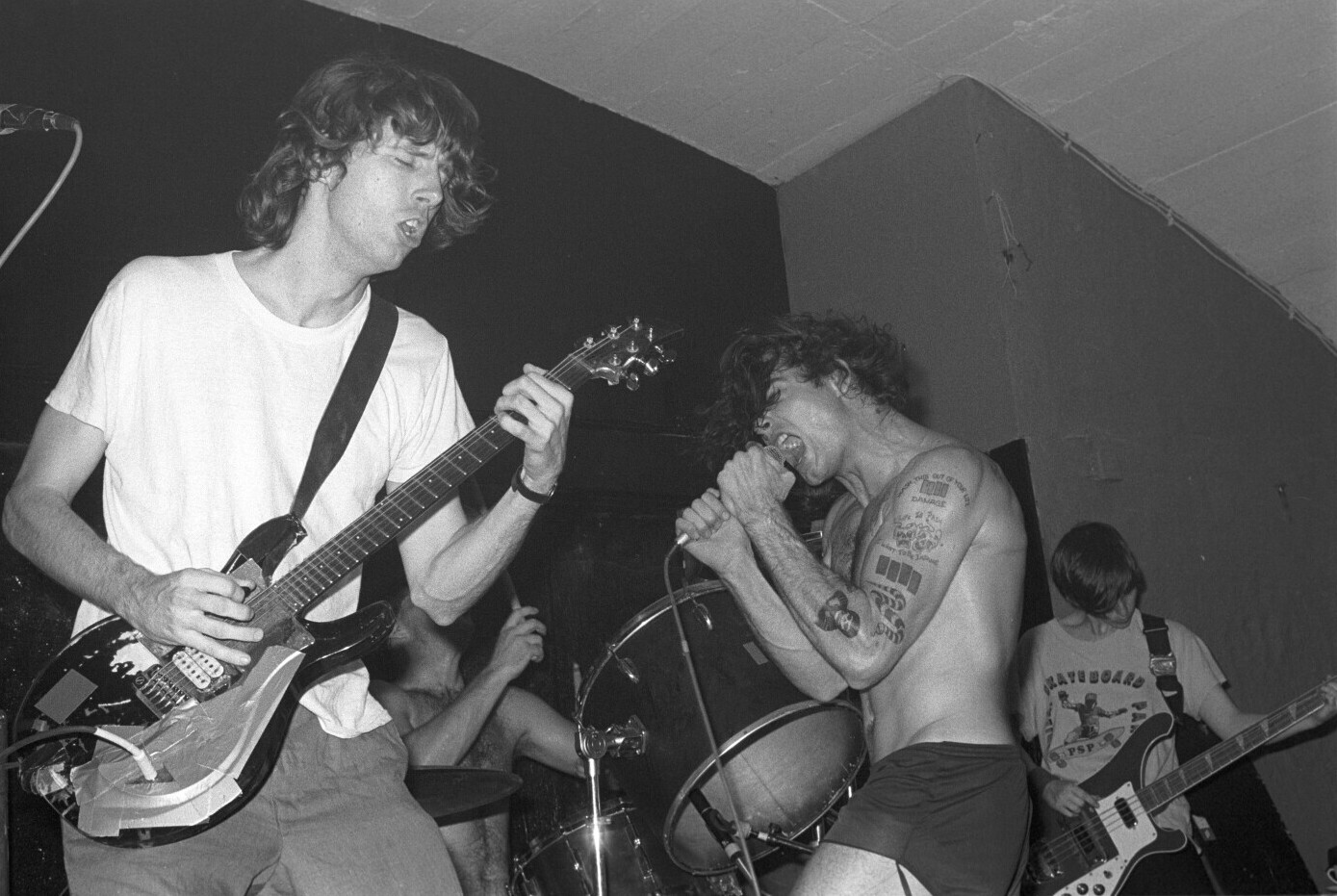
Damaged is a turning point where punk becomes more jagged, more confrontational, and more psychologically intense. Henry Rollins’ performance is famously unhinged, but the real story is the band’s precision. Greg Ginn’s guitar lines are abrasive and angular, not merely loud, and the rhythm section turns repetition into pressure.
This is one of the records that helped hard-core punk become a distinct sublanguage. The tempos are faster, the songs are leaner, and the emotional register is narrower but deeper. The sound is less about rebellion as posture and more about survival as a sonic event.
5. Dead Kennedys — Fresh Fruit for Rotting Vegetables (1980)
Dead Kennedys brought satire, politics, and a remarkably sharp musical edge to punk’s early era. Fresh Fruit for Rotting Vegetables is chaotic in theme, but the playing is tight, almost surgical. East Bay Ray’s guitar often sounds like it’s making fun of rock convention while still depending on it, and the bass lines are agile enough to keep the songs airborne.
The album’s production preserves enough grit to feel dangerous, but not so much that the detail disappears. That balance is rare in punk records, especially ones with this much lyrical density. It’s a reminder that clarity can strengthen aggression.
6. Stiff Little Fingers — Inflammable Material (1979)

One of punk’s most underrated classic albums, Inflammable Material channels political unrest into songs that are immediate without feeling simplistic. The guitars have a wiry, almost spring-loaded quality, and the performances carry a tension that makes the album feel constantly on the verge of ignition.
What distinguishes it is the songwriting. These tracks are built to stick, with choruses that hit fast and hard. Punk often gets reduced to volume and attitude, but this record shows how lyric specificity and melodic discipline can make a protest song memorable.
7. The Stooges — Raw Power (1973)
Technically pre-punk, emotionally foundational. Raw Power is the bridge between garage rock, proto-punk, and the feral energy that would define the genre. Iggy Pop’s delivery is less singing than provocation, while the guitars are so abrasive they practically redefine what “distortion” can mean in a rock context.
This is one of those albums where mix choices became part of the legend. The rawness is not accidental to its legacy; it’s the point. If you track punk’s ancestry through sound rather than scene, this record is unavoidable.
8. The Damned — Damned Damned Damned (1977)
The Damned’s debut is one of punk’s most efficient statements. It’s fast, melodic, and blessed with a slightly looser, more playful energy than some of its more polemical peers. That looseness is part of the charm, giving the album a live-wire feel without sacrificing propulsion.
For listeners who think punk must sound monochrome, this album is a correction. The band lets hooks do the work, and the result is one of the most re-listenable early punk records. Sometimes the most radical move is making chaos catchy.
9. Buzzcocks — Another Music in a Different Kitchen (1978)
Buzzcocks brought a crucial melodic intelligence to punk. Their debut is fast, sharp, and emotionally bruised in a way that feels more internal than political. The guitars are bright and wiry, the rhythm section is taut, and the vocal melodies give the songs a lasting sting.
This record is essential for understanding how punk fed into power pop, indie rock, and later alternative songwriting. If the Ramones showed punk’s skeletal structure, Buzzcocks demonstrated how much melody the frame could support without breaking.
10. Minor Threat — Out of Step (1983)
Minor Threat’s defining collection belongs on any serious punk list because it codified the ethics and sonic severity of American hardcore. Out of Step is short, furious, and almost aggressively concise. Ian MacKaye’s vocals are clipped and direct, and the band’s stop-start force makes every second feel deliberate.
The production is stripped down, but not weak. In fact, the rawness amplifies the message: no wasted notes, no ornamental layers, no drift. For modern bands and producers, the takeaway is simple—if the lyric, arrangement, and tempo all point in the same direction, the result feels uncompromising even at low track counts.
What makes a punk album timeless?
The best punk albums are not timeless because they are polished. They’re timeless because they are specific. They capture a sound, a scene, and a stance with enough precision that the records still feel alive decades later. The great ones also understand pacing: when to slam the listener, when to let a chorus open up, and when to keep everything tight enough to feel dangerous.
There’s also a production lesson in nearly every title here. Punk records succeed when the arrangement leaves no hiding place. Guitars need separation, vocals need conviction, and drums need impact without bloat. Whether the finish is rough or refined, the goal is the same—make every element earn its place.
Final take
This top 10 is less about settling arguments than about mapping punk’s essential language. The Ramones gave it shape, the Sex Pistols gave it spectacle, The Clash gave it breadth, and hardcore bands like Black Flag and Minor Threat gave it a harder edge. Together, these albums explain why punk remains one of the most influential genres in modern music: it turns constraint into force.
If you’re revisiting the genre or building a reference library, start with these records. They’re not just important historically—they’re useful. And in punk, usefulness often means knowing exactly how to hit with maximum effect.
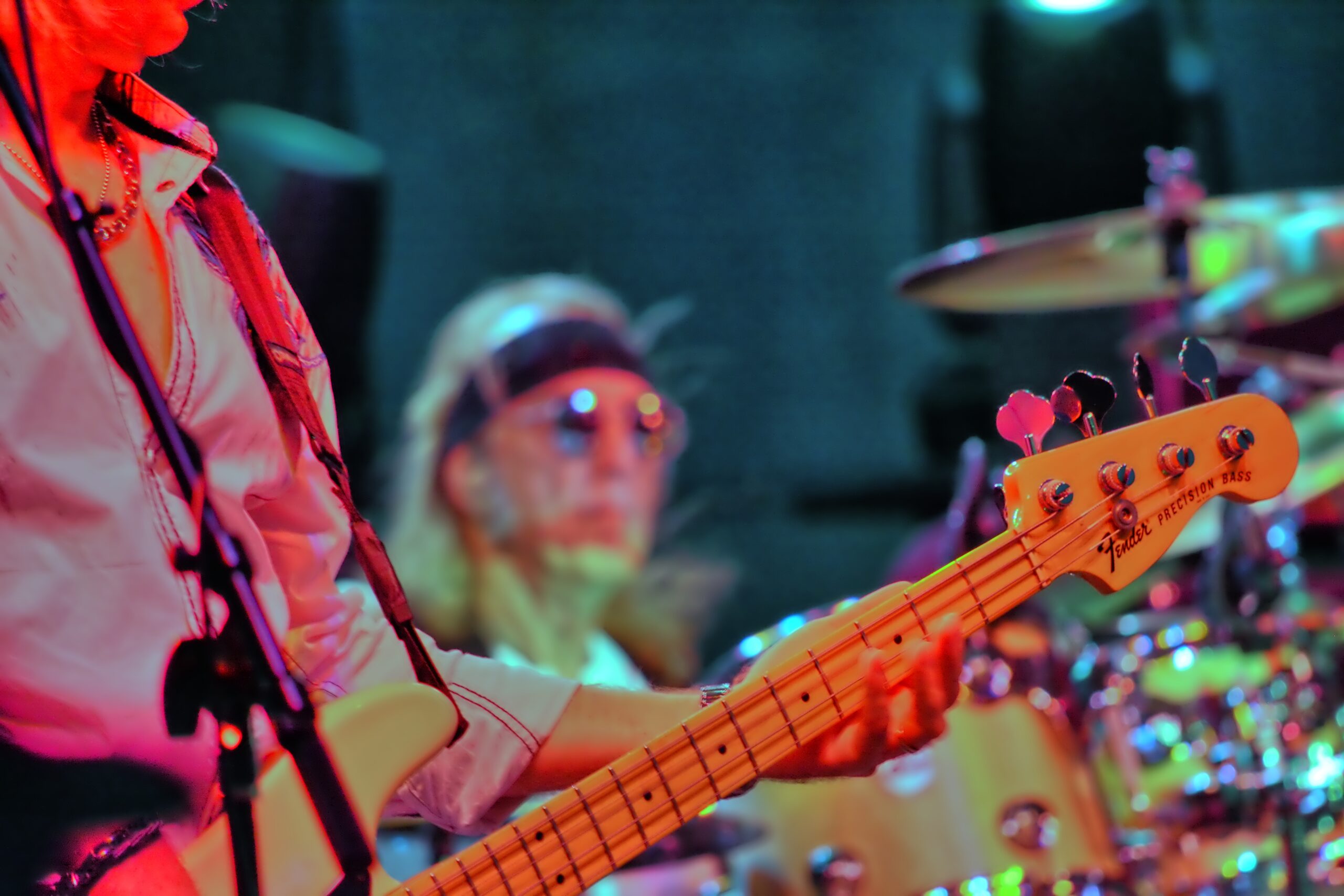
Image: Craig MacGregor with his Fender (20790100370).jpg | Craig MacGregor with his Fender | License: CC BY-SA 2.0 | Source: Wikimedia | https://commons.wikimedia.org/wiki/File:Craig_MacGregor_with_his_Fender_(20790100370).jpg