The 10 Producers Who Defined Hip-Hop’s Signature Sounds
Hip-hop history is really a history of production decisions: drum programming, sample flips, low-end discipline, and the sonic fingerprints that made entire eras instantly recognizable. Here are 10 producers whose techniques didn’t just back the culture — they shaped it.
Hip-Hop’s Greatest Producers Built More Than Beats
Hip-hop has always been producer-driven. Long before “sound design” became a common talking point, producers were already turning drum machines, sampler limitations, and studio experiments into cultural identity. The best hip-hop producers didn’t just make tracks that worked — they created entire sonic languages. A dusty SP-1200 snare, a chopped soul loop, an exaggerated 808 slide, a brutally dry drum mix: these weren’t random choices. They were aesthetic statements.
This list focuses on producers whose signature techniques changed the way hip-hop sounded and, in many cases, how it was made. Some defined the art of sampling. Some elevated minimalism. Others pushed drums, bass, and arrangement into new territory. All of them left a fingerprint you can still hear in modern records.
1. DJ Premier: The Art of the Loop as Identity
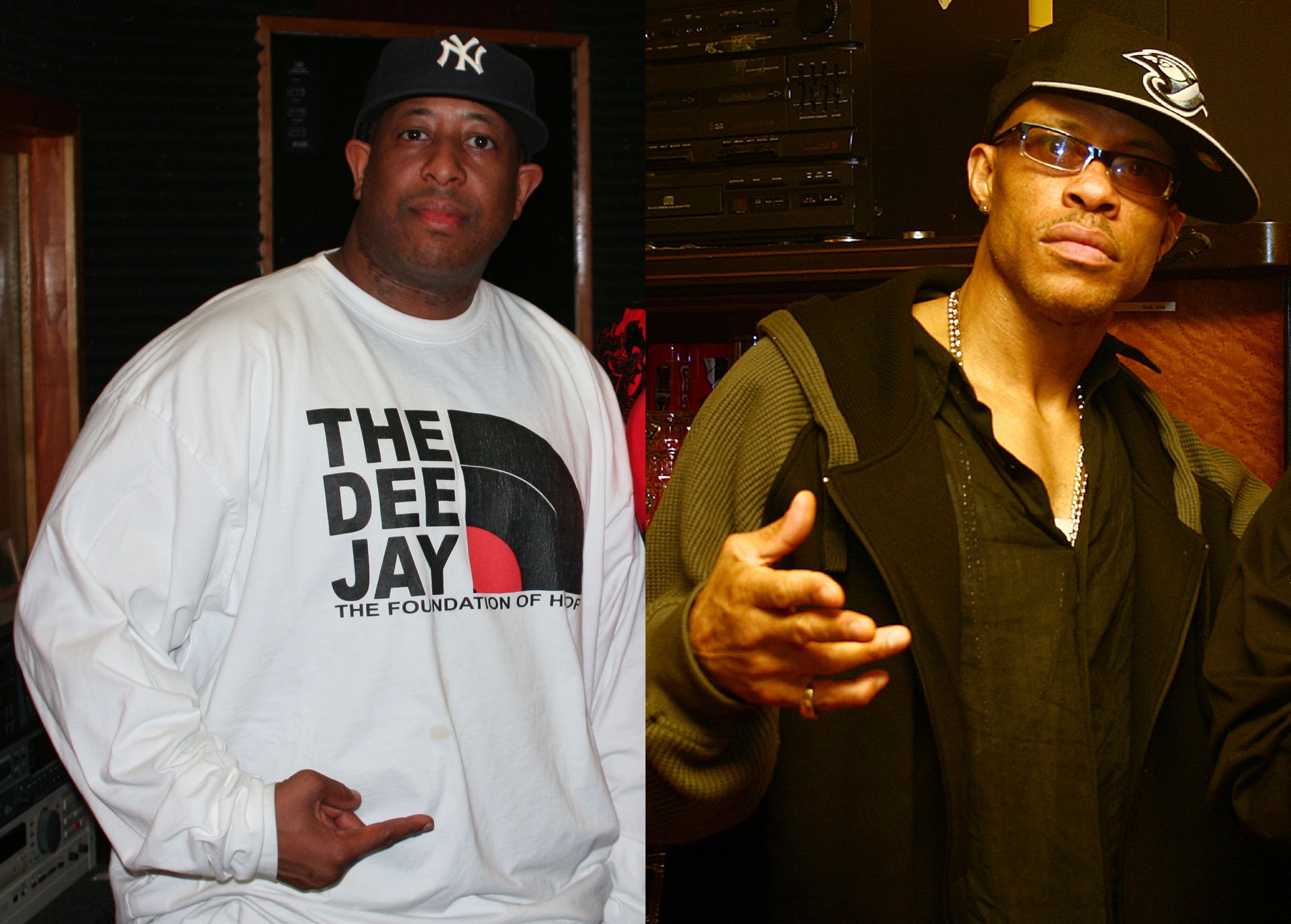
DJ Premier is one of hip-hop’s clearest examples of sound as authorship. His beats are built from razor-sharp drum programming, tightly chopped samples, and a sense of swing that feels both rugged and surgical. The signature Premier formula often includes chopped jazz, soul, or funk fragments, filtered with enough grit to preserve texture but controlled enough to sit hard in the mix.
What makes Premier essential is his commitment to repetition as tension. He understands that a loop doesn’t have to evolve constantly if the details are compelling: a cymbal hit moved half a beat, a scratch accent, a bassline that locks into the kick with almost militant precision. His work with Gang Starr helped define East Coast boom bap, but his production DNA is broader than a region. If you want to study hip-hop drum pocket, sample restraint, and arrangement economy, Premier is foundational.
2. Dr. Dre: Precision, Punch, and West Coast Space
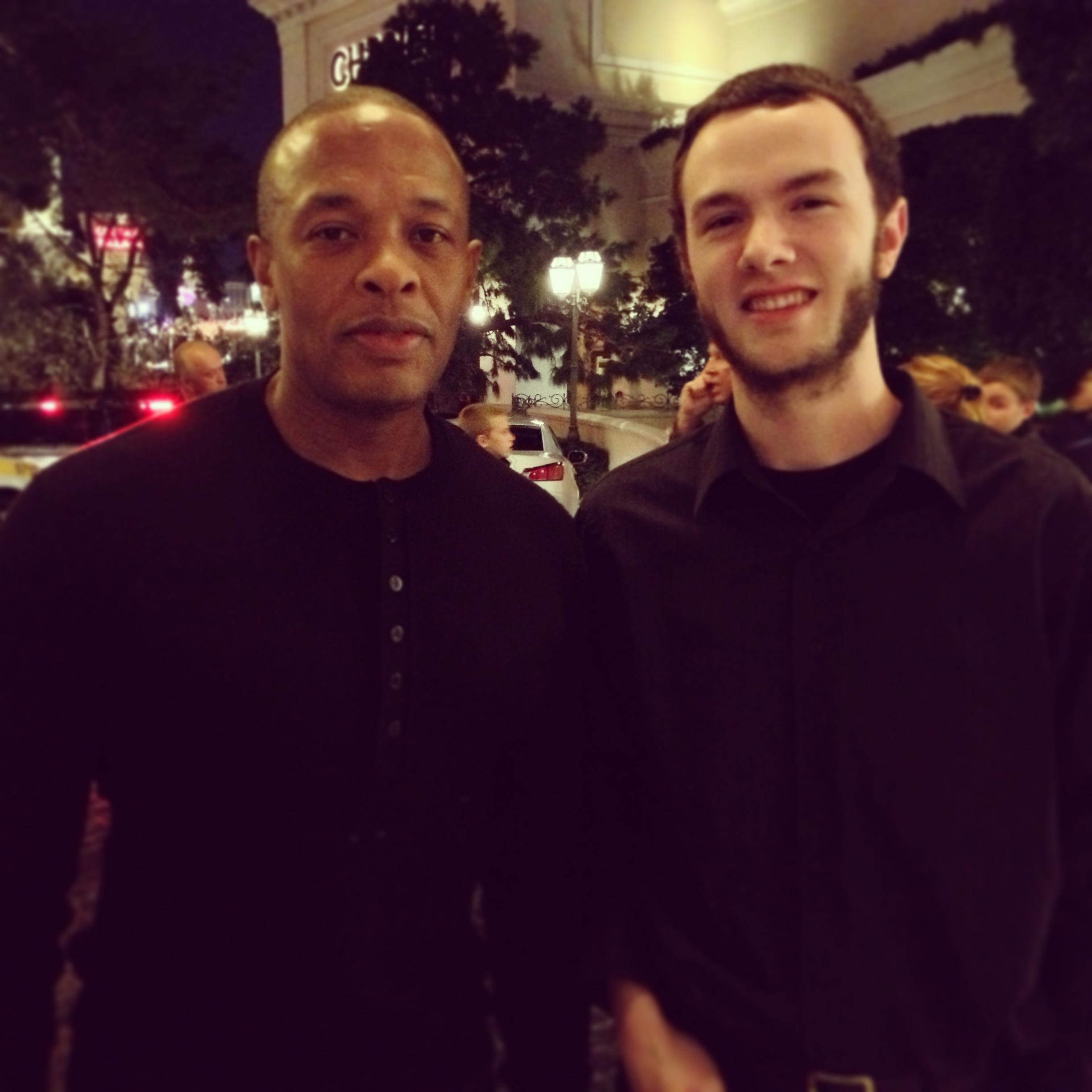
Dr. Dre’s productions are built on balance: massive low end, immaculate separation, and a sense of space that made West Coast hip-hop feel cinematic. Whether in the G-funk era or later G-code precision, Dre’s method is about making every element audible and intentional. His drums hit with authority, but they’re never cluttered. The kick and snare are mixed to feel larger than life while the synths, bass, and vocal pockets are arranged with almost orchestral discipline.
His work helped establish the modern expectation that rap production should sound polished without losing aggression. From The Chronic to 2001, Dre showed how analog warmth, live instrumentation, and studio engineering could coexist with hard-hitting hip-hop rhythm. Producers still study his ability to carve frequency space: bass that doesn’t mask the kick, keys that sit wide without crowding the vocal, and snare transients that cut through on every system.
3. J Dilla: Human Feel Inside Machine Timing
J Dilla’s influence is difficult to overstate because it lives in the details of timing. His beats often sound slightly behind, slightly ahead, and somehow perfectly right at the same time. That feel came from microtiming decisions, sample placement, and drum programming that rejected rigid grid logic in favor of groove. Dilla’s work on Donuts and with A Tribe Called Quest and Slum Village made off-kilter swing a core part of modern production vocabulary.
He proved that machine-based music could feel deeply human without relying on live drums. His loops breathe because the elements are never treated as perfectly identical. Kick placement, sample fragments, and drum accents all create a kind of push-pull that producers still chase in DAWs today using swing settings, manual nudging, and transient shaping. If you’ve ever tried to make a beat feel less robotic, you’re working in Dilla’s shadow.
4. Timbaland: Rhythmic Futurism and Negative Space

Timbaland changed hip-hop and R&B by making rhythm feel alien, elastic, and deeply percussive. His signature sound is built on asymmetry: unusual drum patterns, syncopated melodic fragments, vocal snippets used like percussion, and a fearless approach to negative space. Instead of filling every bar, Timbaland often leaves room for the groove to breathe and the rhythmic quirks to land.
His production on Missy Elliott, Aaliyah, Ginuwine, and Jay-Z records helped reshape mainstream expectations for beat construction. Timbaland’s genius lies in making experimental choices feel commercial. He could turn a stuttering synth motif or an unexpected drum accent into a hook. For producers, his catalog is a masterclass in how to make rhythm itself carry the song.
5. Kanye West: Soul Samples with Pop Scale

Kanye West’s early production helped usher sample-based hip-hop into a more expansive emotional register. His method often involved pitching soul samples upward, chopping them into melodic hooks, and pairing them with crisp, punchy drums that gave the music both nostalgia and urgency. On albums like The College Dropout and Late Registration, he made warmth feel stadium-sized.
What separates Kanye’s production approach from pure crate-digging is arrangement instinct. He understood how to turn samples into narrative devices and how to use drums to amplify the emotional contour of a record. The result was a style that felt classic and contemporary at once. His work also pushed the industry toward more openly melodic rap production, helping make soulful sampling central to 2000s mainstream hip-hop.
6. Pete Rock: Horns, Dust, and Seamless Melodic Flow
Pete Rock is one of the key architects of golden-age sample craft. His productions are known for horn stabs, soul loops, and a warmth that comes from layering samples with tasteful restraint. He excelled at making beats feel rich without sounding crowded, often using short melodic phrases and bass movement to create momentum inside an otherwise loop-based structure.
With tracks like those in his work with CL Smooth, Pete Rock established a template for soulful, unforced hip-hop production. His beats often feel like the sample and the drums were always meant to live together. That seamlessness is harder than it sounds: it requires careful filtering, sample selection, and a strong ear for how midrange textures interact with drums and vocal phrasing. Pete Rock’s sound remains a benchmark for musicality in boom bap.
7. RZA: Lo-Fi Aggression and Cinematic Unease
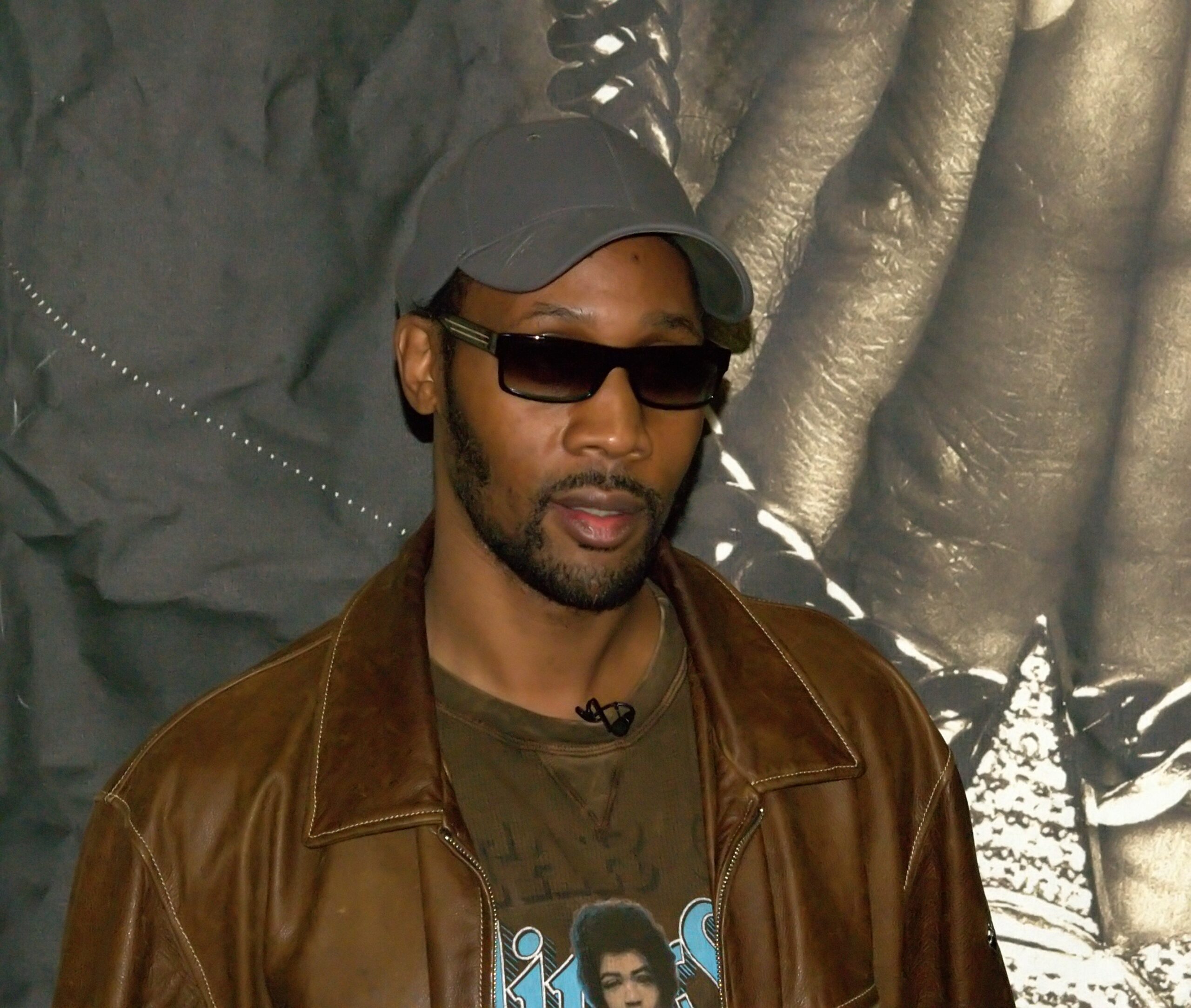
RZA built the Wu-Tang Clan’s sonic world around rough edges. His beats are raw, eerie, and intentionally imperfect, often using chopped soul samples, sparse drum programming, and unconventional textures to create a sense of tension. Unlike producers chasing hi-fi sheen, RZA embraced grit as a narrative tool. The result was music that felt martial, grimy, and unmistakably distinct.
His productions showed that low-fidelity aesthetics could be a deliberate artistic strategy, not a limitation. The woozy samples, off-center drums, and haunting atmospheres on early Wu-Tang records created one of hip-hop’s most iconic sonic identities. For modern producers, RZA’s catalog is proof that atmosphere can carry as much weight as groove.
8. Swizz Beatz: Minimalism, Energy, and Anthemic Drums
Swizz Beatz made minimalism sound enormous. His productions often use sparse melodic content, blunt drum patterns, and chant-ready structures that leave plenty of room for the rapper’s voice to dominate. Instead of overbuilding the beat, Swizz focuses on impact. The result is music that feels volatile, direct, and ready for crowds.
His approach helped define late-1990s and 2000s commercial rap energy, especially through work with DMX, Ruff Ryders, and others. One reason his beats worked so well is their clarity: the kick, clap, and melodic motif are often simple enough to be instantly memorable. In production terms, Swizz is a case study in subtraction — how removing elements can make the ones that remain hit harder.
9. Havoc: Cold Air, Dark Loops, and Street-Level Weight
Havoc’s production for Mobb Deep gave New York street rap one of its most chilling sonic identities. His beats often use minor-key samples, tense textures, and drum programming that feels heavy rather than flashy. There’s a cold, bleak quality to his work that makes it instantly recognizable. The atmosphere is as important as the rhythm.
What Havoc mastered was emotional consistency. His productions don’t just sound dark; they feel psychologically narrowed, like the whole track is being heard through a narrow window. That’s achieved through sample choice, filtering, and careful arrangement of drum and bass elements. For producers studying mood, Havoc shows how texture and harmonic color can create narrative without needing ornamentation.
10. Metro Boomin: Trap’s Modern Blueprint
Metro Boomin helped define the sound of modern trap by refining its core elements into a dominant mainstream formula. His beats often center on deep 808s, sharp hi-hat programming, minimal but memorable melodic loops, and drop structures built for impact. Where earlier trap was often raw and regional, Metro’s version was sleek, scalable, and omnipresent.
His production style demonstrates how modern hip-hop relies on arrangement economy and sound selection. A Metro beat can feel simple on first listen, but the details are precise: the kick and bass interaction, the high-end percussion movement, and the melodic loop designed to stay in the background until it becomes addictive. He didn’t invent trap, but he absolutely helped standardize its biggest commercial language.
What These Producers Teach Modern Artists
The common thread across these ten producers is not gear, though gear matters. It’s intent. Each of them used production choices to reinforce identity: Premier’s loop discipline, Dre’s spacious precision, Dilla’s human timing, Timbaland’s rhythmic experimentation, Kanye’s soulful scale, Pete Rock’s warm sample craft, RZA’s lo-fi menace, Swizz’s minimal power, Havoc’s cold atmosphere, and Metro Boomin’s trap architecture.
If you’re producing today, the lesson is simple: sound design is not separate from musical identity. The way you program drums, process samples, leave space, or shape low end is the message. These producers didn’t just make beats that supported rappers — they made beats that defined eras. That is the standard.
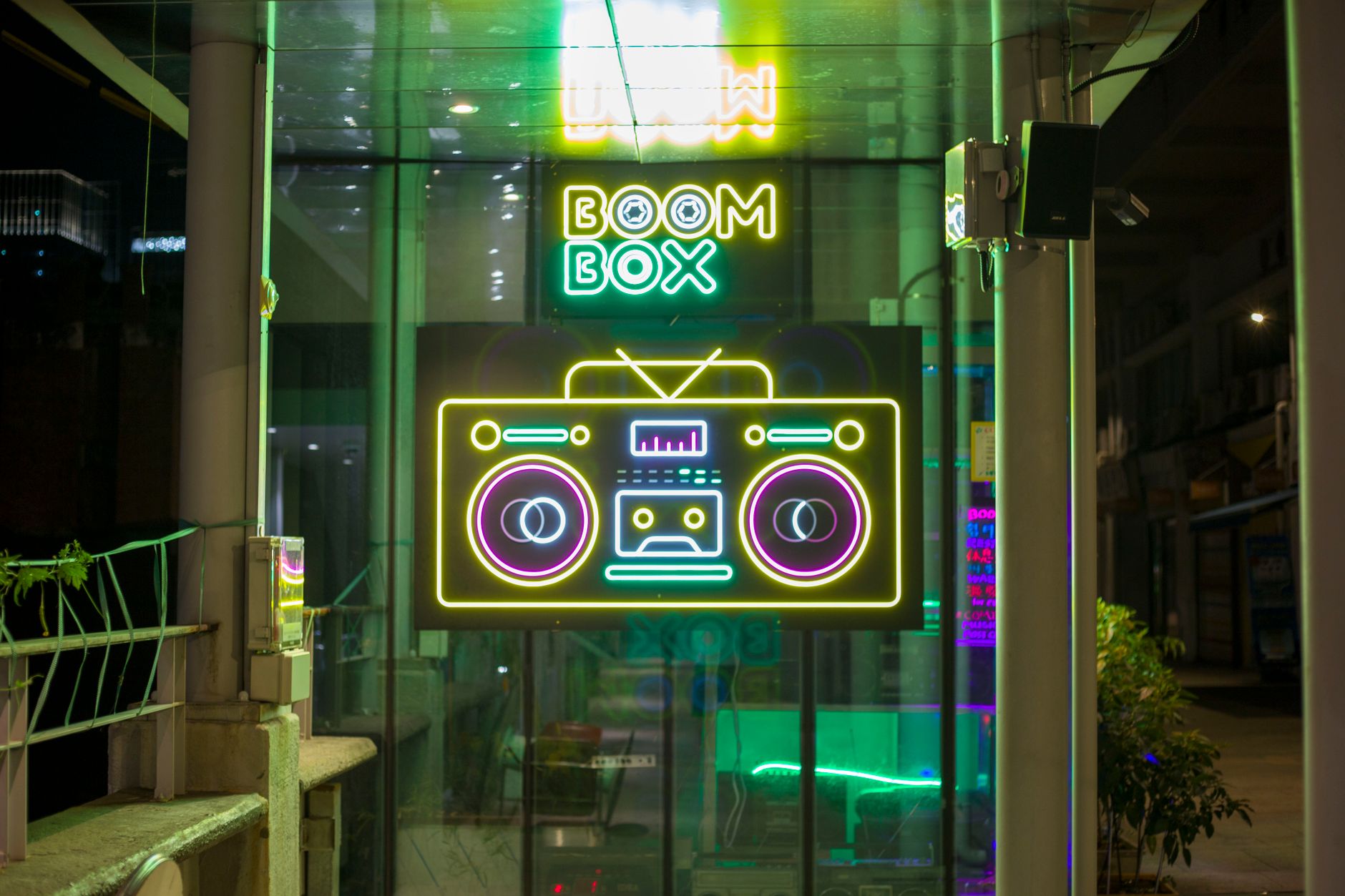
Image: Bright neon sign of a boom box illuminating a storefront at night. | 85 Trol | License: Pexels License | Source: Pexels | https://www.pexels.com/photo/neon-light-signage-hanging-on-a-glass-wall-5183283/