The 10 Hip Hop Producers Who Redefined the Sound of the Genre
From dusty drum programming to maximalist sample surgery, these ten producers didn’t just shape hip hop history—they built distinct technical languages that still define modern beats. Here’s a production-first look at the sound, workflow, and signature moves behind the legends.
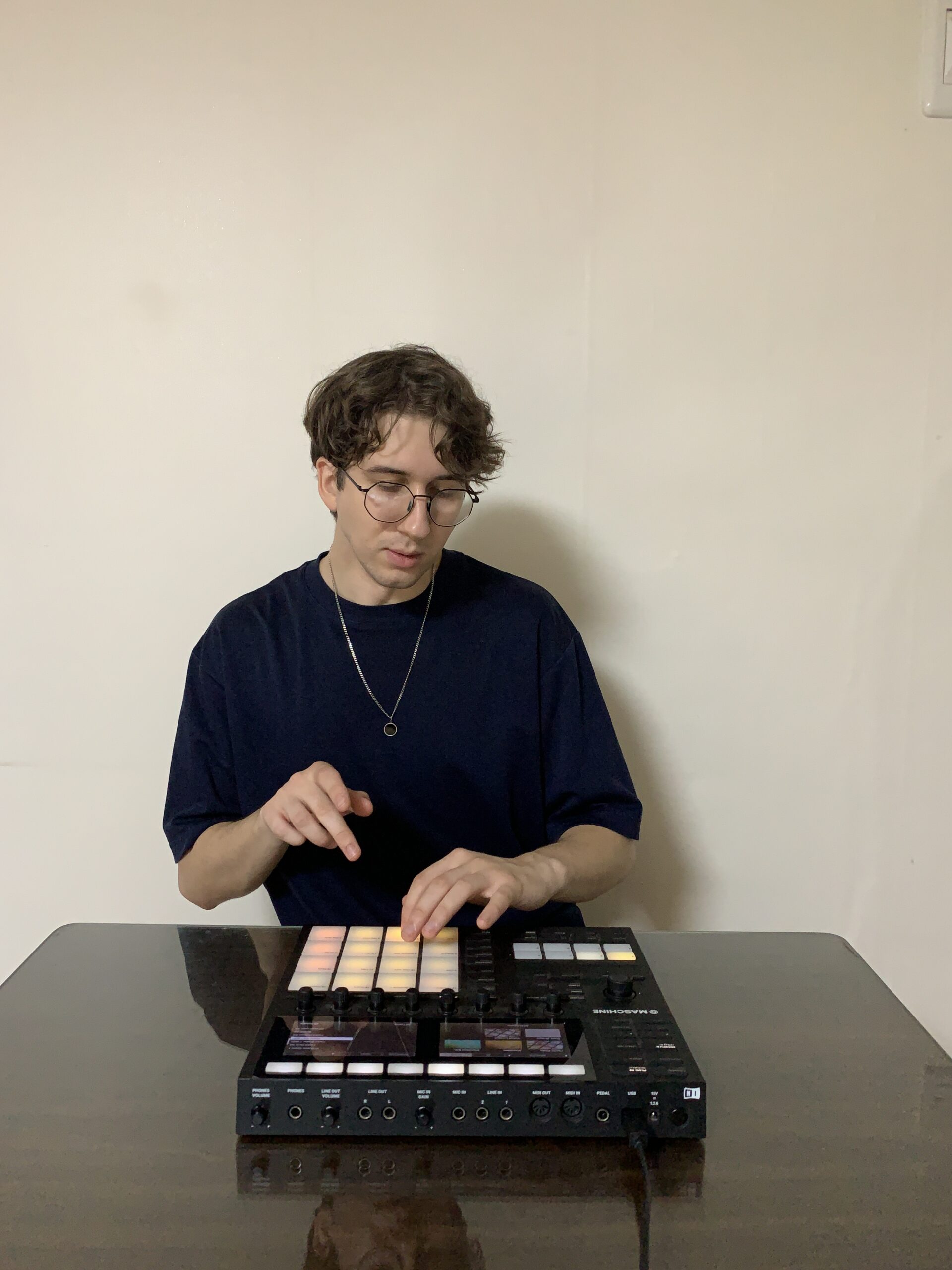
Hip hop has always been a producer’s genre. Before the verses, before the hooks, before the branding and the mythology, there was the beat: a loop, a drum pattern, a chopped sample, a bassline, a piece of sonic architecture built to hold the entire record up. The producers who defined hip hop history didn’t just make great tracks—they created repeatable methods, recognizable textures, and production languages that spread across eras.
This list looks at the producers who changed the sound of the genre through technique. Not just influence in the abstract, but the actual mechanics: drum programming, sample manipulation, arrangement, swing, sound selection, and the gear or workflow choices that made their records instantly identifiable.
1. DJ Premier: The Jazz-Sample Surgeon
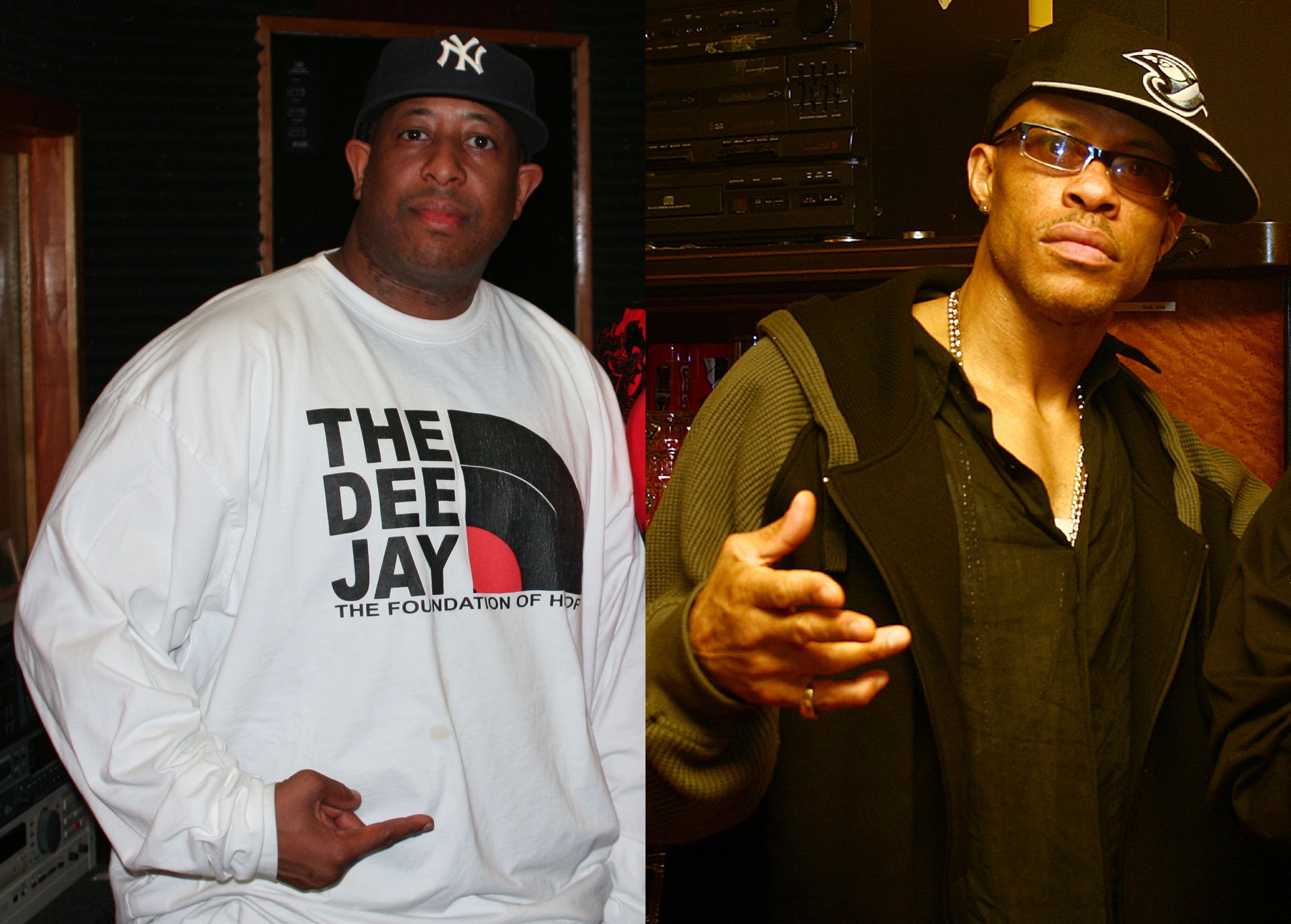
DJ Premier’s sound is one of the clearest technical signatures in hip hop: chopped jazz and soul fragments, hard-snapping snares, dusty one-bar loops, and scratches used like punctuation marks. His tracks rarely feel overbuilt. Instead, they hit because he understands economy—how to make a small amount of source material feel huge.
Premier often builds beats from short sample slices rather than long, obviously looped passages. That gives his production a sense of motion even when the harmonic content is simple. His drums are dry, punchy, and placed with exacting precision, with snares that sit right in the center of the mix and kicks that leave enough space for the sample to breathe. The result is a rugged but elegant framework that became foundational for East Coast hip hop.
Production takeaway: Try chopping one sample into micro-slices and rearranging it into a new melodic phrase instead of looping the best section outright. Then keep the drums sparse and direct.
2. Dr. Dre: The Blueprint for Surgical Low-End
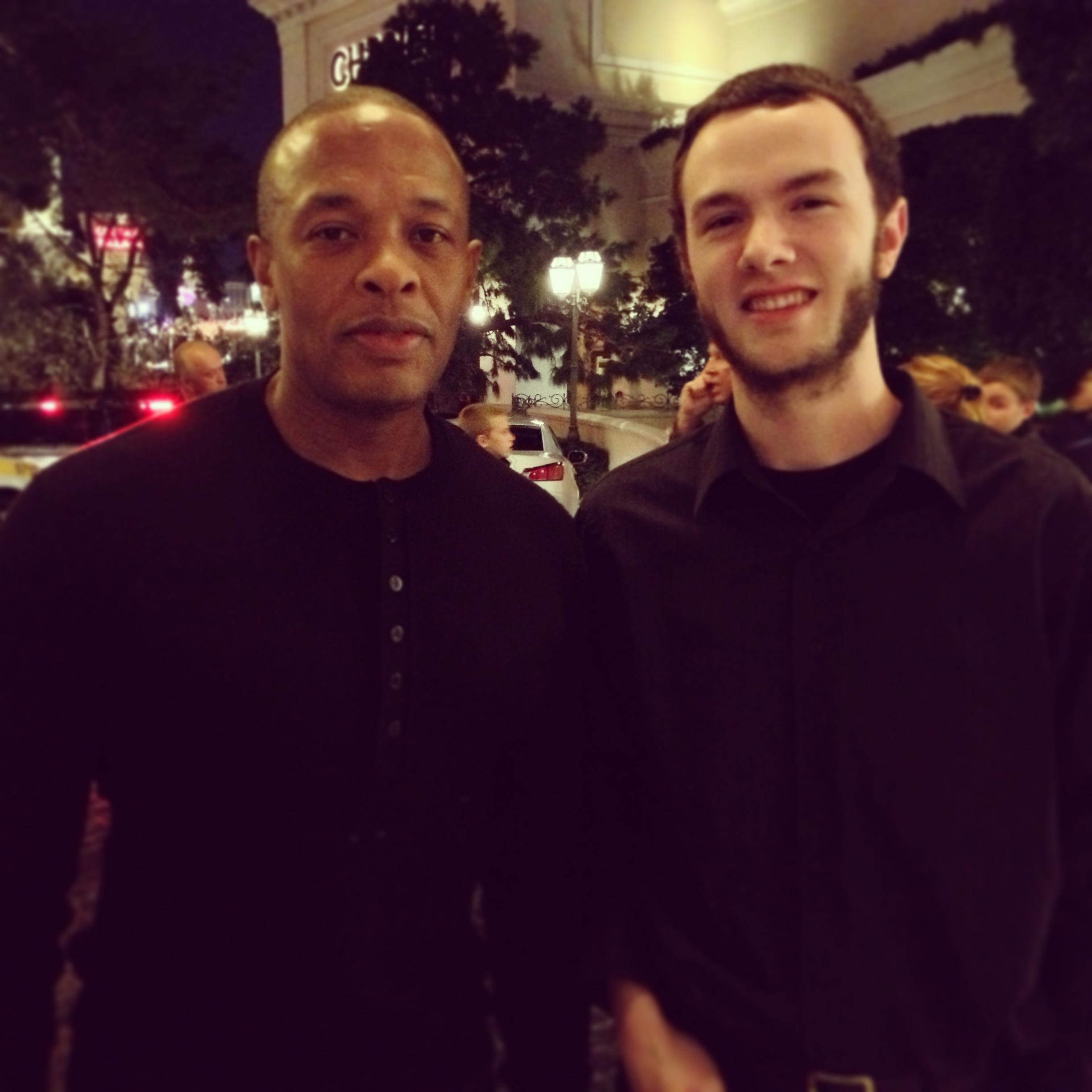
Dr. Dre’s best work is defined by restraint, depth, and mix discipline. Whether in the G-funk era or later West Coast productions, his records are engineered to feel massive without sounding crowded. Dre’s drums are famously tight and authoritative, with kick drums that occupy real sub space and snares that cut through with a polished crack. Synth basslines, live instrumentation, and carefully voiced chord stabs give his tracks a cinematic weight.
What separates Dre technically is his arrangement logic. Every element seems to have a purpose in the frequency spectrum. Pads fill the background, bass owns the bottom, hooks are often built from simple but unforgettable melodic gestures, and the mix always feels controlled. His work made high-end sound design and meticulous mixing part of mainstream hip hop vocabulary.
Production takeaway: Build beats as if each instrument has a job title. If two sounds fight for the same frequency range, remove one or carve space with EQ and arrangement instead of stacking endlessly.
3. J Dilla: The Human Feel Revolution

J Dilla changed hip hop by making quantization feel optional. His drum programming is famously loose in a way that sounds alive rather than sloppy: kicks and snares sit slightly ahead of or behind the grid, creating a pocket that feels unmistakably human. That feel, paired with his deep sample knowledge, made his beats swing in a way no rigid sequencer could replicate on its own.
Dilla’s productions often rely on warm, degraded textures, soulful sample flips, and arrangements that sound deceptively simple until you try to recreate them. The magic is in timing, micro-adjustment, and emotional instinct. He showed producers that groove is not just about note placement—it’s about how the entire beat leans against the grid.
Production takeaway: If your DAW lets you nudge individual drum hits, experiment with pushing or pulling snare and kick timing by a few milliseconds. Small timing shifts can radically change the pocket.
4. Timbaland: Rhythmic Design as a Signature Sound
Timbaland’s production is built on percussion-first thinking. Instead of treating drums as support, he turns them into the main melodic and rhythmic event. His beats often feature syncopated hand percussion, unconventional drum sounds, stuttering patterns, and vocal snippets used as rhythmic texture. Even his quietest records feel kinetically alive.
Technically, Timbaland excels at contrast: sparse spaces against dense rhythmic detail, dry drums against glossy vocal production, familiar pop forms against unexpectedly futuristic beat design. His approach expanded what mainstream hip hop and R&B percussion could be, paving the way for more experimental groove construction in radio-friendly music.
Production takeaway: Build a beat starting with percussion layers before adding a kick or snare. If the rhythm works as pure percussion, the rest of the track will likely feel stronger.
5. Kanye West: Sampling as Emotional Architecture

Kanye West’s early production redefined soul sampling for the 2000s by making pitched-up samples, dramatic chops, and layered orchestration feel emotionally larger than life. His trademark early sound often paired warm soul fragments with aggressive drums and a sense of uplift that felt both nostalgic and modern. Later, he expanded into harsher, more experimental textures, but the core instinct remained the same: use production to create emotional scale.
Technically, Kanye often treats samples like building blocks rather than finished statements. He’ll pitch, reframe, loop, and stack them until they become new harmonic material. That approach gave his records their theatrical sweep and helped push sample-based production into a more maximal, arena-sized era.
Production takeaway: Don’t just sample a section—transpose it, layer it with another texture, and think in terms of emotional impact instead of just source fidelity.
6. Marley Marl: The Sample Chopping Pioneer
Marley Marl deserves credit as one of the architects of modern sample-based hip hop. In an era when the technique was still being defined, he helped turn drum machine programming and sample manipulation into a coherent production language. His work with the Juice Crew established a template for hard, blocky drums and concise, loop-driven arrangements that influenced countless producers after him.
Marley’s brilliance lies in structure. His beats are often less about flashy sonic tricks and more about the foundational grammar of hip hop: give the emcee a strong rhythmic bed, keep the sample memorable, and make every bar feel locked in. He helped normalize the idea that the producer’s role was not just technical support but authorship.
Production takeaway: Focus on groove first, then arrangement. A beat that feels right on loop is often stronger than one overloaded with transitions.
7. Madlib: Lo-Fi Alchemy and Unpredictable Sampling
Madlib’s productions are often defined by texture as much as melody. His beats frequently sound like they were unearthed from another dimension: dusty, warped, chopped from obscure records, and occasionally left intentionally rough around the edges. But the roughness is deceptive. Underneath the lo-fi aesthetic is deep musical intelligence and a fearless willingness to break conventional arrangement rules.
Madlib excels at collage. He blends samples, drum patterns, and short motifs into tracks that feel spontaneous but are carefully assembled. His work with MF DOOM, especially, showed how a beat can be odd, gritty, and highly musical at the same time.
Production takeaway: Try layering samples with different textures and fidelity levels. A clean loop paired with a degraded one can create depth without heavy processing.
8. Pete Rock: Warmth, Horns, and Perfect Pocket
Pete Rock’s production is synonymous with golden-age warmth. His signature sound often includes soulful horn stabs, rich low-end, and a laid-back groove that feels effortless. He has a remarkable sense of balance: his beats can sound thick and lush without becoming muddy, and his sample choices often have an organic fullness that complements the drums instead of fighting them.
What makes Pete Rock technically distinctive is the pocket. His beats breathe. The drums sit in a relaxed but firm pocket, and the samples often have just enough swing to keep the track moving without feeling rushed. This gave his productions a timeless quality that still sounds clean and musical today.
Production takeaway: If your sample already has strong midrange content, choose drums that complement rather than overwhelm it. Warmth often comes from subtraction.
9. RZA: Raw Texture and Cinematic Unease
RZA’s Wu-Tang productions brought grit, atmosphere, and narrative intensity into hip hop production. His beats often sound raw on purpose: chopped soul loops, eerie samples, unpolished drum tones, and mixes that feel close to the edge of collapse. That roughness is part of the aesthetic—it gives the music danger and tension.
RZA’s technical genius is in mood design. He uses samples almost like film score cues, building a sonic world that feels haunted, dusty, and alive. Even when the drums are minimal, the atmosphere is heavy. Few producers have made lo-fi sound so intentional or so cinematic.
Production takeaway: Don’t over-clean every element. Sometimes a little distortion, hiss, or saturation can create the emotional frame a beat needs.
10. Just Blaze: Anthemic Sample Power and Big-Drum Energy
Just Blaze helped define the 2000s with productions that hit like widescreen movie trailers. His beats often combine dramatic soul or rock samples with enormous drums, booming kicks, and crisp snares designed to explode in clubs and on radio. He has a gift for finding loops that feel immediately triumphant, then supporting them with percussion that amplifies the drama.
Technically, Just Blaze is a master of impact. His arrangements understand the value of the drop, the pause, and the entrance of the drums. He builds tension through sample selection and resolves it with a drum hit that feels physically big. That combination made him one of the defining producers of the Roc-A-Fella era and beyond.
Production takeaway: Let your sample breathe before the drums drop. A short moment of anticipation can make the downbeat feel much larger.
The Common Thread: Great Producers Build Systems
The best hip hop producers in history are not just beatmakers with good taste. They are system designers. Premier built a language around chops and scratches. Dre perfected controlled low-end and arrangement. Dilla humanized sequencing. Timbaland reimagined percussion. Kanye scaled samples into an emotional blockbuster format. Marley Marl, Madlib, Pete Rock, RZA, and Just Blaze each pushed a different part of the production equation forward.
For producers, that’s the real lesson: signature sound usually comes from repetition with intent. A producer becomes iconic when their choices are so consistent, so technically specific, and so emotionally effective that the listener can identify them within seconds. That is hip hop production at its highest level—not just making beats, but defining the rules others will spend decades following.
Image: FaektLiveBeat.jpg | Own work | License: CC BY-SA 4.0 | Source: Wikimedia | https://commons.wikimedia.org/wiki/File:FaektLiveBeat.jpg