The 10 Hip-Hop Producers Who Changed the Way Records Are Built
The greatest hip-hop producers did more than make beats—they developed signature systems for drums, sampling, arrangement, and sonic space. Here’s what makes each one technically essential, and what modern producers can learn from them.
Hip-hop has always been producer-led. Before the term “beatmaking” became a platform niche and before DAWs turned every bedroom into a studio, the defining records in rap were built by producers who understood one thing: the drum loop, sample choice, bassline, and arrangement all had to function like a complete production system. The best hip-hop producers didn’t just make tracks that sounded hard. They invented workflows, sonic signatures, and mix decisions that changed how records were made.
This list is not just about fame or hit count. It is about technical influence: who changed sampling, who rewired drum programming, who made minimalism hit harder than maximalism, and who created templates that producers still study today. If you make beats, engineer sessions, or just want to listen more like a producer, these are the names to know.
1. DJ Premier: the sample surgeon
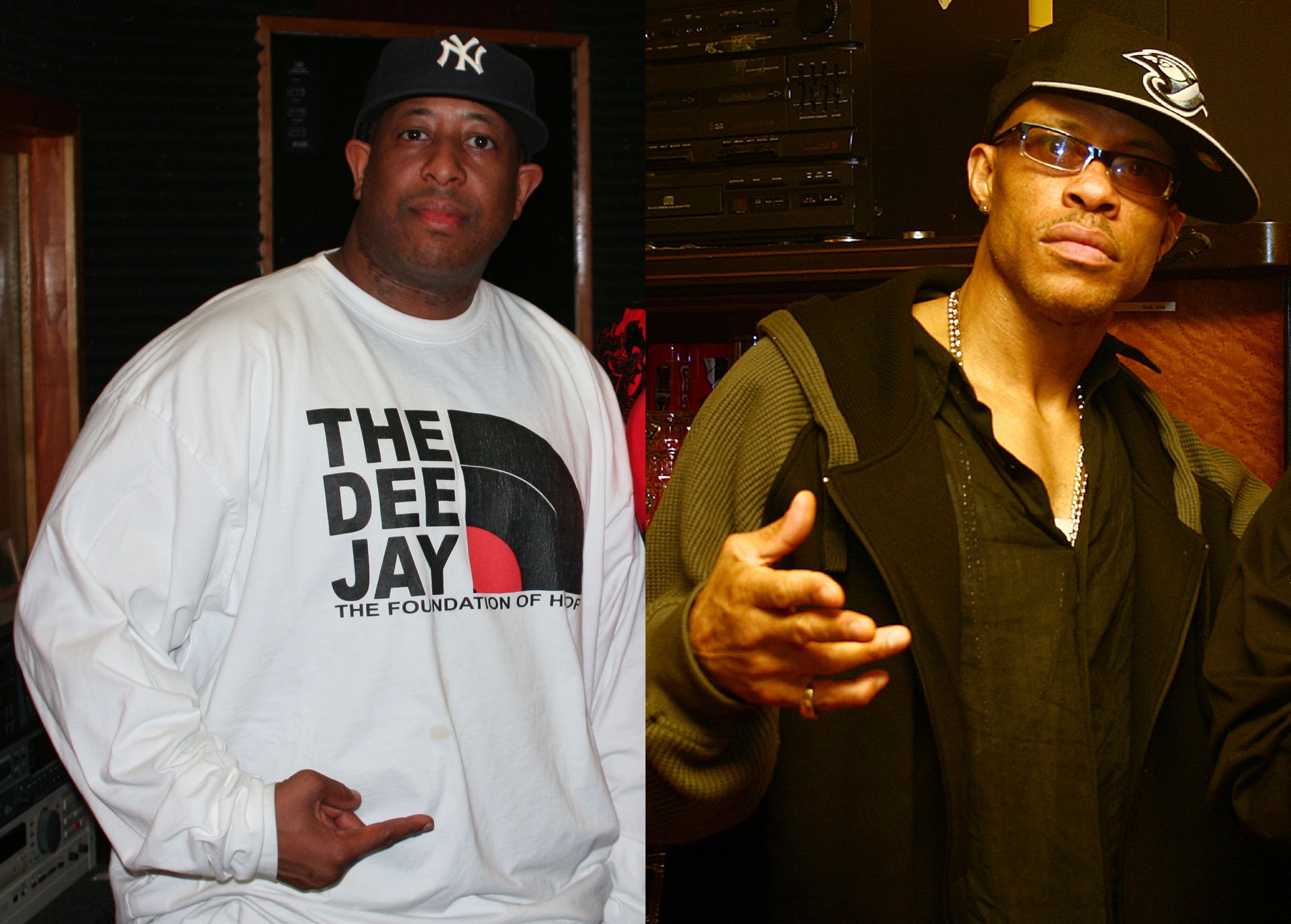
DJ Premier’s sound is built on precision. He is one of the clearest examples of how a producer can turn highly constrained sample material into something unmistakably powerful. Premier often chops short phrases from jazz, soul, and funk records, then loops them with a kind of surgical restraint. The result is never overly polished; it is punchy, gritty, and intentional.
Listening cue: notice how the drums sit just ahead of the sample, creating forward motion. His snares often feel dry and centered, while the sample becomes a textured bed rather than the entire arrangement.
Producer takeaway: if your sample is strong, do less. Premier’s work shows that a great two-bar loop plus disciplined drum layering can outlast a more complex arrangement.
2. Dr. Dre: the architect of clean, heavy mix design
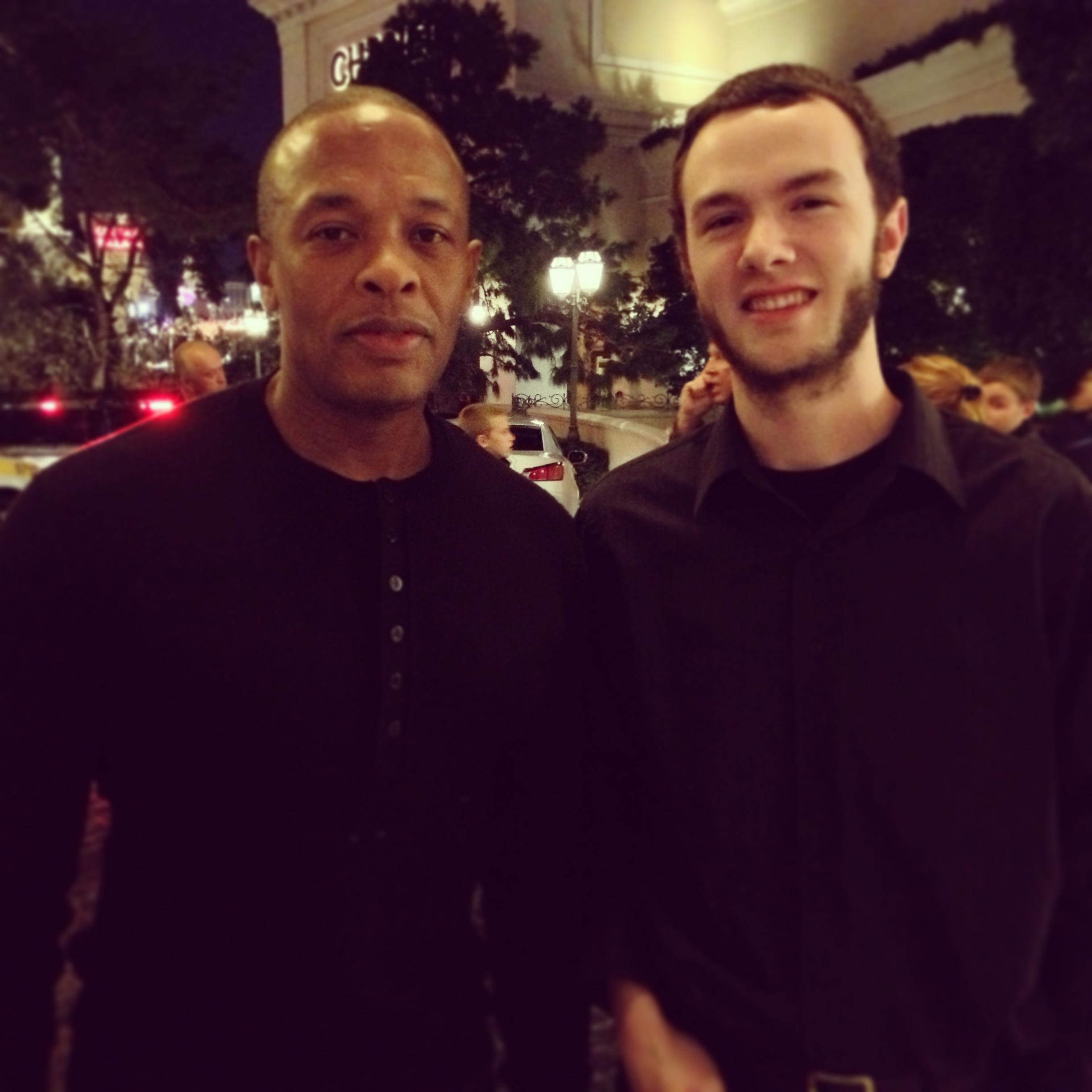
Dr. Dre’s greatest technical contribution is balance. Whether in the G-funk era or later, his records are engineered to feel wide, deep, and authoritative without collapsing under their own low end. He is a master of separation: kick, snare, synths, vocal, and bass all occupy clearly defined spaces.
Listening cue: focus on the bassline and kick relationship. Dre mixes often make low-end movement feel melodic rather than purely percussive. He also uses synth layers to imply harmony without overcrowding the midrange.
Producer takeaway: clarity is a sound choice. Dre’s records prove that “big” does not mean “busy.” Strategic EQ, arrangement discipline, and strong tonal choices create impact before compression even enters the picture.
3. J Dilla: the human grid

J Dilla changed how producers think about swing, timing, and feel. His beats often sound slightly off-grid in a way that feels more natural than quantized precision. That is not a mistake; it is a design philosophy. Dilla treated drums like live performance instruments, where micro-timing and velocity become part of the groove.
Listening cue: listen to the kick and snare placement against the sample. The pockets breathe. Ghost notes, delayed snares, and subtly late kicks create a sensation of push and pull that is impossible to fake with static programming.
Producer takeaway: humanizing beats is not just about swing percentages. Use velocity variation, slight timing offsets, and imperfect layering to make loops feel alive.
4. Pete Rock: warm looping with melodic instinct
Pete Rock refined the art of soulful loop construction. His productions are often less about radical transformation and more about selecting the exact musical fragment that already contains emotion. He understood how to build records around warmth: filtered samples, rich low mids, and drums that support the harmonic loop without overpowering it.
Listening cue: the way Pete Rock lets samples breathe is crucial. His arrangements often leave enough space for the loop to feel like a complete musical statement, not just a backing track.
Producer takeaway: choose sample material with built-in harmony and emotional contour. A great producer doesn’t always need to write every note from scratch; sometimes the skill is finding the right existing phrase and framing it correctly.
5. Marley Marl: the blueprint for sample-driven hip-hop
Marley Marl is one of the foundational architects of sampling in hip-hop. He helped establish the idea that sampled drums, chopped breaks, and looping could become a compositional language of their own. His work in the 1980s helped move rap production away from simple party loops and toward a more studio-built aesthetic.
Listening cue: pay attention to how he structures tracks around rhythmic identity. The groove often feels like it was assembled from functional pieces rather than built around a single live-band performance.
Producer takeaway: hip-hop production is often about reconstruction. You are not just sampling a record—you are reauthoring it.
6. Kanye West: maximal emotion through sample contrast

Kanye West’s production legacy is tied to contrast: chipmunk-soul samples against hard drums, lush orchestration against blunt 808s, intimacy against spectacle. Early Kanye production was especially influential because it made sample-based beats feel emotionally direct and radio-ready without losing grit.
Listening cue: listen to the lift between sample pitch and drum weight. The sample often occupies the emotional top line while the drums provide grounded force underneath.
Producer takeaway: think in layers of emotional function. One element can create nostalgia, another can create energy, and another can stabilize the record. Great production is often a study in controlled contradiction.
7. Timbaland: rhythm as a design language
Timbaland brought a new rhythmic vocabulary to hip-hop and adjacent pop. His beats are often defined by unusual percussion placement, syncopation, and a willingness to let negative space become part of the groove. He makes rhythm feel futuristic without needing dense arrangement.
Listening cue: focus on how percussion and ad-libs interact with the beat. Timbaland often designs tracks where rhythmic fragments answer one another instead of simply stacking on top of a loop.
Producer takeaway: experiment with empty space. A beat can feel more advanced when you remove elements and let a few highly specific sounds carry the entire pattern.
8. The Neptunes: minimalism with premium sound design
Pharrell Williams and Chad Hugo turned reduction into a superpower. The Neptunes’ productions frequently use sparse melodic material, sharply chosen drums, and synthetic textures that sound clean but never sterile. Their records are often instantly recognizable because every sound feels deliberately selected, not merely arranged.
Listening cue: note the economy of parts. A Neptunes beat may have only a few core elements, but each one occupies a distinct frequency range and rhythmic role.
Producer takeaway: if your track is not hitting, adding more layers is not always the answer. Better sound choice and better arrangement often beat overload.
9. RZA: raw texture and cinematic instability
RZA’s productions for Wu-Tang Clan helped define a more rugged, lo-fi aesthetic in hip-hop. His work often feels dusty, warped, and deliberately unrefined, but that roughness is part of the composition. He used texture, atmosphere, and abrupt sample shifts to create a sense of danger and unpredictability.
Listening cue: listen for the contrast between gritty drums and eerie melodic fragments. The tracks feel like collages, but the choices are tightly controlled.
Producer takeaway: polish is not the same thing as quality. Sometimes a beat becomes memorable because it sounds slightly unstable, especially when the texture matches the lyric world.
10. No I.D.: understated brilliance and modern rap architecture
No I.D. is one of the most important modern producers in hip-hop because his work often operates beneath the surface. He knows how to build records that support the artist while still carrying a distinct sonic fingerprint. His productions tend to emphasize groove, tasteful melodic restraint, and arrangement choices that let vocals sit naturally in the mix.
Listening cue: notice how little has to happen for a No I.D. beat to feel complete. The pocket is usually strong enough that the track does not require constant melodic movement.
Producer takeaway: great production is not always the loudest production. Sometimes the best beat is the one that leaves room for the verse to do the heavy lifting.
What these producers teach modern beatmakers
Across eras, the common thread is not just talent. It is technical identity. DJ Premier showed the power of disciplined sampling. Dr. Dre proved that mix clarity can be a signature. J Dilla made timing expressive. Pete Rock and Marley Marl refined sampling as composition. Kanye West expanded emotional contrast. Timbaland reimagined rhythm. The Neptunes elevated minimalism. RZA embraced texture. No I.D. made understatement a skill.
For modern producers, the lesson is simple: develop a repeatable point of view. That might mean always starting with drums, always chopping from obscure records, always building around low-end weight, or always leaving room for vocals. Whatever your method, the goal is the same as these legends: make choices that are instantly recognizable, musically coherent, and impossible to confuse with generic beatpack content.
If you want to study hip-hop production seriously, do not just listen for hits. Listen for systems: sample selection, drum feel, frequency balance, and arrangement logic. That is where the history of the genre really lives.
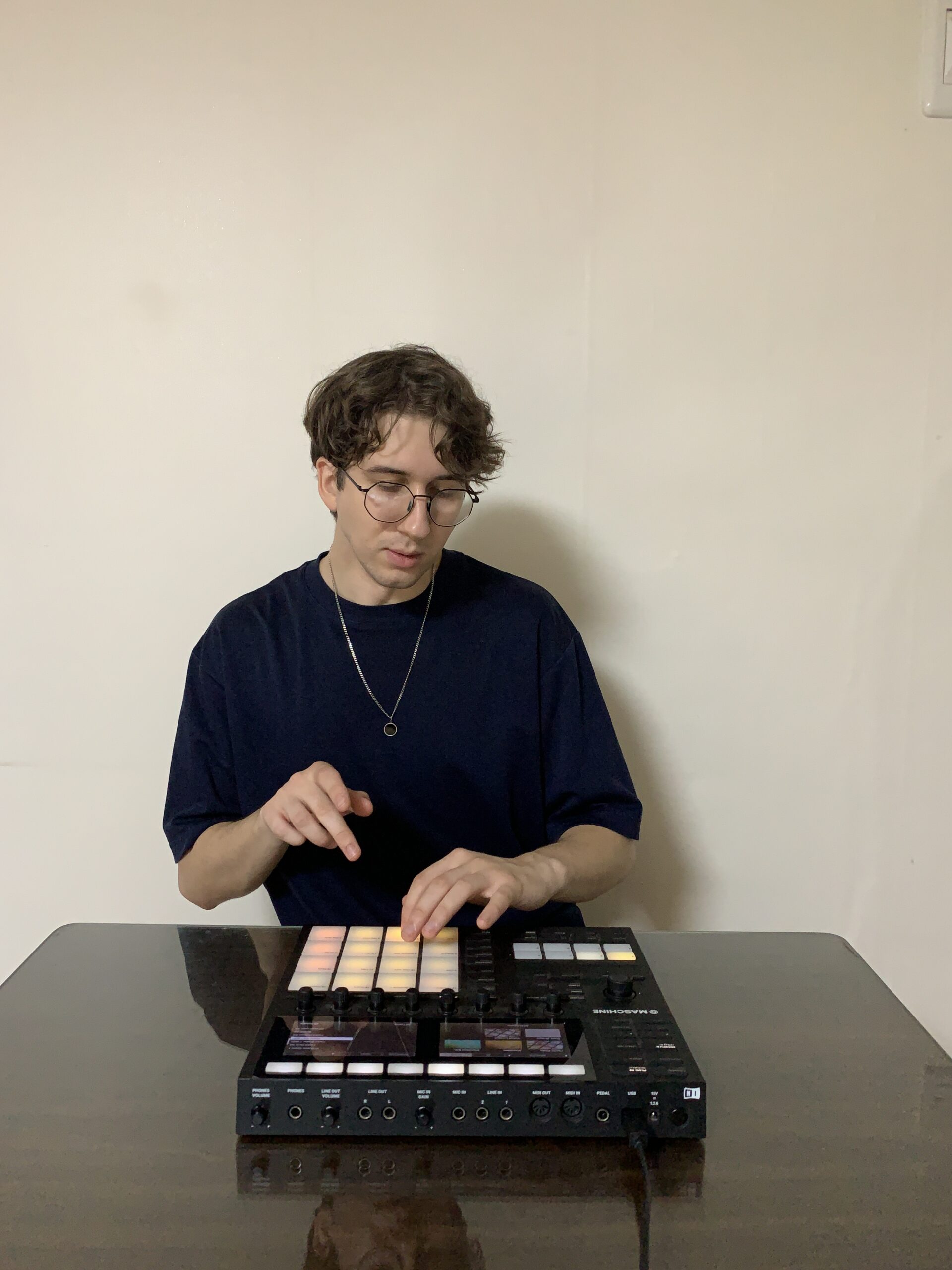
Image: FaektLiveBeat.jpg | Own work | License: CC BY-SA 4.0 | Source: Wikimedia | https://commons.wikimedia.org/wiki/File:FaektLiveBeat.jpg