The 10 Guitar Riffs That Still Define Rock: Technique, Tone, and the DNA of Greatness
The best guitar riffs do more than sound iconic — they lock in with the rhythm section, exploit the instrument’s most physical strengths, and stay unforgettable at any tempo. Here’s a focused breakdown of 10 all-time classics, plus the technique and tone choices that make them work.
Why Great Riffs Last
The best guitar riffs are rarely the busiest. They are the ones that understand space, rhythm, and repetition so well that a single phrase can define an entire song. A great riff works because it feels physical: it gives the player something satisfying to attack, and it gives the listener something impossible to forget. On a production level, the classics also tend to sit in a sweet spot of midrange punch, tight low-end control, and just enough harmonic grit to cut through drums and vocals.
That’s why the most enduring riffs are often built from a small set of ingredients: strong rhythmic displacement, memorable interval choices, and a guitar tone that flatters the picking hand. If you want to play them better, or write your own with the same impact, the real lesson is not just what notes are being used — it’s how the riff breathes with the groove.
1. AC/DC — “Back in Black”

If there’s a masterclass in economy, this is it. The riff is built on a slashing E minor pentatonic vocabulary, but its power comes from timing and articulation. Angus and Malcolm Young leave just enough air between hits for the snare to land with authority. The opening figure feels huge because the guitar is acting like percussion as much as harmony.
Technique takeaway: focus on tight downstrokes, muting discipline, and aggressive but controlled string separation. Don’t over-ring the chords. The riff sounds bigger when the gaps are clean.
Tone note: a cranked, mid-forward Marshall-style amp with relatively little gain. This is about bark, not saturation.
2. Black Sabbath — “Iron Man”
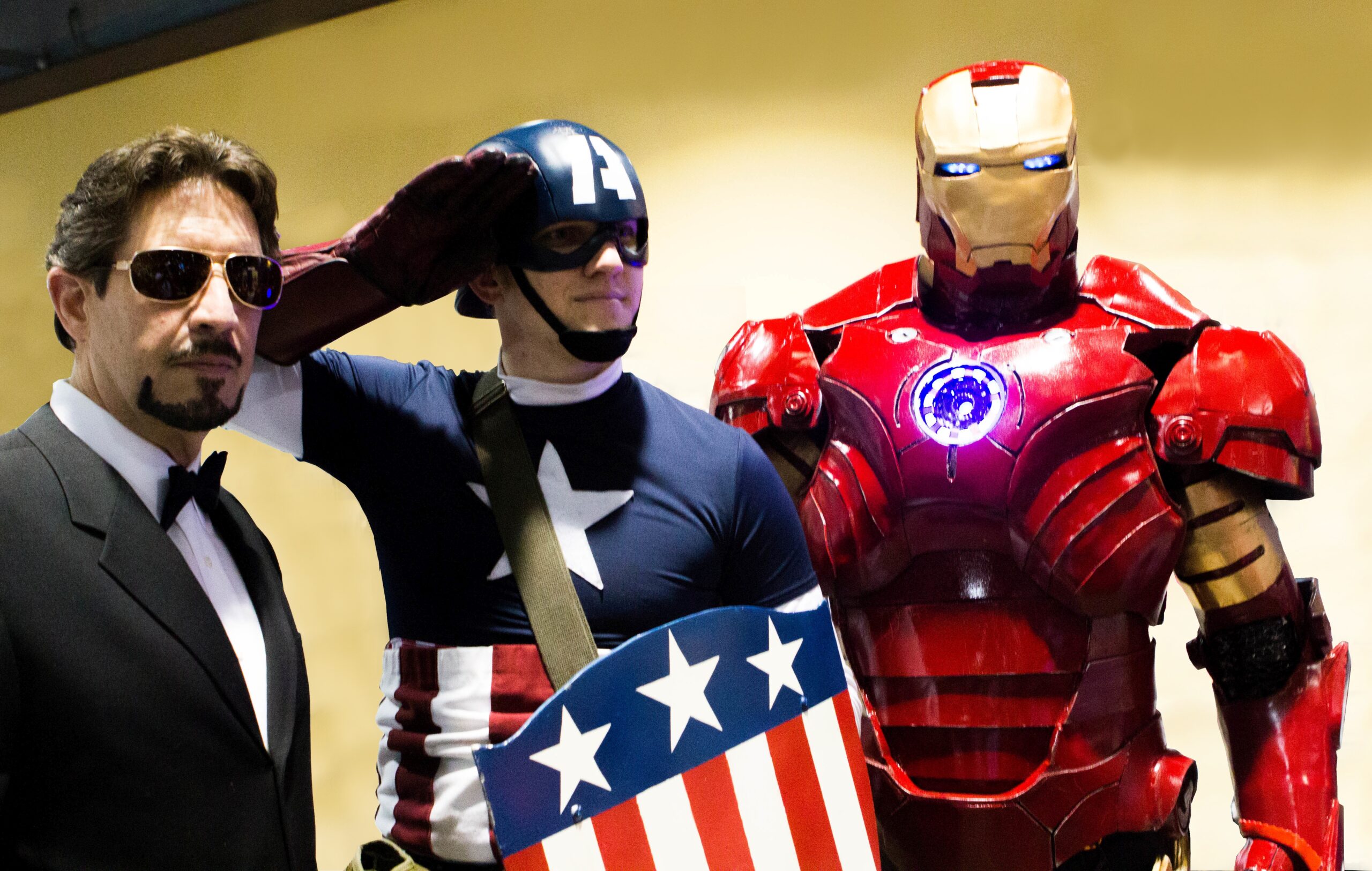
The “Iron Man” riff is iconic because it is almost architectural. Tony Iommi uses a slow, heavy motif that feels like machinery grinding into motion. The phrase is simple, but the interval movement gives it menace, while the pacing makes every note hit like a weight dropped on concrete.
Technique takeaway: let the palm mute do real work, especially on the lower strings. The riff needs definition, not sloppiness. Practice it with a metronome at multiple tempos so the slow version does not collapse into dragging.
Tone note: a thick British-voiced distortion with strong low mids, but keep the bass under control so the riff stays articulated rather than cloudy.
3. Led Zeppelin — “Whole Lotta Love”
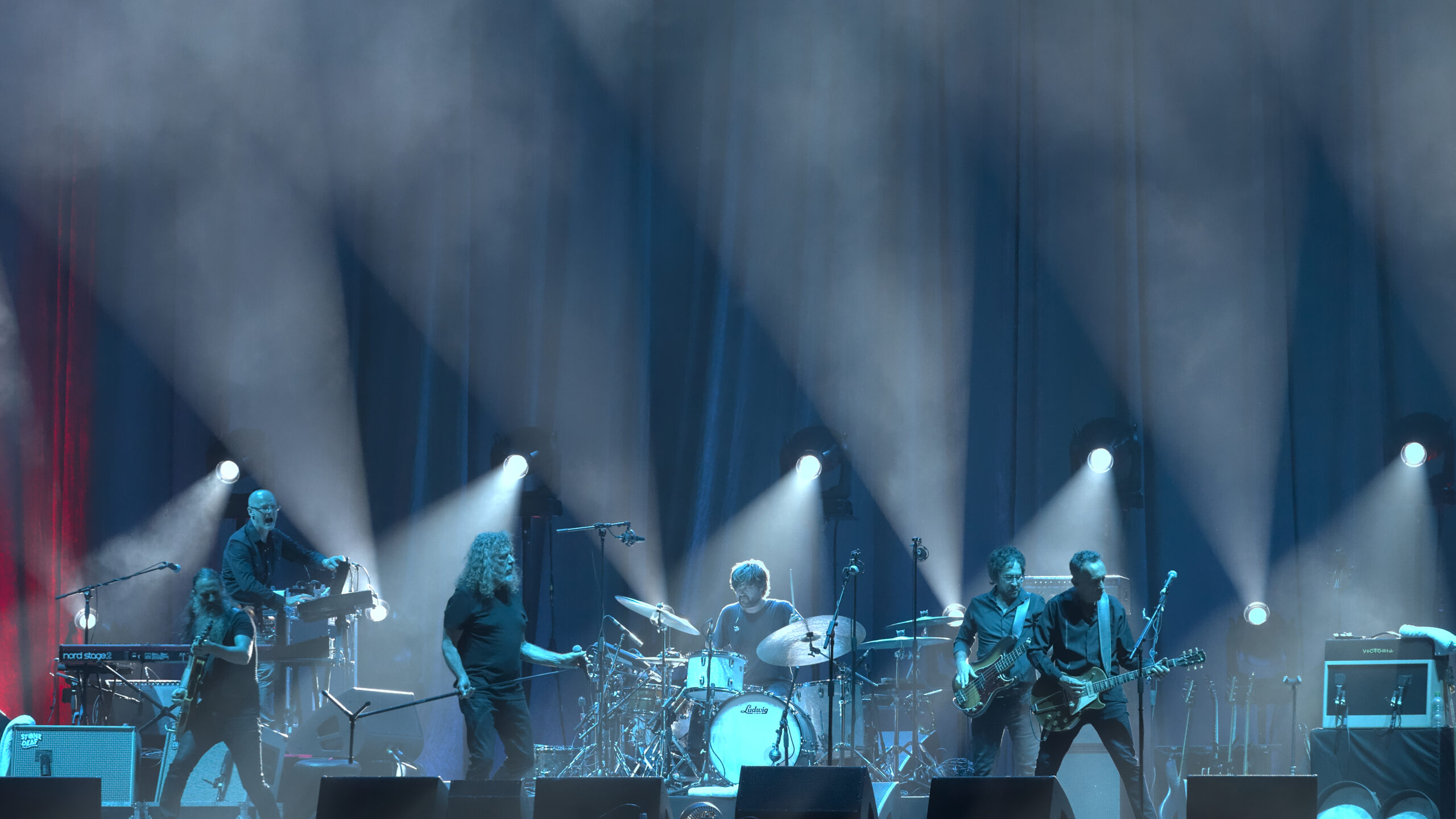
Jimmy Page’s riff is a lesson in swagger. The shape is straightforward, but the groove is elastic, with a rhythmic push-pull that makes the whole thing feel dangerous. The riff thrives on a loose but confident feel, which is harder to execute than it sounds. Too rigid, and it loses its seduction; too loose, and it falls apart.
Technique takeaway: work on micro-timing. Play slightly ahead of the beat in the picking hand while keeping the fretting hand relaxed. The goal is tension without panic.
Tone note: a raw, upper-mid-rich overdrive with plenty of harmonic bite. This is one of those riffs where slight amp hair helps the notes bloom.
4. Deep Purple — “Smoke on the Water”

Yes, it is overplayed. Yes, it is still one of the best guitar riffs ever written. The reason it survives every beginner joke is simple: it has perfect contour. The use of parallel fourths and a slow, declarative rhythm gives it instant recognition, and the riff is sturdy enough to work on electric guitar, acoustic, or even as a doubled production element in a modern arrangement.
Technique takeaway: pay attention to clean two-note movement. A riff like this teaches fretboard mapping, interval awareness, and consistency across string changes.
Tone note: the part does not need huge distortion. In fact, a medium-gain tone with clear note separation often sounds stronger than a blown-out version.
5. Metallica — “Enter Sandman”
This riff proves that modern heaviness is often about tension management. The main figure is built from a dark, rolling motion that feels suspenseful before it ever becomes brutal. The riff works because it alternates between chugging weight and a hooky melodic shape, which keeps the ear engaged even before the vocal enters.
Technique takeaway: palm muting must be precise. If the muting is too heavy, the riff loses menace; too light, and it turns mushy. Use a metronome and isolate the downpicked sections until they feel machine-accurate.
Tone note: tight high-gain with controlled bass, preferably through a boosted amp or pedal setup. The low end needs to punch, not smear.
6. Nirvana — “Smells Like Teen Spirit”
This riff is a case study in dynamics and cultural impact. It’s built from a simple power-chord progression, but the real magic is the contrast between the restrained verses and the explosive chorus feel. The riff became generational because it translated punk energy into a stadium-sized hook without losing its bite.
Technique takeaway: the attack matters more than the notes. Practice playing the chords with an intentionally blunt, almost vocal rhythm. The riff needs a sense of urgency, not polish.
Tone note: a fuzz-leaning distortion or a grungy amp break-up with enough top-end fizz to feel unruly.
7. Jimi Hendrix — “Purple Haze”
Hendrix turns the riff into a harmonic event. The tritone color and slippery phrasing make it instantly psychedelic, but the deeper lesson is how he used guitar as both rhythm and texture. Every chord stab feels alive because of his touch, vibrato, and control over noise.
Technique takeaway: work on thumb-over fretting, controlled string rakes, and expressive vibrato. This riff is a reminder that the left hand can shape attitude just as much as the right hand.
Tone note: fuzz and a cranked amp are part of the identity, but the real ingredient is interaction between guitar volume, attack, and sustain.
8. The White Stripes — “Seven Nation Army”
Technically a bassline-in-spirit riff disguised as a guitar hook, this one is proof that octave movement and strong phrasing can outlive almost any production trend. The simplicity is the point. Jack White’s line is spacious enough to let the groove do the heavy lifting, and its contour is so memorable that it has escaped the song entirely and entered sports arenas worldwide.
Technique takeaway: make every note count. There is nowhere to hide in a riff this sparse, so the pick attack and note length must be deliberate.
Tone note: use a thick octave or down-tuned guitar tone with a touch of grit. The arrangement benefits when the riff feels larger than the instrument.
9. Guns N’ Roses — “Sweet Child O’ Mine”
Slash’s opening figure is one of the best examples of how a riff can be melodic without becoming soft. The sequence is singable, but the articulation keeps it grounded in rock guitar language. It also demonstrates a crucial arrangement principle: a riff can define the song before the band even enters if it has a strong interval identity.
Technique takeaway: work on alternate picking and clean legato transitions. The opening needs fluidity, but not at the expense of timing. Each note should feel like part of a line, not a disconnected exercise.
Tone note: a singing humbucker lead tone with enough sustain to let the melody carry, but not so much compression that the phrasing gets flattened.
10. Rage Against the Machine — “Killing in the Name”
Tom Morello’s riff is a reminder that riffs do not have to be harmonically complex to be devastating. The main figure is built on rhythmic force, precision, and a percussive guitar tone that blurs the line between instrument and drum kit. The riff’s impact comes from repetition, but the internal groove keeps building pressure until the release lands.
Technique takeaway: lock the right hand to the drums. This riff is all about timing, choked muting, and exact attack placement. The groove has to be ruthless.
Tone note: a tight distortion with a focused midrange and minimal flab. Morello’s approach also shows how pedals can turn a guitar into a rhythmic weapon.
What These Riffs Teach You About Writing Better Ones
Across all 10 riffs, a few patterns keep showing up. First, repetition works when the rhythm has shape. A riff can repeat endlessly if it contains enough motion in the accents and enough contrast in note length. Second, tone is not decoration. The right amp breakup, pickup choice, and muting strategy can turn a decent riff into a landmark one. Third, most legendary riffs are playable under the fingers, which is part of why they endure. They feel good to execute, so bands keep returning to them.
If you want to write stronger riffs, start by stripping your ideas down to one bar. Ask whether the rhythm is memorable without the melody. Then test it on a clean tone before adding gain. If the idea survives in its most exposed form, it usually has the bones of a real riff. Add distortion later, but only after the rhythm feels inevitable.
Practical Practice Tips for Guitarists
To internalize these riffs, practice them in three passes. First, learn the notes and fingerings slowly with a click. Second, isolate the groove and mute every string noise that does not belong. Third, play along with the original recording and compare your attack to the record, not just your pitch accuracy. Great riff playing is about pocket, articulation, and confidence.
A useful exercise is to record yourself playing one classic riff through a dry DI and then again with amp simulation. In many cases, the DI will reveal whether your timing actually works. If a riff only sounds good once the amp is compressing everything together, it probably needs better muting or cleaner rhythmic intent.
The Bottom Line
The best guitar riffs are durable because they balance simplicity with identity. They are memorable without being ornamental, and they reward both casual listeners and players who want to dig into the mechanics. Whether it is the ruthless economy of AC/DC, the doom weight of Sabbath, the swagger of Zeppelin, or the percussive force of Rage Against the Machine, the common thread is clear: a great riff knows exactly what job it is there to do.
And for guitarists, that is the real takeaway. Don’t just chase notes. Chase impact, groove, and tone that serves the phrase. That’s how a riff becomes history.
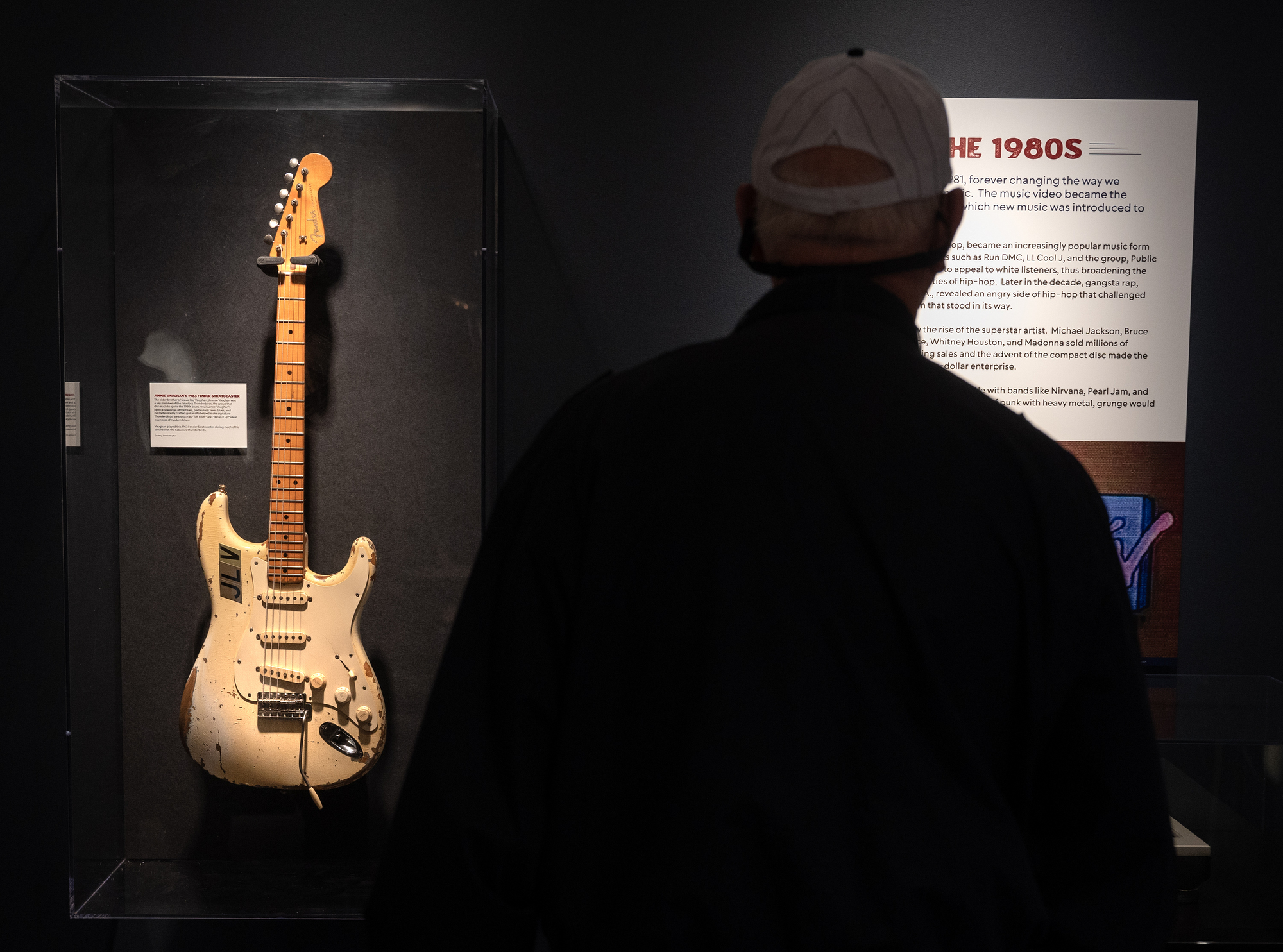
Image: DIG15178-018 Jimmie Vaughan's 1963 Fender Stratocaster – Music America- Iconic Objects from America’s Music History (2024-02-17 12.55.18 by LBJ Library @Flickr 53537193413).jpg | DIG15178-018 | License: Public domain | Source: Wikimedia | https://commons.wikimedia.org/wiki/File:DIG15178-018_Jimmie_Vaughan%27s_1963_Fender_Stratocaster_-_Music_America-_Iconic_Objects_from_America%E2%80%99s_Music_History_(2024-02-17_12.55.18_by_LBJ_Library_@Flickr_53537193413).jpg