The 10 Grunge Albums That Defined the Sound of Collapse
Grunge wasn’t just a style—it was a production philosophy built on contrast, damage, and controlled mess. Here’s how the genre’s essential albums stack up, and what producers can steal from their tone, drums, guitars, and vocal treatment.
Grunge changed rock because it sounded like a room falling apart in real time. The best albums from the era weren’t polished by accident; they were engineered to preserve tension, weight, and a sense of human damage. That’s why ranking grunge albums isn’t just about songs or cultural impact. It’s also about production choices: how the guitars were layered, how the drums were captured, how vocal compression made pain feel immediate, and how “lo-fi” often meant disciplined rather than careless.
This list ranks the 10 essential grunge albums based on artistic impact, sonic identity, and how successfully each record translates the genre’s core engineering ideas into something unforgettable. Along the way, there are real production takeaways for producers, engineers, and players who want to understand why these albums still hit so hard.
10. Stone Temple Pilots — Core (1992)
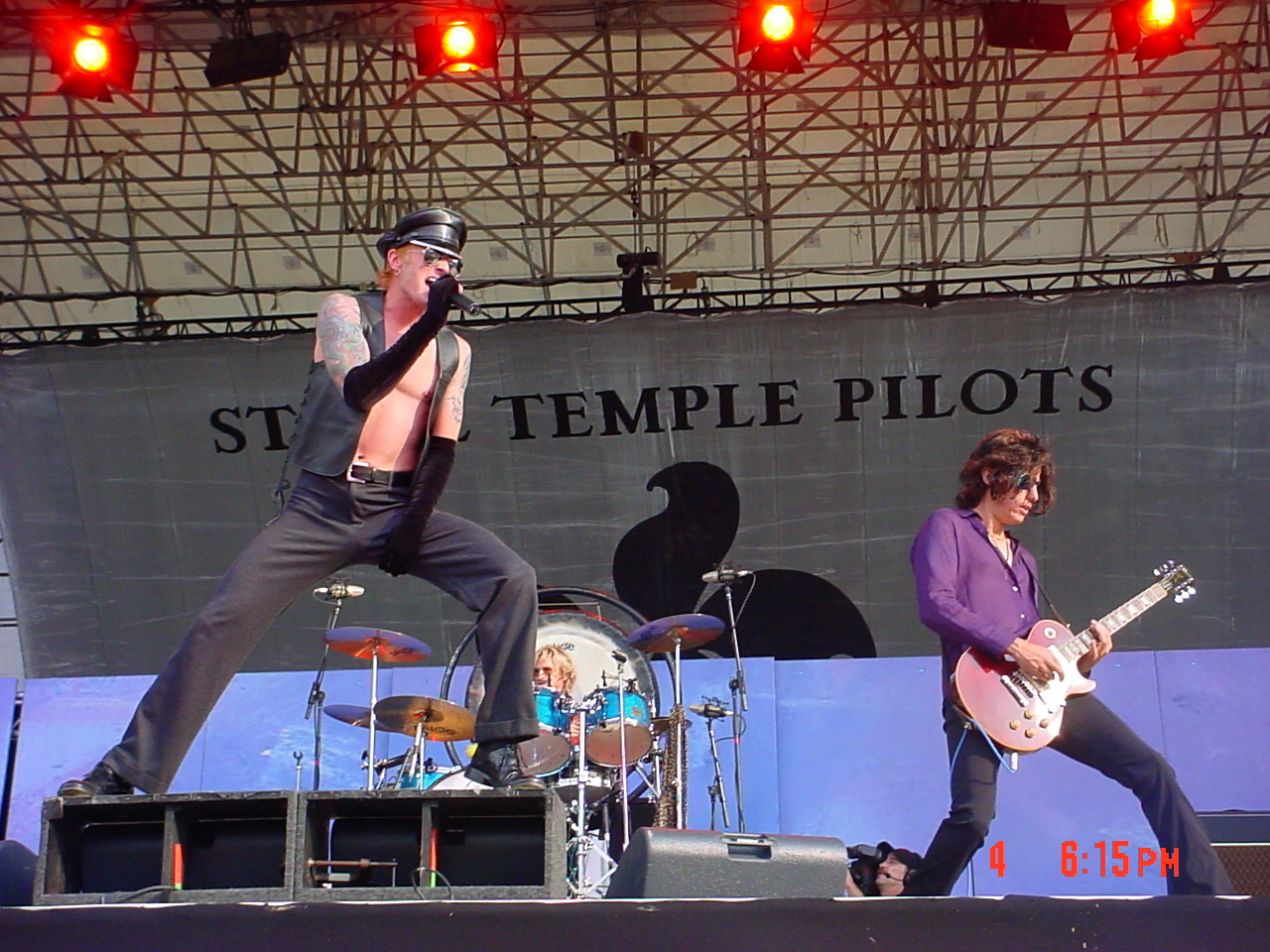
Core sits at the edge of the grunge conversation, but it earns its place because it understands scale. The guitars are huge without becoming blurry, the rhythm section is locked tight, and Scott Weiland’s vocals are mixed with enough grit to feel dangerous without losing intelligibility. Tracks like “Sex Type Thing” and “Plush” show how a band can sound heavy without relying on sludge.
Production takeaway: This is a good reference for modern rock mixes that need size and separation. The low end stays controlled, the guitars are mid-focused, and the vocal sits forward rather than floating above the track. If you’re mixing this style today, try high-passing guitars just enough to leave room for bass and kick, then use parallel compression on vocals to preserve edge without flattening dynamics.
9. L7 — Bricks Are Heavy (1992)

L7 brought punishing attitude and a sharper punk backbone to grunge-adjacent heavy rock. Bricks Are Heavy is raw in spirit but not sloppy in execution. The guitars are thick and dirty, the drums feel immediate, and the whole record has the urgency of a band that refuses to clean itself up for anyone.
Production takeaway: The album works because it doesn’t over-explain itself sonically. The arrangement does the lifting. For producers, that means leaving room for the performance to feel aggressive. Avoid over-layering rhythm parts when a single hard-panned guitar pair with a strong amp tone can carry the record. Distortion should add density, not mask articulation.
8. Screaming Trees — Sweet Oblivion (1992)
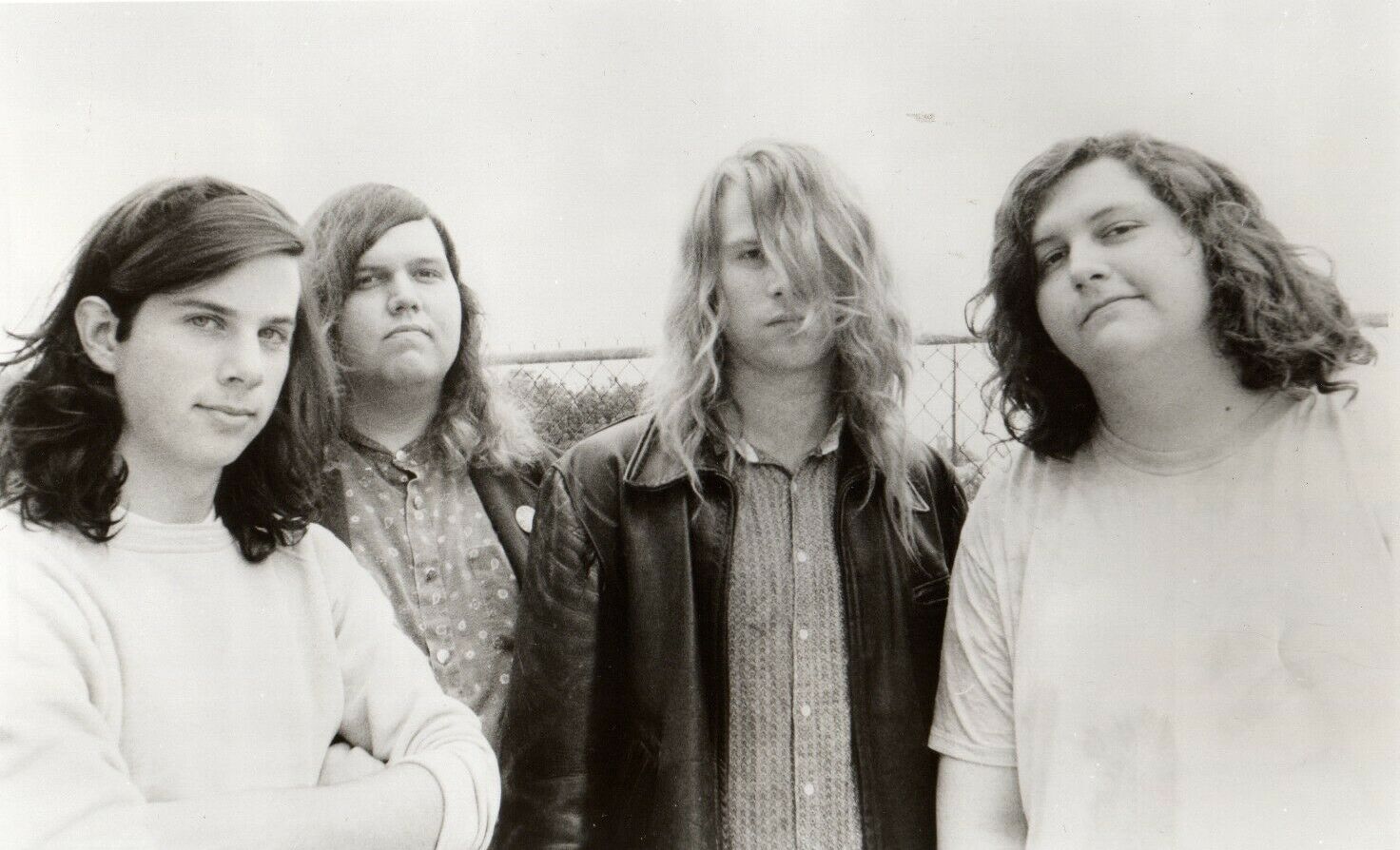
archive | License: Public domain | Source: Wikimedia | https://commons.wikimedia.org/wiki/File:Screaming_Trees_(1980s_SST_promo_photo).jpg
Sweet Oblivion is one of the most melodically sophisticated records in the grunge era. Mark Lanegan’s voice is the centerpiece: deep, worn, and impossibly human. The production lets the songs breathe, which gives the record a different kind of heaviness. Instead of constant abrasion, you get atmosphere and emotional gravity.
Production takeaway: This album is a lesson in contrast. Keep the instrumentation relatively restrained so the vocal can feel massive without excess processing. A roomier drum sound and less-compressed verses can make choruses feel larger by comparison. If you’re chasing this aesthetic, automate reverb sends instead of bathing the whole track in ambience.
7. Mudhoney — Every Good Boy Deserves Fudge (1991)
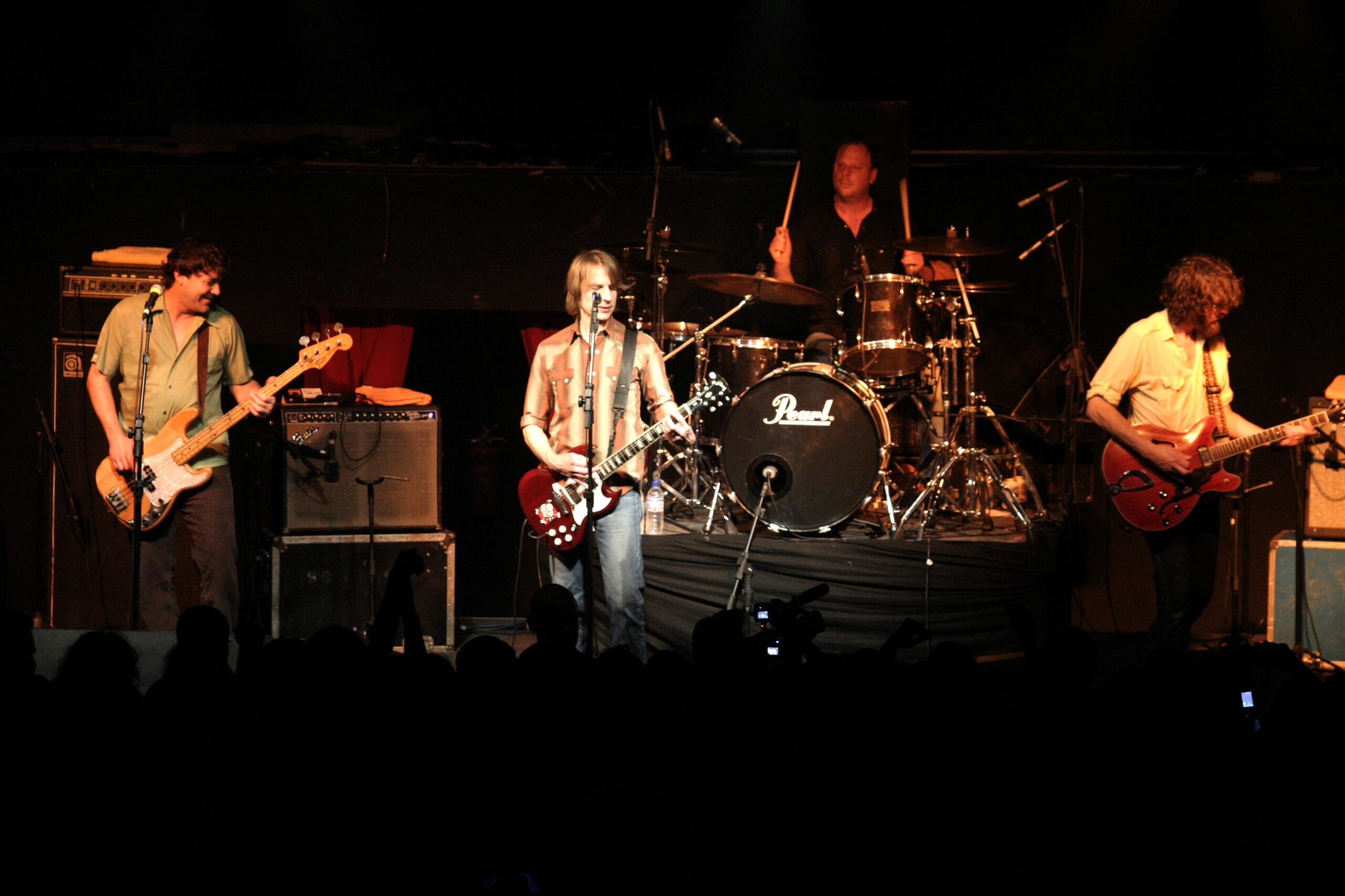
Transferred from en.wikipedia | License: CC BY-SA 2.0 | Source: Wikimedia | https://commons.wikimedia.org/wiki/File:Mudhoney_June_2007.jpg
Mudhoney never cared about making grunge respectable, and that’s exactly why they matter. Every Good Boy Deserves Fudge is filthy, funny, and gloriously unrefined. The guitars are abrasive in the best way, and the whole album feels like it was recorded with the intention of amplifying chaos rather than taming it.
Production takeaway: This is the anti-slick blueprint. If your mix sounds too neat, you can borrow from this approach by leaving some amp hiss, pushing mids aggressively, and resisting the urge to over-edit drums. The grit is the point. A little spill between mics can make a band feel like a band.
6. The Melvins — Bullhead (1991)
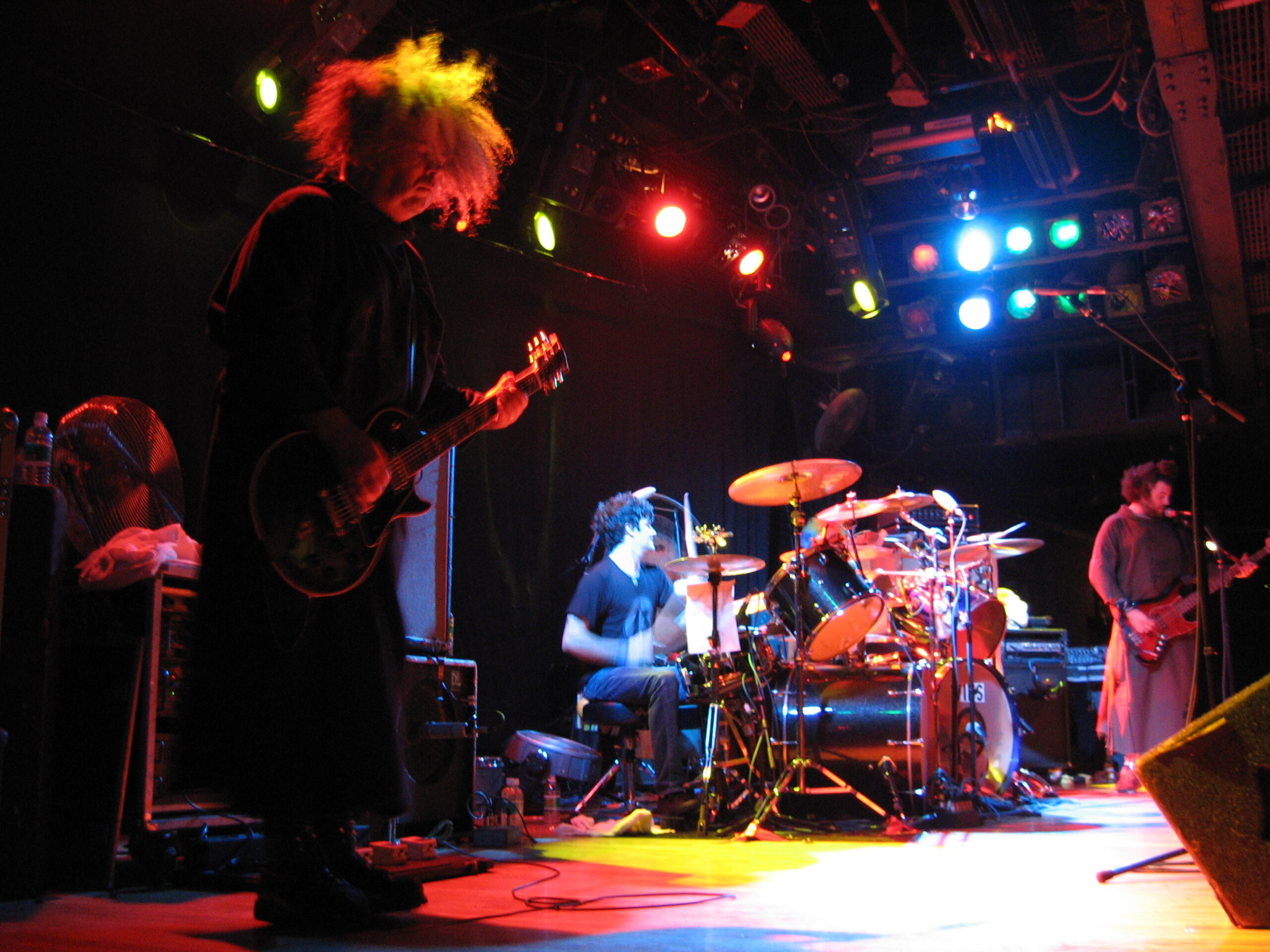
The Melvins helped define the slow, crushing side of the grunge ecosystem, and Bullhead remains one of the heaviest records adjacent to the genre. The tempos are deliberate, the riffs are monolithic, and the recording prioritizes mass over sheen. It’s less about hooks than about pressure.
Production takeaway: If you want music to feel heavier, don’t just add gain. Slow the tempo, leave more space between transients, and let the low-mids speak. This record is a reminder that heaviness often comes from arrangement and timing, not just distortion pedals or high-output pickups.
5. Alice in Chains — Dirt (1992)
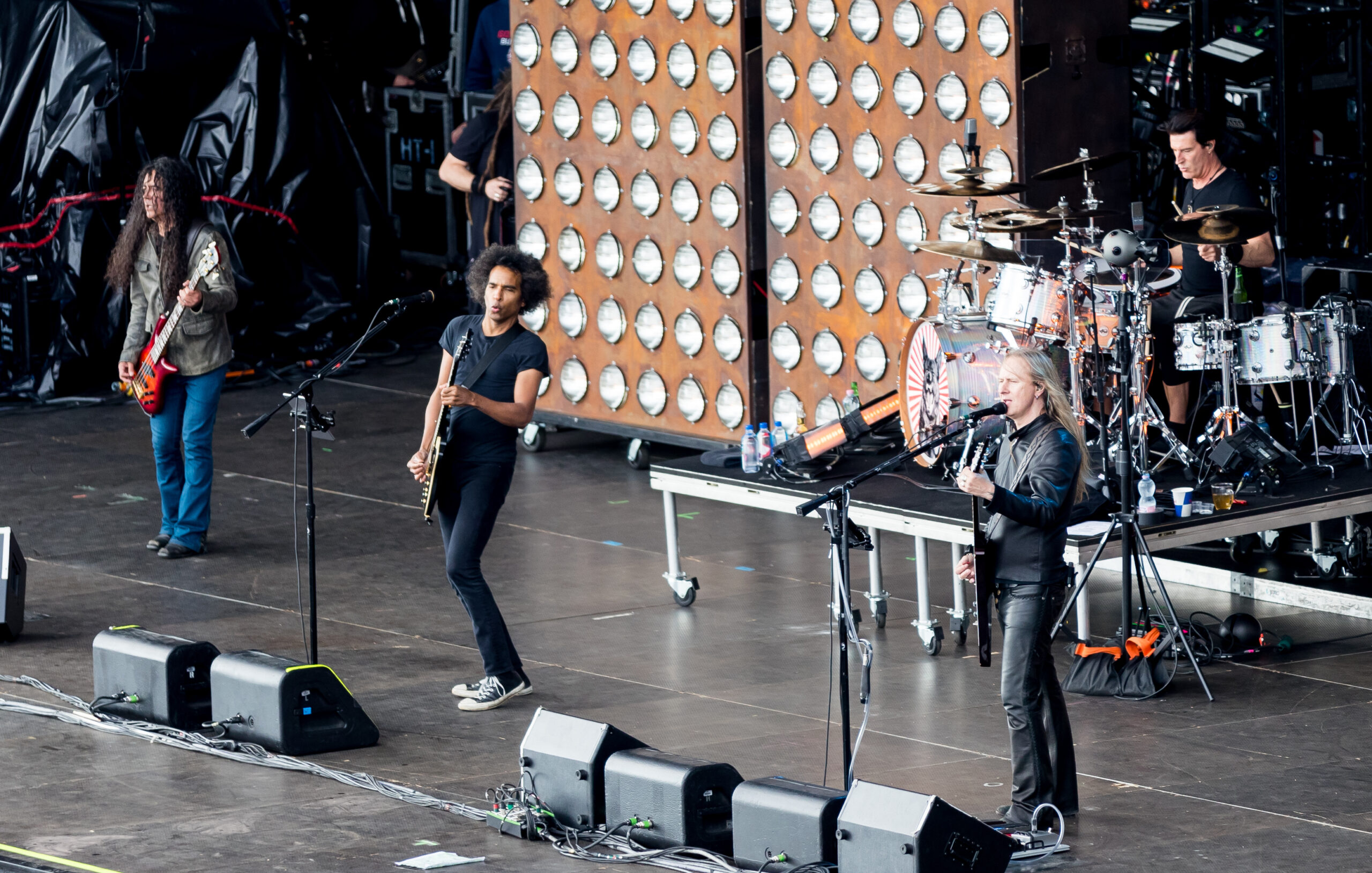
Dirt is where grunge becomes psychological warfare. The guitars are massive, the harmonies are haunting, and the production captures a suffocating sense of dread without collapsing into mud. Jerry Cantrell’s guitar parts are written and mixed like interlocking machinery, and Layne Staley’s vocal performance carries an almost unbearable weight.
Production takeaway: The dual-vocal treatment here is crucial. Harmonies aren’t just decorative; they create emotional distortion. For producers, this means treating backing vocals as arrangement tools, not just support. Double parts tightly when you want unease, and don’t be afraid to let the chorus feel denser than the verse by stacking octave relationships and suspended intervals.
4. Soundgarden — Superunknown (1994)
Superunknown is the most expansive album on this list. It’s grunge, but it’s also progressive in structure, psychedelic in texture, and deeply attentive to sonic detail. The drum sound is enormous, the guitars shift from sludgy to shimmering, and Chris Cornell’s voice can move from intimate to volcanic within a phrase.
Production takeaway: This album rewards dynamic mix design. Instead of crushing everything into one static texture, let sections evolve. Use automation on guitar level, vocal presence, and room reverb to emphasize movement. The record proves that heavy music can still feel wide and dimensional if you preserve contrast between layers.
3. Pearl Jam — Ten (1991)
Ten is one of the defining hard rock records of the decade, and its longevity comes from the balance between emotional scale and disciplined arrangement. The guitars are rich but not overcooked, the drums punch without sounding sterile, and Eddie Vedder’s vocal is mixed to sound like a confessional carried through a stadium PA.
Production takeaway: This is a masterclass in vocal-forward rock production. If your singer has a distinct midrange character, don’t bury it under too much top-end polish. Let the voice occupy the center lane and build the band around it. Compression should stabilize emotion, not erase it. The right amount of room on snare and vocal can make a mix feel bigger than extra layers ever could.
2. Nirvana — In Utero (1993)
Nevermind may be the genre’s crossover moment, but In Utero is the purer grunge document. Steve Albini’s approach preserved abrasion, room tone, and performance dynamics in a way that made the band sound exposed and dangerous. The guitars are raw but still defined, the drums breathe, and the entire album feels like it was captured rather than constructed.
Production takeaway: If you want authenticity, over-processing is your enemy. Albini’s aesthetic teaches the value of microphone placement, room sound, and transient honesty. Try recording drums with distant mics that you can blend for depth instead of relying solely on close-mic punch. Let amplifiers sound like amplifiers. Let vocals sound like a person pushing air through pain.
1. Nirvana — Nevermind (1991)
Nevermind tops the list because it translated underground volatility into a mass-language without sacrificing edge. But its real brilliance is production. Butch Vig’s mix philosophy turned a raw band into a blockbuster without sanding off the emotional grain. The drums are explosive, the guitars are layered for impact, and the vocal rides the center line with just enough treatment to sound huge and unstable at once.
Production takeaway: This album is the gold standard for controlled aggression. The trick is not to make everything loud; it’s to make each section feel larger than the last. Layer guitars in a way that reinforces the riff rather than doubling chaos, and use compression to energize transients instead of choking them. If you’re producing grunge-inspired tracks today, Nevermind is still the best reference for how to make a scrappy band sound undeniable on radio.
What Producers Can Learn from Grunge Today
The most useful thing about grunge is that it solves a modern production problem: how to sound heavy without sounding fake. These records rarely rely on pristine editing or hyper-detailed tone sculpting. Instead, they use arrangement, performance, room sound, and contrast to make emotional weight feel physical.
If you want to apply that today, start with four practical rules:
- Capture a real room whenever possible. Even a modest live room can add glue and scale that plugins struggle to mimic.
- Prioritize the midrange. Grunge guitars live in the mids. Don’t scoop them into irrelevance.
- Use compression with intention. The best grunge mixes feel controlled, but never dead.
- Let imperfections remain visible. A squeak, bleed, or slightly unstable vocal can make the record feel alive.
That’s the real reason these albums endure. They don’t just represent a genre; they demonstrate a method. Grunge was never about one exact guitar pedal or drum plugin. It was about making tension sound honest. And these ten albums remain the clearest map of how that was done.
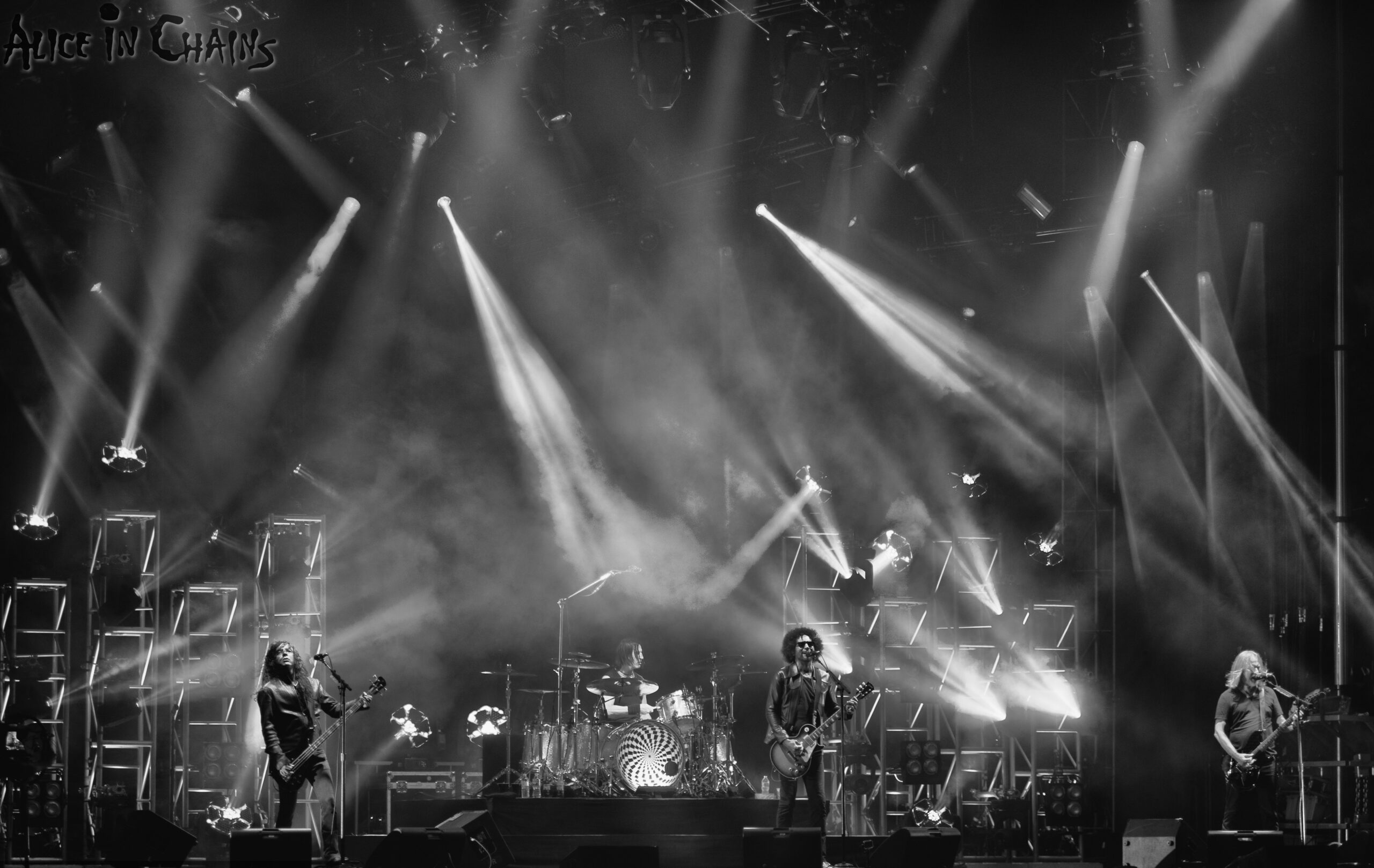
Image: Alice2016.jpg | Alice in Chains 2016 | License: CC BY 2.0 | Source: Wikimedia | https://commons.wikimedia.org/wiki/File:Alice2016.jpg