The Punk Album Blueprint: 10 Records That Redefined Raw Tone, Speed, and Studio Attitude
Punk wasn’t just a style—it was a production reset. These 10 albums changed how bands tracked guitars, captured drums, and turned noise into a lasting sonic language.
Punk as a Production Problem, Not Just a Genre
Punk history is often told as a cultural revolt, but from a studio perspective it was also a problem statement: how do you make records that feel immediate, cheap, aggressive, and alive without sanding off the danger? The best punk albums didn’t simply write faster songs. They forced producers, engineers, and bands to rethink mic placement, gain staging, room sound, vocal capture, and how much polish was too much. Some of these records sound gloriously crude. Others are deceptively clean. All of them taught later generations that sonic identity can matter more than fidelity.
This list isn’t just about influence or canon worship. It’s about the records that established templates for guitar bite, drum punch, bass presence, and vocal attitude—albums where the production choices became part of the message.
1. The Ramones — The Ramones (1976)
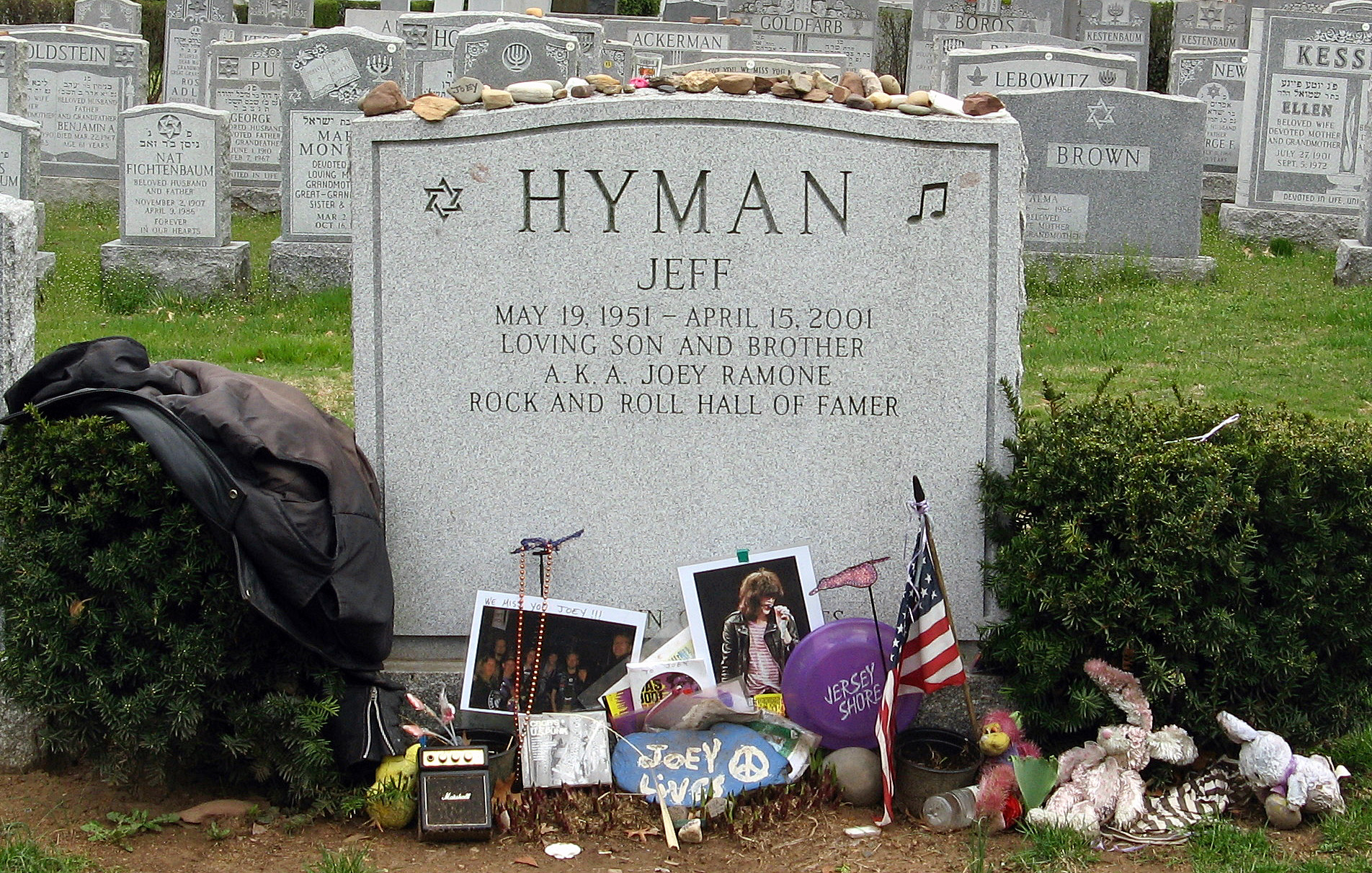
If punk has a zero point, this is it. The Ramones turned minimalism into architecture: short songs, dry performances, and guitars that sound like a single, oversized engine. The record’s brilliance is not sonic complexity but discipline. The parts are tightly arranged, the performances are locked, and the production keeps almost everything upfront.
For producers, the lesson is that aggression doesn’t require saturation overload. A clean, centered drum sound and a mono-minded guitar wall can hit harder than a busy mix. The album’s stripped presentation also leaves nowhere for weak writing to hide, which is exactly why it still feels so modern.
2. Sex Pistols — Never Mind the Bollocks, Here’s the Sex Pistols (1977)
This is one of punk’s most famous records precisely because it sounds engineered to be confrontational. The guitars are huge and abrasive, the drums are crisp without feeling sterile, and Johnny Rotten’s vocal is mixed like a threat in the room rather than a polished lead performance. The production doesn’t apologize for the band’s volatility; it weaponizes it.
The key takeaway is arrangement through tone. The guitars occupy a broad midrange bite, the bass keeps the low end from collapsing, and the mix leaves just enough air for the vocal to cut through. It’s a reminder that “raw” can still be carefully balanced.
3. The Clash — The Clash (1977)
Where some early punk records are all sprint and splinter, The Clash sounds like a band already thinking beyond the strict template. The guitars are lean but textured, the rhythm section is punchy, and the record has a sense of space that makes the agitation feel bigger. It is punk as a chassis for expansion.
From a production standpoint, the album is important because it proves punk records can breathe without losing urgency. That openness became essential for later punk, post-punk, and alternative recordings that wanted edge without total compression of the stereo field.
4. Buzzcocks — Another Music in a Different Kitchen (1978)
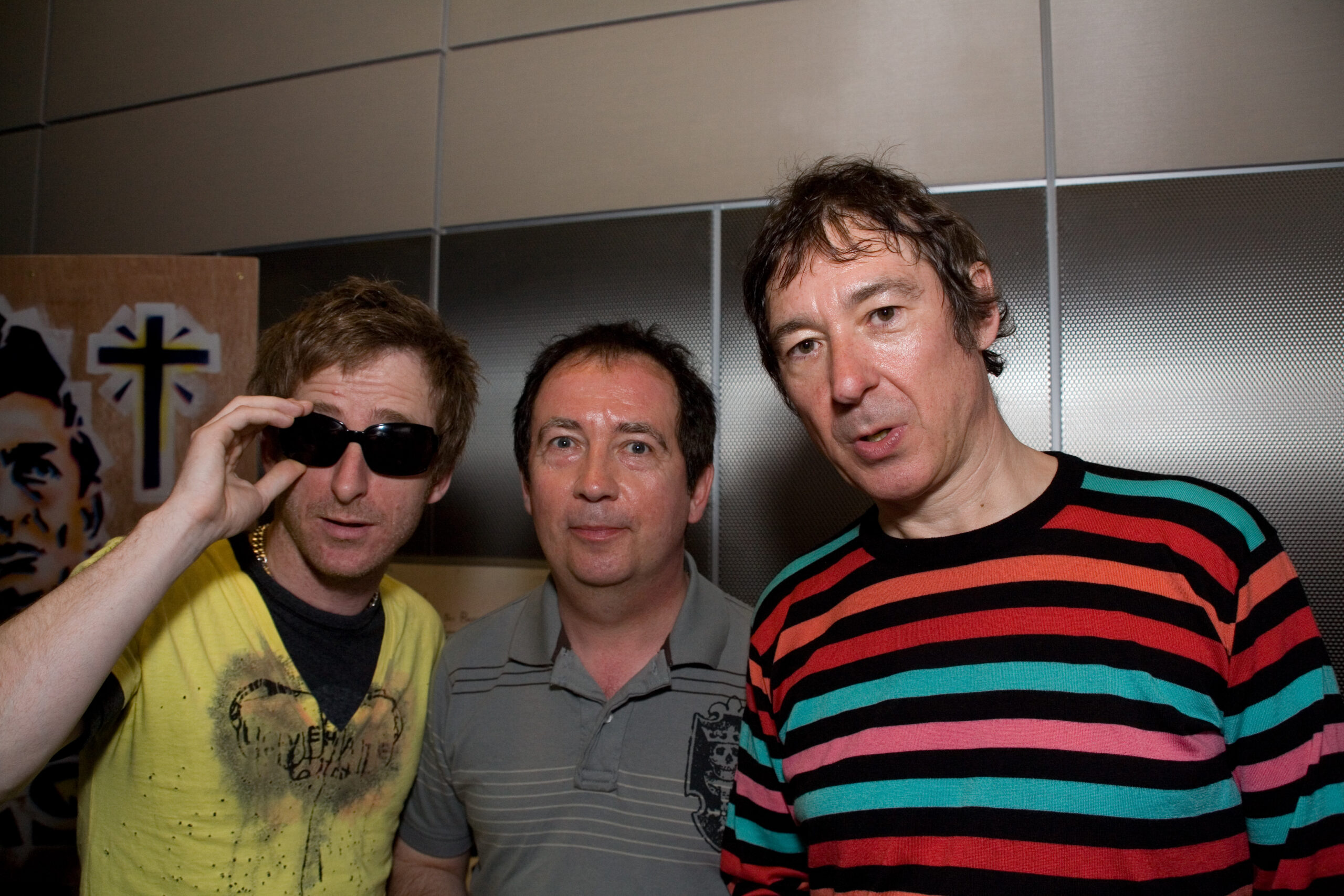
Buzzcocks brought melody into punk without muting the attack. The guitars are bright and wiry, the vocals sit higher in the mix than many of their peers, and the songs move with a nervous, taut energy that makes the production feel almost spring-loaded. The record is a masterclass in keeping pop hooks alive inside distorted, fast arrangements.
For modern producers, this album is a useful reference for preserving vocal intelligibility in dense guitar music. You don’t need to bury the melody to sound tough. In fact, a clean, assertive vocal can make the guitars seem even nastier by contrast.
5. Public Image Ltd. — Metal Box (1979)
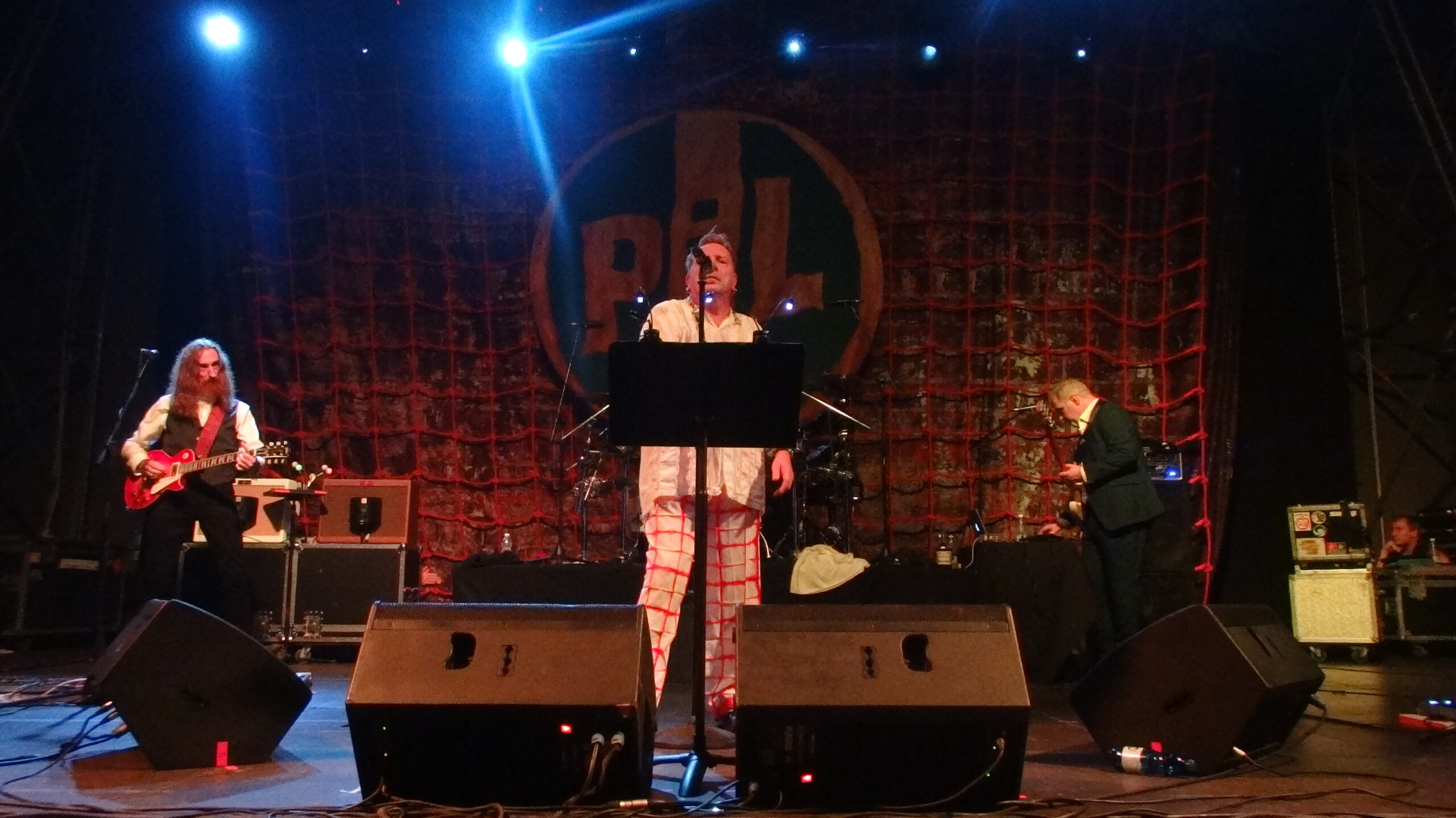
Not a punk record in the narrowest sense, but absolutely essential to punk’s production legacy. Metal Box takes the anti-rock attitude of punk and pushes it into dub, metallic repetition, and spacious, unsettling atmospheres. The bass is massive, the drums are skeletal, and the whole album feels like a studio experiment in negative space.
This is a key record for understanding how punk evolved from speed into texture. The mix philosophy here is almost the opposite of Ramones-style compression: fewer elements, more room, and more emphasis on physical bass weight and echo as mood. If you produce punk-adjacent music today, this is one of the records that teaches you how to make minimal arrangements feel enormous.
6. Black Flag — Damaged (1981)
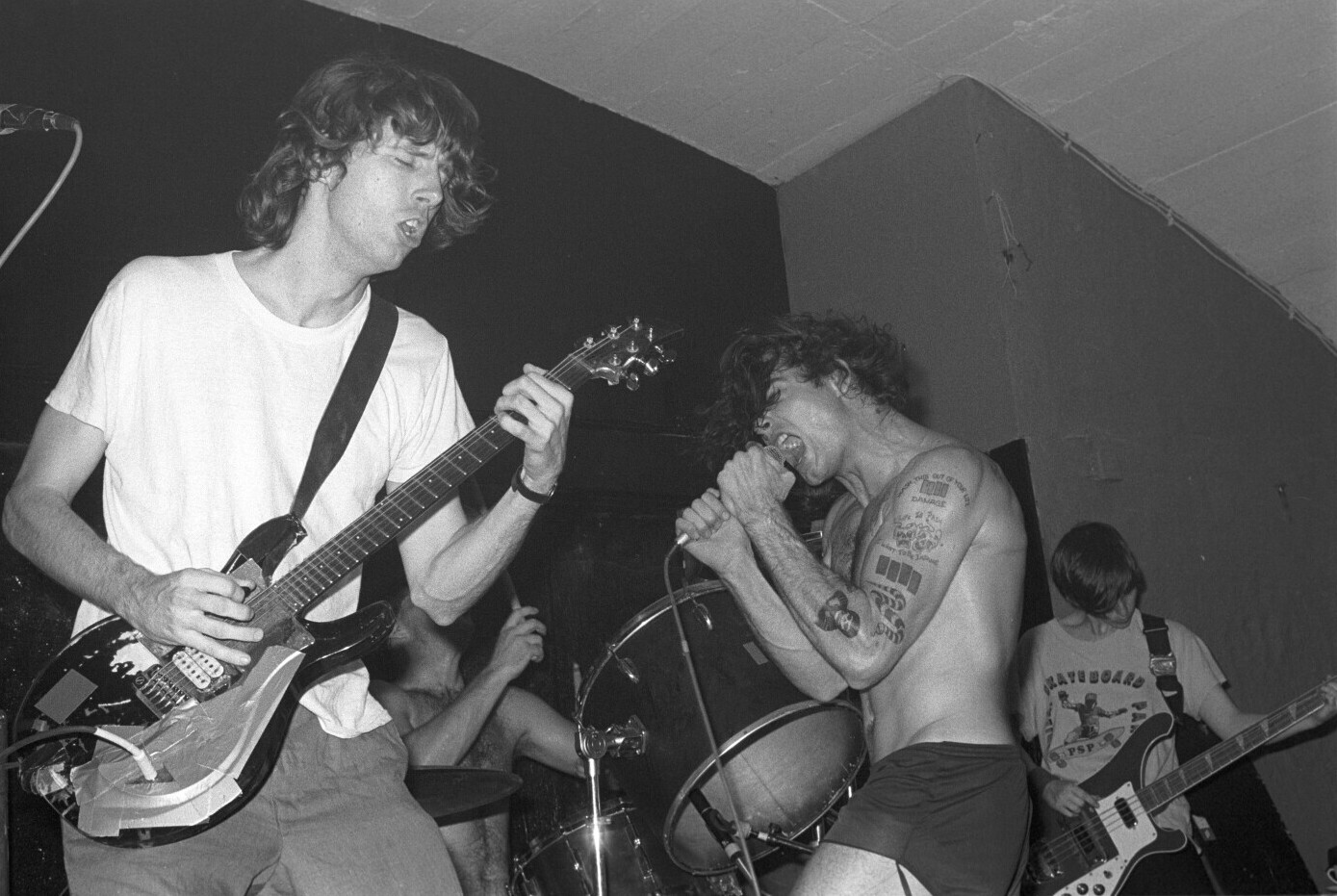
Damaged captures hardcore as a sonic event. The tempos are faster, the performances are more volatile, and the recording has a live-wire quality that matches the band’s brutality. The guitars are less about glossy distortion than about cutting presence, while the drums have enough attack to keep every breakdown and stop-start shift violent.
The production lesson is all about impact through restraint. Hardcore records like this often work best when the mix doesn’t overprocess the transient information. Let the snare crack. Let the kick stay sharp. Let the vocal clip the emotional surface. The urgency comes from not smoothing the edges.
7. Dead Kennedys — Fresh Fruit for Rotting Vegetables (1980)
This album is a major reason punk lyrics and satire could coexist with a band sound that still hit like a sledgehammer. The guitars have a dry, slashing character, the bass drives with melodic force, and Jello Biafra’s vocal is perched right where it can dominate the narrative without swallowing the band.
It’s a great reference for production that supports meaning. The mix leaves room for articulation, which matters when the vocals are doing heavy ideological lifting. If the lyrics are dense and fast, you need separation, not just volume. This record understands that instinctively.
8. The Stooges — Raw Power (1973)
Before punk had a name, Raw Power sounded like the future being kicked in the door. Its legendary status comes partly from the fact that it feels almost too hot to contain: guitars are jagged and overloaded, the rhythm section is relentless, and Iggy Pop’s voice is more physical force than polished performance.
The album remains a crucial study in controlled chaos. Whether you love or question certain mix decisions, you cannot ignore how the record makes distortion feel emotional rather than decorative. It’s a reminder that a great punk album often sounds like it is barely staying together—and that instability can be the point.
9. The Misfits — Walk Among Us (1982)
The Misfits fused punk speed with horror-movie theatrics, and the recording reflects that collision. The guitars have a sharp, almost polished edge, the bass is muscular, and the vocal delivery is theatrical without losing bite. It’s one of the clearest examples of punk becoming a brand of sonic identity, not just a tempo choice.
What makes the record important for producers is how it balances hooks and menace. The choruses are memorable, but the arrangement never collapses into pure pop. The tone remains specific and recognizable enough that the theatrics feel earned.
10. Minor Threat — Minor Threat (1983)
If you want to hear hardcore reduced to pure intent, this is the record. The songs are short, the playing is precise, and the recording is direct enough that every stop, start, and shouted line lands with force. There is no excess anywhere in the signal chain. That austerity is the aesthetic.
For engineers, this album is a case study in making small setups sound uncompromising. The production doesn’t chase width or gloss. It chases impact. That’s why it remains a template for DIY punk, straight-up hardcore, and any recording where the emotional center matters more than the room around it.
What These Albums Teach Modern Producers
The common thread across these records is not just attitude. It’s decision-making. Punk production is often at its best when it treats every choice as a tradeoff: distortion versus clarity, room sound versus punch, speed versus articulation, chaos versus control. The classics on this list each solve that equation differently.
For a modern session, that means thinking less about making punk “bigger” and more about making it more intentional. Try tracking guitars with fewer layers but a more committed tone. Keep drums punchy and transient-rich. Don’t over-edit vocals if the performance is where the authority lives. Use compression to stabilize, not flatten. And if a mix starts sounding too safe, remove something before adding more.
Punk’s lasting power comes from how production made the genre legible without neutralizing it. These albums are proof that raw and engineered are not opposites. In punk, the best records are often the ones where the engineering is invisible until you notice how perfectly it serves the chaos.
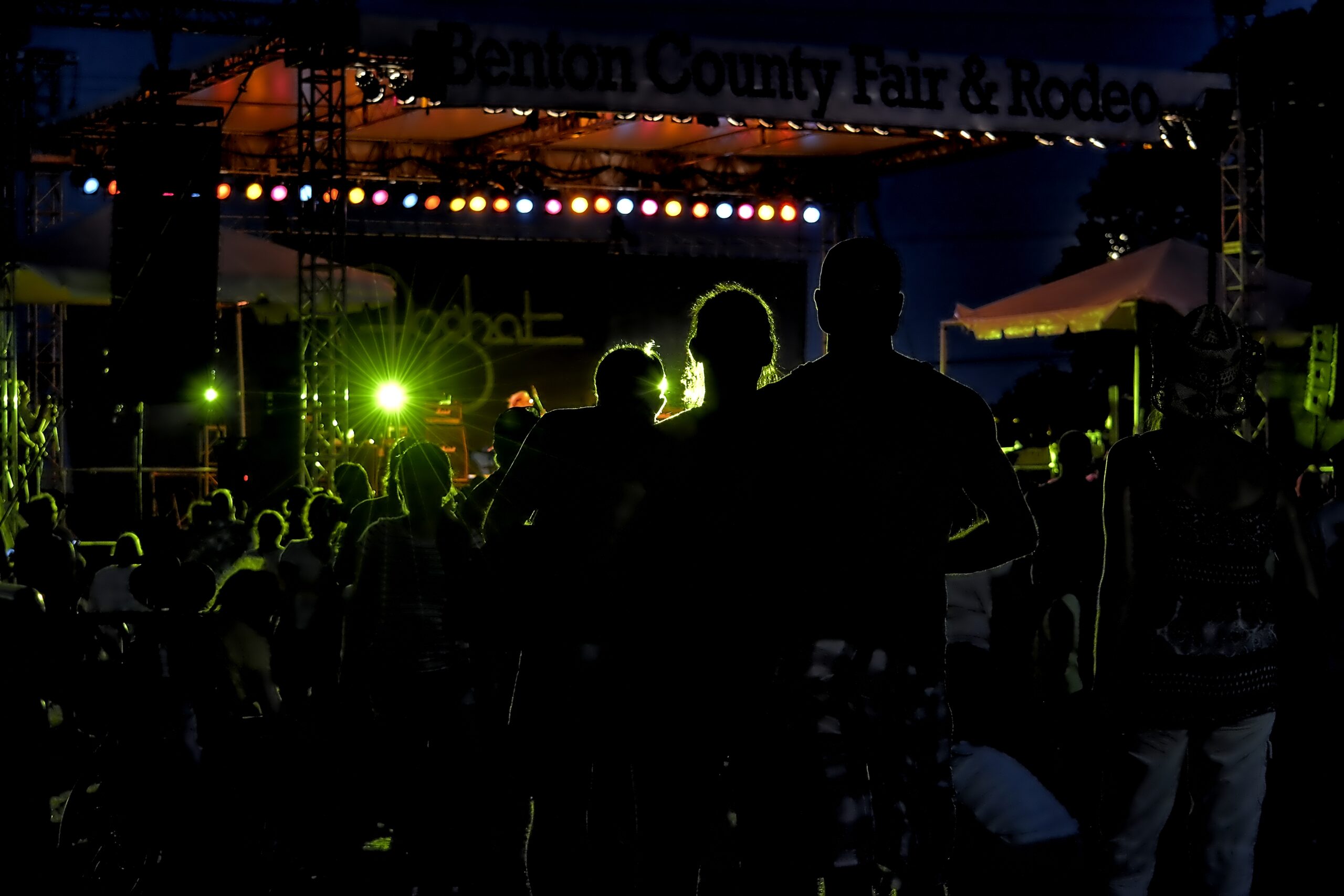
Image: Bathed in Green (20355550214).jpg | Bathed in Green | License: CC BY-SA 2.0 | Source: Wikimedia | https://commons.wikimedia.org/wiki/File:Bathed_in_Green_(20355550214).jpg