10 Grunge Albums That Still Define the Sound of Heavy Rock
These are the records that turned distortion, contrast, and emotional abrasion into a production language. We rank the essential grunge albums and break down what producers can actually learn from each one.
Why Grunge Still Matters in the Studio
Grunge was never just a fashion era or a nostalgic subgenre tag. At its best, it was a production approach: raw but controlled, ugly in texture but disciplined in arrangement, and powerful because it made contrast do the heavy lifting. These records didn’t just document bands with flannel and fuzz. They established a modern heavy-rock template built from tunings, mic placement, dynamic range, and the art of making a chorus feel physically larger without burying the song in overproduction.
This ranking is not just about legacy or sales. It’s about albums that delivered a lasting sonic blueprint. Whether you’re a producer chasing massive guitars, an engineer learning how to keep dense mixes intelligible, or a musician trying to understand why these records still hit harder than many newer ones, the details matter. We’re ranking the albums by cultural importance, sonic identity, and how well their production choices still teach us something useful.
10. Mudhoney – Every Good Boy Deserves Fudge
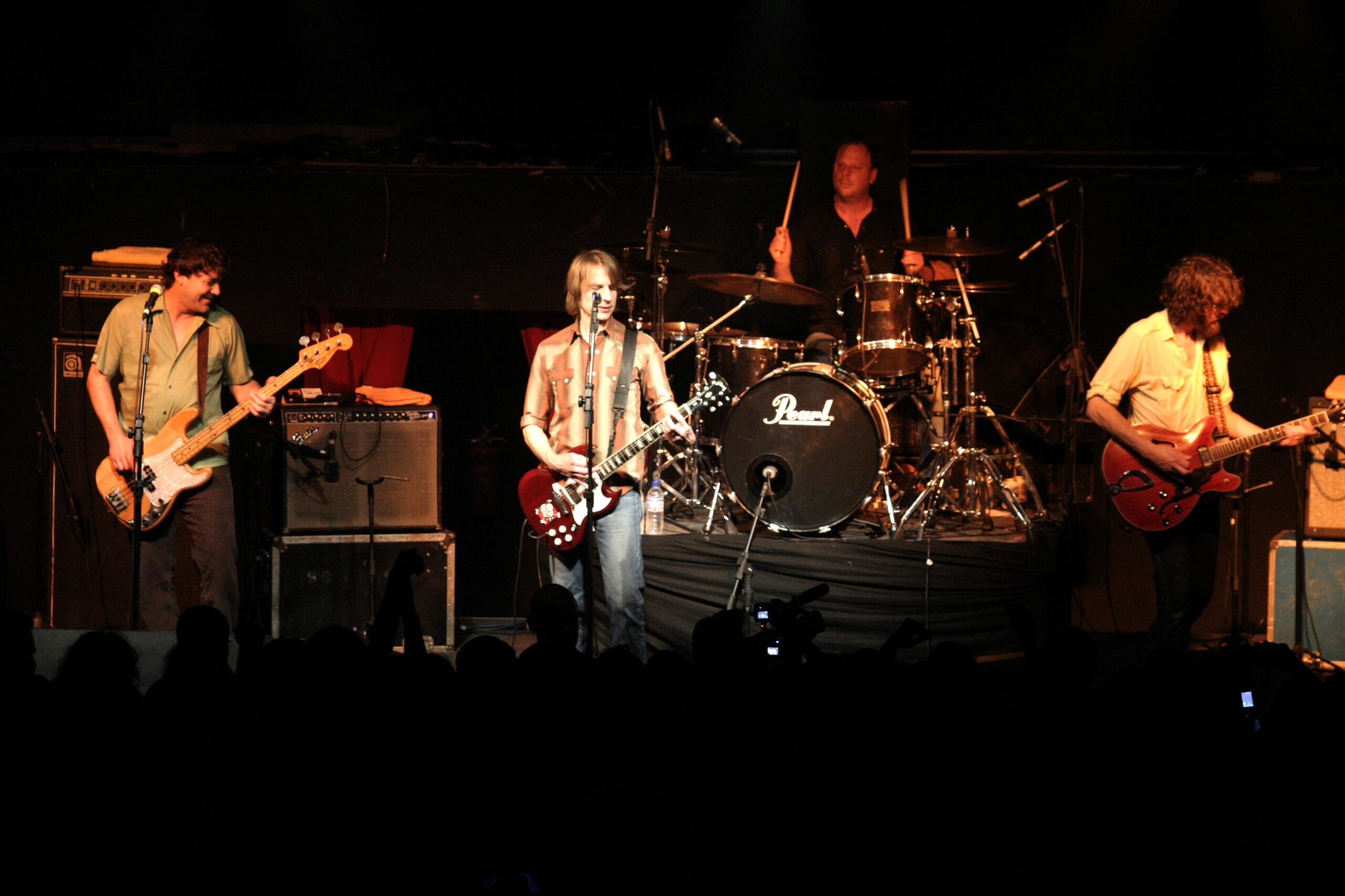
Transferred from en.wikipedia | License: CC BY-SA 2.0 | Source: Wikimedia | https://commons.wikimedia.org/wiki/File:Mudhoney_June_2007.jpg
If grunge has a garage-born, feedback-soaked rough draft, this is one of its clearest statements. Mudhoney never polished the edges off their attack, and that restraint is part of the appeal. The guitars feel intentionally unstable, the vocal presence sits somewhere between sneer and collapse, and the drum sound favors impact over sheen.
Production takeaway: This album is a reminder that distortion doesn’t need to sound wide and expensive to feel huge. A mono-leaning rhythm center, minimal corrective processing, and amps pushed into ugly territory can create more urgency than carefully layered guitar stacks. If you’re mixing this kind of material, preserve transient bite on the snare and let the top-end fizz exist instead of EQ-ing it into safety.
9. Screaming Trees – Sweet Oblivion
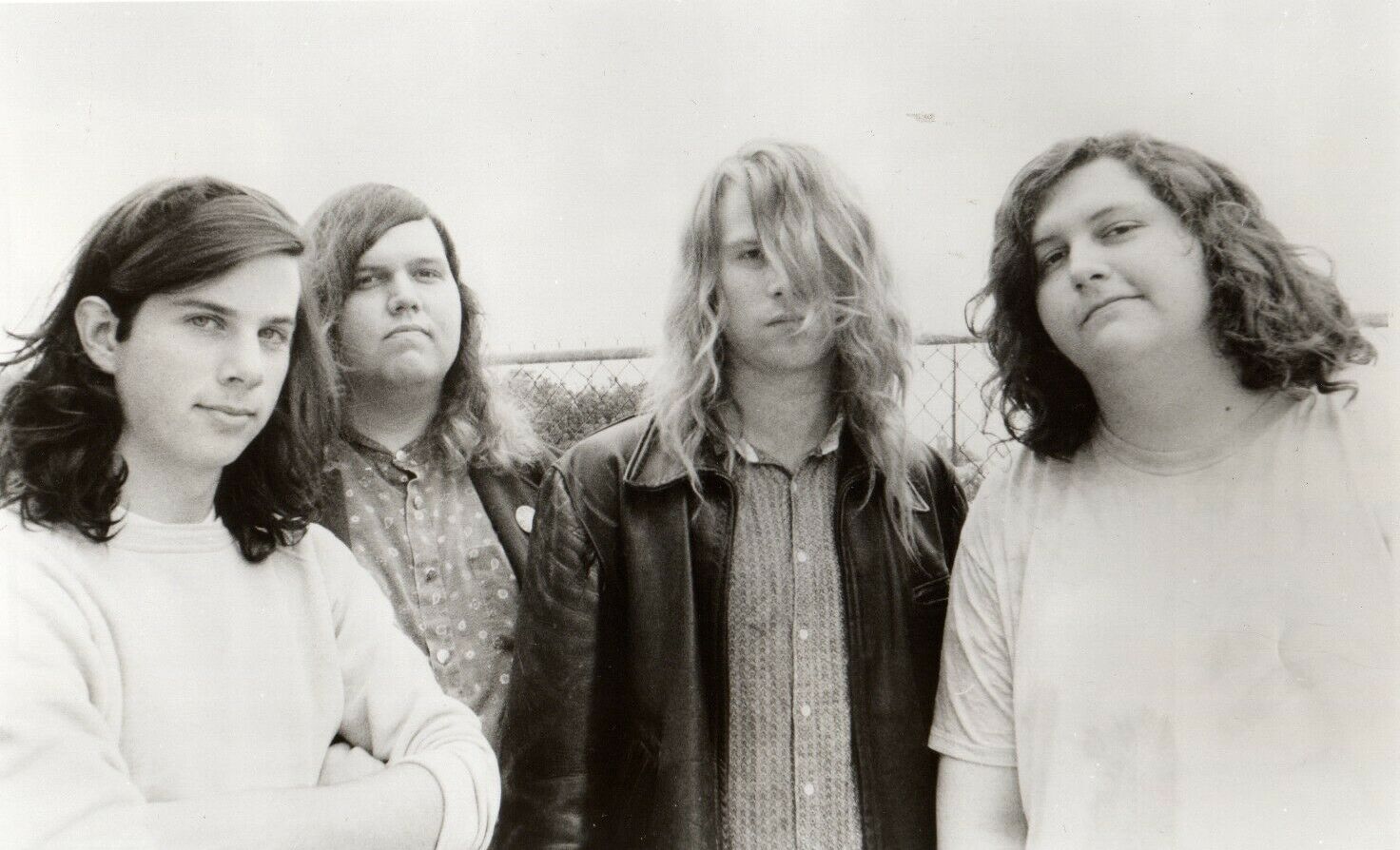
archive | License: Public domain | Source: Wikimedia | https://commons.wikimedia.org/wiki/File:Screaming_Trees_(1980s_SST_promo_photo).jpg
Screaming Trees brought a psych haze to grunge, and Sweet Oblivion is where that atmosphere becomes especially useful from a production standpoint. The songs feel thick and suspended, but the arrangement never loses its sense of movement. Mark Lanegan’s voice is the anchor: deep, weathered, and mixed like a front-of-stage element rather than a buried texture.
Production takeaway: This record is a good case study in depth without mud. Reverb is used as a color, not a blanket. The guitars occupy a midrange-rich pocket, while the vocal sits forward enough to preserve lyric weight. If you’re building a mix with dense guitar layers, be deliberate about arranging the low mids so the atmosphere doesn’t swallow the impact.
8. Stone Temple Pilots – Purple
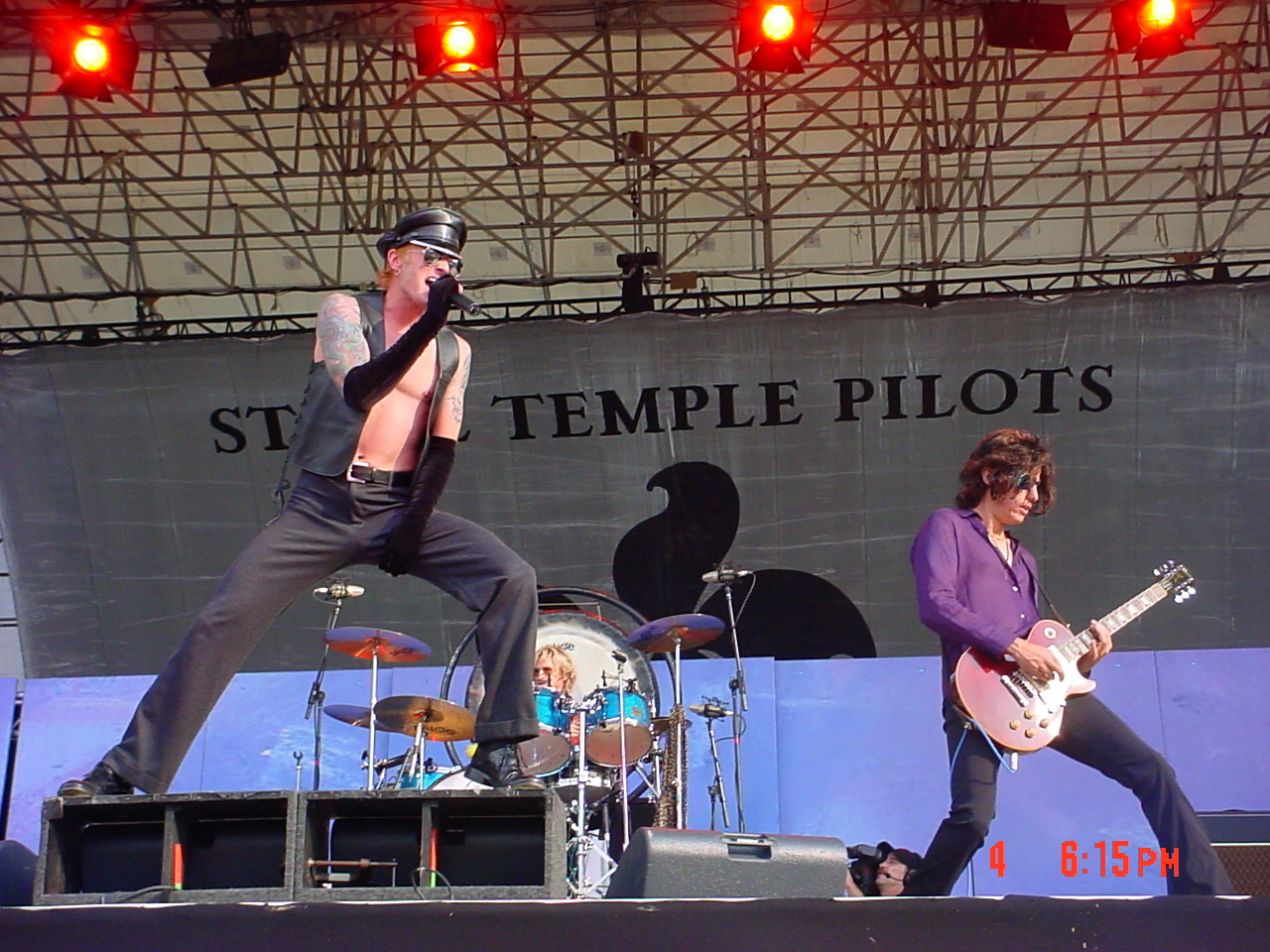
Purists sometimes argue about STP’s place in the grunge canon, but from a production perspective Purple absolutely belongs in the conversation. The album is cleaner and more radio-ready than some Seattle peers, yet it keeps enough grit to avoid sounding sanitized. The bass and drums are tight, the guitars are sharply defined, and the whole record is built around arrangement contrast.
Production takeaway: This is a lesson in making heaviness legible. You don’t need maximal fuzz when the riff itself is strong and the mix leaves room for each part to breathe. The best grunge-informed mixes often depend on controlled low-end, not endless thickness. Notice how hard-panned guitars and a focused snare tone can make a chorus feel larger without adding more tracks.
7. The Melvins – Bullhead
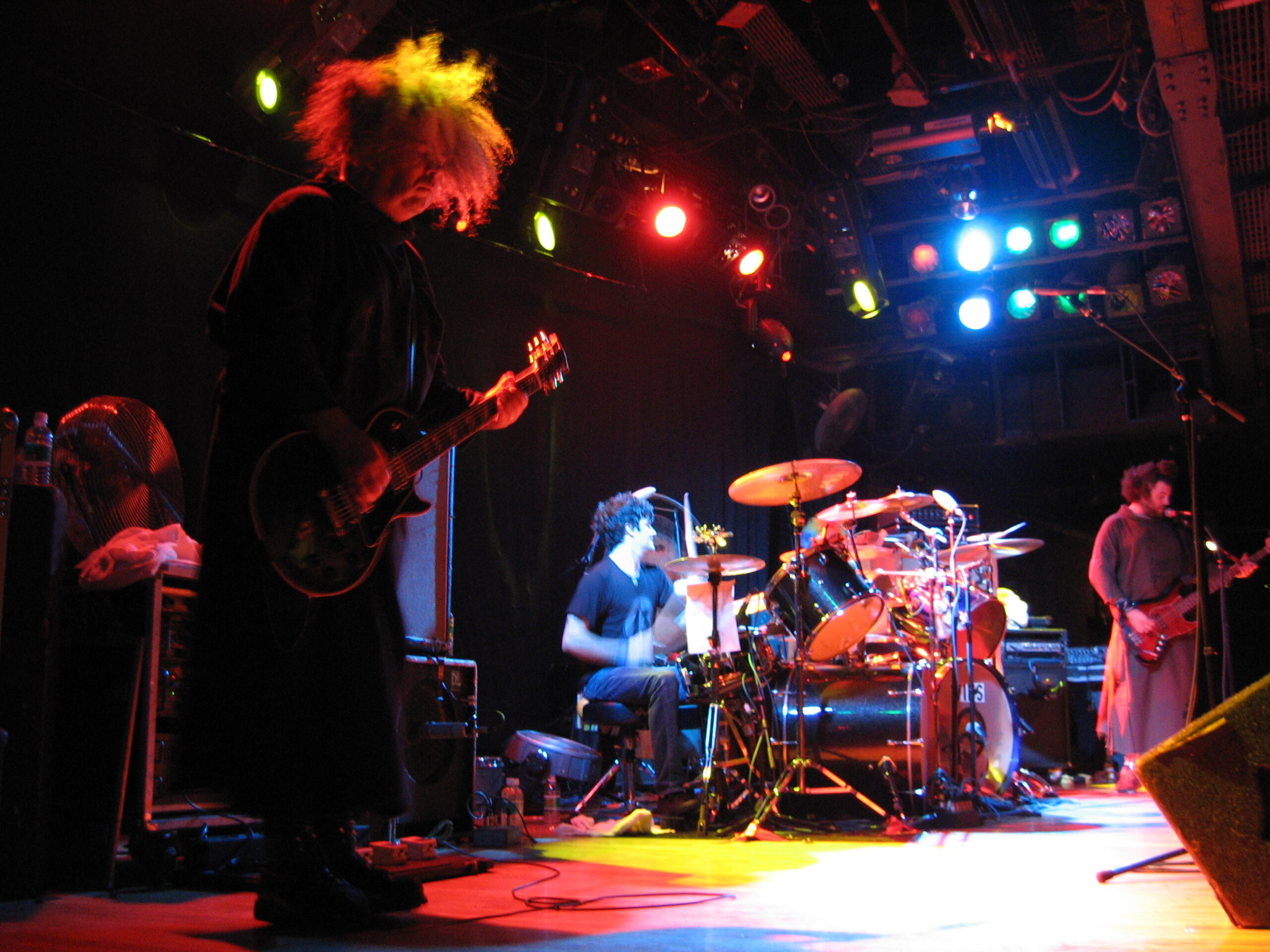
The Melvins were foundational to grunge’s sludgier side, and Bullhead is where the band’s slow-motion crush becomes especially influential. The tempos drag in a way that forces the listener to feel every sustained chord. It’s heavy not because it’s loud all the time, but because it weaponizes drag, repetition, and mass.
Production takeaway: Slow music exposes everything. If you’re producing doom-adjacent or grunge-influenced material, the guitar sound has to hold itself together for longer note values. That means monitoring sustain, noise floor, and low-end bloom. Compression should support weight, not flatten the pulse. A restrained drum room sound can also keep the track from turning into indistinct sludge.
6. Tad – 8-Way Santa

Tad’s records deserve more credit for how physical they feel. 8-Way Santa is messy in the best sense: thick guitars, blunt dynamics, and a sense that the band is constantly on the verge of splintering. It’s one of the more feral albums in the genre, but the production still tracks the energy with enough clarity to keep the riffs readable.
Production takeaway: For engineers, this album is a reminder that aggression doesn’t have to be pristine to be effective. A slightly ragged performance can be more convincing than a perfectly quantized one. The trick is controlling the frequency clutter around the guitars and drums so the song still lands. If the vocal is abrasive, use it as a lead texture rather than trying to “beautify” it into pop gloss.
5. Alice in Chains – Dirt
Dirt is one of the most sonically complete heavy records of the decade. The album is oppressive in the most intentional way: tuned-down guitars, vocal harmonies that feel like a fracture in the mix, and a drum sound that can punch through the gloom without making the arrangement feel airless. The production balances toxicity and precision.
Production takeaway: The genius here is contrast. The choruses aren’t “brighter” in a conventional sense, but they open up harmonically and dynamically. That’s a powerful reminder for producers: lift can come from arrangement density and melodic movement, not just EQ boosts. If you’re chasing this kind of tone, think about vocal layering, guitar voicing, and how to keep the low end stable when the riffs are detuned and slow.
4. Soundgarden – Superunknown
Superunknown is the album where grunge becomes an advanced production system. The textures are enormous, but the record never turns into a static wall. Chris Cornell’s voice is mixed with startling range, the guitars shift from serrated to spacious, and the drums move like a sculpted force rather than a blunt object.
Production takeaway: This album is a masterclass in dynamic arrangement. The songs breathe because the production understands when to step back. If you’re mixing heavy music, automate more than you think. Let the vocal lead the emotional contour. Keep an eye on the spectral balance across sections so the heavier parts actually feel heavier when they arrive. If everything is saturated all the time, nothing really peaks.
3. Temple of the Dog – Temple of the Dog
This one sits at the crossroads of grunge, hard rock, and emotional catharsis. The record is big, dramatic, and unusually polished, yet it preserves the grain that made Seattle’s scene compelling. The guitars feel open, the drums have real room around them, and the vocal performances carry the album with a kind of wounded authority.
Production takeaway: This is a strong reference for building emotional scale without losing realism. The mixes don’t rely on hyper-compression to create intensity. Instead, they use arrangement depth, layered vocals, and room information to make the songs expand. For producers, that means thinking about perspective: when should the listener feel close, and when should the track feel like it’s opening into a larger space?
2. Nirvana – Nevermind
Nevermind is the most consequential grunge album for a reason: it turned a raw underground energy into a production language that mainstream rock still borrows from. The guitar tone is famously direct and hook-forward, the drums punch with a nearly surgical snap, and the mix is engineered around emotional impact. It’s not “lo-fi”; it’s controlled impact disguised as chaos.
Production takeaway: Butch Vig’s approach here is all about contrast and clarity. Verse dynamics are intentionally restrained so the chorus lands like a door kicked open. The snare sound cuts, the bass locks the center, and the vocal sits high enough to feel immediate. If you want a modern version of this trick, focus on arrangement density and drum transients before reaching for more saturation plugins. The huge feel comes from shape, not just distortion.
1. Alice in Chains – Facelift
Putting Facelift at number one may surprise listeners who expect the top spot to default to Nevermind or Dirt, but this album earns it because it captures grunge at its most transitional and revealing. It still carries the heavy metal muscle of the late 1980s, yet it introduces the bleak harmonic language and uneasy texture that would define the genre’s next phase. From a production standpoint, it shows grunge forming in real time.
Production takeaway: What makes Facelift so instructive is how it balances precision and menace. The guitars are massive but not over-processed, the vocals sit in a dramatic space without turning theatrical, and the rhythm section stays disciplined enough to keep the songs from collapsing under their own weight. If you’re studying how to build a grunge mix today, this album is invaluable because it’s not a fully standardized formula yet. You can hear the ingredients before they became a cliché.
What These Albums Teach Modern Producers
Across all ten records, the lesson is surprisingly consistent: grunge works when the production respects tension. The genre’s power comes from unpolished emotional truth filtered through disciplined engineering choices. That means:
- Let the guitars sound physical, not just distorted. Texture matters more than gain for its own sake.
- Use contrast as a mix tool. The loud part only matters if the quiet part is actually quieter.
- Protect the vocal’s emotional role. Grunge vocals often sit forward enough to carry the lyric even when the band sounds like it’s collapsing.
- Keep the low end intentional. Detuned guitars and slow tempos can overwhelm a mix fast.
- Don’t confuse dirt with detail loss. The best albums in this era are messy in feel, not in execution.
If you’re building grunge-inspired tracks in a DAW, start by referencing arrangement first and tone second. Print a guitar sound that already feels 80 percent right, rather than stacking plugins until the part loses identity. Shape drum transients before saturating everything. And above all, leave room for the chorus to hit like a structural event, not just a volume automation move.
That’s why these albums still matter. They’re not just relics of a scene. They’re durable production lessons disguised as discomfort, and they still show up every time a modern rock mix tries to sound big, broken, and believable at the same time.
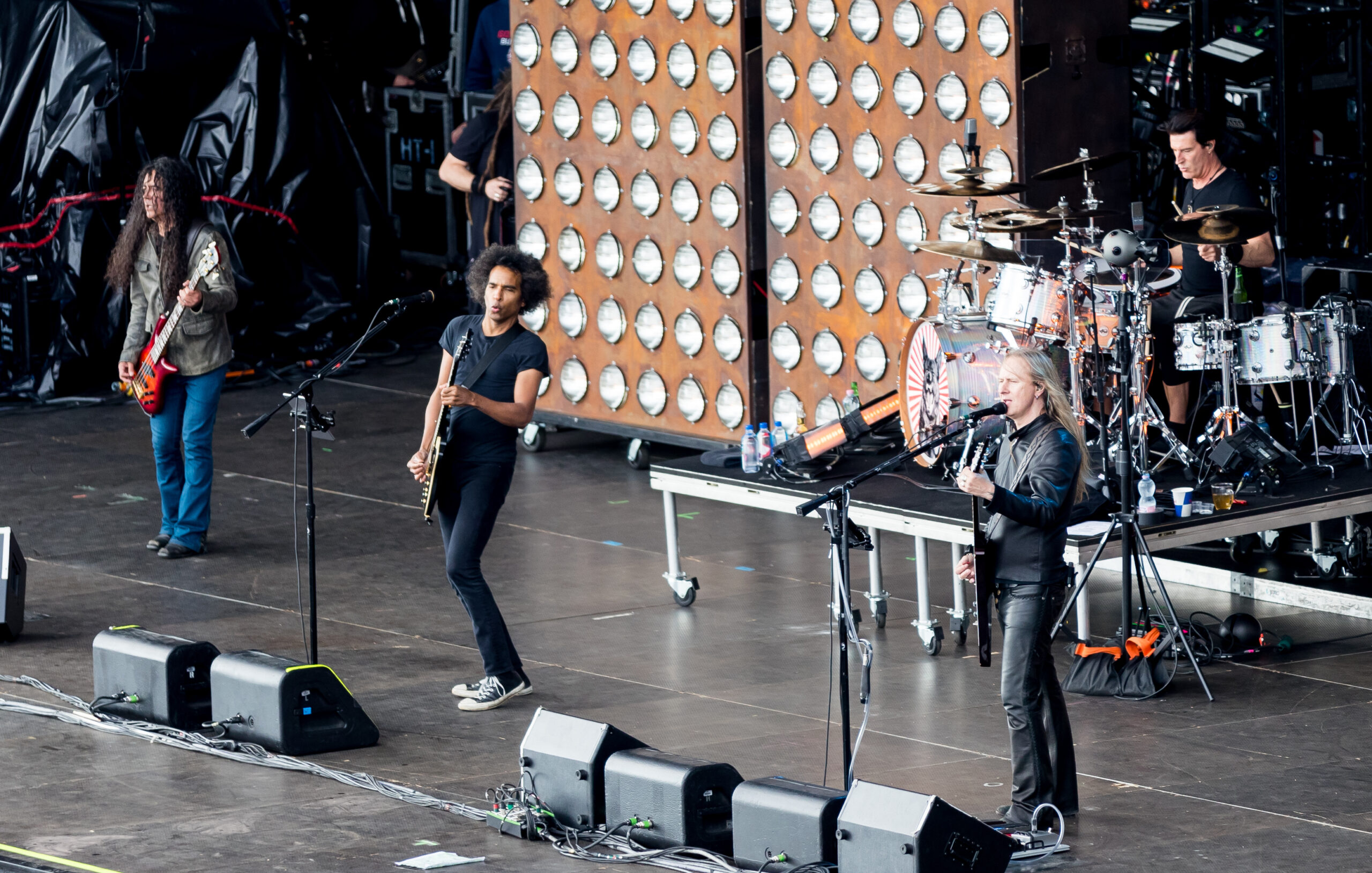
Image: Alice in Chains – 2019-06-07 Rock am Ring (cropped).jpg | Own work | License: CC BY-SA 4.0 | Source: Wikimedia | https://commons.wikimedia.org/wiki/File:Alice_in_Chains_-_2019-06-07_Rock_am_Ring_(cropped).jpg