Vinyl in the Studio: When It Actually Changes the Record
Vinyl still has a real place in modern music production—but not because of nostalgia. For producers, it can shape mastering decisions, reveal mix problems, and add a tactile, deliberately imperfect step that changes how a track is heard and handled.
Vinyl Isn’t a Vibe Tax — It’s a Format With Rules
Vinyl still matters in modern music production for one simple reason: it is not a neutral playback format. Unlike streaming or digital files, a record introduces physical constraints that affect mix decisions, mastering choices, running order, low-end behavior, stereo width, and even song length. That makes vinyl less of a nostalgia object and more of a production medium with consequences.
For artists and producers deciding whether it is worth using, the real question is not whether vinyl sounds “better.” It is whether vinyl serves the record you are making. If your project benefits from a more intentional sequence, a slightly different tonal balance, and a master that has been prepared with real-world mechanical limits in mind, vinyl can still be a valuable part of the process.
What Vinyl Changes in the Signal Chain
When a track is being prepared for vinyl, the master is no longer just for a DAW, an interface, or a streaming codec. It has to survive being carved into a lacquer, plated, pressed, shipped, and played back on turntables that may or may not be calibrated well. That journey forces engineers to think about the source material differently.
The most obvious differences show up in the low end. Excessive sub-bass, especially if it is wide or poorly controlled, can cause tracking issues and make the groove harder to cut cleanly. Engineers often tighten or mono-ize the low frequencies below a certain point, not because it is fashionable, but because a record cutter needs the groove to remain physically stable. Kick drums, 808s, and bass layers may need subtle rebalancing compared with the digital master.
Sibilance and bright transients matter too. Harsh vocal consonants, aggressive cymbals, and overcooked synth edges can become more problematic on vinyl than in a file-based release. De-essing, dynamic EQ, and careful top-end management are often part of the vinyl preparation process. The goal is not to dull the record. It is to prevent distortion, inner-groove wear, and playback fatigue.
Where Vinyl Still Earns Its Keep for Producers
Vinyl makes the most sense in specific production contexts. If you are making album-oriented music with a strong side A/side B identity, vinyl can help shape the narrative of the release. The format encourages you to think in sequences, not endless playlists. That alone can improve track pacing and inter-song contrast.
It is also useful as a quality-control tool. A mix that sounds huge in a DAW can expose weak midrange balance, overextended lows, or overcompressed transients when cut for vinyl. In that sense, vinyl acts like a brutally honest translation check. If your track works on record, there is a good chance it will translate elsewhere.
For certain genres, the format is part of the product. Indie rock, jazz, hip-hop, ambient, techno, house, and archival reissues all benefit from vinyl in different ways. In dance music, vinyl can still be valued for the feel of the release and the way listeners interact with it. In archival or catalog work, it preserves a physical edition that can carry both sonic and collectible value.
The Real Costs: Time, Money, and Mastering Discipline
Vinyl is rarely a casual add-on. It adds cost at multiple stages: specialized mastering, lacquer cutting, test pressings, pressing plant minimums, and longer manufacturing timelines. If your release is small, rushed, or highly iterative, vinyl can become an expensive bottleneck.
There is also a workflow cost. Preparing a record properly requires communication between producer, mastering engineer, and cutting engineer. You may need alternate masters, revised song order, and format-specific edits. Long tracks may need to be shortened or split differently across sides. Overly loud masters that work in the digital realm may not cut well without adjustments. If you are used to last-minute revision culture, vinyl will punish that habit quickly.
That said, the discipline can be useful. Vinyl forces decisions. It often nudges producers toward more intentional arrangements, cleaner low-end choices, and masters that breathe instead of fighting for maximum loudness.
Vinyl Sound: Real Character, Not Magical Color
There is a common myth that vinyl automatically makes music warmer, wider, or more “analog.” In reality, vinyl introduces a mix of characteristics that people often interpret as pleasing: subtle harmonic distortion, slight compression from the cutting chain, physical limitations that tame over-aggressive peaks, and playback variations that can soften the sharpest digital edges.
But those traits are not a universal upgrade. A great digital mix can sound excellent on vinyl, while a sloppy master can become muddy, strained, or dull. The format can add character, but it does not rescue bad decisions. If anything, it reveals them.
This is why serious producers think of vinyl less as a tone plugin and more as a translation medium. It changes how the record behaves in the real world. That can be aesthetically valuable, but it is not free coloration.
When Vinyl Is Worth It — and When It Is Not
Vinyl is worth considering if your release has a physical audience, a curated track order, or a genre culture that still values the format. It is especially useful if you want the master to be evaluated against mechanical constraints before release, or if the object itself is part of the artistic statement.
It is probably not worth it if your project is single-driven, fast-moving, highly experimental with extreme low end, or built for frequent revision. If your audience primarily consumes music through streaming, short-form video, or club promo downloads, a vinyl edition may be more symbolic than practical.
A useful test is this: would your record benefit from being forced into a more disciplined version of itself? If yes, vinyl may be a meaningful production decision. If no, it may just be an expensive artifact.
What Producers Should Ask Before Pressing
Before committing to vinyl, ask a few practical questions. Is the release long enough to justify the format without compromising audio quality? Does the mix have controlled low end and a stable center image? Are the vocal sibilants, cymbals, and sharp synth peaks under control? Do you have a mastering engineer who understands lacquer cutting, not just streaming loudness?
Also consider the physical reality of your release. A longer album may need to be spread across two records to preserve fidelity. A bass-heavy project may need more conservative side lengths. If you are planning a deluxe edition, bonus tracks might be better kept off the vinyl pressing to protect sound quality.
These are not compromises in the pejorative sense. They are format decisions. And when handled well, they can improve the record.
The Bottom Line
Vinyl still matters in modern music production because it creates a meaningful constraint, not because it is automatically superior. It remains useful for producers who value sequence, physical presentation, and mastering discipline, and for listeners who want a different kind of engagement with a record.
If you are deciding whether vinyl is worth using, think like a producer, not a collector. Ask what the format will change in the music, what it will cost in time and budget, and whether that tradeoff supports the release. When the answer is yes, vinyl can still be one of the most rewarding formats in the business. When the answer is no, digital may be the smarter move.
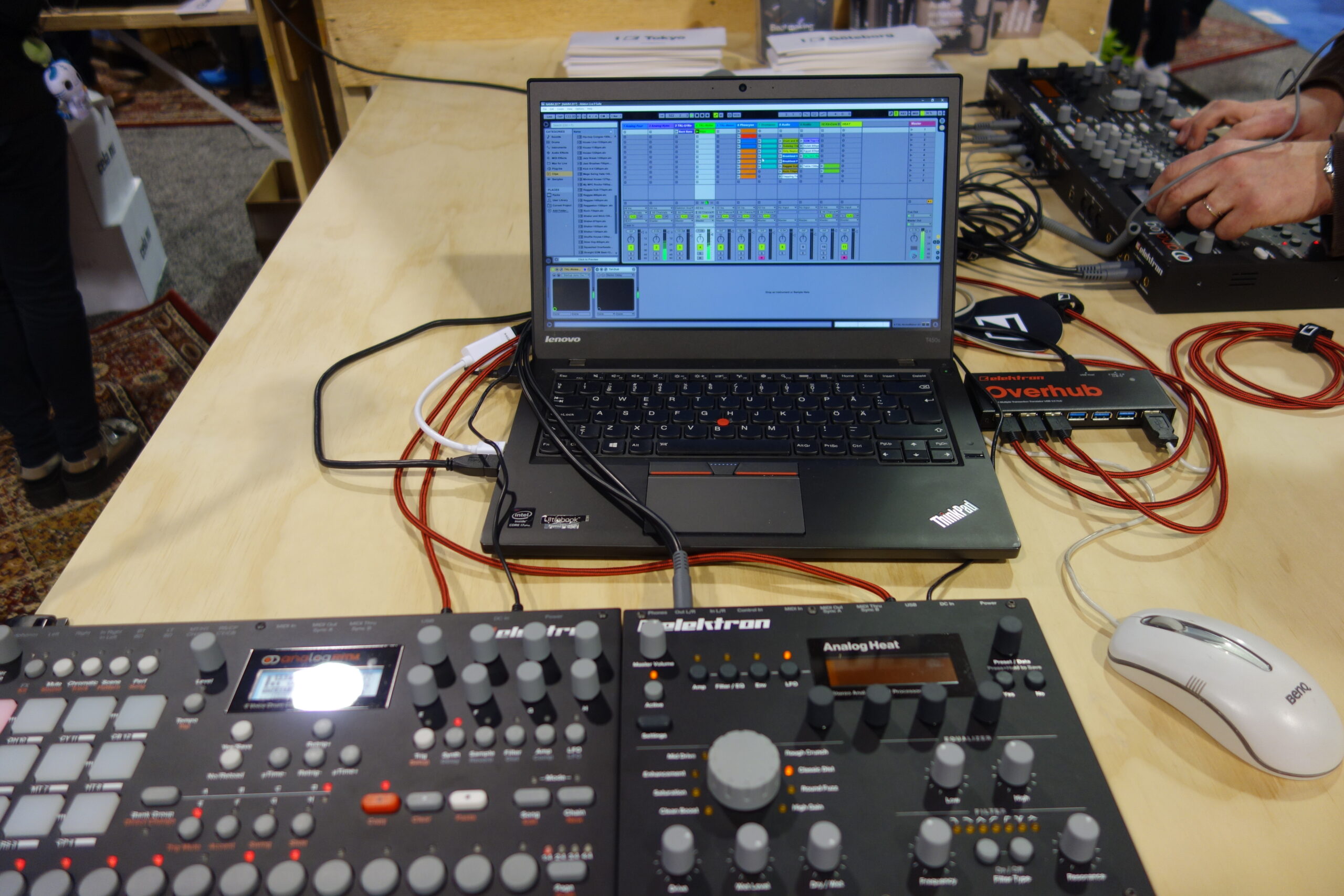
Image: Elektron Analog Rytm (drum machine, synth and sampler) & Analog Heat (stereo analog sound processor) – 2017 NAMM Show (2017-01 by Pete Brown @ Flickr 31629649444).jpg | DSC01628 | License: CC BY 2.0 | Source: Wikimedia | https://commons.wikimedia.org/wiki/File:Elektron_Analog_Rytm_(drum_machine,_synth_and_sampler)_%26_Analog_Heat_(stereo_analog_sound_processor)_-_2017_NAMM_Show_(2017-01_by_Pete_Brown_@_Flickr_31629649444).jpg