The 10 Grunge Albums That Defined the Genre — Ranked by Impact, Tone, and Relentless Energy
Grunge was never just a sound; it was a collision of distortion, tunings, dynamics, and attitude that rewired rock music in real time. Here’s our ranked guide to the 10 albums that defined the movement, why they matter, and what producers can still learn from them.

Why Grunge Still Hits Hard
Grunge is often treated like a nostalgia package: flannel, fuzz, and the early-’90s explosion that dragged alternative rock into the mainstream. But the best grunge albums still feel dangerous because they solved a production problem in a brutally effective way: how to make heavy music sound raw without becoming messy, and emotionally direct without losing force.
This ranking is not just about chart success or historical symbolism. It weighs impact, songwriting, sonics, sequencing, and the album’s ability to define a lane that other records either followed or reacted against. If you produce, engineer, or obsess over tone, these records are also a masterclass in arranging around distortion, preserving vocal intelligibility, and making dynamics do the emotional work.
Some entries here are obvious. Others are more debatable. That’s the point.
10. Mudhoney — Superfuzz Bigmuff (1988)
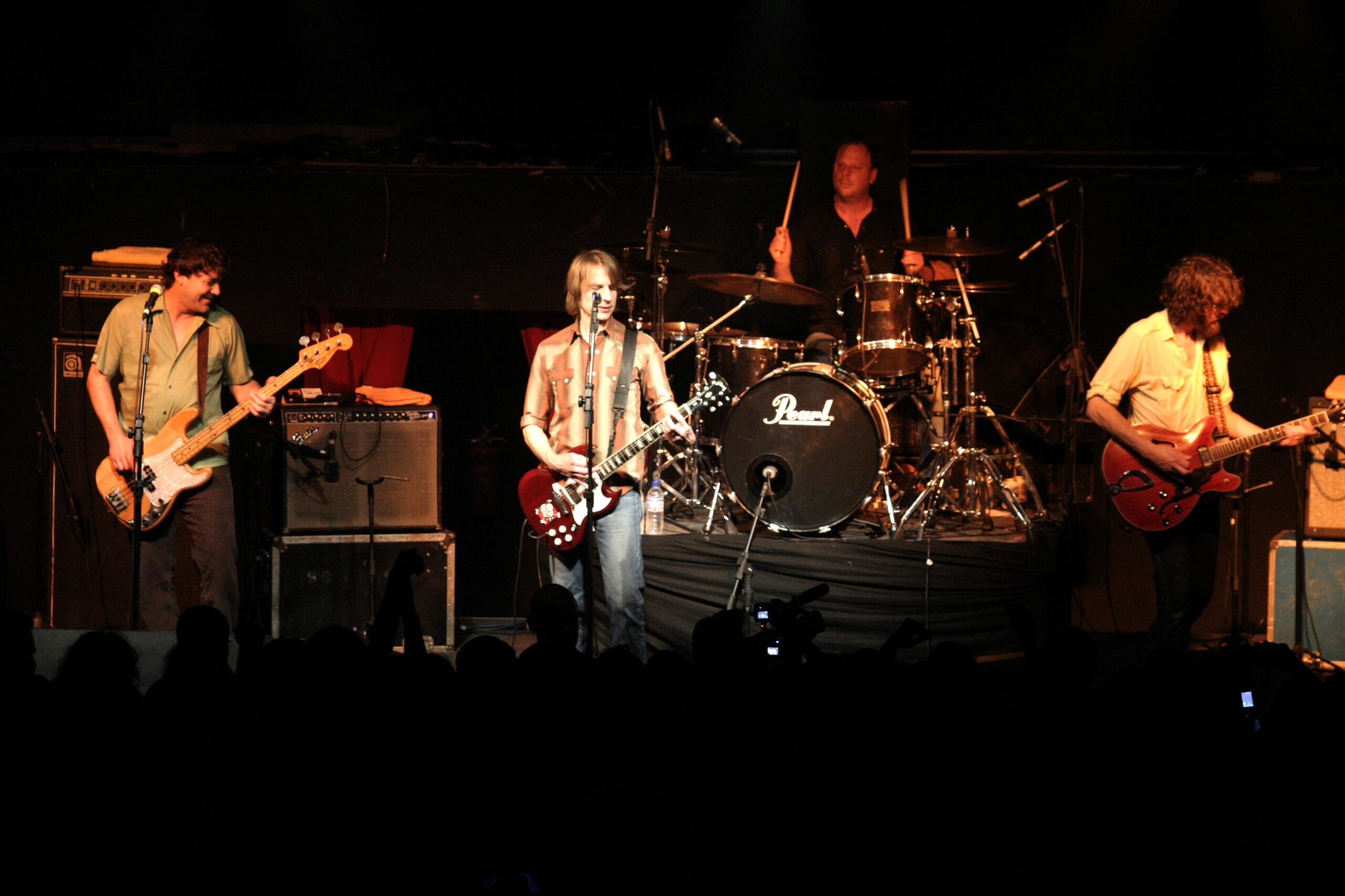
Transferred from en.wikipedia | License: CC BY-SA 2.0 | Source: Wikimedia | https://commons.wikimedia.org/wiki/File:Mudhoney_June_2007.jpg
If grunge has a primordial ooze, it’s this record. Superfuzz Bigmuff is short, feral, and gloriously unpolished, with a guitar tone that sounds like it was dragged through a wet alley and plugged directly into the nervous system. Mark Arm’s sneering vocal delivery and the band’s punk-collapse energy made this an early blueprint for the Seattle underground.
From a production standpoint, the genius is in the simplicity. The record doesn’t “sound good” in a glossy sense; it sounds committed. The fuzz is not decorative. It is the arrangement. If you’re tracking a grunge-inspired band today, this is your reminder that room sound, amp breakup, and performance urgency matter more than endless plugin stacking.
9. Hole — Pretty on the Inside (1991)
This is the noisy, confrontational edge of grunge-adjacent culture, and it earns its place because it pushed the genre’s abrasion into something more chaotic and aggressive. Pretty on the Inside is less polished than many of its peers, but its impact lies in how it weaponizes instability. The guitars grind, the vocals slash, and the whole album feels like it’s threatening to fall apart while staying upright by force of will.
For producers, the takeaway is how texture can become narrative. When the arrangement is intentionally ragged, you don’t clean it up until it loses its identity. Let feedback live. Let the chorus feel overloaded. Let the drums hit like they were recorded in a room that’s just a little too small.
8. Screaming Trees — Sweet Oblivion (1992)
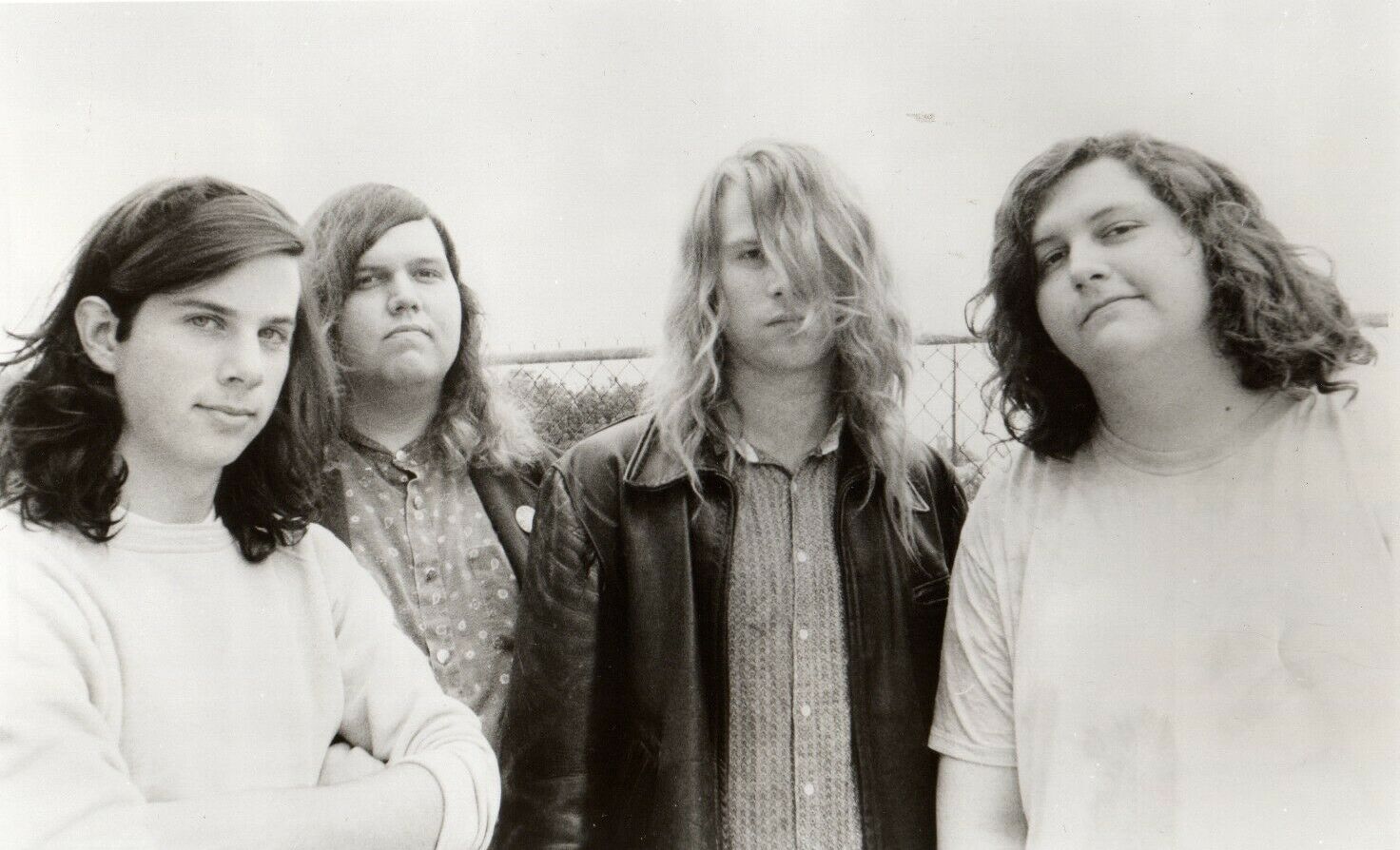
archive | License: Public domain | Source: Wikimedia | https://commons.wikimedia.org/wiki/File:Screaming_Trees_(1980s_SST_promo_photo).jpg
Often overshadowed by bigger names, Sweet Oblivion is one of the most musically elegant records in the grunge canon. The songwriting is strong, the hooks are undeniable, and Mark Lanegan’s voice gives the whole thing a bruised gravity that few singers could match. It’s grunge with a more traditional rock sensibility, but the guitar tones and emotional temperature keep it firmly in the era.
This album is especially useful as a reference for balance. The tracks have enough saturation to feel heavy, but they’re mixed with clarity, so the vocal lines and melodic turns land cleanly. If you ever need to make a dense rock arrangement feel radio-ready without sanding off the bite, this is an essential study.
7. L7 — Bricks Are Heavy (1992)

Bricks Are Heavy is all punch and no apology. L7 brought a more blunt, riotous energy to the scene, and this album hits with a tightly wound, guitar-driven aggression that makes its hooks even more effective. It’s one of the clearest examples of grunge’s crossover potential: the riffs are massive, the choruses are memorable, and the attitude is impossible to fake.
In production terms, this record shows how to keep power chords from turning to mush. The rhythm guitar parts are thick, but the low end is controlled enough to preserve impact. That kind of mix discipline is crucial if you’re aiming for “heavy” rather than merely “loud.”
6. Temple of the Dog — Temple of the Dog (1991)
This self-titled collaboration is the most emotionally literate album on the list. Built as a tribute to Andrew Wood, it captures grief, catharsis, and a kind of spiritual weight that separates it from more conventional hard rock. Chris Cornell’s vocals are towering, and the record’s dynamics move between restraint and release with real sophistication.
The production is cleaner than some of the rougher Seattle records, but that works in its favor. The space around the instruments gives the performances room to breathe, and the emotional peaks feel earned rather than engineered. From a mixing perspective, this is a lesson in contrast: when the quiet sections are genuinely open, the loud sections hit harder.
5. Alice in Chains — Dirt (1992)
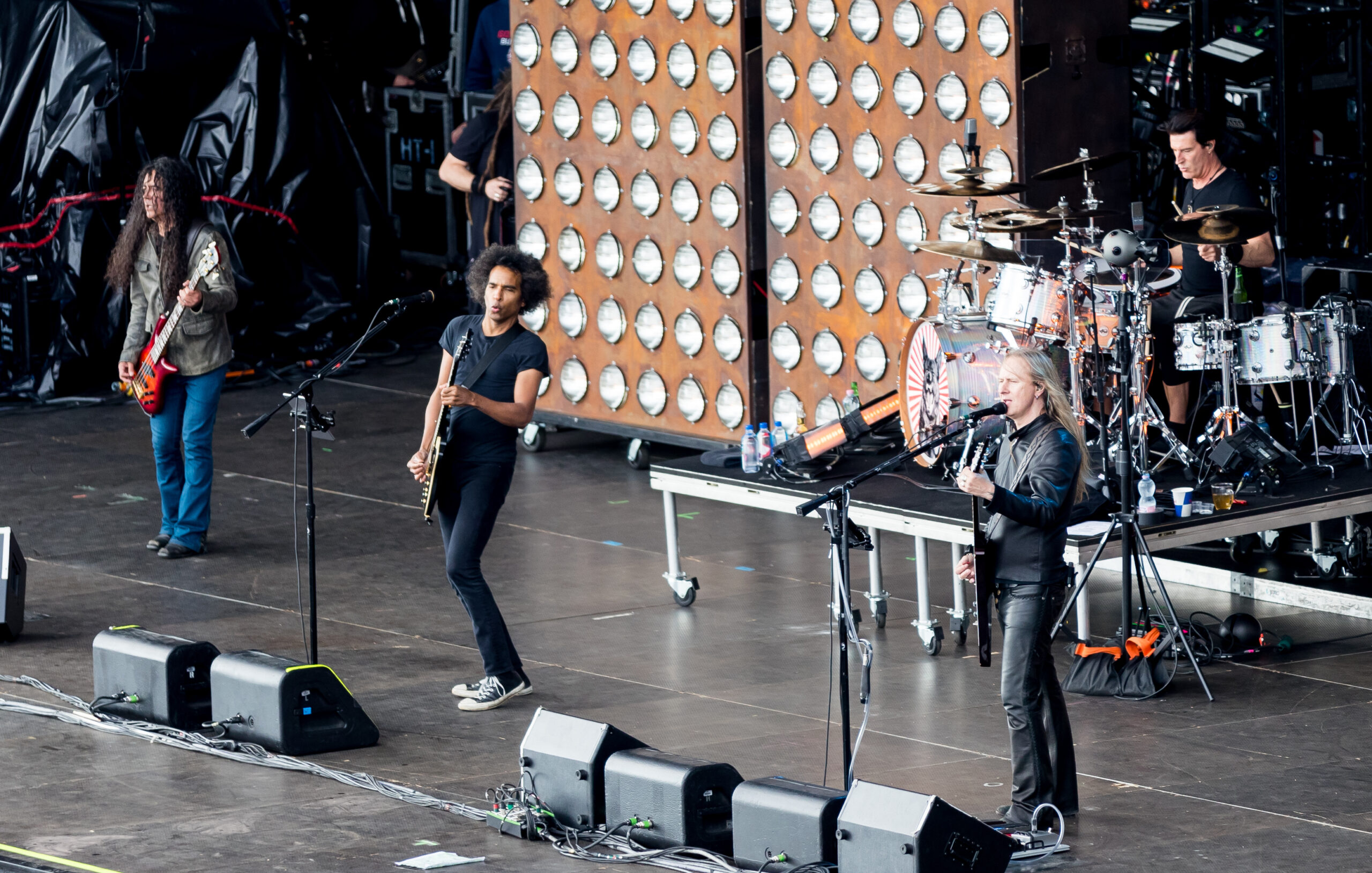
Dirt is the darkest record in the upper tier of grunge, and it still sounds punishing. Jerry Cantrell’s guitar work is surgical and sludge-heavy at the same time, while Layne Staley’s vocals bring a haunted, narcotic despair that the band never disguises. This is a record where the songs are strong enough to survive the weight of the subject matter, which is not true of every “dark” album from the era.
For musicians, Dirt is a masterclass in layered heaviness. The riffs are memorable because they’re built with shape, not just gain. The tones are thick, but the harmonic movement is clear. If you’re building guitar arrangements in a DAW, think less about piling on tracks and more about letting each part occupy a distinct register and emotional function.
4. Soundgarden — Badmotorfinger (1991)
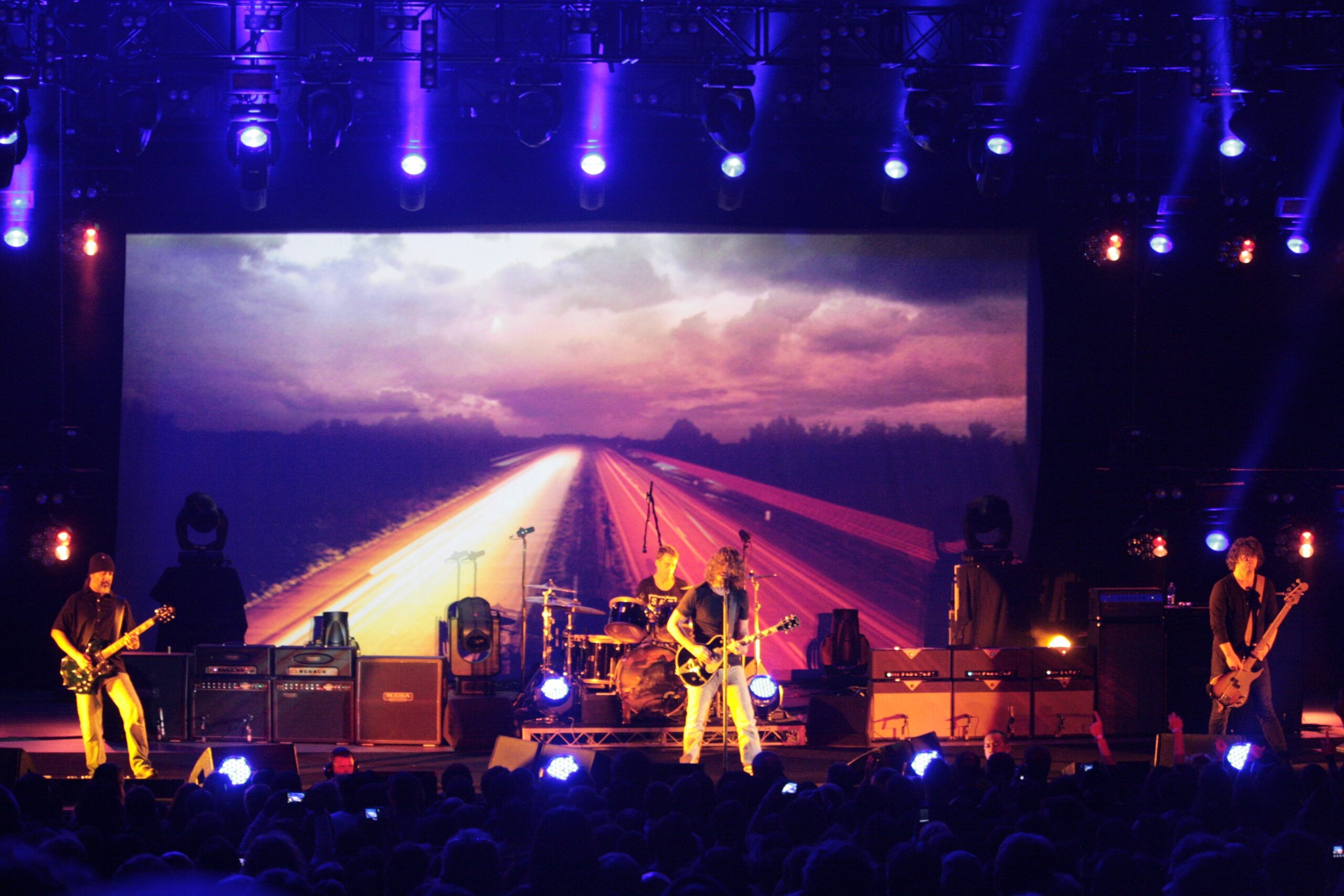
This is where grunge becomes technically imposing. Badmotorfinger is a monster of a record, powered by angular riffs, odd-meter instincts, and Chris Cornell’s impossible vocal range. It has the heaviness people associate with grunge, but it also has the musical sophistication that made Soundgarden stand apart from the pack.
For producers and guitar players, the album is a lesson in controlled complexity. The riffs are not busy for the sake of it; they create tension by refusing to settle into easy shapes. The drum sound is huge without being bloated, and the vocals soar above the density instead of fighting it. If you want a grunge record that doubles as a heavy-rock arranging seminar, start here.
3. Pearl Jam — Ten (1991)
Ten is the grunge album that became classic rock almost immediately, which is both a compliment and a complication. The album’s reach is undeniable: huge choruses, emotionally charged lyrics, and a guitar sound that feels stadium-sized without losing its human core. It helped define the mainstream version of the genre, even as Pearl Jam spent much of the decade resisting that very position.
What makes Ten enduring is the balance of polish and force. The guitars are massive but not blurry, the drums have punch, and Eddie Vedder’s vocals sit with a heroic intensity that made these songs explode on radio and MTV. If you’re studying how to arrange rock songs for maximum lift, this record is a reminder that memorable melodic architecture matters as much as tone.
2. Nirvana — Nevermind (1991)
Nevermind is the album that changed the temperature of popular music. Its power is not just in the riffs or the hooks, but in its economy: every song feels distilled to its most volatile components. The contrast between the verses and choruses became a template for generations of rock, pop-punk, and alt-rock producers.
From a production angle, Butch Vig’s work here remains endlessly studied because it captures aggression without sacrificing immediacy. Kurt Cobain’s guitar tones are abrasive yet articulate; the drums are huge but still punch through; the vocal layers lift choruses into release without polishing away the edge. If you’re trying to build a modern track with punk spirit and arena-scale impact, this is one of the most important records ever made.
1. Nirvana — In Utero (1993)
If Nevermind is grunge’s breakthrough, In Utero is its most complete artistic statement. Steve Albini’s production pushed the band away from commercial gloss and toward a more brutal, exposed sound. The result is a record that feels like it has air in it, but also shrapnel. The guitars are less flattering and more physical; the drums sound like actual drums in a real room; the vocals sit inside the mix with urgency rather than decoration.
What makes In Utero the top choice is its combination of intent and sonics. It does not merely represent grunge; it interrogates it. The album is noisy, melodic, abrasive, fragile, and confrontational all at once. For engineers, it remains a benchmark for naturalistic rock recording. For musicians, it’s a reminder that tension is often more powerful than perfection.
What Modern Producers Can Learn from Grunge
These albums endure because they understand three fundamentals: distortion is most effective when it serves arrangement, dynamics are more expressive than constant loudness, and great vocal performances can cut through dense guitars if the track is built with enough space. The best grunge records are not about achieving a single “correct” tone; they’re about making every sonic choice reinforce the emotional message.
If you’re chasing grunge in a modern session, start with performance and gain staging before reaching for plugins. Record a real amp if possible, capture the room, avoid over-editing drums into sterilized perfection, and let the vocal sound like a person under pressure. Grunge was never pristine. It was effective because it felt alive.
The Bottom Line
Ranking grunge albums is always going to provoke argument, because the genre’s identity is built on contradictions: melody and abrasion, polish and decay, mainstream success and anti-mainstream posture. But these 10 albums stand out because they didn’t just define a scene — they defined how heavy, emotional rock could sound when the production matched the attitude.
Whether you’re here for historical context, guitar tone, or the engineering lessons hiding inside the noise, the best grunge albums still have something useful to teach. They are records about volume, yes, but even more about shape, space, and conviction.
Image: Rock Pop 90s en el teatro Solis – 20240823dicimouyit47827.jpg | https://montevideo.gub.uy/files/20240823dicimouyit47827jpg | License: CC BY-SA 4.0 | Source: Wikimedia | https://commons.wikimedia.org/wiki/File:Rock_Pop_90s_en_el_teatro_Solis_-_20240823dicimouyit47827.jpg