The Punk Album Blueprint: 10 Records That Defined the Sound, the Snarl, and the Studio Ethic
Punk didn’t become influential by accident—it built a production language out of speed, abrasion, and intent. Here’s a deep listen through 10 landmark albums and the recording tricks that made them hit so hard.

The Punk Album as a Production Problem
Punk has always been more than a genre tag. It’s a set of engineering decisions made under pressure: short songs, fast tempos, limited budgets, loud guitars, aggressive vocals, and a refusal to polish away the personality. That’s why the best punk albums still matter to producers and engineers today. They’re case studies in how to make records feel immediate without burying the song under mix tricks.
This list is not just a canon-check. It’s a study guide. These 10 albums changed the template for how punk could sound in the room, on tape, and through a speaker. For musicians and producers, each one reveals a different way to handle saturation, vocal presence, drum attack, and the all-important question of how rough is too rough.
1. The Ramones — Ramones (1976)
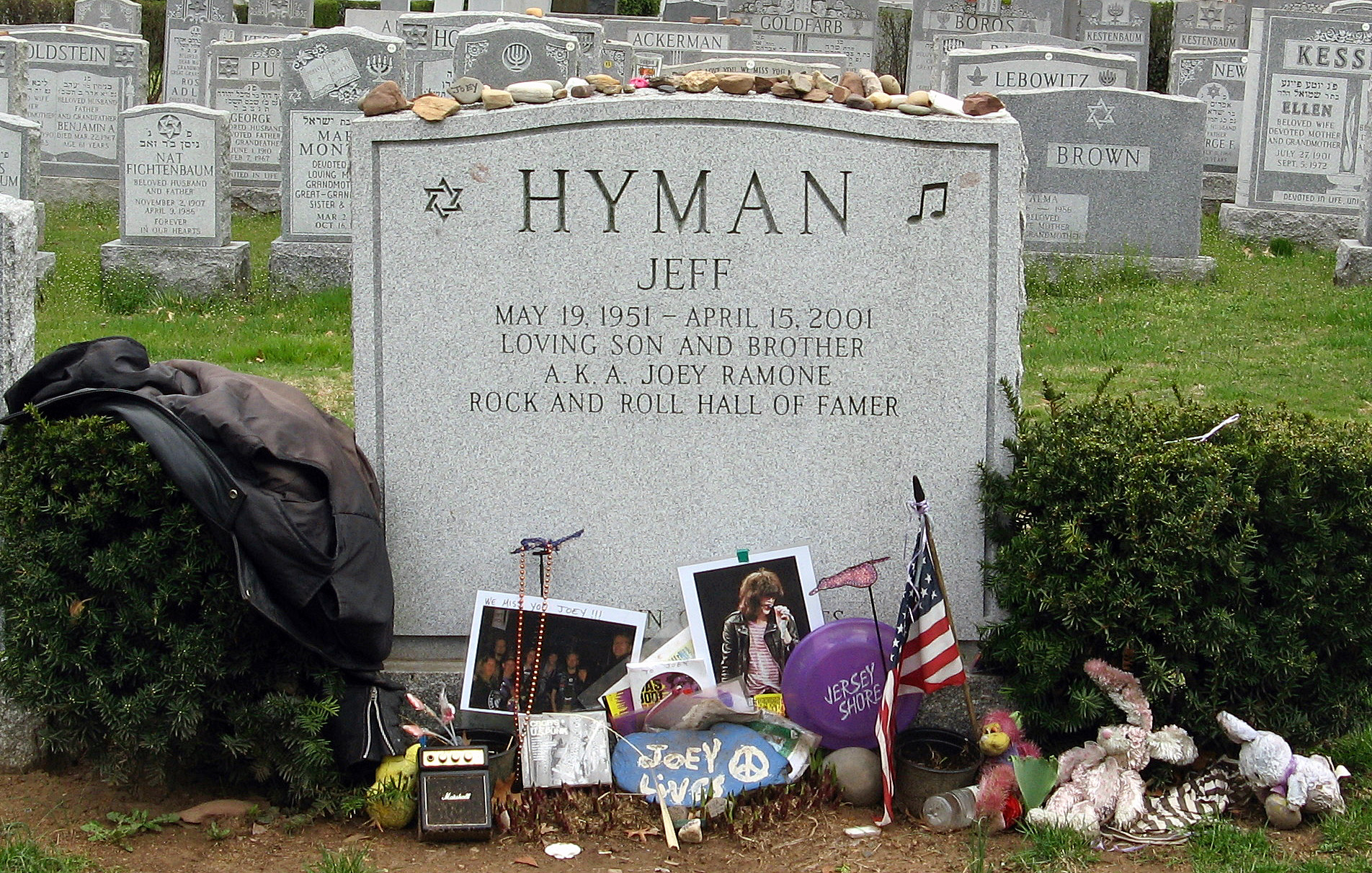
If you want the purest punk recording blueprint, start here. The songs are famously simple, but the record works because the arrangements are disciplined and the tracking is dry, close, and direct. The guitars are pared down to power-chord essentials, the drums are tight, and the vocal phrasing is delivered with almost deadpan precision.
Production takeaway: The Ramones prove that clarity can be punk. If you’re recording a fast three-piece, keep the low end lean, avoid over-layering guitars, and let the transients stay sharp. The energy comes from attack, not density.
2. Sex Pistols — Never Mind the Bollocks, Here’s the Sex Pistols (1977)
This is one of the most controlled “chaos” records ever made. Producer Chris Thomas pushed the band into a bigger, cleaner, more muscular sound than the mythology suggests. The guitars are thick but not mushy, the drums punch through the center, and Johnny Rotten’s voice sits like a knife in the mix.
Production takeaway: Punk doesn’t have to sound lo-fi to feel dangerous. A hard-edged, high-contrast mix can amplify attitude. Use EQ to carve a vocal pocket and keep the snare snappy so the track feels like it’s moving forward even when the arrangement is simple.
3. The Clash — The Clash (1977)

The debut Clash album is a masterclass in urgency. It’s raw, but not sloppy; political, but never text-heavy at the expense of groove. The guitars are aggressive, the bass is active, and the band leaves enough space in the arrangement for each part to read. That balance is one reason the record has aged so well.
Production takeaway: When tracking punk with multiple guitars, define roles early. One guitar can carry the rhythmic grind while the other adds harmonic movement or lead fragments. If everything is distorted at the same level, the mix loses impact.
4. Black Flag — Damaged (1981)
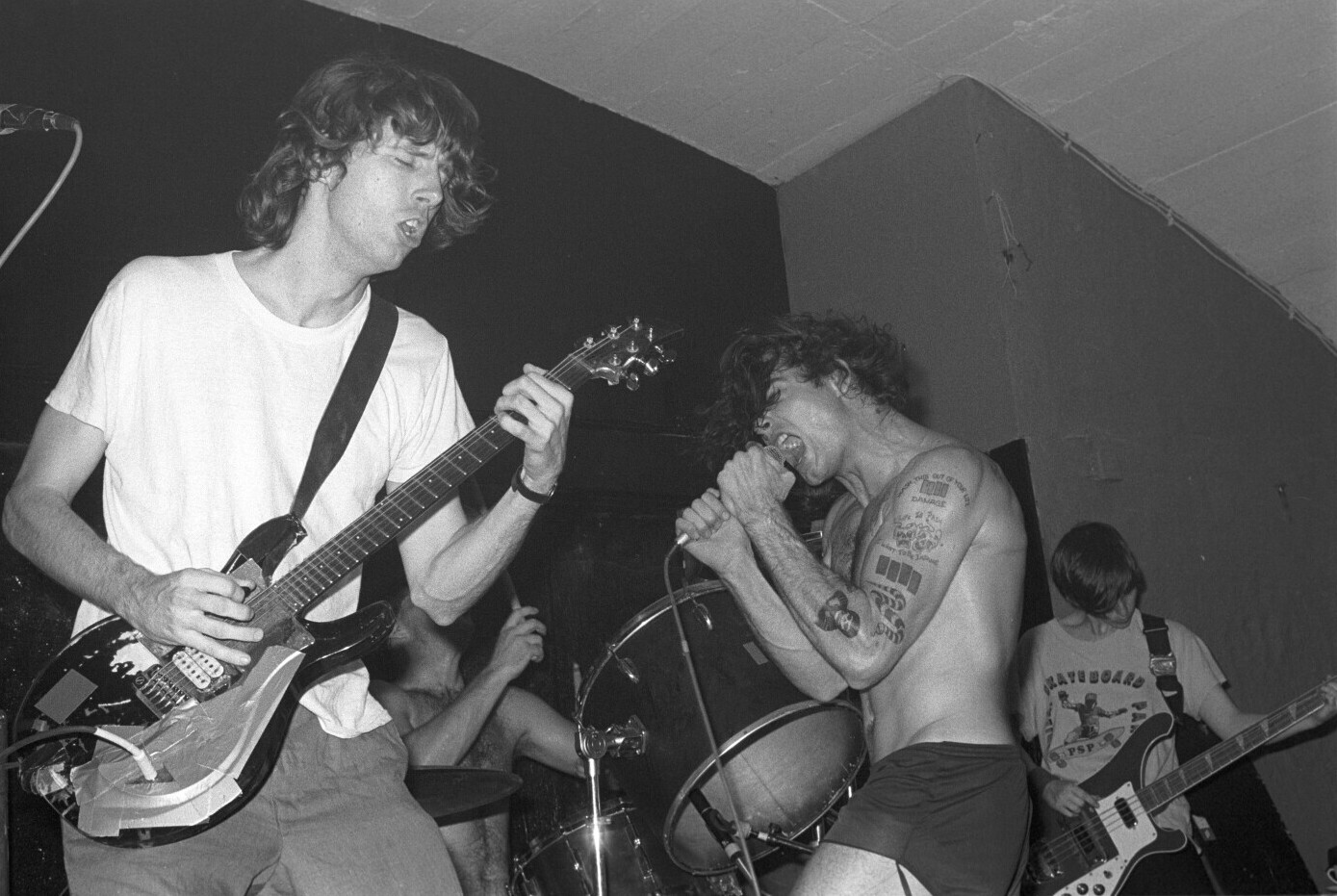
Damaged sounds like a band trying to outrun the tape machine. The performances are feral, the tone is abrasive, and Henry Rollins’ vocal is delivered with near-complete emotional exhaustion. It’s not pristine, but it is brutally coherent. The record captures hardcore punk as a physical event rather than a style exercise.
Production takeaway: For hardcore, the room matters. Small, live, reflective spaces can intensify the sense of collision. Don’t over-edit the performance. Tiny timing imperfections can make fast music feel more human and more threatening.
5. Dead Kennedys — Fresh Fruit for Rotting Vegetables (1980)

Few punk albums balance satire, musicianship, and sonic bite as well as this one. The bass tone is articulate, the guitars are cutting, and the drums have enough definition to keep the songs from collapsing into noise. The band’s precision is part of the joke—and part of the power.
Production takeaway: Punk mixes benefit from bass definition more than many engineers expect. A midrange-forward bass sound helps fast arrangements stay intelligible. Think attack, not just weight.
6. Misfits — Walk Among Us (1982)
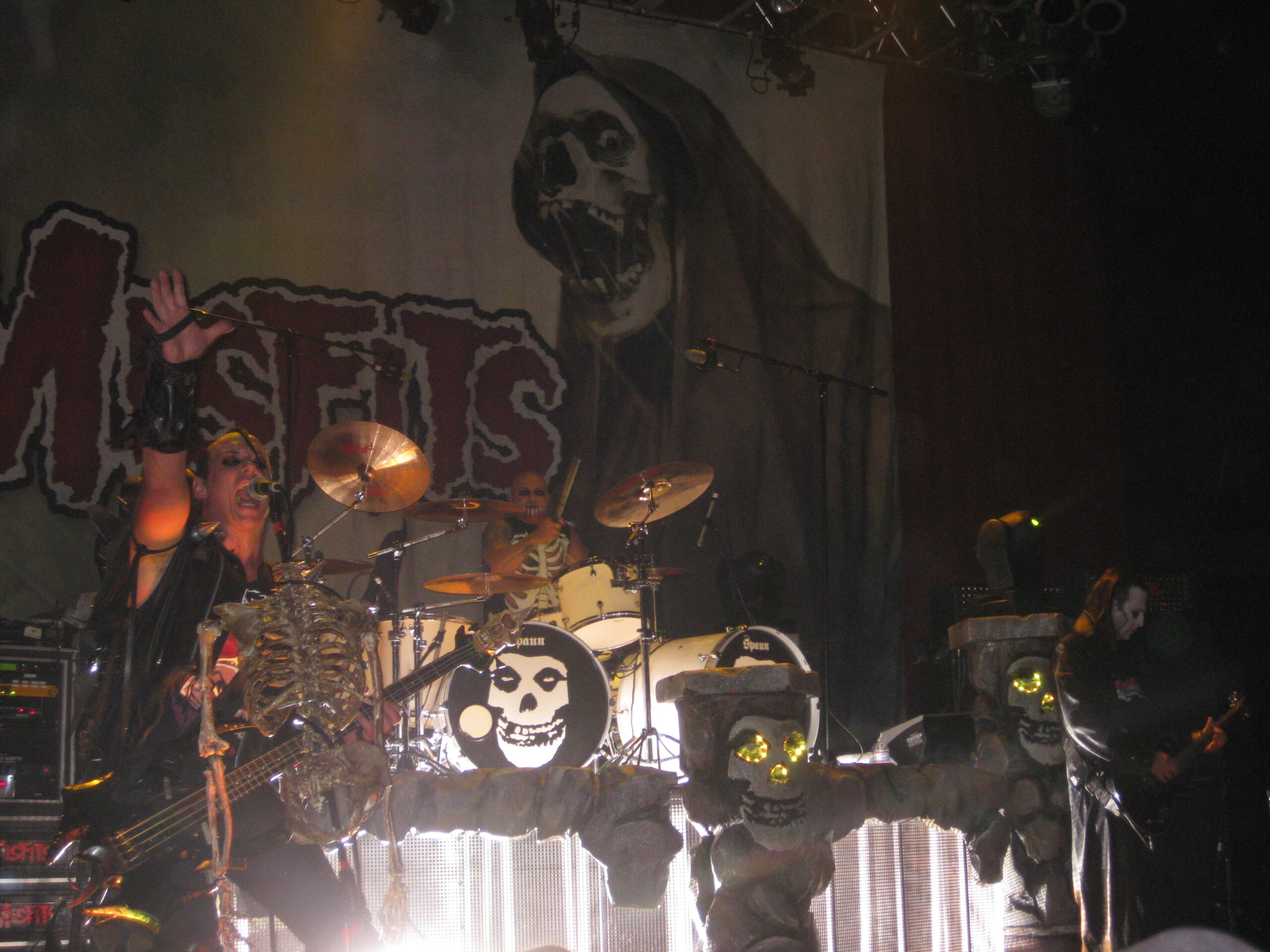
The Misfits built an entire aesthetic around hooky melodies, horror imagery, and a sound that sits between garage punk and hardcore. Walk Among Us has a bright, jagged feel that keeps the vocals and lead lines front and center. The record is proof that punk can be catchy without losing teeth.
Production takeaway: If the vocal is the hook, give it room. A slightly brighter top end, less masking in the upper mids, and tightly arranged backing instruments can make a chorus feel huge without resorting to arena-rock sizing.
7. Bad Brains — Bad Brains (1982)
This debut is astonishing because of its speed, discipline, and tonal control. Bad Brains fused hardcore intensity with technical precision, and the record reflects that balance. The performances are blistering, but each player is locked in, which is why the songs remain so legible at insane tempos.
Production takeaway: High-BPM punk needs editing decisions that preserve momentum. Avoid over-quantizing to the point of sterilization. Instead, focus on consistent transients, stable bass articulation, and drum tuning that cuts through without flamming into mud.
8. Hüsker Dü — Zen Arcade (1984)
Zen Arcade expanded punk’s emotional and structural range. It’s noisy, expansive, and restless, yet still powered by punk urgency. The record’s ambition is part of its identity: dynamic shifts, melodic discipline, and a sense that the songs are always about to burst through the speakers.
Production takeaway: Dynamics are not the enemy of punk. Contrast makes heavy sections heavier. If every section is maxed out, nothing feels bigger. Use arrangement and automation to create lift, then let the loud parts actually land.
9. Minor Threat — Complete Discography (1989 compilation of 1981–1983 recordings)
Minor Threat didn’t need long albums to leave a permanent mark. Their recordings are lean, fast, and brutally economical. This body of work helped define straight edge hardcore and codified a sound built on concise riffs, harsh discipline, and zero excess.
Production takeaway: In punk, edit the arrangement before you touch the mix. If the riff is strong and the structure is disciplined, you can keep production nearly skeletal. Short intros, minimal transitions, and immediate vocal entries make the record feel unavoidable.
10. The Stooges — Raw Power (1973)
Some records are influential because they sound “good.” Raw Power is influential because it sounds alive. The mix is famously extreme, but the spirit is unmistakable: blown-out guitars, feral vocal delivery, and a rhythm section that feels like it’s holding the whole thing together with wire and rage.
Production takeaway: Sometimes the right answer is controlled overload. Distortion, when used intentionally, can create size and attitude that cleaner production can’t match. The key is making sure the song still survives the chaos.
What These Albums Teach Producers Today
Across these records, a few lessons keep repeating. First, punk lives or dies on performance energy. You can’t manufacture conviction with plugins. Second, the mix should support aggression without flattening it. Guitars need midrange identity, drums need transient clarity, and vocals need enough presence to feel confrontational rather than buried. Third, lo-fi and sloppy are not the same thing. The most durable punk records are usually more intentional than they first appear.
Modern producers working in punk-adjacent styles can borrow a lot from these records without copying them. Try tracking rhythm guitars with fewer layers but better performance. Leave some scratchiness in the vocal. Let the snare crack through instead of smearing it under reverbs. Keep the bass audible in the mids. And if a song already feels furious in the room, don’t overproduce it into something polite.
The Bottom Line
The greatest punk albums are not just cultural landmarks—they’re engineering lessons in urgency. Whether you’re chasing the clean punch of the Ramones, the controlled aggression of the Sex Pistols, or the scorched-earth chaos of Raw Power, each of these records shows a different way to make a small setup sound enormous. For anyone making loud music today, that’s the real legacy: punk taught us how to strip production down until the song becomes impossible to ignore.
Image: David List 2020.jpg | https://www.flickr.com/photos/lexware-mountainbike-team/50370801062/in/album-72157716188052086/ | License: CC0 | Source: Wikimedia | https://commons.wikimedia.org/wiki/File:David_List_2020.jpg