10 Basslines That Redefined Rock: The Riffs That Changed the Low End
From menace and melody to pure rhythmic invention, these basslines didn’t just support great rock songs—they became the hook. Here’s what makes each one endure, and what producers can steal from them today.

Why basslines matter more than the backline
In rock music, the bass is often treated like an invisible engine: essential, but not always admired until it stops working. The great basslines in rock history changed that logic. They turned the low end into a melodic force, a rhythmic weapon, and sometimes the single most memorable part of the song. The best of them do three jobs at once: they lock the kick drum, define the harmony, and carve out a hook that you can recognize in two notes.
This list isn’t just about popularity. It’s about basslines that changed the arrangement language of rock, whether through space, aggression, syncopation, or pure melodic intelligence. If you’re a player, producer, or engineer, there’s a lot to steal here: note choice, octave placement, attack, tone shaping, and the decision to let the bass lead instead of merely follow.
1. The Who — “My Generation”

John Entwistle’s work on “My Generation” is a foundational rock statement. The bass doesn’t sit behind the band; it snarls through the arrangement with a sharp, almost percussive attack. What makes it iconic is the sense of defiance embedded in the line itself. It’s not just a pattern—it feels like attitude translated into notes.
Why it works: aggressive articulation, forward midrange, and a lead-in to the idea that bass can be foregrounded without losing its job in the rhythm section. Modern takeaway: if you want your bass to speak clearly on small speakers, emphasize upper harmonics through picking, compression, or mild saturation.
2. Pink Floyd — “Money”

Roger Waters’ bassline is one of rock’s most famous examples of rhythmic identity. Built around the odd-meter 7/4 groove of the intro and main riff, it immediately establishes tension and motion. The line is deceptively simple, but its placement against the meter is what makes it unforgettable.
Why it works: repetition, syncopation, and a riff that is inseparable from the drum pattern. Production takeaway: the bass and drums in “Money” feel carved from the same block. That kind of pocket comes from tight transient alignment and a consistent low-end envelope, not just note accuracy.
3. Led Zeppelin — “Ramble On”

John Paul Jones was a master of melodic bass playing, and “Ramble On” is one of his most elegant lines. It moves with the harmony but also creates its own narrative, weaving between the vocal phrases without overcrowding them. The result is a bass part that feels almost like counterpoint.
Why it works: melodic motion, tasteful note choice, and a relaxed but intentional groove. This is a reminder that great basslines don’t need to be busy to be memorable. Sometimes the magic is in how the line breathes around the vocal.
4. The Beatles — “Come Together”

Paul McCartney’s bass on “Come Together” is a clinic in pocket and phrasing. The line is slippery, syncopated, and massively influential in how rock bass could sound both laid-back and hyper-controlled. Every note feels slightly behind the beat in a way that generates momentum rather than drag.
Why it works: space, personality, and a strong sense of conversational rhythm. Production note: this kind of bassline thrives when the low end is warm but not bloated. A controlled low-mid range lets the rhythmic detail survive in dense mixes.
5. Black Sabbath — “N.I.B.”
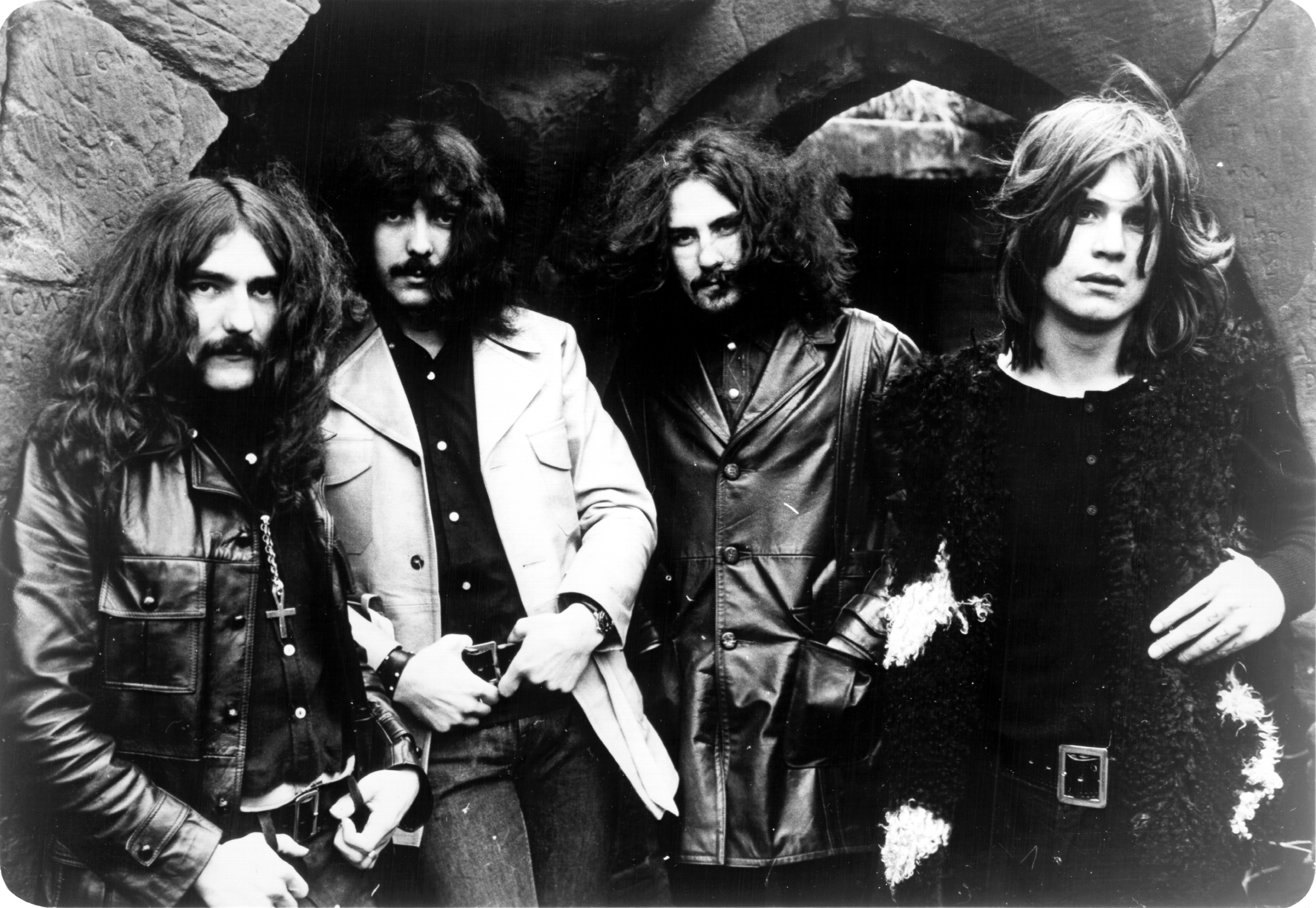
Geezer Butler helped define heavy metal bass language before the genre had fully hardened into a template. “N.I.B.” is heavy, grooving, and surprisingly agile. The bass often functions as a melodic narrator beneath Tony Iommi’s guitar, and it’s one of the clearest early examples of bass carrying dramatic weight in rock.
Why it works: blues-rooted motion, thick tone, and a sense of menace without monotony. The line shows how distortion and low-end weight can coexist with clarity if the part is written with strong interval choices.
6. Fleetwood Mac — “The Chain”

John McVie’s bassline in “The Chain” is immortal for a reason: it is pure propulsion. The song’s legendary closing section rides a bass figure that feels like an engine winding tighter with every repetition. It’s not flashy in a technical sense, but it is devastating in arrangement terms.
Why it works: relentless repetition, rising intensity, and a groove that becomes a structural device. Producer’s note: when a bassline is this central, arrangement automation matters. Fewer competing parts, longer sustain choices, and careful build management make the line hit harder.
7. The Clash — “London Calling”
Paul Simonon’s bassline anchors “London Calling” with a motion that feels both punk and old-school rockabilly. It’s urgent but not cluttered, melodic but not indulgent. The part gives the song its forward lean and helps create that sense of city-wide alarm.
Why it works: strong root movement, rhythmic drive, and a tone that keeps the part bold without becoming muddy. Bassists and engineers can learn from its directness: sometimes the most effective low end is the one with the least distraction.
8. Queen — “Under Pressure”
Few rock basslines are as instantly recognizable as John Deacon’s on “Under Pressure.” Its descending figure is so effective because it creates harmonic tension while staying almost hypnotic. The line is melodic architecture: simple enough to sing, rich enough to carry the entire track.
Why it works: repeated motif, strong contour, and a bass line that defines the song’s emotional identity. This is a reminder that a great bass hook often relies on a memorable shape more than technical complexity.
9. Guns N’ Roses — “Sweet Child o’ Mine”
Duff McKagan’s bass part is a study in supporting a giant guitar riff without vanishing. It mirrors and reinforces the harmonic movement while keeping the song’s momentum grounded. The best rock basslines often succeed by creating inevitability, and this one does exactly that.
Why it works: disciplined note choice, strong pulse, and a part that complements the main riff without competing for the spotlight. Production lesson: in riff-driven rock, the bass has to clarify the bottom of the harmony while preserving the riff’s silhouette.
10. Michael Jackson — “Billie Jean” via rock’s bass canon
Yes, it’s a pop record, but “Billie Jean” belongs in any serious discussion of basslines that reshaped rock-era musicianship. On guitar, cover bands, and countless rock stages, that line became a test of groove, restraint, and sonic discipline. Its power comes from minimalism: one pattern, huge identity.
Why it works: repetition, microtiming, and an unforgettable tonal fingerprint. The line proved that a bass part doesn’t need complexity to dominate a room. In many rock contexts, it’s the model for how a bassline can function as both foundation and hook.
What these basslines teach modern producers
Across these songs, the same lessons keep showing up. First, basslines become iconic when they do more than outline chords. They create motion, tension, or personality. Second, tone matters, but arrangement matters more: a great bass part survives on a bad amp far better than a weak line survives on a perfect chain. Third, the relationship with drums is everything. Whether it’s the tight lock of “Money” or the rolling drama of “The Chain,” the groove is always a collaboration.
If you’re producing modern rock, try thinking of the bass as a hook instrument rather than a utility track. Push it into the arrangement early. Let it answer the vocal. Give it room in the mids if the mix allows. Use saturation to translate on earbuds, and don’t over-edit the life out of the performance. The records on this list endure because they feel played, not programmed—even when the parts are simple.
The low end is where rock gets its authority
The best basslines in rock history are not just memorable—they are structural. They define the feel of a song before the vocal even arrives. Whether you’re chasing menace, swagger, melancholy, or motion, the bass can carry the emotional load if the line is written with intent.
That’s the real lesson from these ten songs: a great bassline is not background. It’s architecture, rhythm, and identity in one part. And in rock, that can be the difference between a good track and a record that lives for decades.
Image: Mina Warren performing live in 2023.jpg | Own work | License: CC BY 4.0 | Source: Wikimedia | https://commons.wikimedia.org/wiki/File:Mina_Warren_performing_live_in_2023.jpg