The Sound Design of Hip-Hop’s 10 Most Important Producers
From dusted drum breaks to surgically programmed 808s, hip-hop’s greatest producers didn’t just make hits — they built sonic identities that reshaped the genre. Here’s a production-first breakdown of the minds behind the boards.

Great hip-hop producers are not just beatmakers. They are architects of texture, rhythm, and attitude — the people who turned drum machines, samplers, and DAWs into entire cultural languages. The best of them developed instantly recognizable signatures: a kick pattern, a sample flip, a hi-hat swing, a mix philosophy. If you listen closely, you can hear the evolution of the genre itself encoded in their workflows.
This list is not about fame alone. It is about impact, innovation, and the production techniques that changed what hip-hop could sound like. From early MPC grit to orchestral soul collage to maximalist digital drum design, these are the producers whose sonic fingerprints still shape records today.
1. Dr. Dre: Precision, Punch, and the Blueprint for Modern Mainstream Hip-Hop
Dr. Dre’s sound is defined by clarity. Where many early rap records leaned raw and sample-heavy, Dre made hip-hop hit like a high-end system: tight low end, disciplined arrangements, and a sense of space that made every snare feel expensive. On The Chronic and Doggystyle, he fused P-funk basslines, live instrumentation, and sample chops into something smoother than boom-bap but harder than R&B.
His signature tools included drum machines, analog synths, and meticulously layered instrumentation. What made the records special was not any single piece of gear, but the discipline of the mix. Kicks were deep but controlled, snares cracked without clutter, and vocal tracks sat dead center in a way that became the template for radio-ready rap.
Production takeaway: Dre proved that hip-hop could sound massive without sounding crowded. If you want that feel, prioritize arrangement discipline, bass management, and selective layering over endless tracks.
2. DJ Premier: The Art of the Chop and the Snare
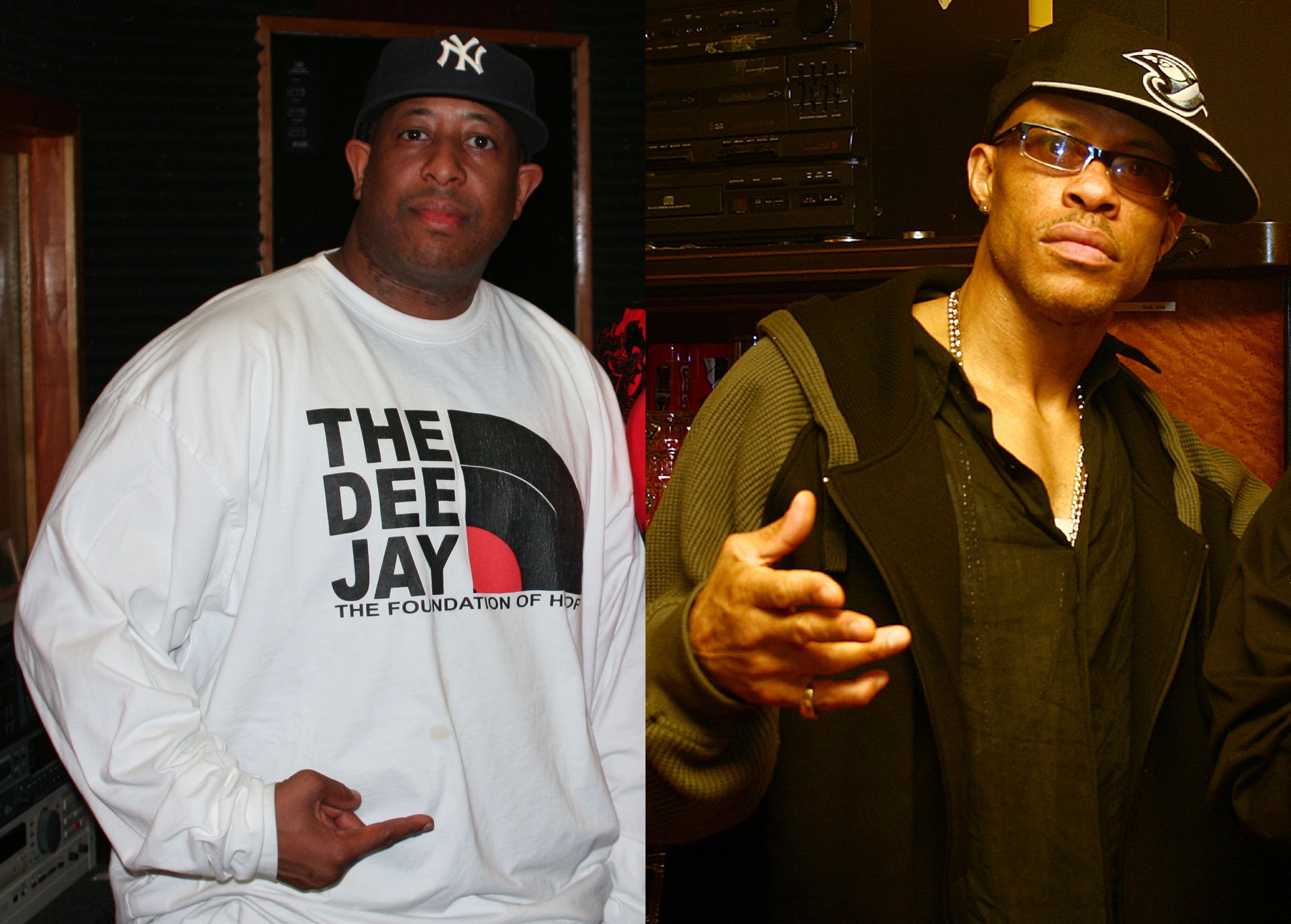
DJ Premier is one of the purest examples of hip-hop production as signature language. His beats are immediately identifiable: dusty sample loops, chopped vocal stabs, hard snare hits, and scratches used like percussion. With Gang Starr, Nas, Big L, and others, Premier built records that felt both rugged and musical, often by making the sample itself carry the emotional weight.
Premier’s approach usually involved short, looping phrases with minimal over-processing. He favored samples that already had attitude — horn hits, piano fragments, soul chords — then arranged them with surgical precision. His drum programming often centers on a snare that cuts through like a punctuation mark, while the kicks stay economical and the hats keep the pocket moving.
Production takeaway: Premier’s sound is a masterclass in restraint. Instead of over-editing a sample, find the one bar that says everything and build around it with drums that hit clean and hard.
3. J Dilla: Human Swing in a Machine World

J Dilla changed how producers think about timing. His beats feel loose, but they are not sloppy; they are intentionally displaced, emotionally bent, and alive in a way quantized drums rarely are. On records for Slum Village, Common, A Tribe Called Quest, and his own Donuts, Dilla treated drum programming like performance.
His MPC workflow became legendary because he pushed beyond rigid grid logic. Kick and snare placements often sit just off the beat, creating a drag or push that makes the groove breathe. He also had a gift for selecting samples that sounded almost like fragments of memory: short soul loops, woozy keys, and melodic textures that felt nostalgic without becoming sentimental.
Production takeaway: Dilla’s gift was not just sample selection — it was feel. If your drums are technically correct but emotionally flat, experiment with micro-timing, velocity variation, and less-perfect swing.
4. Kanye West: Sample Alchemy and Emotional Scale

Before becoming one of the defining artists of his era, Kanye West established himself as a producer who could turn sample-based hip-hop into widescreen emotional cinema. His early work for Jay-Z, particularly The Blueprint, helped revive soul sampling in a new, more dramatic form: pitched-up fragments, dense layering, and bold use of orchestration-like sample stacks.
Kanye’s production often works because of contrast. He pairs warm soul chops with sharp drums, creates tension between chipped-up samples and polished arrangements, and knows when to leave space for the vocal to dominate. Later work expanded into synthesizers, distortion, and minimalist frameworks, but the core idea remained the same: build records that feel bigger than the beat itself.
Production takeaway: Kanye’s early production reminds us that samples can be recontextualized rather than merely looped. Pitch shifts, filtering, and layered harmony can turn familiar material into something cinematic.
5. Marley Marl: The Sample Pioneer Who Helped Define Golden Age Hip-Hop
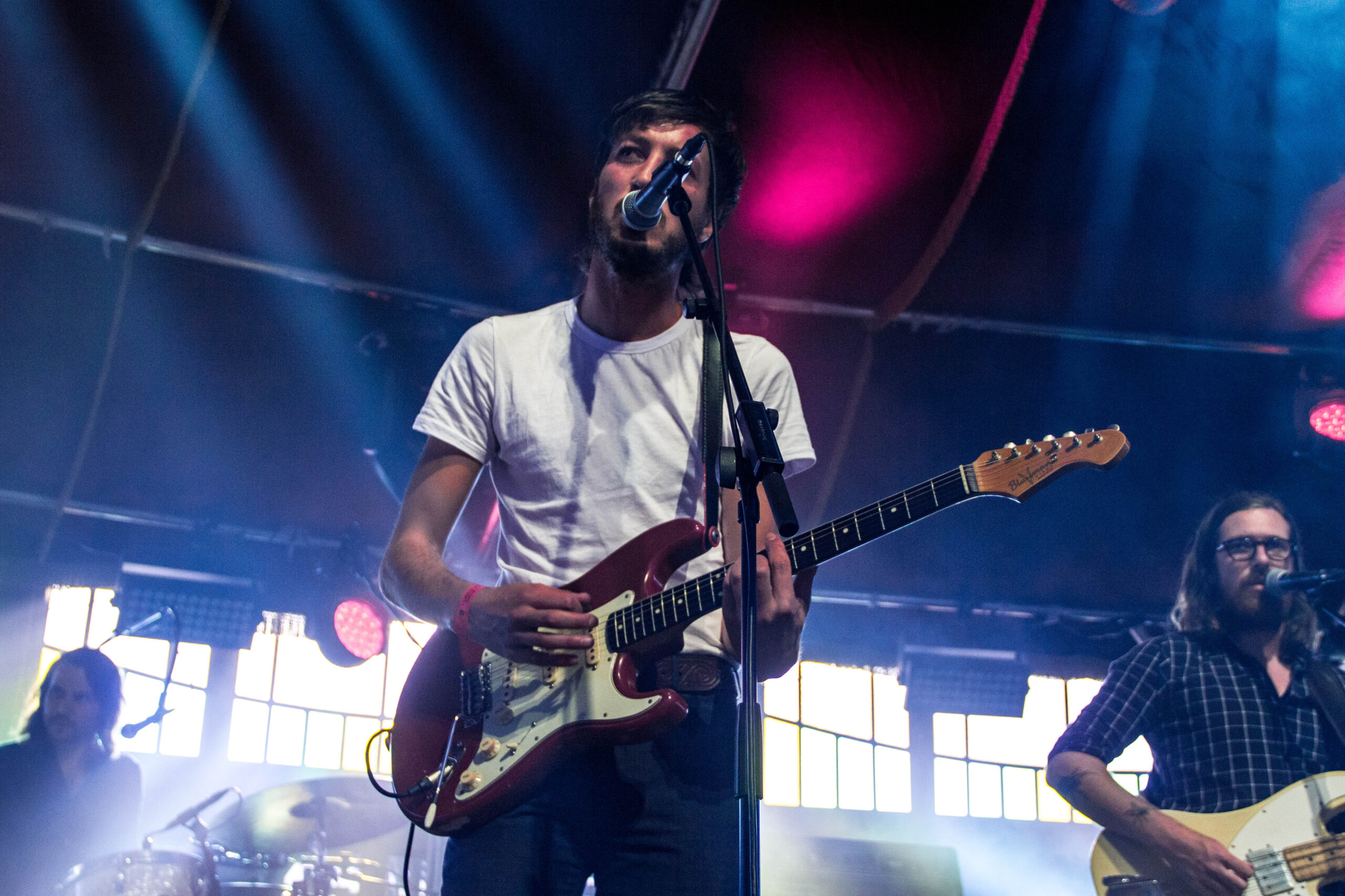
Marley Marl is one of the foundational figures in hip-hop production because he helped transform sampling from a novelty into a craft. Working in the mid-1980s with the Juice Crew, he was among the first producers to isolate individual drum hits and build custom breaks from sampled source material rather than simply looping whole sections.
That approach changed everything. Instead of treating records as fixed objects, Marley treated them like raw material. His productions established a harder, more modular idea of beat construction — one that became standard practice for countless producers after him. The drums are typically lean, direct, and focused on groove rather than polish.
Production takeaway: Marley Marl’s legacy is workflow innovation. If you sample, think like a builder: separate the break into its parts and reconstruct the rhythm with intent.
6. Rick Rubin: Strip It Back Until It Hits
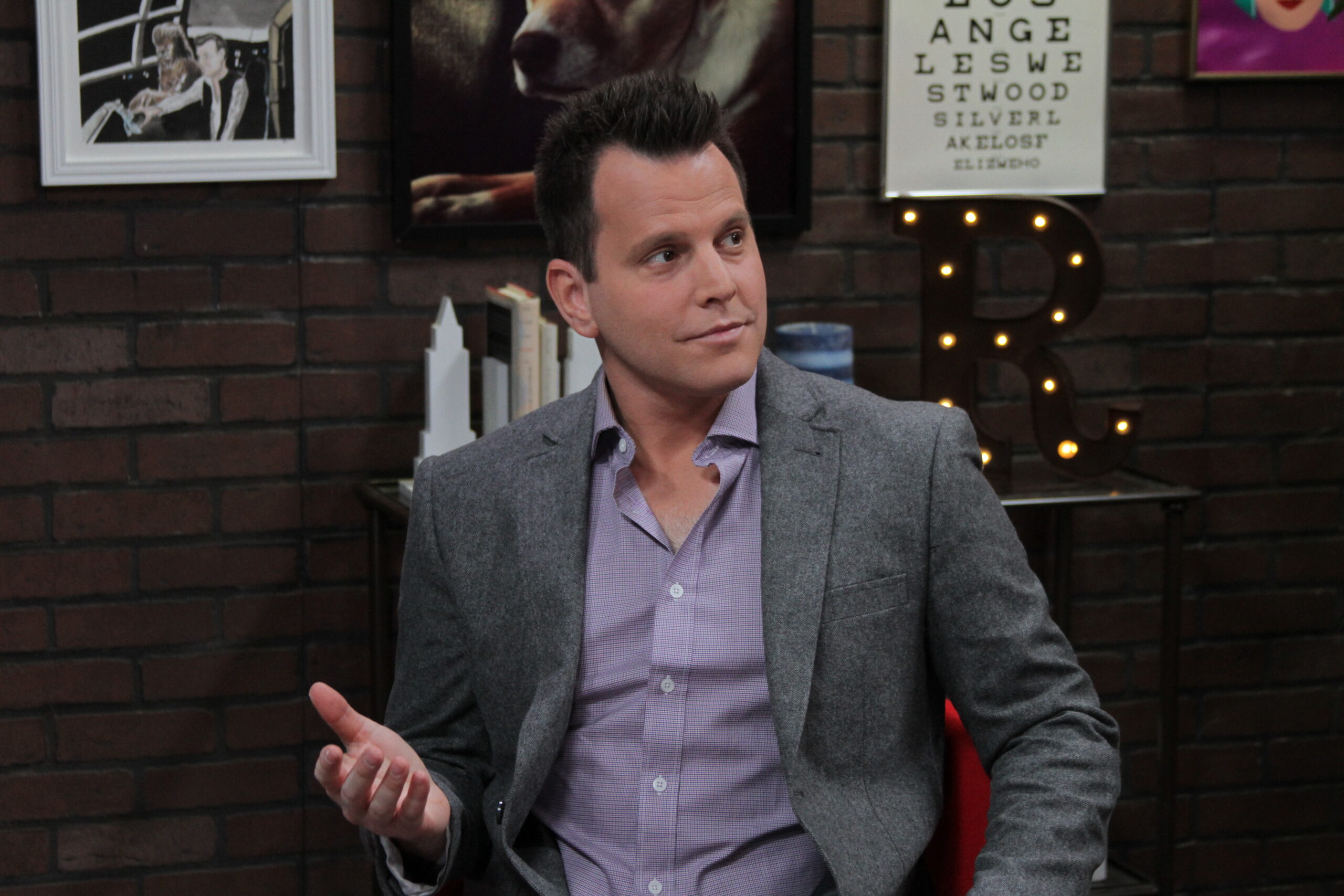
Rick Rubin’s productions are often associated with minimalism, but that undersells his impact. For groups like Run-D.M.C. and later artists across rock and rap, Rubin helped crystallize a stripped-down aesthetic that emphasized drums, attitude, and raw sonic force. His productions often feel like they are removing everything nonessential and leaving only the bone structure of the track.
In hip-hop, that meant aggressive drum programming, sparse arrangements, and a focus on impact over ornament. Rather than filling every gap, Rubin let silence and repetition create tension. The result was music that felt confrontational and iconic, with plenty of room for the MC to dominate the frame.
Production takeaway: If a beat feels weak, don’t always add more. Sometimes the strongest move is subtraction: fewer elements, stronger performance, clearer mix decisions.
7. Pete Rock: Soul, Warmth, and the Perfect Loop
Pete Rock occupies a sacred place in hip-hop production because he refined the art of soulful looping into something deep, elegant, and emotionally rich. His work with CL Smooth and others is packed with warm samples, jazz-inflected harmonies, and drums that feel soft around the edges but still substantial in the pocket.
What makes Pete Rock special is his ear for balance. His loops are rarely cluttered, but they feel lush because of the way he layers textures and shapes the low end. The drums complement the sample instead of fighting it, and the overall result is a sound that feels both head-nodding and soulful enough to replay indefinitely.
Production takeaway: Pete Rock demonstrates the power of tasteful layering. A great loop does not need to be complex; it needs to feel emotionally complete.
8. Timbaland: The Future Arrives Early
Timbaland reimagined hip-hop rhythm. His production style often sounds like it came from another planet because his drums rarely behave like conventional boom-bap patterns. Instead, he built tracks around syncopation, negative space, vocal percussion, oddball textures, and beats that seem to teeter in unexpected directions without ever losing control.
Whether working with Aaliyah, Missy Elliott, Jay-Z, or Justin Timberlake, Timbaland treated rhythm as a design space. He used nontraditional sounds — clicks, vocal chops, environmental textures, metallic hits — and arranged them with a kind of geometric precision. His records feel futuristic because they are so rhythmically engineered.
Production takeaway: Timbaland teaches producers to think beyond drum kits. Great groove can come from texture, asymmetry, and the space between hits, not just from kick-snare logic.
9. Pharrell Williams: Minimalism With Character
Pharrell’s production, especially through The Neptunes, brought a minimalist elegance to hip-hop and pop crossover. His beats often rely on lean drum programming, rubbery bass, sharp synth lines, and unusual melodic hooks that refuse to sound generic. The Neptunes style became instantly recognizable because it was spacious but never empty.
What made Pharrell essential was his ability to make stripped-back arrangements feel infectious. He understood how a single synth motif, a drum accent, or a melodic tag could carry an entire track if the rhythm was locked in. The result was a sound that influenced everything from club rap to pop radio.
Production takeaway: Pharrell’s production proves that minimalism works when every sound has personality. Choose fewer elements, but make each one unmistakable.
10. RZA: Dust, Drama, and Cinematic Imperfection
RZA created one of the most distinctive sonic worlds in hip-hop history with the Wu-Tang Clan. His productions are gritty, dramatic, and intentionally rough around the edges, combining martial-arts atmosphere, soul samples, eerie textures, and drums that feel unstable in the best possible way. The sound is not polished; it is theatrical.
RZA’s genius was in mood-building. He could make a beat feel like a scene from a movie: dusty, dangerous, and mythic. His mixes often embraced rawness, and that rawness became part of the identity. Instead of sanding down the edges, he amplified them.
Production takeaway: RZA reminds producers that sonic character matters as much as fidelity. A beat can be imperfect and still unforgettable if the atmosphere is strong enough.
The Last Word: Hip-Hop’s Producers Are Its Sound Designers
The best hip-hop producers did more than supply backdrops for rappers. They designed environments. They shaped swing, tone, bass weight, sample texture, and emotional temperature in ways that changed how listeners understood the genre. From Marley Marl’s modular sample logic to Dilla’s untamed groove, from Dre’s precision-engineered polish to RZA’s cinematic grime, each of these producers expanded the definition of what a hip-hop record could be.
If you produce today, their lesson is not to imitate surface details. It is to understand the underlying decisions: how a snare is supposed to feel, why space matters, how sample selection determines mood, and why timing can be more expressive than technical perfection. That is the real legacy of hip-hop’s greatest producers — not just a catalog of classics, but a toolkit for building new ones.
Image: Kanye West's 808s & Heartbreak @ The Hollywood Bowl – Night 1 (09-25-15) (21114142694).jpg | Kanye West's 808s & Heartbreak @ The Hollywood Bowl – Night 1 (09/25/15) | License: CC BY-SA 2.0 | Source: Wikimedia | https://commons.wikimedia.org/wiki/File:Kanye_West%27s_808s_%26_Heartbreak_@_The_Hollywood_Bowl_-_Night_1_(09-25-15)_(21114142694).jpg