Inside The Weeknd’s Dark Pop Lab: Synths, Effects, and the Workflow Behind the Glow
The Weeknd’s sound is less about one magic preset than a disciplined chain of synth choices, vocal processing, and atmosphere-building effects. Here’s how producers can recreate the mood with practical gear, plugin moves, and arrangement decisions.
The Weeknd’s Sound Is a Workflow, Not a Preset
The Weeknd’s signature aesthetic sits at the intersection of dark pop, synthwave, R&B, and cinematic pop production. What makes it so recognizable is not a single synth or a single plugin chain, but the way the production is arranged: glossy top-end, aggressive low mids, spacious ambience, dramatic vocal treatment, and synth parts that often feel more emotional than technical. Producers chasing this sound need to think like record makers, not just sound designers.
At its core, the Weeknd-style approach is built on contrast. The drums can be punchy and modern, but the harmonic bed is often hazy, nostalgic, and slightly uneasy. The vocal sits forward, yet it’s wrapped in delay, reverb, distortion, and layering that makes it feel larger than life. That balance is what gives tracks like Blinding Lights, Save Your Tears, and In Your Eyes their mix of pop precision and retro melancholy.
Synth Choices: Why Analog-Style Textures Win
If you want to understand the synth side of The Weeknd’s sound, start with the kinds of instruments that create movement without sounding sterile. Analog and analog-modeled synths are favored because they naturally thicken chords and leads in a way that feels alive. Producers often reach for instruments like the Juno-106, Prophet-5, Yamaha CS-80-inspired libraries, or modern plugins that emulate them because these synths have a built-in softness and instability that works beautifully in pop arrangements.
For practical plugin choices, look at instruments such as Arturia JUP-8 V, TAL-U-NO-LX, u-he Diva, Korg Polysix-style emulations, or Roland Cloud instruments if you want a more faithful vintage character. The point isn’t nostalgia for its own sake. These synths handle detune, chorus, and filter movement in a way that helps parts feel wide and emotional without relying on heavy layering. For producers, that means fewer tracks fighting each other and more room for the vocal to stay dominant.
Lead sounds in this style are usually simple: saw-based, slightly detuned, and processed with modulation. The magic is in the envelope shaping. Shorter attacks can make a synth stab feel like a punch of energy, while longer releases can turn the same patch into a wash behind the vocal. This is why a single patch can serve multiple functions in the arrangement if you automate filter cutoff, stereo width, and effects sends.
The Effects Chain: Chorus, Delay, Reverb, Saturation
The Weeknd’s production identity leans heavily on effects, but not the kind that just smear everything together. The best versions of this sound use effects with intent. Chorus is a major ingredient because it widens and softens synths, giving them that late-’80s sheen associated with synthwave and retro-pop. On a Juno-style pad or a simple saw lead, chorus can make a patch instantly feel more expensive and cinematic.
Delay is equally important. Rather than burying the vocal or lead in a huge wash, many productions use tempo-synced delays with controlled feedback. Slap delays can create an intimate, slightly eerie bounce on vocals, while dotted-eighth or quarter-note delays add rhythmic momentum without needing additional instrumentation. Plugins like Soundtoys EchoBoy, Valhalla Delay, Native Instruments Replika, or even stock delay units can work if you shape the tone with filtering and automation.
Reverb in this style is often large but filtered. The trick is avoiding a muddy low end. A plate or hall reverb with high-pass filtering lets the space feel luxurious while keeping the mix clean. Producers often automate reverb throws on key vocal words or synth transitions so the arrangement breathes. For a darker tone, try pre-delay settings that let the dry signal cut through before the tail opens up.
Saturation and mild distortion are the glue. They help synths read on smaller speakers and give vocals more harmonic density. Tape-style saturation, console emulation, or subtle overdrive on buses can make the entire production feel warmer and less digital. In this sound world, perfection is not the goal. Character is.
Vocal Processing: The Real Centerpiece
Even when the synths are doing the heavy lifting, The Weeknd’s voice is always treated like a headline instrument. His vocal production often uses layering, doubling, pitch correction, delay throws, and carefully controlled reverb to create that pristine-but-haunted feel. This is where the signature sound becomes unmistakable.
Modern pitch correction is usually part of the chain, but the key is restraint and style. Fast retune settings can create a sharper, more synthetic edge, while softer correction preserves the emotional contour of the performance. Producers may stack a dry lead, a lightly distorted parallel track, and a stereo-doubled support vocal to create width without sacrificing clarity. A subtle octave layer can also add tension in hooks, especially when tucked under the lead.
For effects, the vocal chain often includes compression in stages rather than one aggressive compressor doing everything. A fast compressor can catch peaks, followed by a smoother one for leveling. De-essing is essential because bright, glossy vocals can become harsh quickly. After that, delay and reverb are typically routed on sends so the vocal remains controllable in the mix. This workflow lets the engineer automate emotion: dry and intimate in verses, bigger and more atmospheric in choruses.
Drums and Bass: Tight, Modern, and Retro at the Same Time
The Weeknd’s rhythm section usually avoids clutter. Drums are often tightly edited, with crisp kicks, snappy snares, and hi-hats that support the groove rather than dominate it. In synthwave-influenced tracks, producers often use gated snares, retro toms, or gated reverb as a reference point, but the final mix is generally more polished and radio-ready than pure vintage pastiche.
Bass tends to be simple but strategic. A sub layer may carry the fundamental low end while a mid-bass synth or bass guitar-style patch adds texture and harmonic movement. Sidechain compression is often subtle rather than obvious, just enough to carve space around the kick. When producers want that cinematic pulse, they might combine a sustained synth bass with rhythmic note changes that mirror the drum pattern instead of fighting it.
The arrangement lesson here is crucial: the groove should support the emotional center of the song, not compete with it. That means fewer overlapping parts, more intentional pauses, and strong transitions into the hook. The negative space is part of the identity.
How Producers Recreate the Sound in a Real Session
If you are building a Weeknd-inspired track from scratch, start with the song’s emotional core. Choose a minor key or modal progression that feels tense but melodic. Build a pad or chord layer with a Juno-style plugin, then add a simple lead or arpeggio with chorus and delay. Keep the sound palette narrow at first. A few well-chosen tones will beat a stack of generic presets every time.
Next, focus on the vocal workflow. Even if you are using a rough demo vocal, shape it with compression, de-essing, a touch of saturation, and send effects that can be automated later. The goal is to make the lead feel like it belongs inside a finished record, not a sketch. Then shape the drums around that vocal. If the chorus needs more lift, don’t just add layers blindly; try widening the synth bus, opening the filter, or increasing delay feedback on the final word of the phrase.
For mix decisions, watch the low mids carefully. This style can get cloudy fast, especially when using vintage-style synths and generous reverb. High-pass where needed, control resonances with dynamic EQ, and keep the vocal sitting just ahead of the instrumental rather than buried inside it. The best Weeknd-inspired productions feel huge because they are controlled.
What Producers Should Steal, and What They Should Leave Behind
The most useful part of The Weeknd’s production language is not the retro gloss itself, but the discipline behind it. Every synth has a role. Every delay throw serves a vocal phrase. Every wash of reverb is balanced against clarity. That’s why the records sound expensive. They are designed with intent at every stage.
If you want the sound in your own productions, prioritize three things: analog-style synth tone, vocal effects with automation, and arrangement space. Use plugins and gear that help you shape those elements quickly, then commit to a workflow where fewer parts do more. That is the practical lesson behind The Weeknd’s signature glow: a modern pop record can feel cinematic, nostalgic, and intimate at the same time when the synths, effects, and mix decisions are all pulling in the same direction.
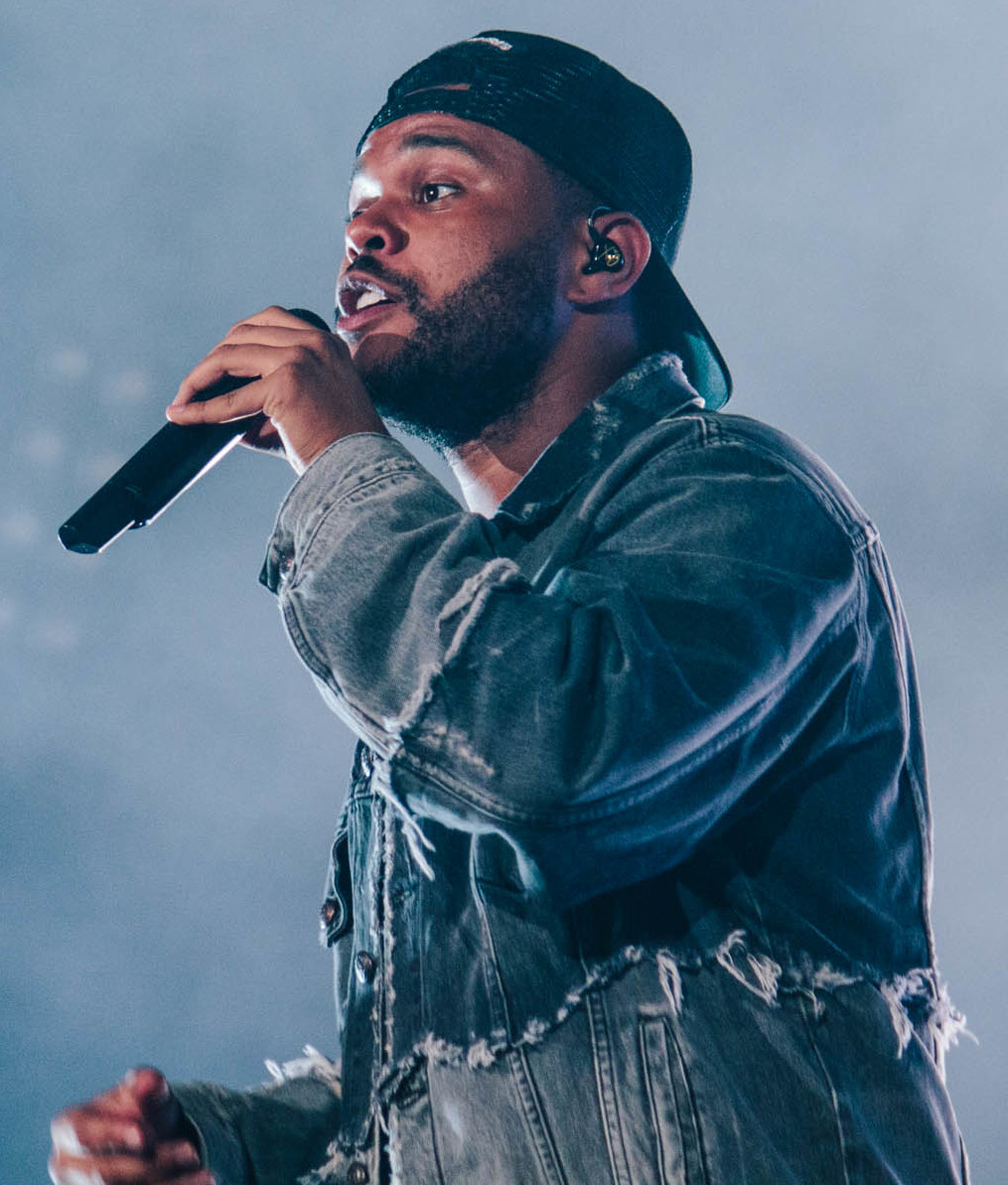
Image: FEQ July 2018 The Weeknd (44778856382) (cropped).jpg | The Weeknd | License: CC BY 2.0 | Source: Wikimedia | https://commons.wikimedia.org/wiki/File:FEQ_July_2018_The_Weeknd_(44778856382)_(cropped).jpg