The Grunge Album Blueprint: 10 Records That Defined the Sound, Ranked
Grunge wasn’t just a scene; it was a production language built from detuned guitars, room mics, blown-out dynamics, and songs that still hit hard in isolation. Here’s a ranked guide to the 10 essential albums that shaped the style—and what producers can still steal from them today.
Grunge Was a Sound System, Not Just a Scene
If you reduce grunge to flannel and distortion, you miss the part that made it endure: it was an entire production philosophy. The records that defined the genre balanced sludge and clarity, violence and vulnerability, blown-out guitars and hooks you could still hum through a broken PA. The best grunge albums didn’t just document a movement in Seattle—they created a sonic template that producers, mixers, and guitar players still reference every time they reach for a fuzz pedal, a room mic, or a vocal take that feels one inch from collapse.
This ranking is not about fame alone. It’s about impact, sequencing, sonic identity, and the way each album helped define the grunge vocabulary: thick midrange guitars, dry, human drums, bass that actually matters, and vocals that sound emotionally exposed rather than polished into safety. Some of these records are cleaner than others. Some are messier. All of them taught rock production a lesson.
10. Stone Temple Pilots — Core (1992)
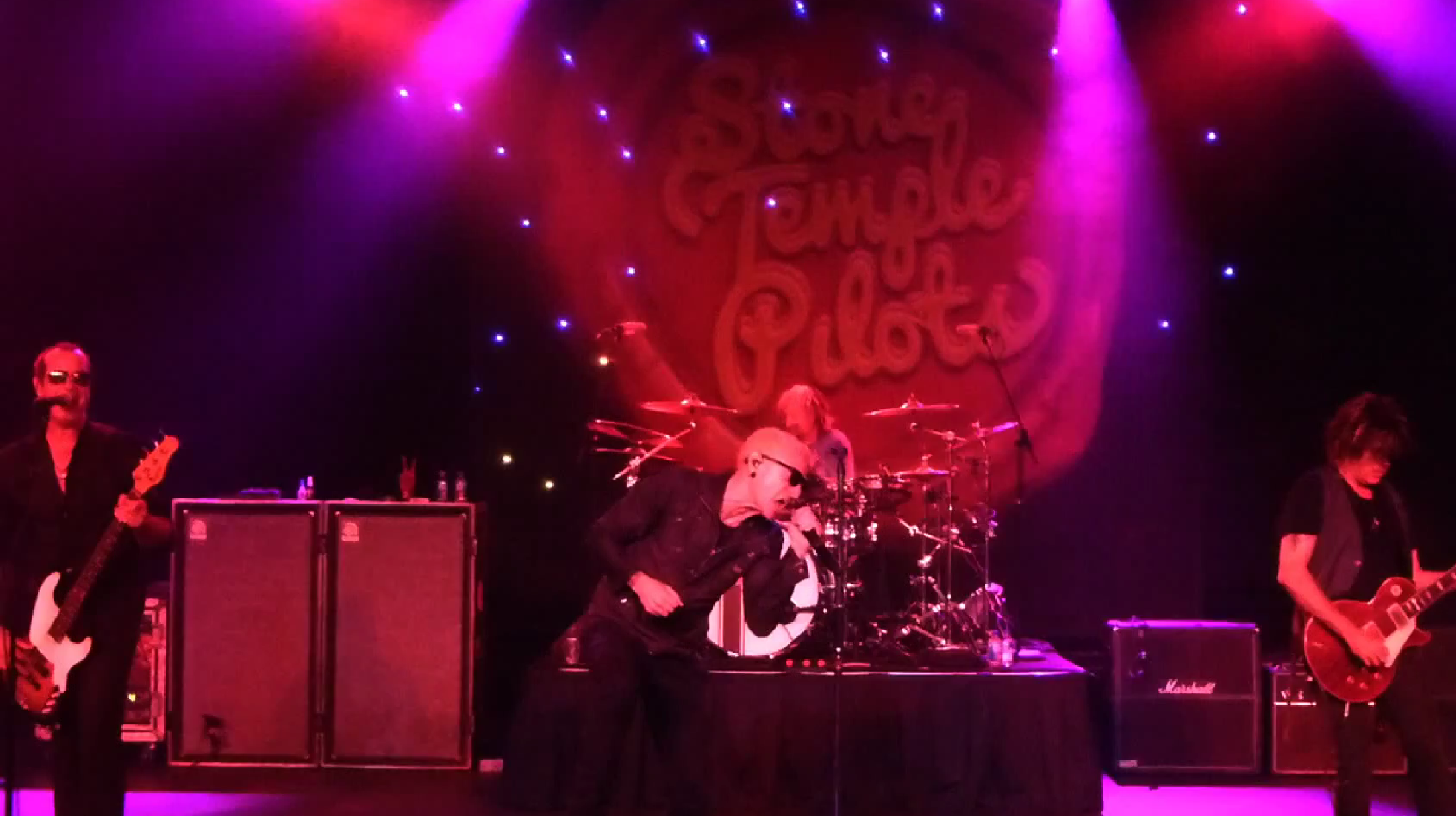
Often filed under post-grunge by critics, Core still earns a place here because it translated the grunge aesthetic into arena-sized songwriting. Brendan O’Brien’s production is a big part of the record’s staying power: the guitars are wide without turning to mush, the drums are punchy but not over-quantized, and Scott Weiland’s vocal sits in that dangerous zone between melody and abrasion.
What makes this album instructive is how controlled it is. The distortion is dialed in, not accidental. Tracks like “Sex Type Thing” and “Plush” show how to keep riffs heavy while preserving vocal intelligibility. If you’re producing modern rock, this is a useful reminder that aggression doesn’t have to mean losing the center image.
9. Mudhoney — Superfuzz Bigmuff (1988)
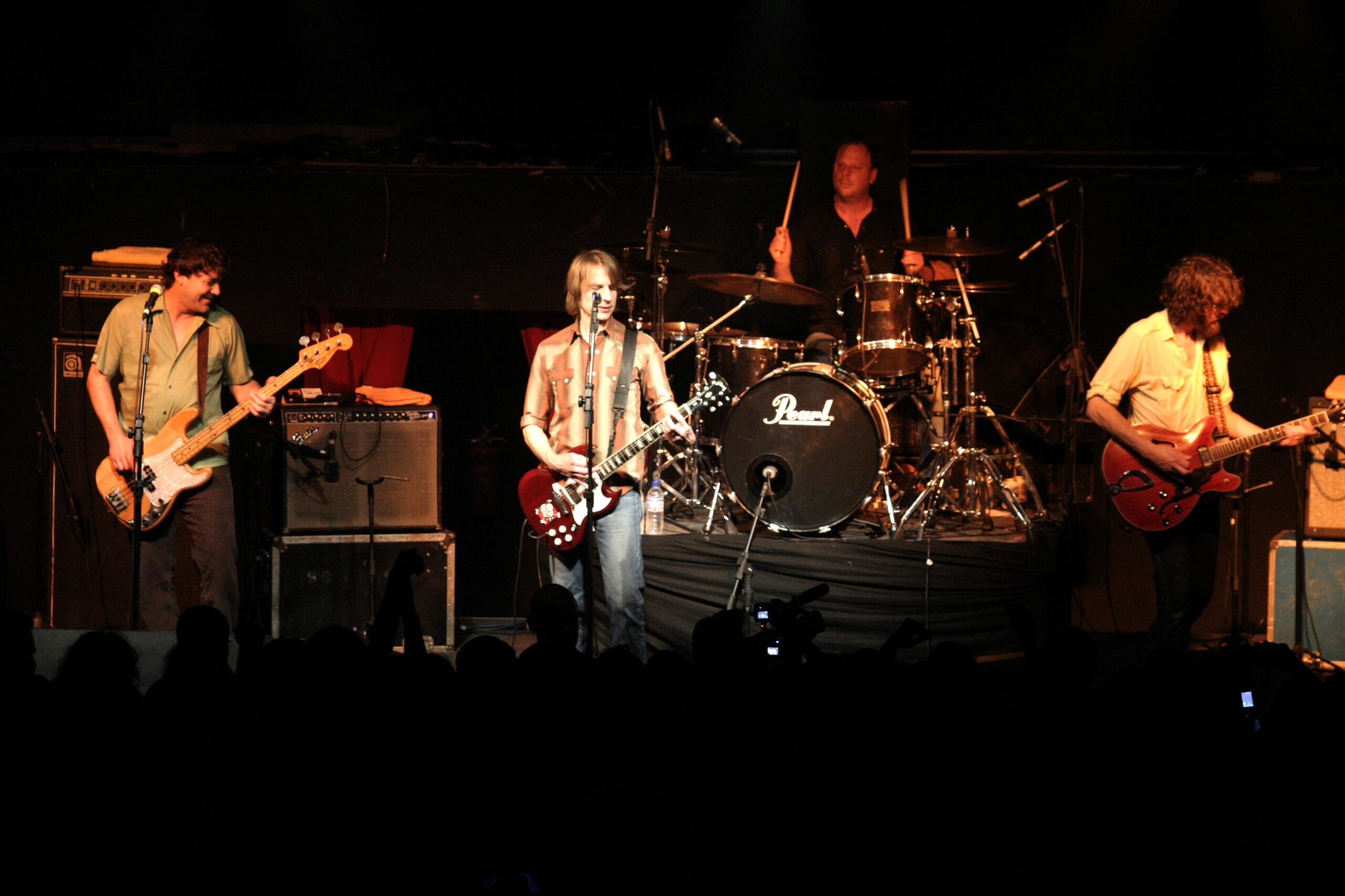
Transferred from en.wikipedia | License: CC BY-SA 2.0 | Source: Wikimedia | https://commons.wikimedia.org/wiki/File:Mudhoney_June_2007.jpg
This is the raw DNA. Before grunge was a market category, Mudhoney was making a gloriously trashed hybrid of punk, garage rock, and heavy fuzz. The title alone is practically a gear note, and the record sounds like it: thick, buzzing, unrefined, and intentionally ugly in the best way.
From a production standpoint, the value here is restraint. The band doesn’t overarrange; the tone does the work. The guitars occupy a fuzzy midrange pocket that feels almost mono in spirit, and the drums hit like they were recorded in a room that hadn’t learned the word “treatment.” If you’re chasing authenticity, this is the model for making a riff feel bigger by making everything else smaller.
8. Screaming Trees — Sweet Oblivion (1992)
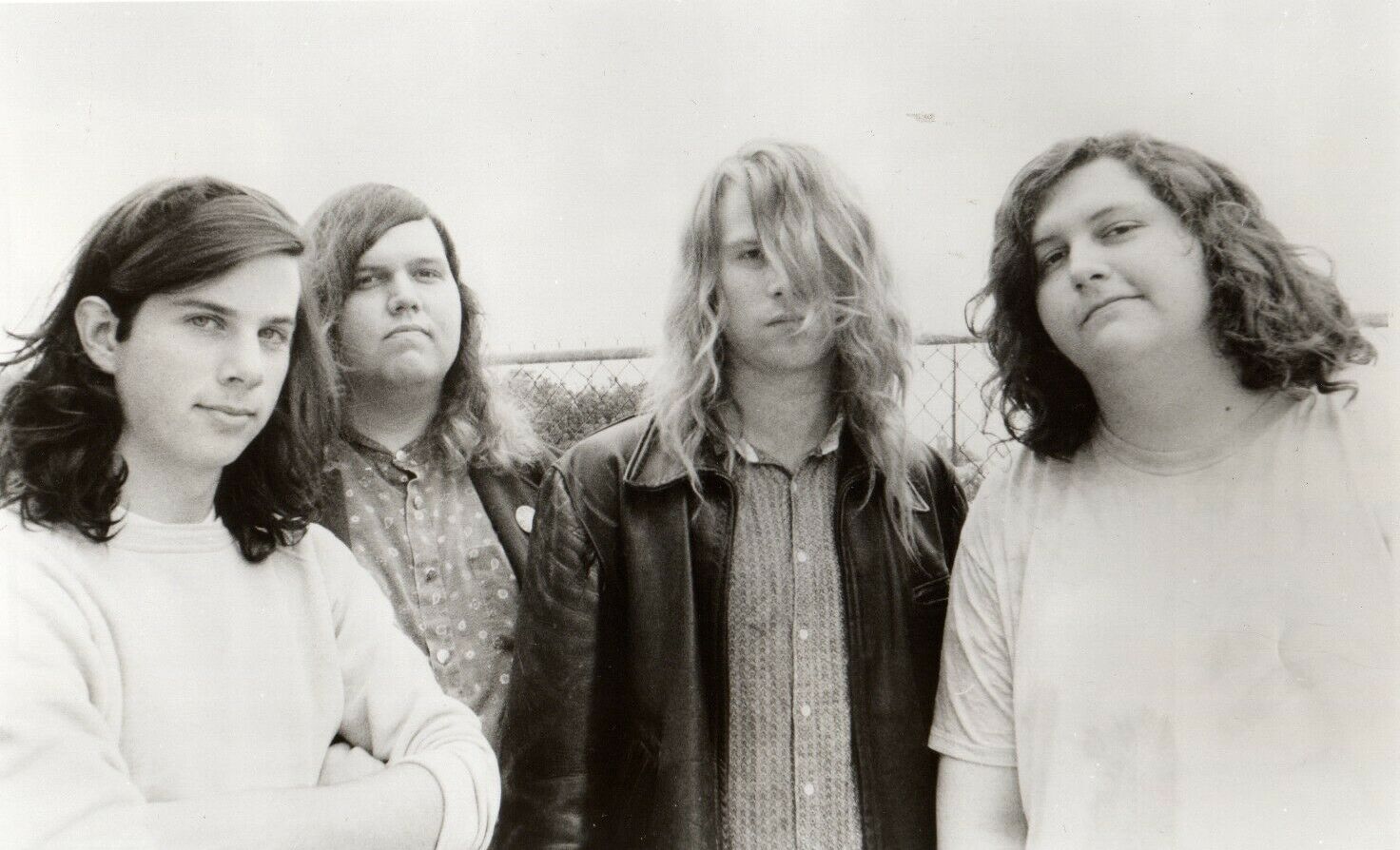
archive | License: Public domain | Source: Wikimedia | https://commons.wikimedia.org/wiki/File:Screaming_Trees_(1980s_SST_promo_photo).jpg
Screaming Trees often get overlooked in grunge rankings because they were more psychedelic and less obviously combustible than their Seattle peers, but Sweet Oblivion is a masterclass in atmosphere. Mark Lanegan’s vocal is the center of gravity here: deep, weathered, and completely unsentimental. Around it, the guitars shimmer and grind without ever becoming all-out sludge.
The album’s production is notable for its space. Instead of compressing every ounce of air out of the tracks, the arrangements breathe. That’s a major takeaway for producers working in dense guitar music: leave some room for decay, and the emotional impact gets larger. “Nearly Lost You” is the obvious entry point, but the whole record rewards close listening.
7. Temple of the Dog — Temple of the Dog (1991)
This one sits at the crossroads of grief, restraint, and classic rock muscle. Born as a tribute to Andrew Wood, the album pairs Chris Cornell’s towering songwriting instincts with a band that understands how to build intensity without rushing to the chorus too soon. It’s less chaotic than some grunge landmarks, but its emotional weight is undeniable.
Production-wise, the album is a study in dynamic arrangement. Cornells’s voice is tracked with enough space to let the performance breathe, and the band often sets up a tension-release structure that feels almost orchestral in rock terms. For engineers, the lesson is simple: let the arrangement carry part of the drama instead of trying to automate it all with mix tricks.
6. Alice in Chains — Facelift (1990)
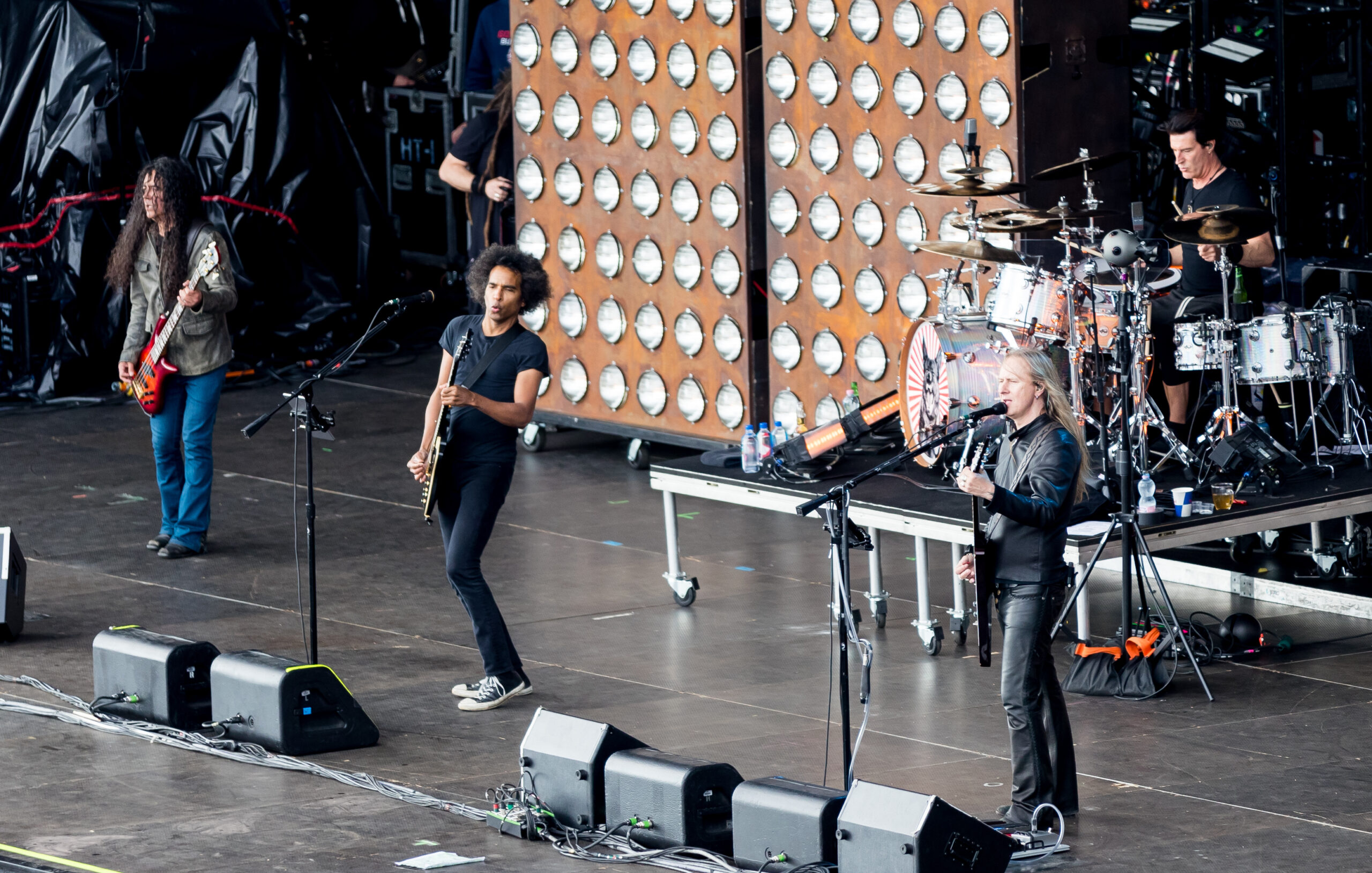
Facelift is where grunge meets heavy metal discipline. Before Dirt became the band’s defining statement, this debut established the sonic identity: monolithic guitars, uneasy harmonies, and a rhythm section that knows how to lock in like a machine while still sounding worn down.
What stands out is the weight of the low-midrange. The guitars aren’t just distorted; they’re sculpted to occupy a huge band-limited wall of sound without disappearing into bass overload. Jerry Cantrell’s riffs leave fingerprints all over the mix, and the layered vocals create that eerie, cathedral-like effect that later became one of Alice in Chains’ signatures. If you’re mixing similar material, pay attention to how the harmonies are used not as decoration, but as harmonic architecture.
5. Pearl Jam — Ten (1991)

Ten is the grunge record that learned how to hit the radio without losing its bruises. Produced by Rick Parashar, it has a classic, almost analog-rock warmth that gives the songs room to swell. The record’s biggest achievement is balance: the band sounds huge, but not hyped. The guitars are rich and layered, the bass has real melodic motion, and Eddie Vedder’s voice arrives like an event.
From a production perspective, this album shows the power of tracking for emotional scale. “Alive,” “Even Flow,” and “Black” all benefit from arrangements that build rather than overfill. The drums feel lived-in, not heavily edited, and the mix lets the performances stay human. It’s one of the best examples of how polish and intensity can coexist without canceling each other out.
4. Mudhoney — Every Good Boy Deserves Fudge (1991)
If Superfuzz Bigmuff is the raw sketch, Every Good Boy Deserves Fudge is the fully weaponized version. The band refines its chaos just enough to make the songs hit harder, while preserving the scuffed-up character that made them essential in the first place. It’s noisy, funny, and ugly in a way that feels deliberate rather than careless.
What producers can learn here is that imperfection can be a repeating motif. The tone, the energy, and the loose edges all become part of the brand identity. It’s a reminder that “clean” is not the same thing as “finished.” In grunge, a little instability often creates more force than perfect alignment ever could.
3. Soundgarden — Badmotorfinger (1991)
This is the record where grunge’s sludge met prog-level sophistication. Badmotorfinger is massive, complex, and somehow still accessible. The guitars are tuned to crush, but the riffs are arranged with a precision that makes the whole thing feel engineered rather than merely loud. Matt Cameron’s drumming is a huge part of that architecture—his feel gives the songs their angular momentum.
Producer Terry Date helped sculpt an album that sounds dense without collapsing under its own weight. Listen to how the frequency spectrum is managed: the low end is serious, but the midrange remains articulate, which is crucial for this style. If you’re aiming for modern heavy rock clarity, this record is a reference point for how to keep aggression legible.
2. Alice in Chains — Dirt (1992)
Dirt is the grunge album that sounds like the floor is falling away underneath it. It’s bleak, huge, and meticulously arranged around tension. The sound is darker than most of its peers, but what makes it exceptional is the contrast between that heaviness and the precision of the songwriting. These are not loose jams; they’re sharply built songs dressed in decay.
From a production angle, Dirt is a lesson in controlled despair. The guitars are thick and often layered in a way that keeps them moving without turning noisy. The vocal harmonies are chilling because they’re so exact, and the drum sound has just enough room tone to feel physical. This is one of the strongest examples of how darkness becomes more powerful when the mix is detailed rather than blurred.
1. Nirvana — Nevermind (1991)
Yes, it’s the obvious answer—and it’s still the right one. Nevermind didn’t invent grunge, but it translated the genre into a global production standard. Butch Vig’s work here is the reason the album exploded beyond subculture: the drums are enormous, the guitars are aggressive without overpowering the songs, and the vocal is placed with pop-level focus inside a hard-rock frame.
The genius of Nevermind is that it made raw energy sound repeatable. “Smells Like Teen Spirit” is the obvious case study, but the whole album functions like a masterclass in contrast: quiet sections that actually feel quiet, choruses that arrive with impact, bass lines that are musical rather than just supportive, and a sonic image that stays clear even when the arrangement gets feral. For producers, it’s a lesson in how much a great mix can amplify subversion. The songs are compact, the tones are sharp, and the record still sounds dangerous because the polish never removes the bite.
What Producers Can Steal From Grunge Right Now
Grunge is often treated like a historical artifact, but its production lessons are still completely current. If you’re cutting guitars today, don’t just chase saturation—pay attention to midrange arrangement. If your vocals feel too pristine, try leaving a little rough edge in the performance instead of automating every breath into submission. If your drums disappear under wall-of-sound guitars, think about room capture, transient shaping, and how the snare lives in the same band as the rhythm guitars.
Most importantly, grunge records understood that emotional credibility depends on texture. Whether the album is polished like Nevermind or feral like Mudhoney, the sound always serves the feeling. That’s why these albums still matter: they’re not just nostalgic milestones. They’re production manuals disguised as rock records.
If you’re building a reference playlist for guitar tone, drum ambience, or vocal attitude, start with this list. You’ll hear the genre evolve from fuzz-soaked basement energy to fully realized studio rock—and you’ll also hear the decisions that made those songs last.
Image: INXS TO ROCK THE HUNTER! (5406764222).jpg | Flickr | License: CC BY-SA 2.0 | Source: Wikimedia | https://commons.wikimedia.org/wiki/File:INXS_TO_ROCK_THE_HUNTER!_(5406764222).jpg