The 10 Hip Hop Producers Who Defined the Sound: Workflow, Synthesis, and Mix Moves That Changed the Game
From dusty drum programming to widescreen sample chops and forward-leaning synth design, these producers didn’t just make hits — they built repeatable workflows that reshaped hip hop’s arrangement, texture, and punch. Here’s the gear-minded breakdown behind their signature sound.

Why producer sound matters more than producer hype
In hip hop, a producer’s legacy is rarely about one sonic trick. It’s about a repeatable workflow: how drums are programmed, how samples are chopped, how bass is voiced, how arrangements breathe, and how the mix makes everything hit harder. The best producers in hip hop history didn’t just create beats — they established production languages that artists, engineers, and entire eras kept quoting.
This list focuses on that deeper level. Instead of ranking fame alone, we’re looking at the signature techniques that made these producers unmistakable: swing patterns, sample density, drum texture, harmonic palette, low-end control, and arrangement decisions that turned loops into records.
1. J Dilla: the drum feel that rewired timing itself

J Dilla’s genius wasn’t just in his sample taste; it was in microtiming. His drums often feel slightly behind, ahead, or suspended against the grid in a way that gives the beat human tension. That looseness came from a deeply intuitive approach to sequencing, often paired with chopped samples that left room for kick and snare ghosting to breathe.
Production takeaway: if you want that Dilla-style pocket, stop over-quantizing. Program a simple kick-snare pattern, then nudge hats and percussion off the grid in small amounts. Pair it with dusty sample textures, filtered highs, and a mix that leaves the transient edges soft rather than aggressively clipped.
2. Dr. Dre: surgical drums and widescreen arrangement
Dr. Dre’s productions are a masterclass in clarity. His beats are often spare, but every element is placed with precision. Kick drums are weighty without clouding the bass line, snares are crisp and forward, and melodies are usually reduced to the fewest possible notes. That restraint gives the record its cinematic scale.
Dre’s arrangement style is equally important. He understands when to strip a loop down, when to introduce a counterline, and how to use silence as a production tool. His mixes often feel expensive because each frequency range is intentionally occupied — or intentionally left empty.
Production takeaway: build a beat with fewer elements than you think you need. Focus on drum tone selection, bass note separation, and automation that introduces new layers only when the song needs momentum.
3. Kanye West: soul sampling as arrangement architecture

Kanye West’s early production defined an era by treating samples like emotional lead instruments. Rather than simply looping a break, he often recontextualized gospel, soul, and orchestral fragments into dramatic, pitched, and looped phrases that felt bigger than the source material. His beats were built to support storytelling as much as rhythm.
What stands out technically is the way his arrangements evolve. He frequently uses short motifs, filter changes, and layered percussion to turn a sample loop into a record with arcs and peaks. The low end may be simple, but the harmonic content carries the emotional weight.
Production takeaway: chop samples into playable phrases instead of leaving them static. Try pitch-shifting, reversing, and filtering pieces of a loop so the arrangement feels like it’s progressing rather than repeating.
4. DJ Premier: razor-edged chops and drum-first momentum
DJ Premier built a signature out of hard cuts, gritty sample selection, and drums that hit with almost militant clarity. His chops often feel abrupt in the best possible way, creating rhythmic punctuation that locks tightly to the drums. Add in his use of vocal scratches and call-and-response hooks, and the whole production becomes a performance.
Premier’s mix choices favor midrange presence. The samples often occupy a dense, textured center, while the drums punch through with unambiguous attack. His tracks are rarely polished in a glossy sense, but they are engineered for impact and replay value.
Production takeaway: don’t smooth everything out. Leave some edge in the sample and let the drum transients remain aggressive. Use scratches, stabs, and short chops as rhythmic events rather than background decoration.
5. RZA: lo-fi atmosphere and cinematic imperfection
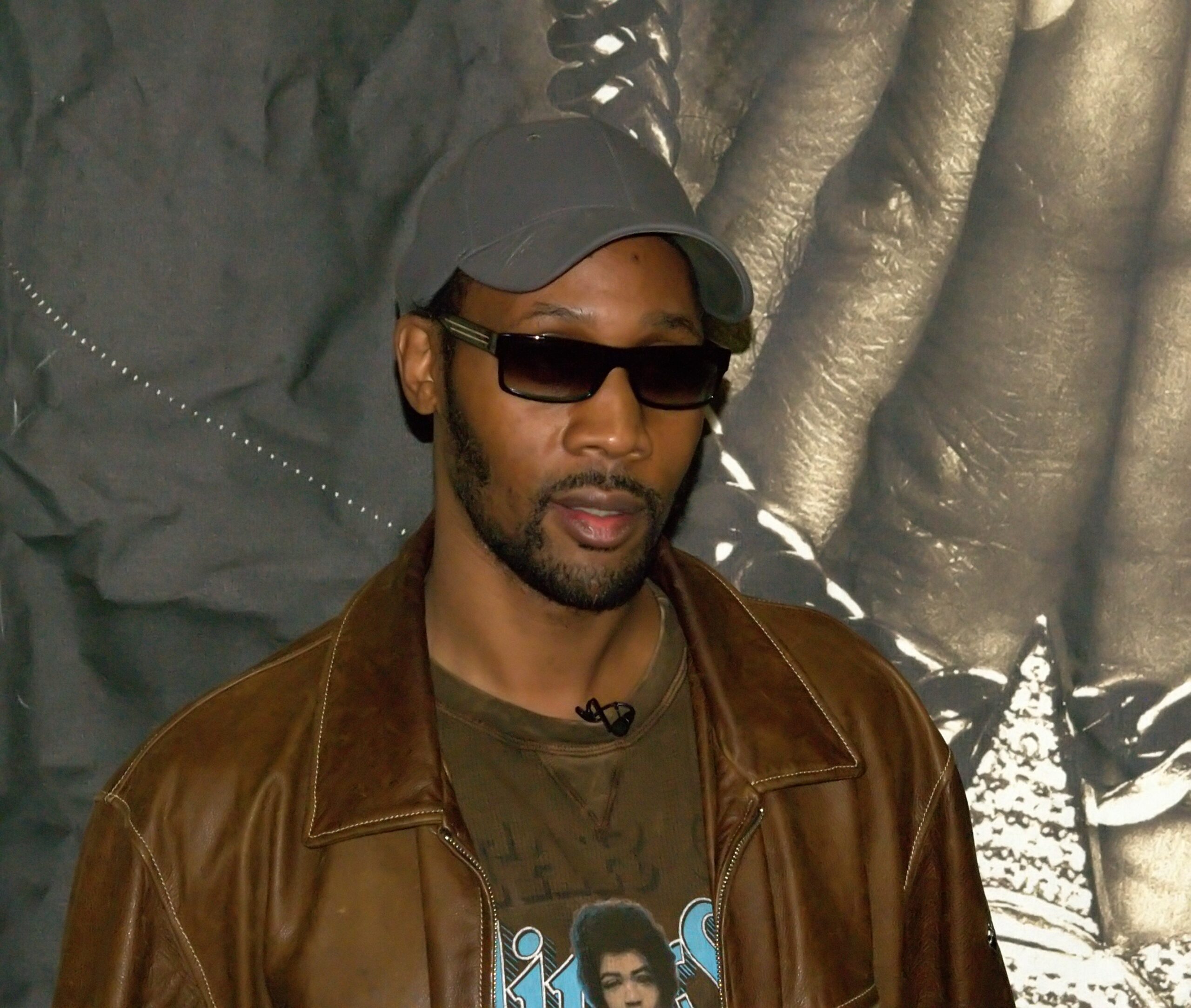
RZA made grit into a fully realized aesthetic. His productions for the Wu-Tang Clan often feel like transmissions from a haunted room: dusty samples, murky drums, dramatic string hits, and off-kilter arrangement choices that make the tracks feel dangerous. He embraced rawness as identity, not as a limitation.
The power of RZA’s workflow lies in contrast. He’ll pair a dirty, compressed loop with sharp vocal energy, or a martial drum pattern with eerie harmonic fragments. The result is a mix that feels both claustrophobic and expansive, like a beat with its own mythology.
Production takeaway: use saturation, bit reduction, or sample degradation intentionally. Lo-fi is not just about dirt; it’s about making texture part of the emotional narrative.
6. Timbaland: rhythmic design as melody
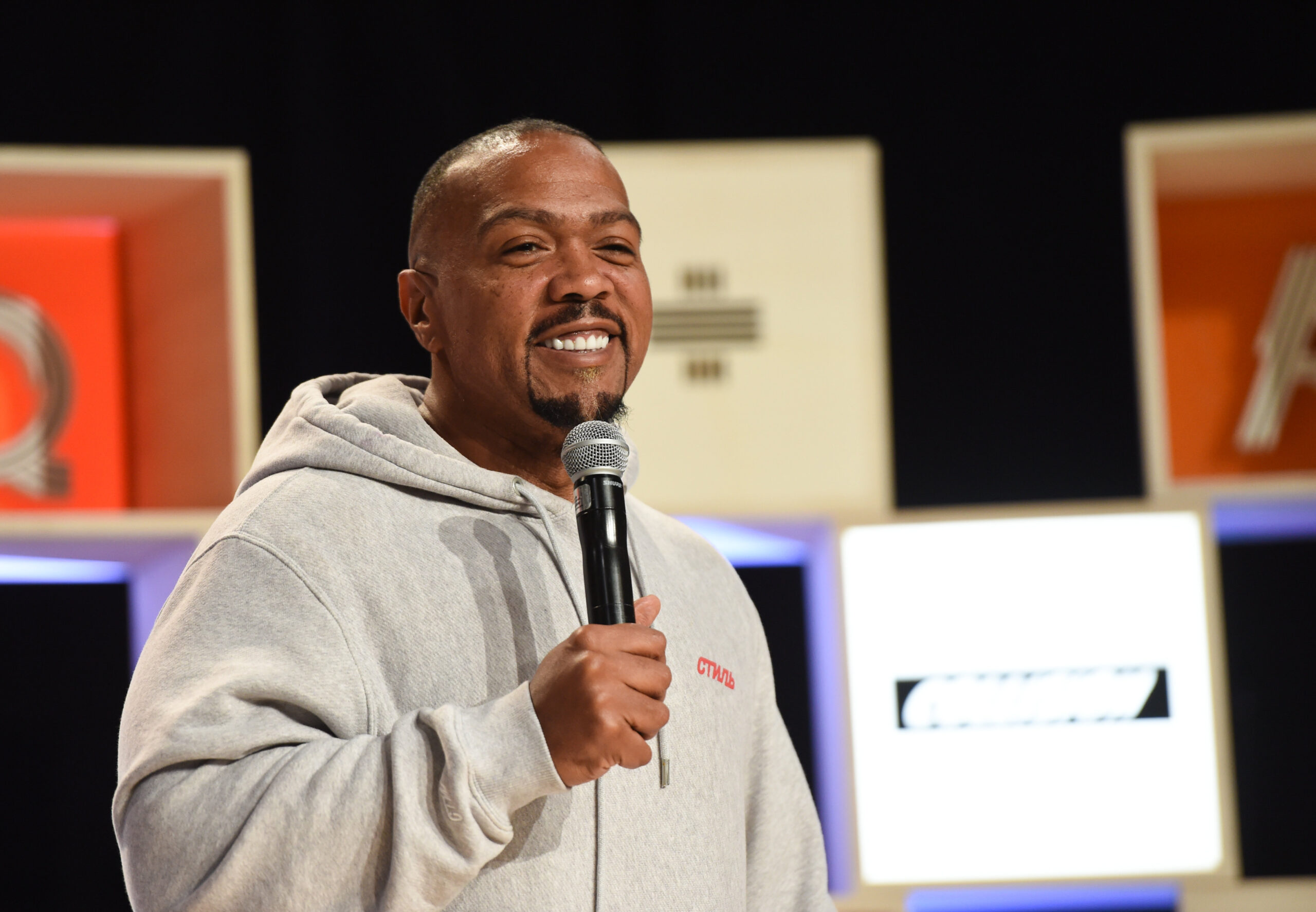
Timbaland changed the game by making percussion itself melodic. His beats are famous for unusual swing, percussive call-and-response, and alien-sounding drum programming that often replaces traditional chord movement with rhythmic invention. He treats kicks, claps, and programmed sounds like voices in a conversation.
His productions also benefit from strong negative space. Timbaland knows how to leave room for the hook, often letting a beat breathe so the rhythm becomes the hook. That’s why his tracks feel both futuristic and immediately memorable.
Production takeaway: build a beat around rhythm first, harmony second. Use off-kilter percussion, syncopated accents, and unexpected sound choices to create a groove that doesn’t rely on a standard loop.
7. Pete Rock: warm sample layering and bass glue
Pete Rock’s sound is rooted in musical warmth. His sample choices often lean soulful and jazzy, but the real secret is how those layers are glued together by steady drums and bass lines that make the records feel lived-in. He doesn’t just sample music; he frames it with a groove that gives it identity.
His arrangements are often deceptively simple. A loop may repeat, but the tonal balance and supporting bass movement make it feel like it’s expanding. The mix usually favors body over sparkle, which helps the records age gracefully.
Production takeaway: pay attention to how bass interacts with your sample loop. If the sample is harmonically busy, keep the bass line focused and supportive so the groove stays thick without becoming cluttered.
8. Pharrell Williams: minimalism with high-end precision
Pharrell’s hip hop production often feels stripped down, but that minimalism is highly engineered. Whether working through The Neptunes or solo, his beats use strange synth timbres, dry drum sounds, and sparse arrangements that create a lot of air around the vocal. The groove is usually cleaner than classic sample-heavy production, but the personality is unmistakable.
Pharrell’s mix style tends to emphasize brightness, separation, and hook clarity. He often leaves enough space for syncopated percussion and simple melodic motifs to land hard without crowding the center channel.
Production takeaway: don’t confuse minimal with unfinished. When you remove layers, every sound has to earn its place. Pay attention to tone shaping, stereo placement, and the exact decay of drums and synths.
9. Madlib: crate-digging chaos with deep harmonic instinct
Madlib’s work thrives on unpredictability. He can turn a dusty jazz fragment, a cracked drum break, and a weird atmospheric sample into something that feels both experimental and deeply rooted in hip hop tradition. His beats often sound like collage, but they’re controlled by an exceptional ear for texture and harmonic mood.
He’s also a master of making imperfect sources feel musical. Whether the drums are loose, the sample is warped, or the arrangement feels asymmetrical, the final result usually lands because the emotional tone is so strong.
Production takeaway: try layering samples that shouldn’t work together at first glance. Focus on mood, not just compatibility. Then use EQ and filtering to carve space so the chaos feels intentional rather than messy.
10. Metro Boomin: modern trap architecture and low-end discipline
Metro Boomin represents a newer production era, but his influence is massive. His beats are built on crisp 808 placement, sharp melodic loops, and arrangements that understand modern attention spans. He makes space for the vocal while keeping the instrumental dangerous and atmospheric.
What distinguishes Metro’s work is discipline. The drums are usually clean, the bass is controlled, and the melodic content is memorable without being overcrowded. He knows when to let a tag, a hi-hat roll, or a synth motif define the record’s identity.
Production takeaway: in trap production, low-end management is everything. Tune your 808s, keep your kick relationship tight, and resist the urge to over-stack melodic layers. One strong motif is often enough.
The real common denominator: identity through workflow
These producers are different in era, aesthetic, and gear, but they share one critical trait: a workflow that turned into a signature sound. Dilla’s timing, Dre’s restraint, Kanye’s sample architecture, Premier’s punch, RZA’s grit, Timbaland’s rhythm, Pete Rock’s warmth, Pharrell’s precision, Madlib’s collage, and Metro’s modern low-end all demonstrate the same lesson — style lives in process.
If you’re studying hip hop production, don’t just ask what samples were used. Ask how the beat was arranged, where the groove sits against the grid, how much top-end was left intact, and what the mix is doing to frame the vocal. That’s where producer identity actually lives.
For musicians and engineers, that’s the takeaway: the best hip hop producers aren’t just beatmakers. They’re architects of feel, frequency, and form.
Image: Touching down after making a million hearts stop a beat (3281207931).jpg | Touching down after making a million hearts stop a beat | License: CC BY 2.0 | Source: Wikimedia | https://commons.wikimedia.org/wiki/File:Touching_down_after_making_a_million_hearts_stop_a_beat_(3281207931).jpg