USB Microphones for Beginners: The Real-World Picks That Actually Make Recording Easy
USB mics are the fastest way to get a clean vocal, podcast, or demo recording without building a full interface chain. Here’s how to choose the right one—and which models make sense for beginners who want results, not hype.
Why USB microphones still matter in 2026
USB microphones are no longer just the fallback option for people who “don’t have a studio.” For beginners, they solve the two biggest entry-level problems in one move: they eliminate the need for a separate audio interface, and they make recording immediate. Plug into a laptop, set input levels, and you’re capturing audio in minutes instead of assembling a chain of cables, preamps, drivers, and gain staging decisions.
That simplicity is exactly why USB mics remain relevant for podcasting, voiceover, streaming, demo vocals, and even quick music-writing sessions. If you’re a producer testing song ideas, a songwriter laying down guide vocals, or a podcaster trying to avoid tech friction, a good USB microphone can be a smart buy. The key word is good. Not every USB mic is a shortcut to clean sound. Some are noisy, overly compressed, or packaged with software you’ll never use.
What beginners should actually look for
The best USB microphone for a beginner is not automatically the most expensive one. It’s the one that balances sound quality, handling, and workflow.
- Pickup pattern: Cardioid is the safest choice for most beginners. It focuses on your voice and rejects some room noise behind the mic.
- Self-noise: Lower self-noise matters for spoken word, quiet vocals, and acoustic recordings. Cheap USB mics often hiss when you raise the gain.
- Headphone monitoring: A zero-latency headphone jack lets you hear yourself directly from the mic without delay. That’s huge for podcasting and vocal takes.
- Build and stand stability: A mic that arrives with a flimsy desk stand can introduce vibrations, bumps, and low-end rumble.
- Gain control: Physical gain knobs are useful, especially if the mic is going to live on a desk with varying users and different source levels.
If your goal is music production, it’s also worth thinking beyond “clean voice.” You want a mic that records transients clearly enough to preserve articulation on rap takes, spoken toplines, or scratch vocals. A USB mic won’t replace a proper condenser through a quality interface, but it can still deliver a usable track if the source and room are controlled.
The best USB microphones for beginners
Below are the models that make the most sense for first-time buyers. These are not just popular names; they’re mics with real, repeatable use cases.
1. Shure MV7
The MV7 is the most complete beginner-friendly USB microphone if you care about both podcasting and music workflow. It borrows design cues from the classic Shure SM7B, but simplifies the process with USB connectivity, onboard controls, and solid voice isolation. Its dynamic capsule is less sensitive to room reflections than many condensers, which makes it ideal for untreated bedrooms and home offices.
Why beginners like it: the MV7 is forgiving. It doesn’t capture every fan hum, desk reflection, or room slapback the way a bright condenser can. That means more usable takes with less acoustic treatment.
Best for: podcast hosts, voiceover beginners, rappers tracking scratch vocals, streamers who want a polished spoken sound.
Tradeoff: it needs close-mic technique. If you lean back too far, the sound gets thin.
2. Rode NT-USB+
Rode’s NT-USB+ is a strong option for beginners who want a clean condenser sound without getting buried in setup complexity. It delivers a more open top end than most dynamic USB mics, which can work well for airy vocals, acoustic guitar, and spoken content that needs detail.
Why beginners like it: simple connection, solid onboard DSP via Rode software, and a sound profile that feels instantly “finished” for demos and podcasts.
Best for: singer-songwriters, content creators, podcasters in controlled rooms.
Tradeoff: because it’s more sensitive, it will expose bad room acoustics faster than a dynamic mic.
3. Audio-Technica AT2020USB-X
The AT2020USB-X is a good reminder that not every beginner mic needs flashy branding. Audio-Technica’s long-running 2020 family is trusted for a reason: usable detail, reliable build quality, and a balanced voice capture that doesn’t overhype the highs. The USB-X version modernizes the original with better connectivity and easy monitoring.
Why beginners like it: it sounds more neutral than many budget USB condensers, which makes it easier to process later with EQ and compression.
Best for: home recording, voiceover, basic music demos, online lessons.
Tradeoff: like most condensers, it rewards a treated room or at least some basic acoustic control.
4. Samson Q2U
If your budget is tight, the Samson Q2U is still one of the smartest buys in the category. It offers both USB and XLR outputs, which is a major advantage for beginners who may upgrade to an interface later. That makes it more than a starter mic—it’s a bridge into a more serious setup.
Why beginners like it: it’s rugged, forgiving, and versatile. It handles podcasting very well and doesn’t punish imperfect rooms.
Best for: first-time podcasters, remote interviews, beginners planning to move to XLR later.
Tradeoff: it’s not the most detailed or glossy-sounding mic on this list, but it gets the job done with minimal fuss.
5. Blue Yeti
The Blue Yeti is famous because it helped define the USB mic boom. It remains popular for a reason: easy setup, multiple pickup patterns, and instant compatibility with most computers. For beginners, though, its appeal is mostly about convenience rather than sonics.
Why beginners like it: if you want to start recording immediately and experiment with stereo or bidirectional modes, it’s straightforward.
Best for: casual podcasting, streaming, basic desktop recording.
Tradeoff: it can sound roomy and overly sensitive in bad environments, and many users never need the extra pickup modes anyway.
USB mic vs audio interface: what producers should know
This is the decision point that matters most. A USB mic is not “better” than an interface setup—it’s simply faster and less complex. If you’re recording one voice in one place and you want speed, a USB mic can be the right tool. If you’re building a long-term studio, plan to record multiple sources, or want access to higher-end microphones later, an interface still wins on flexibility.
For producers, the practical difference is this:
- USB mic workflow: fewer parts, lower setup friction, quicker for talking head content and scratch vocals.
- Interface workflow: more control, more upgrade paths, better compatibility with future microphones and outboard gear.
If your current priority is making content or rough recordings instead of assembling a studio, the USB mic route is valid. If you already know you want to record multiple singers, instruments, or eventually use compressors and preamps, buy the interface and mic chain instead of spending twice.
Getting better results from a USB microphone
Most bad USB mic recordings are not caused by the mic alone. They come from poor placement, untreated rooms, and bad gain staging. A few simple moves make a huge difference.
- Get close: For spoken voice, aim for 4 to 8 inches away unless the mic’s manual suggests otherwise.
- Use a pop filter: It reduces plosives and lets you stay close without harsh bursts of air.
- Turn down the room: Shut windows, silence fans, and move away from reflective walls if possible.
- Record at healthy levels: Leave headroom. Peaks around -12 dB to -6 dB are usually safer than clipping.
- Monitor on headphones: This helps you catch pops, bumps, and distortion before you waste a take.
For music, a light processing chain often helps: high-pass filter, gentle compression, and a touch of de-essing if needed. Don’t over-EQ a USB mic into something it isn’t. Start with the cleanest capture possible.
Who should buy a USB mic—and who shouldn’t
Buy a USB microphone if you want to start recording quickly, your space is limited, and your projects are centered around voice, podcasting, streaming, or demos. It’s also a strong choice for beginners who get overwhelmed by technical setup and just need a reliable path to audio capture.
Skip the USB mic if you already know you want to build a proper recording chain, or if you’re aiming for a long-term vocal production rig with modular upgrades. In that case, a good interface and a conventional XLR mic will give you more room to grow.
The honest verdict: USB microphones are worth it for beginners when the workflow matters as much as the sound. The best models don’t just capture audio—they reduce friction, which is often the difference between recording consistently and never getting started.
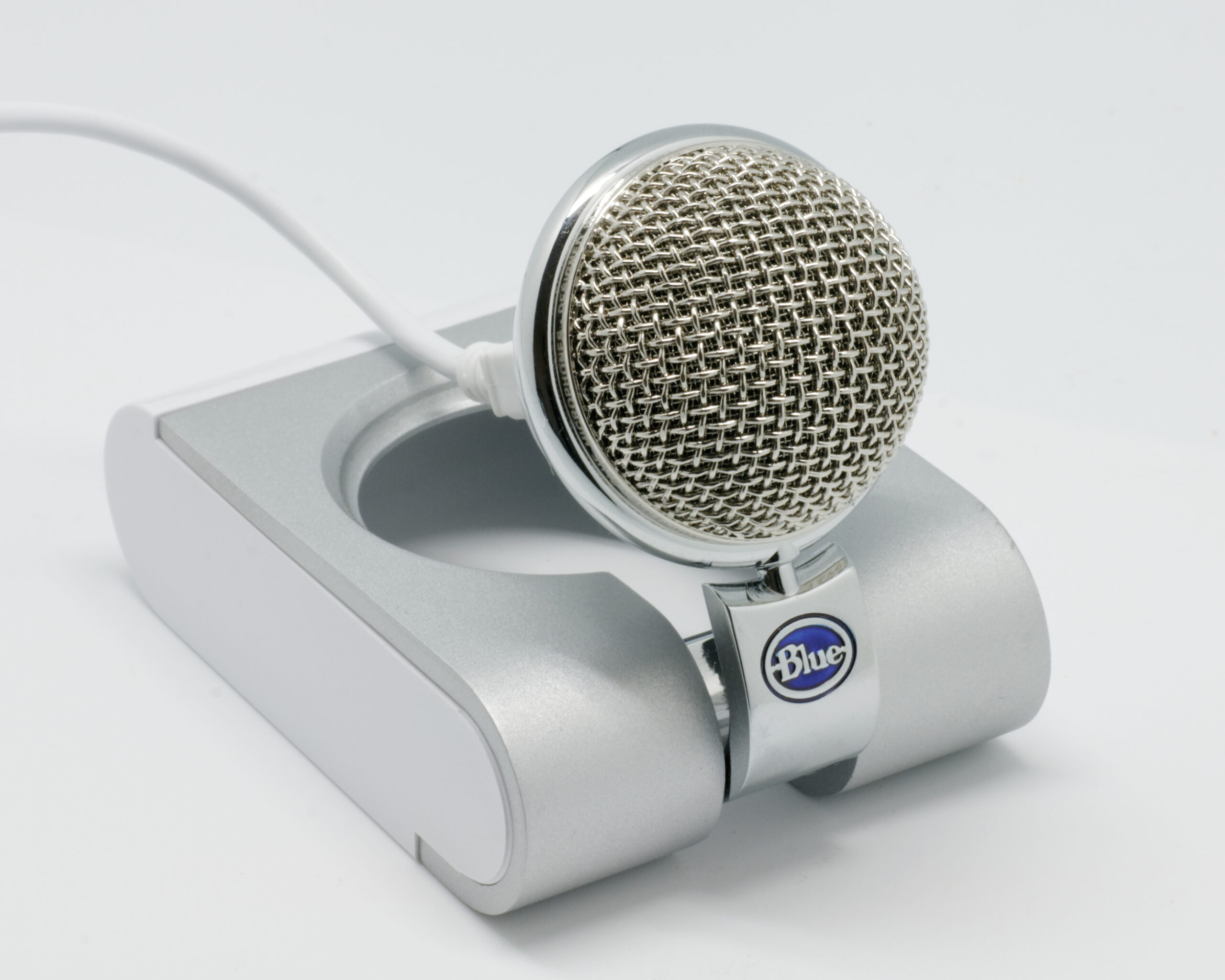
Image: Blue Snowflake USB microphone.jpg | Own work | License: CC BY 2.5 | Source: Wikimedia | https://commons.wikimedia.org/wiki/File:Blue_Snowflake_USB_microphone.jpg