10 Synth-Pop Albums That Still Work in the Studio
These 10 synth-pop albums didn’t just define the 1980s—they established practical production blueprints that still hold up in modern sessions. From drum machine programming to mixer-ready arrangement choices, here’s where each record fits in a real-world workflow.
Why 80s Synth-Pop Still Matters in the Studio
Synth-pop is often treated like nostalgia bait: glossy hooks, cold drum machines, neon cover art. But the best 80s synth-pop albums are still incredibly useful reference points because they were built under constraints that every modern producer recognizes. Limited polyphony. Early digital sampling. Primitive sequencing. Tight budgets. Songs had to work fast, translate on small speakers, and leave space for vocals without burying the arrangement in layers.
That makes these records more than historical artifacts. They are production manuals. If you want to understand how to build a track around a single hook, keep a mix clean while stacking timbres, or make electronic drums feel intentional instead of robotic, this is the decade to study.
Below are 10 synth-pop albums from the 80s that still offer real studio value. The point is not just canon-building. It is identifying records you can actively use as references when programming drums, choosing synth sounds, or arranging a modern pop track.
1. Depeche Mode — Speak & Spell (1981)
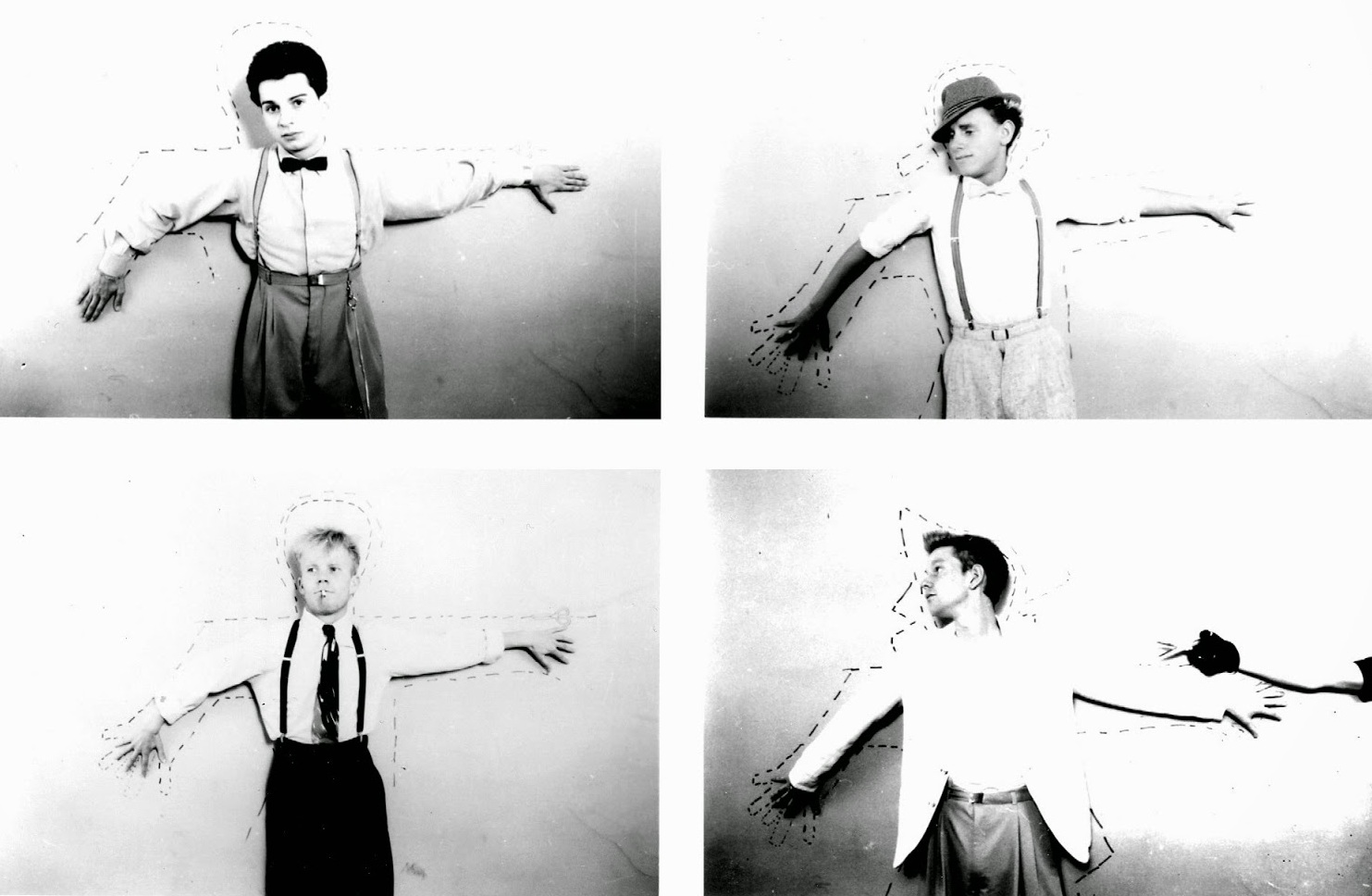
This is the blueprint for early synth-pop minimalism: bright melodies, lean programming, and a surprisingly direct pop sensibility. What makes it useful in the studio is how little each part does—and how clearly each part is placed. The arrangements rarely crowd the vocal, which is a lesson in restraint for producers who tend to overbuild first drafts.
Studio takeaway: Start with a simple bass figure, one rhythmic hook, and a lead texture that only appears when the chorus needs lift. If your arrangement still works when you mute half the track, you are probably on the right path.
2. Human League — Dare (1981)

Dare is a masterclass in making electronic music feel immediate and human. The album’s sequencing, vocal layering, and polished rhythmic design show how synth-pop can be both machine-driven and emotionally direct. The record is also a strong reminder that timbral contrast matters: glassy pads, punchy synth bass, and dry percussion keep the mix readable.
Studio takeaway: Build your verses with a narrower frequency palette than your choruses. Human League’s best moments work because the arrangement opens up instead of simply getting louder.
3. Visage — Visage (1980)

If you are chasing the sleek, nocturnal side of synth-pop, this album is essential. It leans into atmosphere, space, and a sense of cool detachment without losing groove. The production values are especially instructive for anyone working on modern dark-pop, synthwave, or alt-electronic tracks.
Studio takeaway: Reverb is not just decoration here—it is part of the arrangement. Use delays and ambient returns to create depth, but keep the dry signal articulate enough that the groove remains defined.
4. Yazoo — Upstairs at Eric’s (1982)

This is one of the most instructive synth-pop albums of the decade because of its tension between pop songwriting and experimental sonics. The bass programming is muscular, the drums are decisive, and the synth textures often feel more emotional than decorative. You can hear a producer thinking in blocks: verse, refrain, breakdown, release.
Studio takeaway: Treat sound selection as arrangement. A square-wave bass with a sharp envelope tells a different story than a rounder, more legato patch. That distinction can carry an entire chorus.
5. Eurythmics — Sweet Dreams (Are Made of This) (1983)

Few records demonstrate the power of a stripped-back production concept better than this one. The title track is practically a workflow lesson in building a hit from a loop, a bass synth, a rhythmic pulse, and a vocal that does the heavy lifting. The album’s economy is its strength: it sounds intentional because every element earns its place.
Studio takeaway: If your demo is not landing, reduce the palette before adding more parts. A smaller arrangement often creates a more forceful record than one overloaded with textures.
6. Tears for Fears — The Hurting (1983)

This album sits at the intersection of synth-pop, post-punk intensity, and emotional songwriting. It is especially valuable if you want to understand how synthesizers can carry weight without sacrificing melody. The programmed drums and synth motifs are not just rhythmic support; they define the emotional tone.
Studio takeaway: Use repetitive figures to create psychological tension. Small shifts in filter cutoff, note length, or modulation depth can have more impact than changing the chord progression every two bars.
7. The Thompson Twins — Into the Gap (1984)
For producers interested in mid-80s polish, this album is a useful reference for clean, radio-ready arrangement discipline. The tracks are built around highly memorable hooks, but they never feel cluttered. Percussion, synth bass, and vocal layers are all engineered to occupy distinct spaces in the spectrum.
Studio takeaway: Think in lanes. Assign each part a job: low-end drive, rhythmic sparkle, melodic counterpoint, or ear-candy transition. If two sounds are doing the same job, one of them should probably go.
8. Pet Shop Boys — Please (1986)
Please is one of the great examples of synth-pop production serving songwriting rather than dominating it. The arrangements are elegant and subtle, with a focus on groove, phrasing, and harmonic sophistication. It is a strong reminder that synth-pop does not have to mean maximalist sound design.
Studio takeaway: Let the vocal lead the emotional arc. The synths should frame the performance, not compete with it. This is especially useful in modern pop mixes where too much instrumental movement can flatten the lyric.
9. Alphaville — Forever Young (1984)
Known for its cinematic scale, this album shows how synth-pop can feel expansive without relying on dense layering. The melodies are large, the textures are airy, and the arrangement choices create a sense of emotional horizon. It is a useful reference for anyone producing widescreen pop, retro-futurist soundtrack cues, or synth-heavy ballads.
Studio takeaway: Width is not just a mixing trick. It starts in the arrangement. Use octave doubling, stereo modulation, and complementary synth registers to create size before you reach for heavy mastering processing.
10. New Order — Power, Corruption & Lies (1983)
This album stretches beyond pure synth-pop, but its influence on electronic pop production is too important to ignore. It is a study in groove, restraint, and texture. The tracks feel engineered for momentum, with sequenced parts and melodic fragments interlocking rather than stacking on top of each other.
Studio takeaway: Think of the arrangement as a moving machine. Every new element should either increase momentum or clarify the groove. If it does neither, cut it.
What These Albums Teach Modern Producers
Across these records, a few production principles repeat. First, synth-pop works best when the arrangement is disciplined. These albums do not rely on endless layers to feel full. They rely on contrast, register, and strong part-writing.
Second, drum programming is often more effective when it is characterful rather than hyper-precise. The swing, punch, and texture of the percussion matter as much as the pattern itself. Even in modern DAWs, you can borrow this approach by varying velocity, nudging timing slightly, and choosing drum sounds with distinct transient shapes.
Third, these albums are proof that synth choice is arrangement choice. A brass-like patch, a thin digital lead, and a warm analog pad all suggest different emotional outcomes. The best 80s synth-pop producers understood that sound design was not separate from songwriting; it was part of the composition.
How to Use These Records in a Real Session
If you are producing today, do not just stream these albums passively. Put them into your session workflow.
- Use one album as a mix reference: Match low-end density, vocal placement, and reverb depth against your own track.
- Borrow one arrangement rule per song: For example, keep verses sparse like Sweet Dreams or build chorus width like Forever Young.
- Program with limitations: Restrict yourself to one drum machine palette and three synth parts for the first draft.
- Print and commit: Many of these records benefit from decisiveness. Bounce sounds early so you arrange around them instead of endlessly redesigning them.
The best synth-pop albums of the 80s are still valuable because they solve problems modern producers still face: how to make electronic music feel emotional, how to keep a dense arrangement readable, and how to turn a limited palette into a complete record. Study them as records, but also study them as workflows. That is where their real value lives.
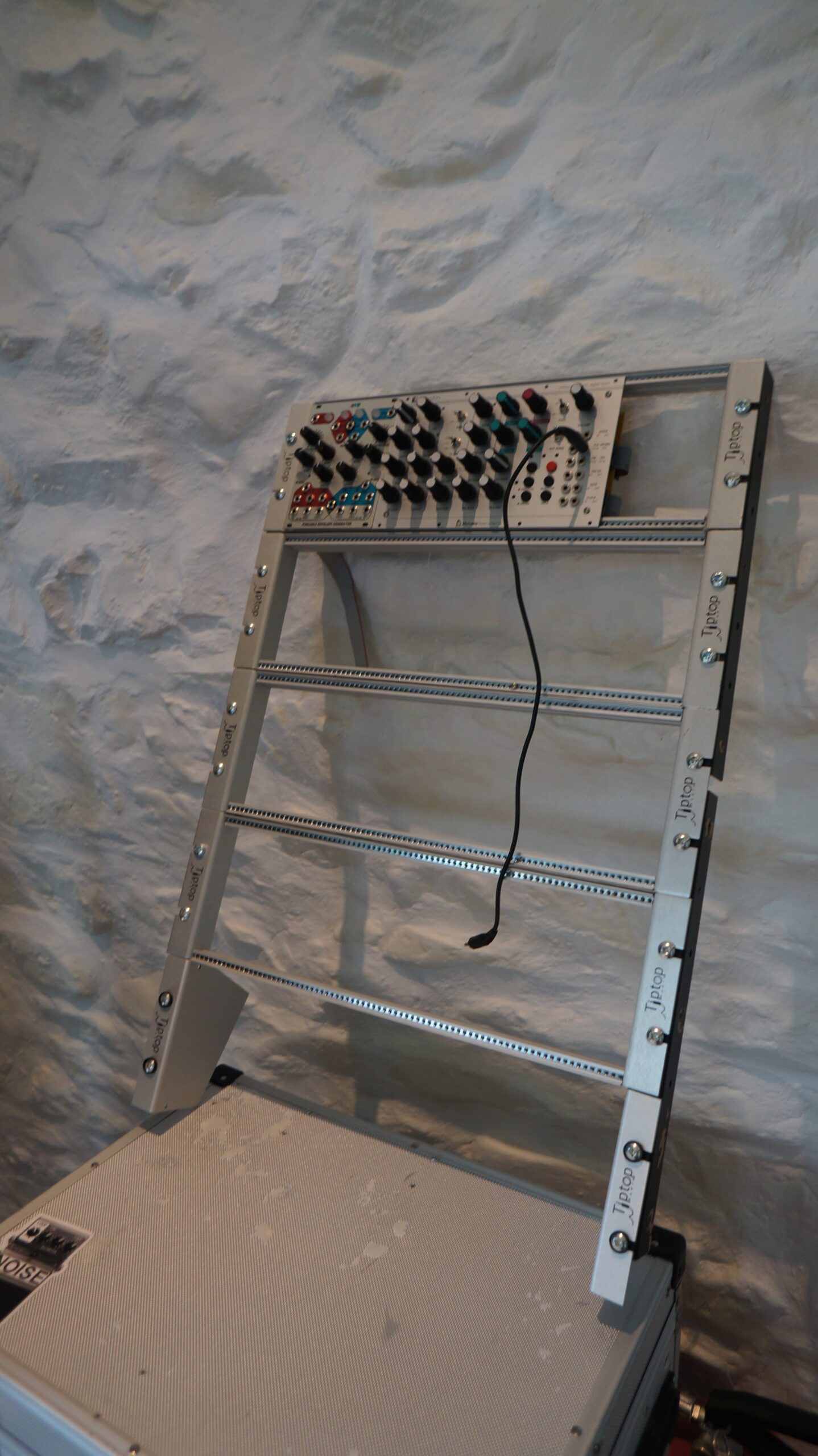
Image: C-g.'s modular synthesizer – Synth rack taking shape (2014-10-31 12.05.22 by c-g.).jpg | Synth rack taking shape | License: CC BY 2.0 | Source: Wikimedia | https://commons.wikimedia.org/wiki/File:C-g.%27s_modular_synthesizer_-_Synth_rack_taking_shape_(2014-10-31_12.05.22_by_c-g.).jpg