The 10 Alternative Rock Albums That Rewired Modern Production
These are the albums that didn’t just define alternative rock culturally—they changed how producers think about tone, space, distortion, and dynamics. From bedroom grit to arena-scale polish, each one offers a concrete lesson you can still use in the studio.
Alternative rock is often treated like a loose genre umbrella, but the best albums in the canon did something much more specific: they shifted the language of production. They changed what distortion could mean, how loud a quiet song could feel, how drums should sit in a mix, and how “imperfection” could become the point. For producers, engineers, and serious listeners, these records are more than cultural milestones—they’re working manuals.
This list focuses on albums that didn’t just sell or influence fashion. They altered the studio vocabulary of rock music. Some are raw and unfiltered, some are meticulously constructed, and some are only alternative in hindsight. What they share is impact: they helped define how modern rock records are built, balanced, and emotionally framed.
1. Nirvana — Nevermind (1991)
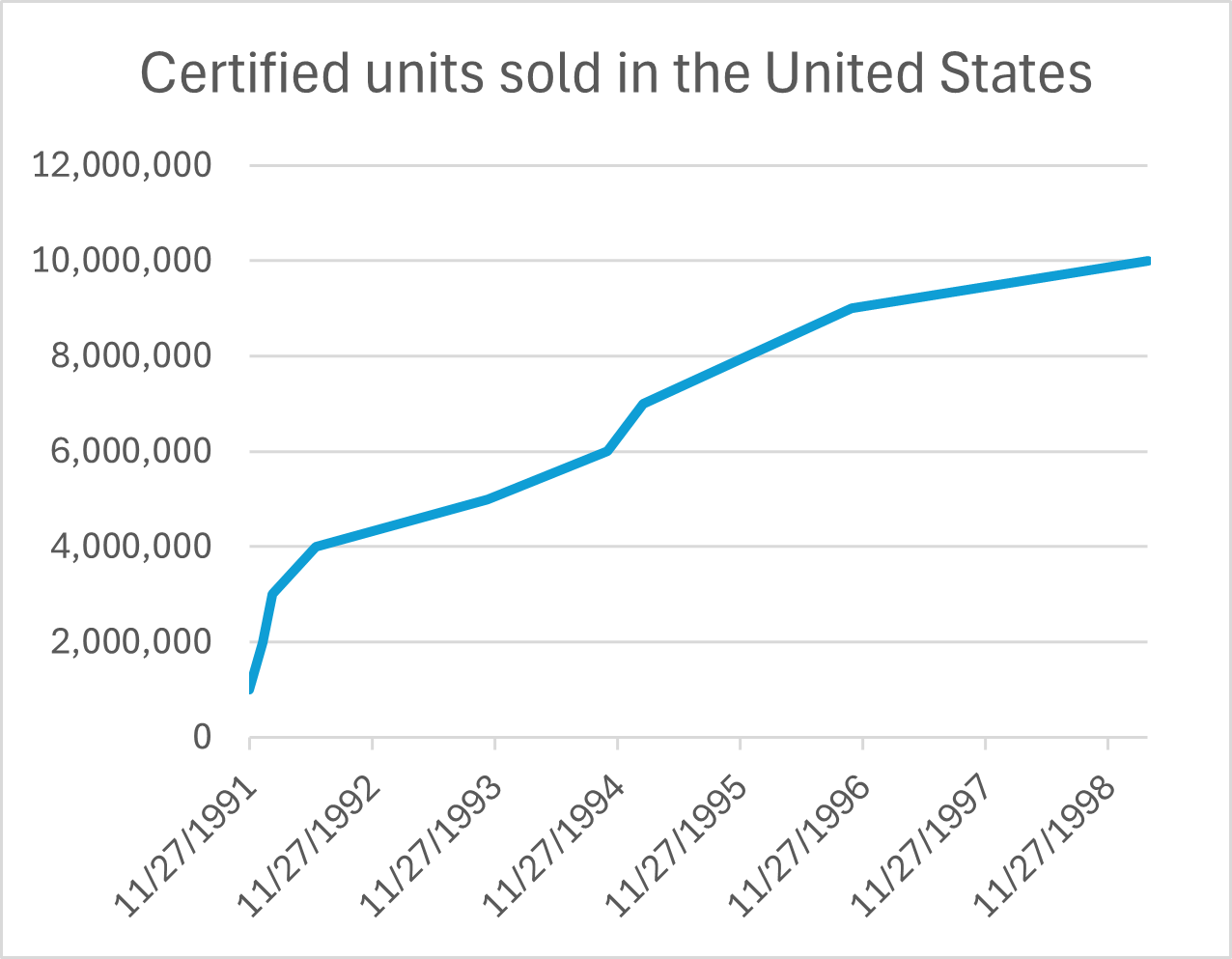
Nevermind is the great democratic rock record of the early ’90s: huge hooks, blunt dynamics, and a production style that made abrasion feel instantly accessible. But the real lesson is not “make it loud.” It’s the way Butch Vig and Andy Wallace balanced grit and gloss without sanding down the band’s edge. Dave Grohl’s drums hit like a finished product, Cobain’s guitars are thick but not smeared, and the mix leaves just enough air for the choruses to explode.
Producer takeaway: Build contrast with arrangement, not just volume automation. The verses on “Smells Like Teen Spirit” feel smaller because the instrumentation is more restrained, not because the mix is dramatically quieter. If you’re tracking rock, think in terms of density layers: doubling guitars, widening cymbals, and opening the low-mid range only when the chorus arrives.
2. Radiohead — OK Computer (1997)

If Nevermind made alternative rock universal, OK Computer made it cinematic. Nigel Godrich’s production is full of controlled ambiguity: room tone, mechanical detail, and vocals that feel emotionally close but never overexposed. The album treats texture as narrative. Guitars dissolve into ambience, drum programming and live drums coexist, and the record constantly suggests a world larger than the band playing in it.
Producer takeaway: Use atmosphere as arrangement. Even a simple part can feel massive if it has a sonic environment. Try layering field recordings, reverse textures, or low-level noise beds beneath a rock track. The key is restraint—these details should imply depth, not announce themselves.
3. R.E.M. — Automatic for the People (1992)
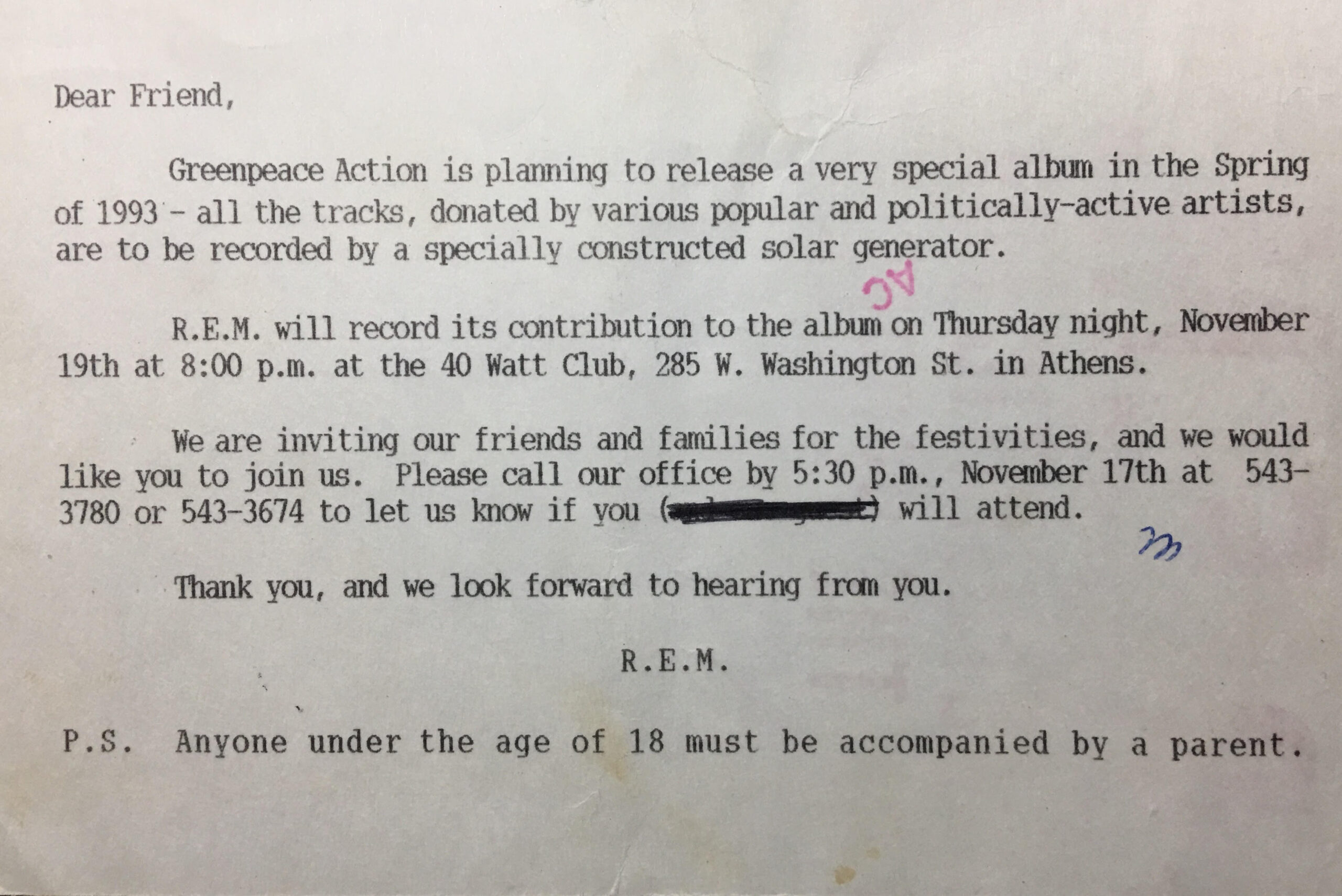
R.E.M. proved that alternative rock could be inward-facing without losing scale. Automatic for the People is sparse, elegant, and emotionally heavy, built around acoustic instruments, restrained electric textures, and arrangements that leave real negative space. It’s one of the clearest examples of a rock album that feels expensive because nothing is fighting for attention.
Producer takeaway: Silence and decay matter. Let reverbs and room tails breathe. If every instrument is sustained through the full bar, the arrangement will feel crowded no matter how minimal it seems on paper. This record is a reminder that a well-placed gap can hit harder than another guitar overdub.
4. Sonic Youth — Daydream Nation (1988)
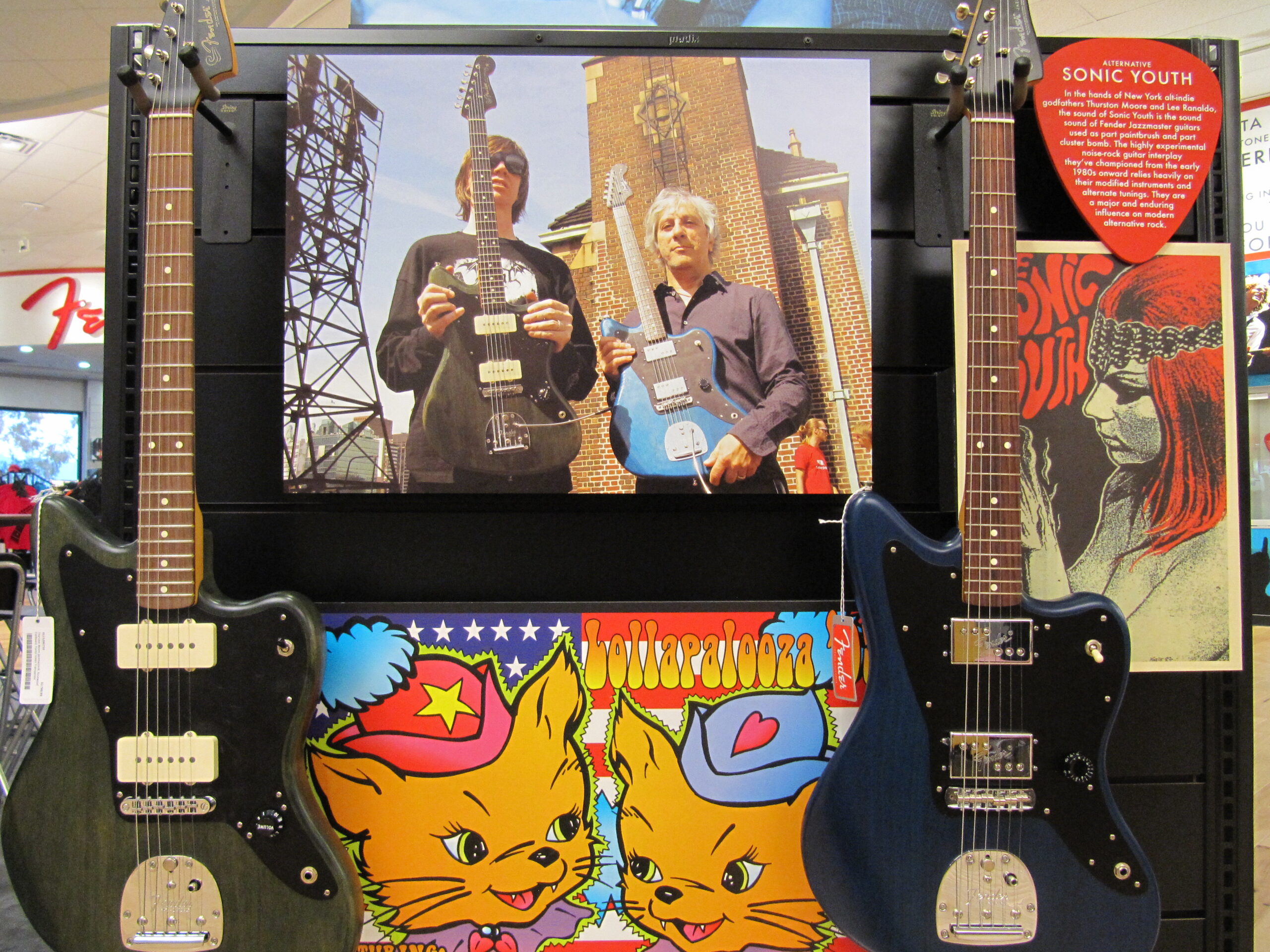
Daydream Nation is one of the key documents in guitar-as-architecture production. The tunings are unconventional, the noises are intentional, and the songs often feel like they’re teetering between structure and collapse. Yet the album never sounds like chaos for chaos’s sake. The guitar layering is disciplined enough that the dissonance becomes a compositional feature rather than an accident.
Producer takeaway: Not all frequency conflict is bad. In fact, a controlled amount of conflict can create identity. If you’re recording experimental guitars, commit to the frequencies that make the part unique and avoid over-cleaning them in EQ. The danger zone is often the asset.
5. Pixies — Doolittle (1989)

Doolittle is the blueprint for the quiet-loud rock dynamic that dominated the ’90s, but its deeper influence is arrangement economy. Pixies songs are compact, strange, and brutally efficient. Every section feels like it is there to make the next section land harder. The production doesn’t overexplain the material; it simply frames the volatility.
Producer takeaway: Leave room for the hook to arrive late. Don’t be afraid to keep verses thin if the payoff is a chorus with real mass. This is especially useful in modern rock production, where it’s easy to overbuild the intro and erase the song’s energy curve before the listener reaches the hook.
6. The Smashing Pumpkins — Siamese Dream (1993)

Siamese Dream is a masterclass in stacked guitars and emotional overproduction done right. Billy Corgan and Butch Vig created a record where the density is the aesthetic. The guitars are huge but carefully voiced, the drums are punchy and polished, and the whole album feels like it was engineered to sustain tension without losing melodic clarity.
Producer takeaway: Layering only works if each layer has a job. Use different amps, pickup positions, mic placements, and EQ contours so stacked guitars don’t become one blurry wall. A useful trick: pan similar parts wide, but vary the high-mid emphasis so the stereo field feels rich instead of duplicated.
7. Pearl Jam — Ten (1991)
Ten sits at the intersection of classic-rock grandeur and alternative-era catharsis. Its production is roomy, anthemic, and deeply physical, with drums and guitars that feel like they were recorded to fill a large space. The emotional impact of the album comes from that scale: the performances are raw, but the sonics are designed to elevate them into something almost ceremonial.
Producer takeaway: Room sound is a performance tool, not just a technical artifact. Capturing drums and guitars with a sense of space can make a rock record feel less edited and more alive. If your productions feel overly microscopic, experiment with far mics or natural room reflections before reaching for more compression.
8. Beck — Odelay (1996)
Odelay widened the definition of alternative rock by treating the studio like a collage machine. It pulled from lo-fi hip-hop, folk, funk, blues, and sample culture, but it still felt like a rock record because of its attitude and sequencing. The genius of the album is how deliberately unstable it sounds: polished one minute, busted the next, always moving.
Producer takeaway: Texture switching can be more engaging than perfect consistency. If your track feels too linear, try contrasting pristine elements with degraded ones—bit-crushed percussion against clean vocals, or dusty samples under clean live guitars. The friction creates identity.
9. The Strokes — Is This It (2001)
Is This It helped reset rock production for the 2000s by making roughness sound intentional again. The record is dry, tight, and deceptively simple, with guitars that interlock more than they roar. The drums are punchy without being oversized, the bass is melodic and present, and Julian Casablancas’ vocal treatment keeps the band inside a hazy but controlled frame.
Producer takeaway: You do not need huge sounds to make a modern rock record feel immediate. In fact, keeping the mix relatively dry can make the performances feel closer and more urgent. Focus on transient clarity, concise arrangement, and letting each instrument occupy a narrow but distinct lane.
10. Arcade Fire — Funeral (2004)
Funeral is one of the last great alternative rock albums to make grandeur feel communal rather than polished. The record blends indie-rock intimacy with orchestral scale, but its emotional force comes from how human it remains. The gang vocals, strings, and surging percussion are never just decorative—they are part of the album’s emotional architecture.
Producer takeaway: Maximalism works when the arrangement feels participatory. If you’re building a large chorus, think beyond stacked vocals and add parts that change the emotional temperature: hand percussion, harmonic support, counter-melodies, or unison lines that make the chorus feel like a crowd rather than a soloist.
What These Albums Still Teach Producers
The biggest takeaway across these records is that alternative rock was never just a style—it was a production philosophy. These albums challenged the idea that rock had to sound clean to be powerful, or messy to be authentic. They showed that tone, space, and arrangement are inseparable from emotion.
For modern producers, the practical lessons are clear:
- Use contrast intentionally. Loud gets louder when quiet is actually quiet.
- Design texture with purpose. Distortion, ambience, and noise should support the song’s emotional center.
- Respect negative space. A sparse mix can feel bigger than a dense one if the arrangement is disciplined.
- Let identity survive imperfection. Some of the most influential records in the genre sound unique because they didn’t over-correct the unusual parts.
Alternative rock defined itself by refusing one fixed rulebook, and that’s why its best albums still matter in the studio. Whether you’re chasing huge drums, layered guitars, lo-fi abrasion, or controlled atmosphere, these records offer more than nostalgia—they offer technique. Study them like reference mixes, and you’ll hear not just what made them important, but how they still work.
Image: 1882-ALBUM-13 SHD-DE-2014-PA-40 A-C-KREBS=Production de gaz.jpg | Own work | License: Public domain | Source: Wikimedia | https://commons.wikimedia.org/wiki/File:1882-ALBUM-13_SHD-DE-2014-PA-40_A-C-KREBS%3DProduction_de_gaz.jpg