10 Punk Albums That Still Set the Blueprint for Raw, High-Voltage Production
Punk’s greatest records didn’t just define a scene—they solved production problems with brute force, attitude, and economy. Here’s the essential top 10, with the sonic lessons that still matter in modern tracking and mixing.

Why these punk albums still matter in the studio
Punk has always been more than a genre tag. At its best, it’s a production philosophy: shorten the distance between idea and impact, strip away excess, and let energy carry the record when polish would only dilute it. The greatest punk albums of all time didn’t just capture a scene; they established repeatable methods for recording aggression without losing clarity, making cheap gear sound intentional, and keeping performances urgent even when the take count climbs.
This list isn’t about arguing that punk belongs to one era, one city, or one ideology. It’s about records that changed the way bands, engineers, and producers think about drums, guitars, vocals, and arrangement. If you’re tracking a punk band today—or just trying to understand why some records feel alive while others feel merely loud—these ten albums are still essential references.
1. The Ramones — The Ramones (1976)
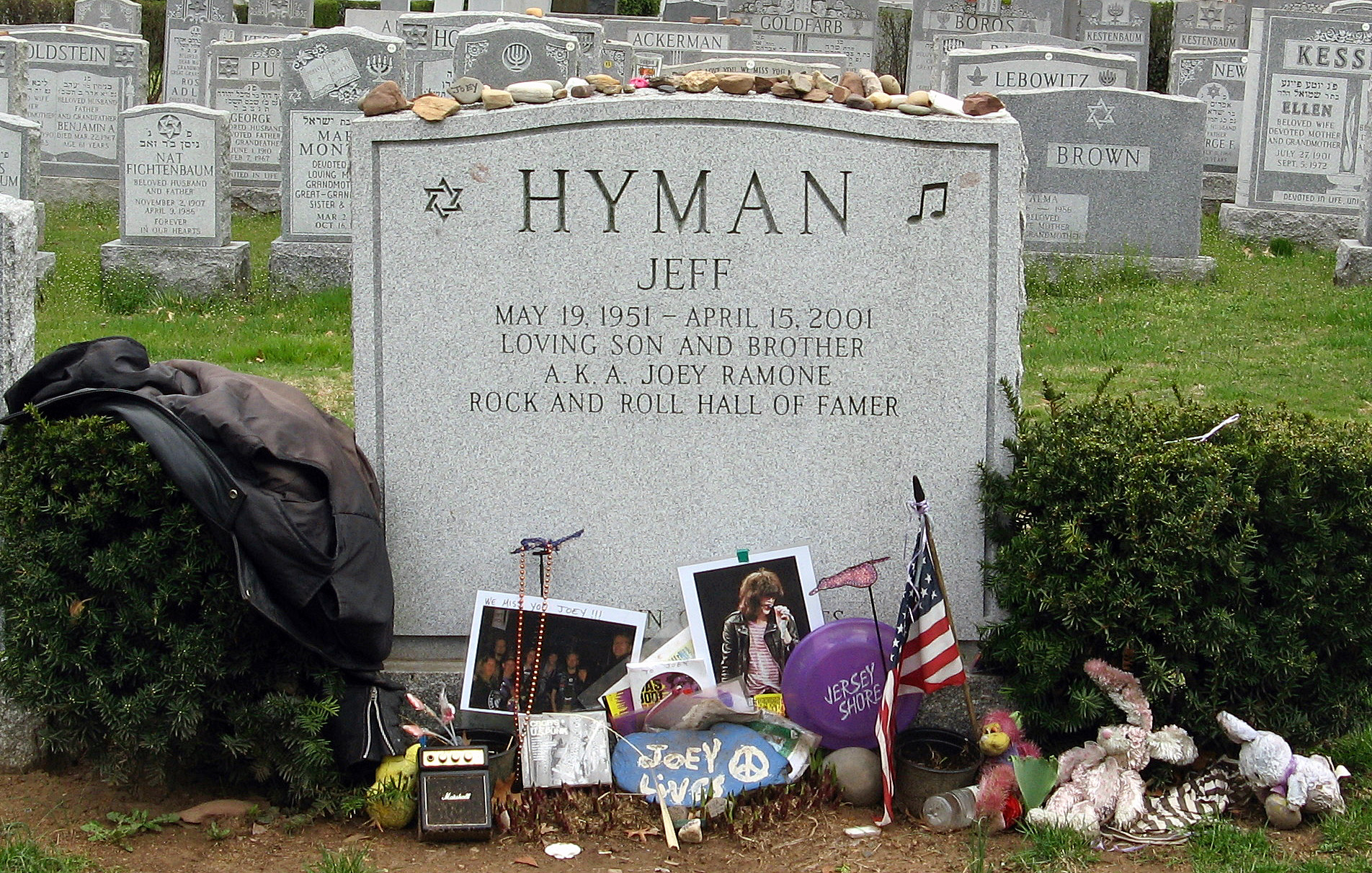
The Ramones made minimalism into a production weapon. At a time when rock records were getting bigger and more ornate, this debut reduced punk to its core mechanics: fast downstrokes, blunt drums, dead-simple bass movement, and vocals that sounded like a threat and a joke at the same time. The album’s power comes from arrangement discipline. The songs are short, the tones are dry, and every part has a job.
Production takeaway: When the arrangement is this stripped down, transients matter more than effects. Keep the kick and snare tight, avoid over-compressing the guitars, and resist the urge to “fill” empty space with overdubs. The Ramones are proof that directness can be a mix decision, not just a songwriting one.
2. Sex Pistols — Never Mind the Bollocks, Here’s the Sex Pistols (1977)
If The Ramones defined the grammar, the Sex Pistols defined the sneer. Never Mind the Bollocks is one of punk’s most important studio records because it balances chaos with muscle. The guitars are huge without sounding slick, the rhythm section punches hard, and Johnny Rotten’s vocal sits like a live wire on top of the track. It’s an album that understands tension: the songs sound like they might fall apart, but the production keeps them locked in just enough to maximize the danger.
Production takeaway: This is a masterclass in controlled distortion. The record benefits from a thick midrange, especially in the guitars, while the vocal remains aggressively forward. For modern mixes, the lesson is to preserve midrange presence instead of carving everything into hollow “hi-fi” shapes.
3. The Clash — The Clash (1977)
The Clash’s self-titled debut is raw, but not crude. That distinction matters. The record carries the urgency of the first-wave London scene while hinting at the band’s broader musical ambitions. Tracks hit with fast, bright guitar tones and a rhythm section that feels lean rather than underpowered. You can hear a band learning how to sound combative without sacrificing articulation.
Production takeaway: Punk doesn’t have to mean low-fidelity. If your arrangement has room for rhythmic detail, keep the low end controlled and let the guitars occupy the upper mids. The Clash show how to make a record feel immediate without turning it into white noise.
4. Buzzcocks — Another Music in a Different Kitchen (1978)
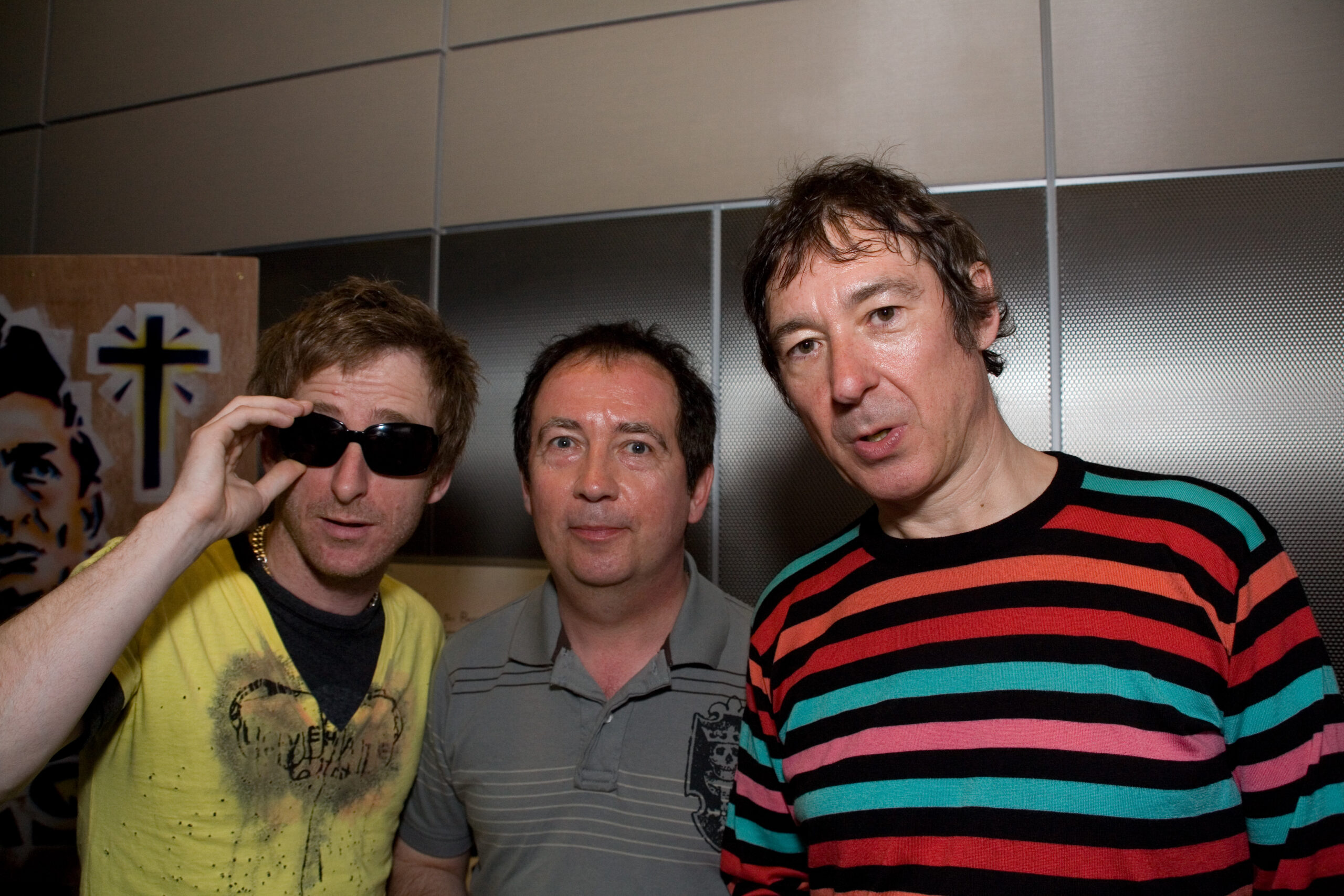
Buzzcocks brought melodic intelligence to punk without sanding off its edge. This debut is fast, lean, and harmonically sharper than much of its era, with hooks that land because the songs are built like miniature pop constructions. The guitars are wiry, the drums are upfront, and the vocal melodies create contrast against the band’s velocity.
Production takeaway: Melody is a mixing tool. When a punk track has strong topline movement, it can tolerate more abrasion in the rhythm section. Use that to your advantage: keep vocals intelligible and use guitar saturation as texture rather than blanket distortion.
5. Dead Kennedys — Fresh Fruit for Rotting Vegetables (1980)
Dead Kennedys turned punk into a sharper political instrument, and their debut album sounds as acerbic as the lyrics. The guitars slash instead of chug, the bass often acts like a melodic counterweight, and Jello Biafra’s vocal delivery makes every phrase feel like a broadcast from the edge of a riot. The record is less about brute force than precision under pressure.
Production takeaway: Fast punk gets muddy when every instrument sits in the same frequency band. This album is a reminder to give the bass definition in the upper mids and leave room for vocal intelligibility, especially when the lyrical content is central to the record’s identity.
6. Black Flag — Damaged (1981)
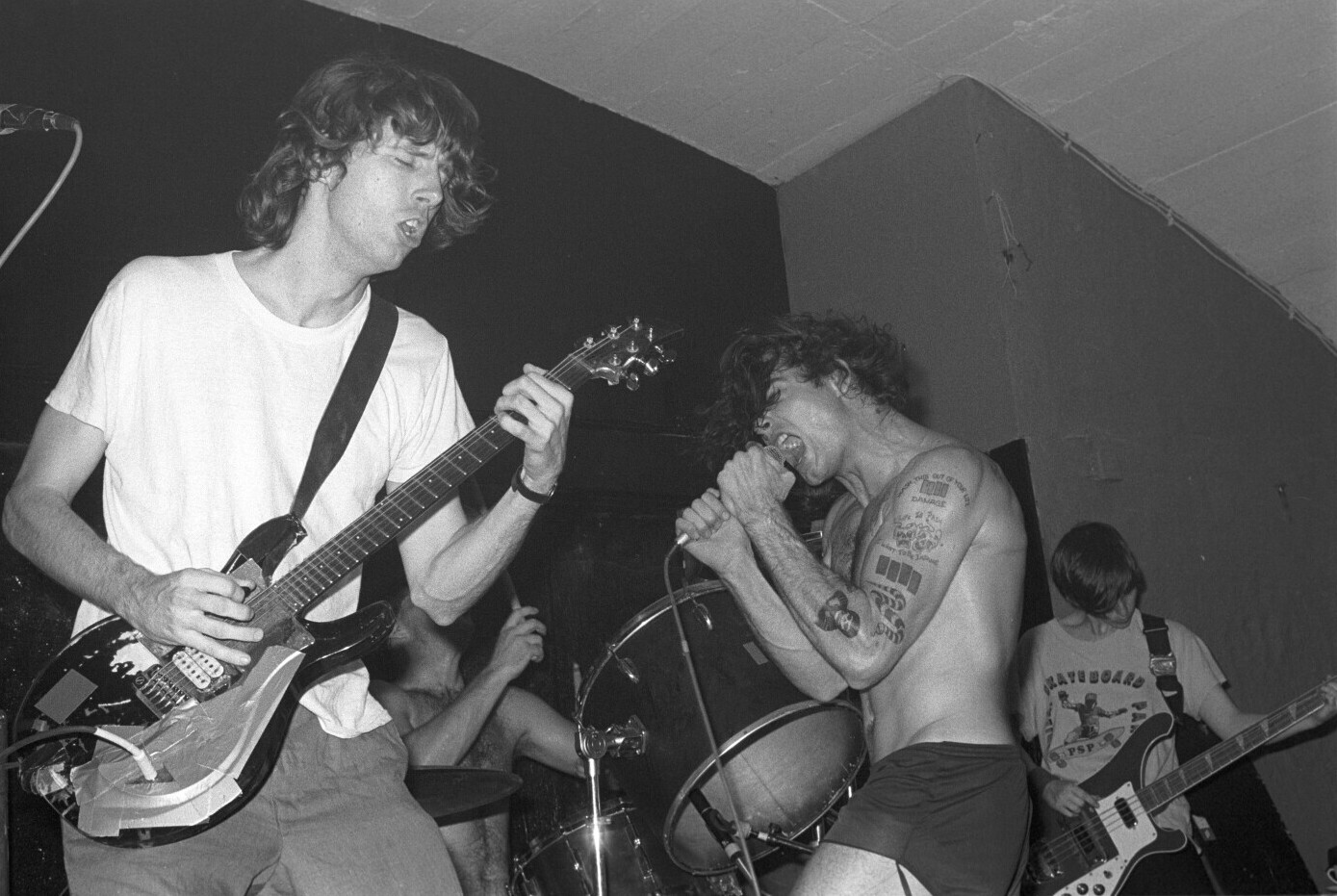
Damaged is one of punk’s most visceral records, and its impact depends on refusal. The performances are feral, but what makes the album lasting is how directly it documents that ferocity. Henry Rollins’ vocals are almost physically confrontational, the guitars are jagged and confrontational in kind, and the drums carry enough swing to keep the chaos moving forward.
Production takeaway: Not every punk mix should sound polished, but it should sound intentional. The trick is to preserve impact without flattening dynamics completely. Leave room for the band to breathe between attacks so the aggression feels human instead of looped.
7. Bad Brains — Bad Brains (1982)
This debut is one of the most technically explosive records in punk history. Bad Brains combined hardcore speed with astonishing musicianship, and the result is an album that still sounds unusually precise for its era. The playing is tight enough to survive the tempo, and the band’s switches between hardcore and reggae passages create a dynamic range that many punk records never attempt.
Production takeaway: Contrast is part of power. If every section of a record is equally intense, nothing feels intense for long. Bad Brains prove that dynamic arrangement—not just compression—keeps a fast record engaging from start to finish.
8. Descendents — Milo Goes to College (1982)
Milo Goes to College is the punk album that made vulnerability and acceleration coexist naturally. The songs are brisk and melodic, but the emotional content is surprisingly specific, even self-aware. That combination became foundational for countless later pop-punk and melodic hardcore bands. It’s a record that understands how to be brief without being disposable.
Production takeaway: The best punk records often work because they leave no time for filler. In the studio, that means editing decisions are artistic decisions. Keep intros short, get to the vocal early, and make sure the chorus lands as a reward rather than a reset.
9. Minor Threat — Minor Threat (1983)
Minor Threat’s self-titled release is hardcore as a structural idea: fast songs, disciplined performances, and a refusal to stretch beyond what the material needs. The guitar tone is dry and urgent, the rhythm section is taut, and the vocals are delivered with zero ornamental excess. Few records embody the “no wasted motion” principle as completely.
Production takeaway: Hardcore relies on envelope management. If the attack is too soft or the release too smeared, the whole song loses its shape. Tight edits, controlled room ambience, and disciplined arrangement choices matter more here than elaborate processing chains.
10. Hüsker Dü — Zen Arcade (1984)
Zen Arcade is the album on this list that expands punk into something closer to a full emotional and sonic world. It’s sprawling, noisy, melodic, and structurally ambitious, yet it never loses the genre’s urgency. The record shows what happens when punk songwriting starts absorbing larger textures without abandoning momentum.
Production takeaway: Punk can scale up if the core identity stays intact. You can widen the stereo field, introduce cleaner melodic elements, or experiment with longer forms, but the foundation still has to feel like a live band pushing air. The record’s ambition works because the performances never feel detached from the room.
What modern producers can borrow from punk’s best records
The common thread across these albums isn’t distortion, speed, or even rebellion. It’s decision-making. Every classic punk record solves a practical problem: how to make a small band sound massive, how to keep a performance dangerous on tape, how to make limited resources feel like a deliberate aesthetic. That’s why these albums still matter to producers who may never book a punk band in their life.
If you’re chasing this sound today, focus on a few fundamentals. Track guitars with enough saturation to create density, but don’t erase pick attack. Keep drums punchy and tuneful rather than oversized. Let vocals live in the front of the mix, even if they’re ragged around the edges. Most important, avoid over-editing the performance until the track loses its pulse. Punk records age well when they sound like people making real decisions in real time.
The enduring lesson of punk’s canon
The top punk albums of all time are not just historical artifacts. They are templates for clarity, urgency, and emotional compression. Whether you’re producing a three-chord ripper or building a modern track that borrows punk’s ethos, these records remain useful because they answer a question every producer eventually faces: what should be left out so the essential thing can hit harder?
That question is why punk still matters. Not because it was simple, but because it was disciplined enough to make simplicity sound explosive.
Image: David List 2020.jpg | https://www.flickr.com/photos/lexware-mountainbike-team/50370801062/in/album-72157716188052086/ | License: CC0 | Source: Wikimedia | https://commons.wikimedia.org/wiki/File:David_List_2020.jpg