10 Indie Rock Albums That Redefined the Modern Production Playbook
These records didn’t just define indie rock’s emotional vocabulary—they changed how producers think about space, texture, and impact. Here’s the essential listening list, with the studio lessons hiding in plain sight.

Why these albums still matter
“Indie rock” is too often treated like a vibe instead of a production language. But the records that actually shaped the genre were not just culturally important—they solved real studio problems in memorable ways: how to make a song feel intimate without sounding small, how to keep distortion emotional instead of muddy, how to let drum overheads carry excitement without washing out the arrangement, and how to make imperfections feel intentional. This list focuses on albums that became reference points because they changed the way artists, engineers, and producers heard what a rock record could be.
Some of these records are loud and compressed, others are stark and wide open. Some lean on tape hiss and room tone; others are precision-built around layered guitars and brittle transients. Together, they form an unofficial syllabus for modern indie rock production.
1. The Strokes — Is This It (2001)

File:Nick valensi 2dollarbill.jpg
File:Albert Hammond, Jr. 2013.jpg
File:Nikolai Fraiture.jpg
File:Fabrizio Moretti (The Strokes).jpg | License: CC BY-SA 3.0 | Source: Wikimedia | https://commons.wikimedia.org/wiki/File:The_Strokes.jpg
If you want to understand the early-2000s garage-rock revival, start here. The album’s sonic identity is almost anti-spectacle: clipped guitars, dry vocals, and a drum sound that feels boxed in just enough to create tension. That restraint is the trick. Rather than opening everything up, the mix keeps the band close, almost claustrophobic, which makes the hook-writing hit harder.
Production takeaway: The record proves that limited bandwidth can be a feature, not a flaw. If your arrangement already has strong riffs and melodies, you do not need massive stereo width to create urgency. Try narrowing the low mids, keeping guitars focused in the midrange, and letting vocal phrasing do the heavy lifting.
2. Arcade Fire — Funeral (2004)
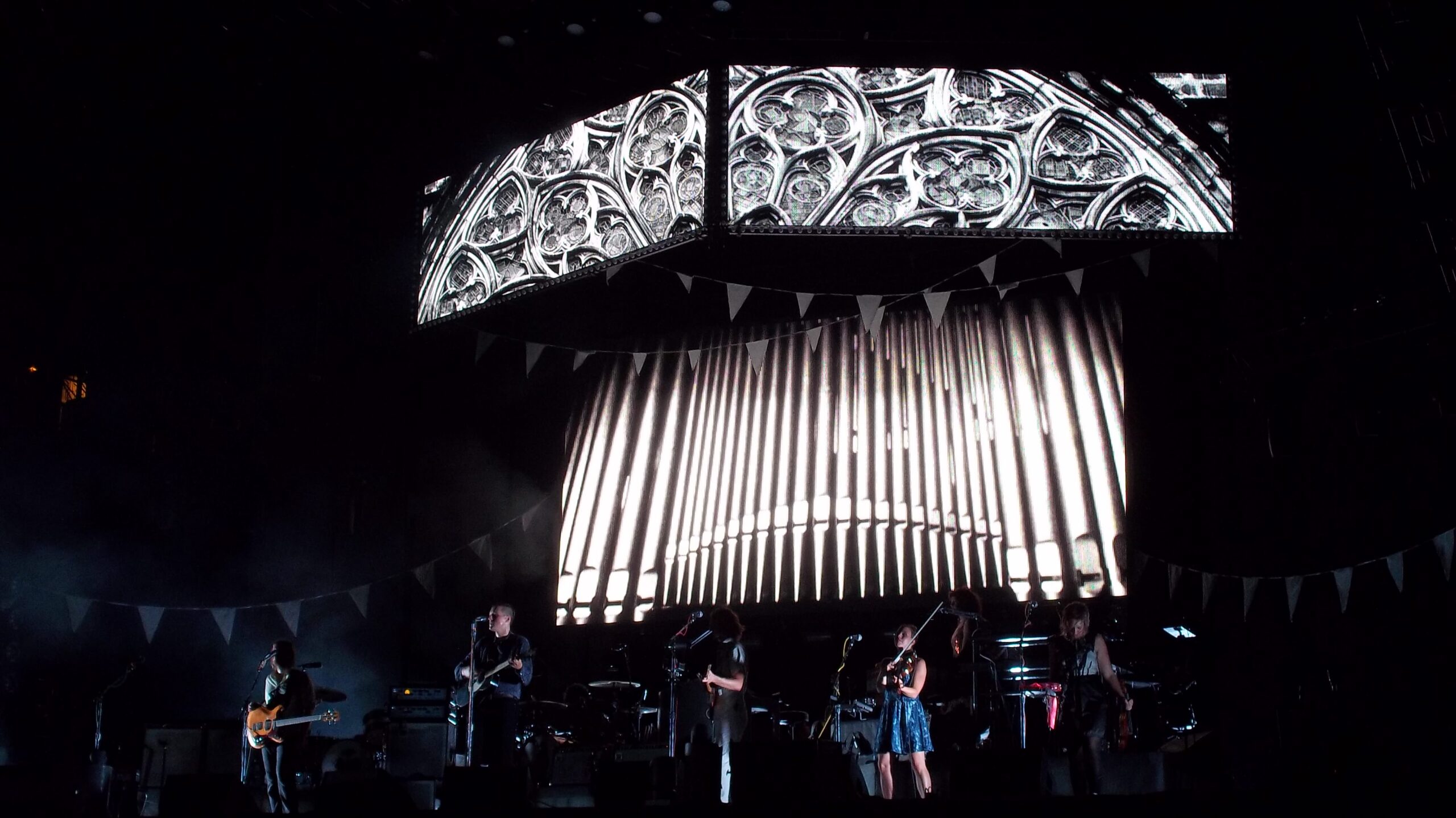
Funeral is indie rock as emotional architecture. The album’s power comes from scale: stacked instrumentation, moving dynamics, communal gang vocals, and arrangements that seem to swell from chamber music into a collapse. It feels human because it is slightly unruly. You can hear room energy, performance push, and the sense that every part is reacting to every other part.
Production takeaway: This is a masterclass in density management. The record stays legible because not every instrument occupies the same register at once. If you are arranging a large indie-rock track, think in layers of motion: one element carrying rhythm, another carrying harmonic lift, another adding noise or texture. Let the arrangement breathe by automation, not just EQ.
3. Modest Mouse — The Moon & Antarctica (2000)
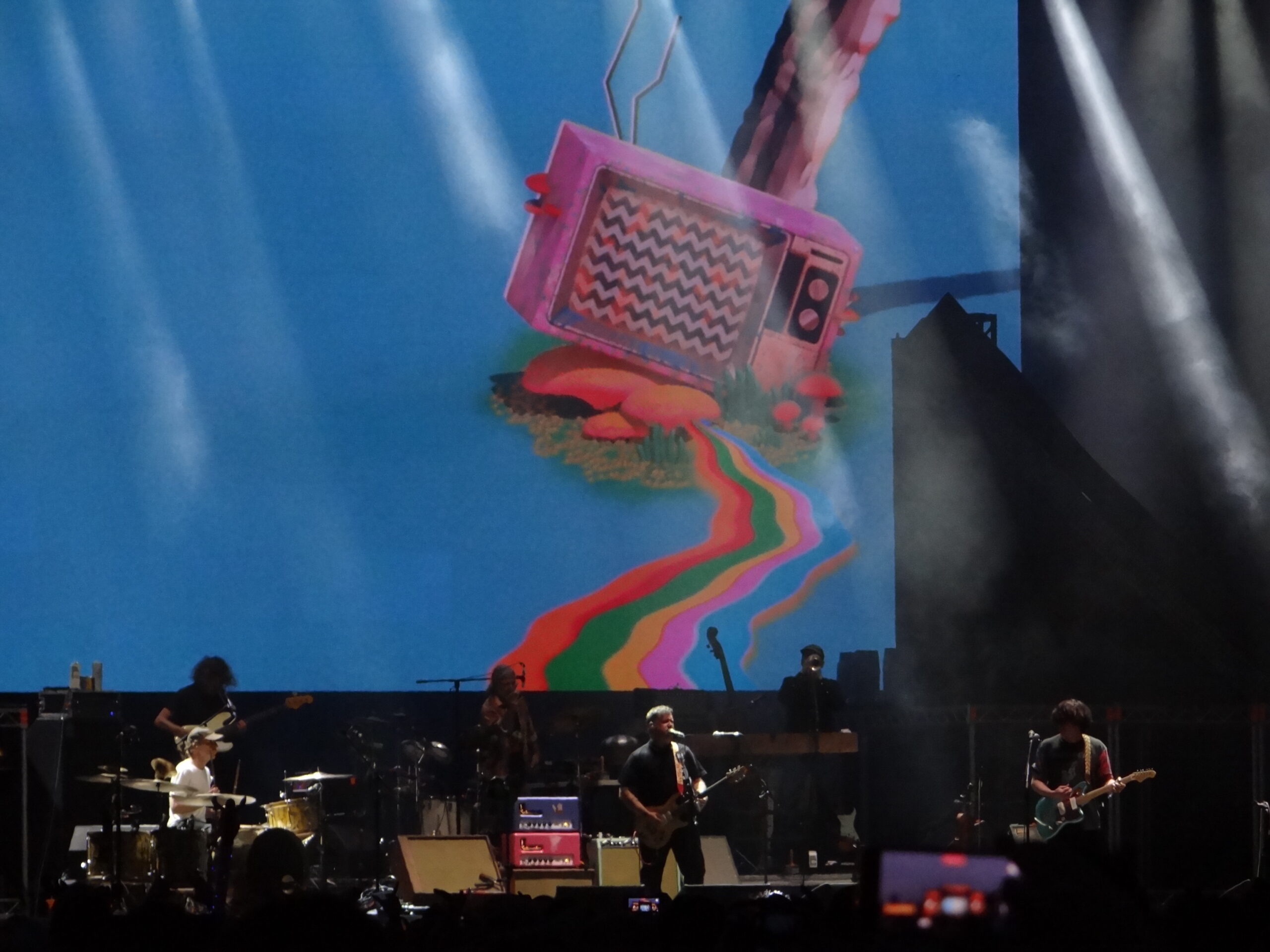
This album is one of the great examples of indie rock becoming expansive without losing its weirdness. The guitar tones are often wiry and unstable, the rhythms feel agile but never polished to the point of sterility, and the production leaves enough negative space for the songs to feel almost cosmic. It is an album about scale, but not in a glossy “bigger is better” way.
Production takeaway: Contrast is the key here. Pair dry, immediate elements with effects-drenched textures so the listener always has a reference point. The best tracks on this record feel like they are constantly balancing intimacy against distance—a useful template for modern indie mixes that need width without losing emotional focus.
4. Interpol — Turn On the Bright Lights (2002)
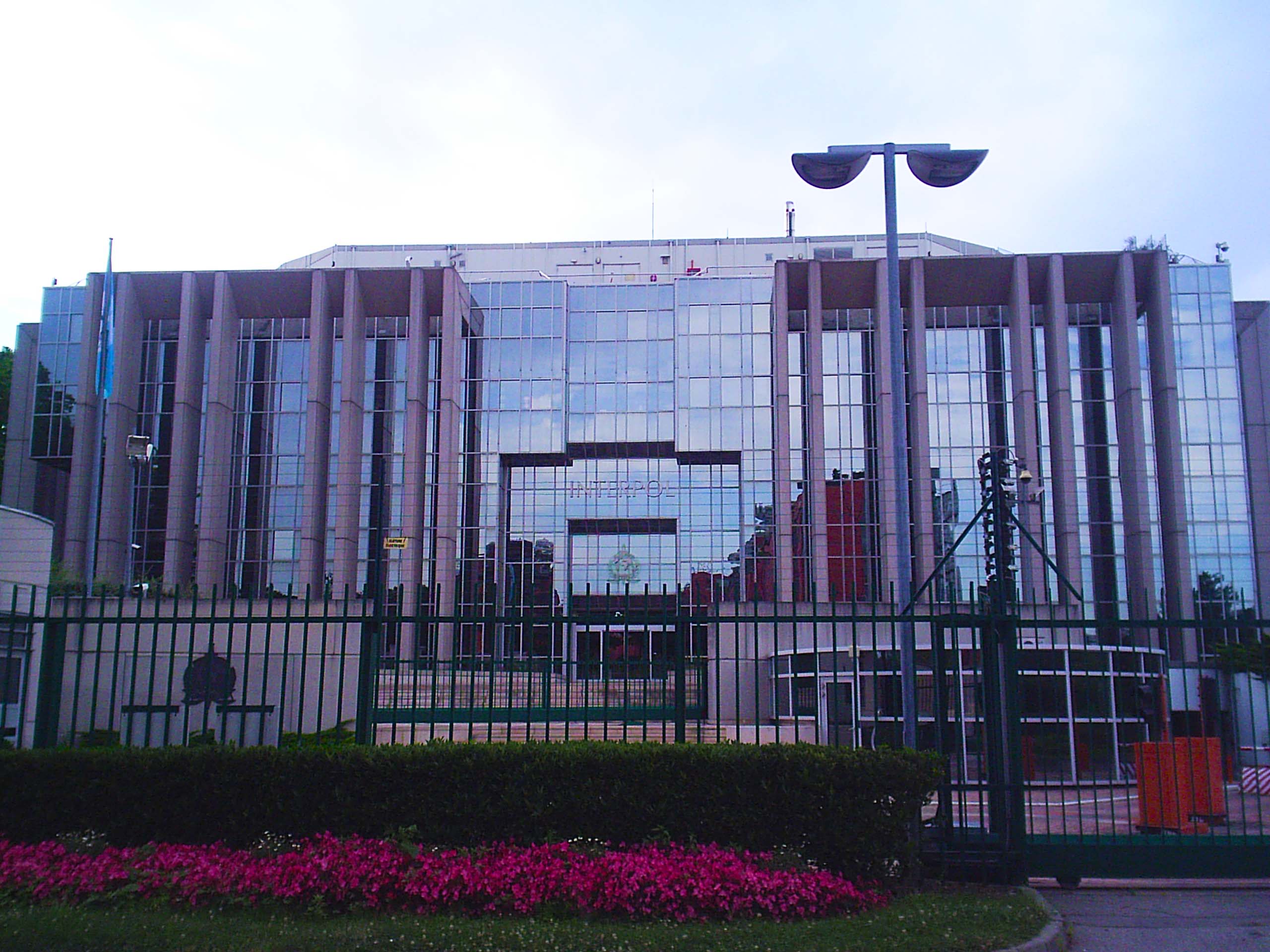
If you have ever chased that cold, architectural post-punk indie sound, this album is the north star. The bass lines are melodic and central, the drums are tight and dry, and the guitars are often more about contour than chord fireworks. The whole mix feels upright, angular, and intentionally dark. Nothing is overly saturated, which gives the record its tension.
Production takeaway: Low-end discipline is everything. The bass is not merely supporting the track; it is defining its emotional center. To emulate this kind of clarity, keep kick and bass roles distinct, reduce low-frequency masking, and avoid stacking too many broad reverb tails in the same frequency space.
5. Yo La Tengo — I Can Hear the Heart Beating as One (1997)

This is one of indie rock’s most versatile records, moving from hushed, almost domestic arrangements to noisy, feedback-rich payoffs without feeling like a compilation. That range is exactly why producers still study it. The album knows when to sound handmade and when to sound widescreen. Its strength is not a single sonic signature, but the confidence to let each song define its own room.
Production takeaway: Think of the album as a lesson in format flexibility. A strong indie record does not need one unchanging sonic preset. Build a palette, then vary the depth, ambience, and intensity from song to song so the record feels alive rather than locked into one texture.
6. The Shins — Chutes Too Narrow (2003)
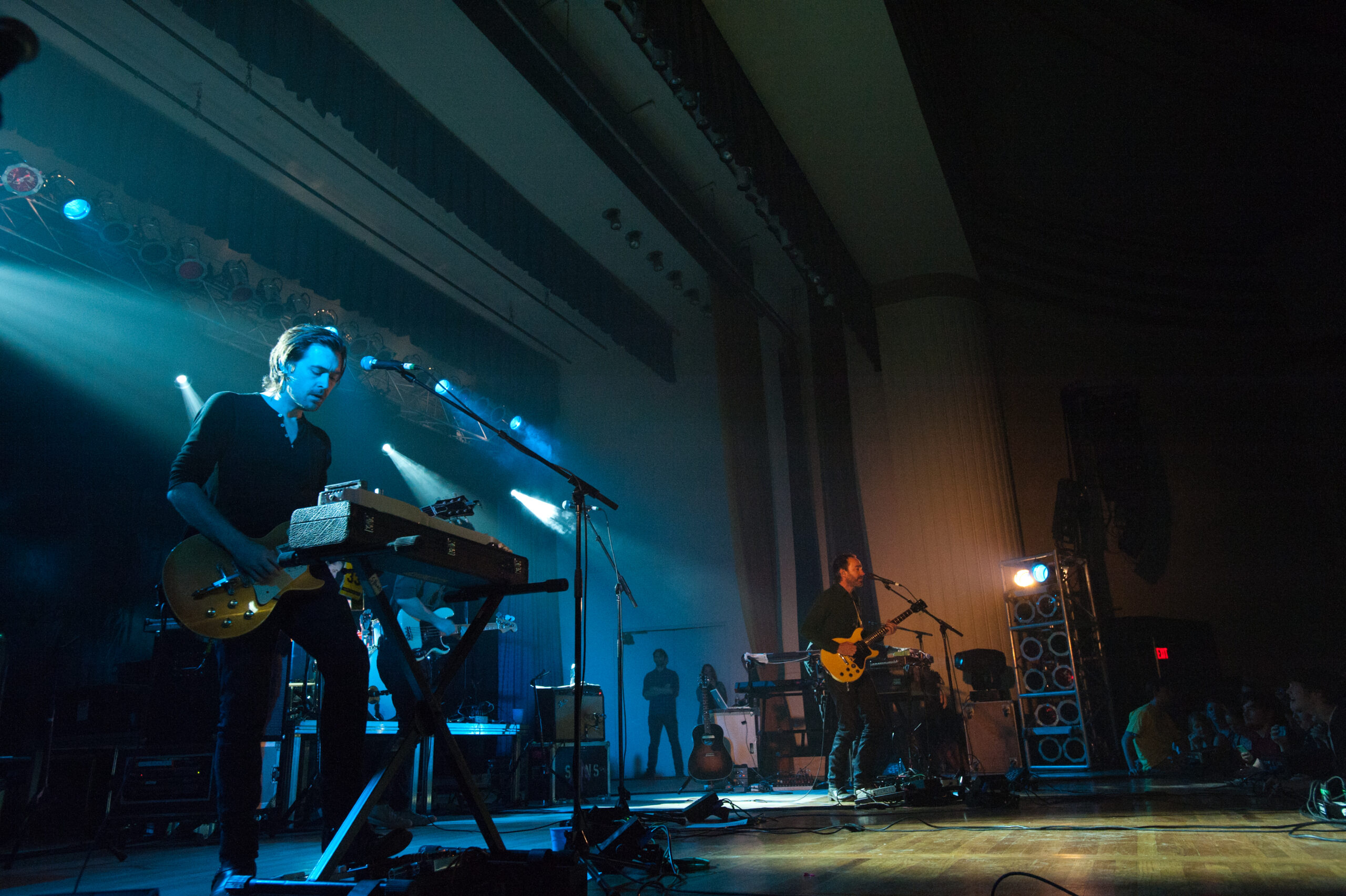
Few albums in indie rock history are as good at making melodic detail feel effortless. The guitars are bright but not brittle, the arrangements are compact, and the vocals sit with just enough polish to keep the songs buoyant. This is a record where precision supports charm rather than replacing it.
Production takeaway: Arrangement economy matters. The songs work because parts are trimmed to their most useful function. If a chorus feels crowded, remove the obvious layer before reaching for more processing. In indie production, clarity often comes from subtraction, not enhancement.
7. TV on the Radio — Return to Cookie Mountain (2006)
This album expanded what indie rock could sound like in a post-digital era. It blends noise, harmony, groove, and electronic texture without letting any one element dominate for too long. The sound is dense but carefully staged, with vocals often functioning like another texture in the arrangement rather than a single lead object floating on top.
Production takeaway: Treat vocals as arrangement material, not just narrative carriers. Layered harmonies, call-and-response phrases, and textural processing can make a track feel larger without resorting to obvious arena-rock tricks. This record is especially useful if you are trying to make hybrid indie arrangements feel unified.
8. Fleet Foxes — Fleet Foxes (2008)
Harmony is the headline here, but the production lesson is even deeper: the album understands how arrangement spacing can make vocals feel almost celestial. Acoustic guitars, percussion, and stacked voices are placed with enough room that the record never collapses into blur. It sounds pastoral, but it is carefully engineered pastoralism.
Production takeaway: If your track depends on vocals, resist the urge to over-thicken everything underneath them. Use sparse rhythmic support, controlled ambience, and careful panning to let the harmonies bloom. The illusion of natural openness usually requires very deliberate mix decisions.
9. Tame Impala — Innerspeaker (2010)
Although often filed adjacent to psych-rock, Innerspeaker is essential to understanding modern indie’s production evolution. Kevin Parker’s approach turned vintage textures into a contemporary solo-project language: heavy drum ambience, swirling modulation, saturated guitars, and a deep commitment to sonic motion. The record is immersive because almost nothing sits still.
Production takeaway: Movement is a production tool, not just a psychedelic flourish. Small LFO modulation, subtle automation on reverbs and delays, and deliberate changes in harmonic saturation can keep repetitive parts from feeling static. If your song loops hard, movement becomes your arrangement.
10. Alvvays — Antisocialites (2017)
This is modern indie-rock polish done right. The record is clean enough to be immediately accessible, but not so slick that it loses its emotional edge. The guitars shimmer, the drums punch without overpowering the vocal melodies, and the whole mix feels built for repeat listening. It is proof that clarity and character are not opposites.
Production takeaway: This album is a great reference for contemporary indie balance. The low end is controlled, the high end is airy without becoming harsh, and the vocals stay intelligible even during fuller passages. If your mixes tend to drift between lo-fi murk and overprocessed gloss, this is a strong midpoint reference.
What these albums teach producers now
The biggest lesson across this list is that indie rock production is not one sound—it is a series of choices about restraint, texture, and emotional framing. These records became important because they found distinct answers to the same recurring problems: how to preserve band chemistry, how to keep arrangements intelligible, how to make rough edges feel expressive, and how to turn limitations into identity.
For producers and engineers, that means listening beyond the songs. Pay attention to vocal placement, drum room size, guitar layering strategy, low-end discipline, and how much ambience is actually being used. The most influential indie records are rarely the loudest or the cleanest. They are the ones that make a particular production decision feel inevitable.
If you are building your own indie-rock palette, start with these ten albums as references, not templates. Borrow the logic: dry versus wet, dense versus sparse, intimate versus epic, raw versus refined. That is where indie rock stops being a genre tag and starts becoming a production approach.
Image: Яйца всмятку или денатурация альбумина.jpg | Own work | License: CC BY 4.0 | Source: Wikimedia | https://commons.wikimedia.org/wiki/File:%D0%AF%D0%B9%D1%86%D0%B0_%D0%B2%D1%81%D0%BC%D1%8F%D1%82%D0%BA%D1%83_%D0%B8%D0%BB%D0%B8_%D0%B4%D0%B5%D0%BD%D0%B0%D1%82%D1%83%D1%80%D0%B0%D1%86%D0%B8%D1%8F_%D0%B0%D0%BB%D1%8C%D0%B1%D1%83%D0%BC%D0%B8%D0%BD%D0%B0.jpg