10 Indie Rock Albums That Quietly Rewired the Genre
These ten indie rock albums didn’t just define a moment—they established production templates, guitar textures, and songwriting habits that still shape records today. Here’s what to listen for, why they matter, and what producers can steal from them.
Why these albums still matter
“Indie rock” is often treated like a vibe, but the best records in the genre are also masterclasses in arrangement, tone, and restraint. The albums below earned their place not because they were the loudest or the most polished, but because they found a way to make limited budgets, unusual textures, and emotionally direct writing feel like a complete artistic language.
If you produce music, there’s a lot to steal here: how to make a lo-fi vocal sound intentional, how to layer guitars without turning the mix to mud, how to create impact with simple drum parts, and how to let an imperfect performance become part of the record’s identity. Think of this list as both a listening guide and a field manual.
1. The Velvet Underground & Nico — The Velvet Underground & Nico (1967)
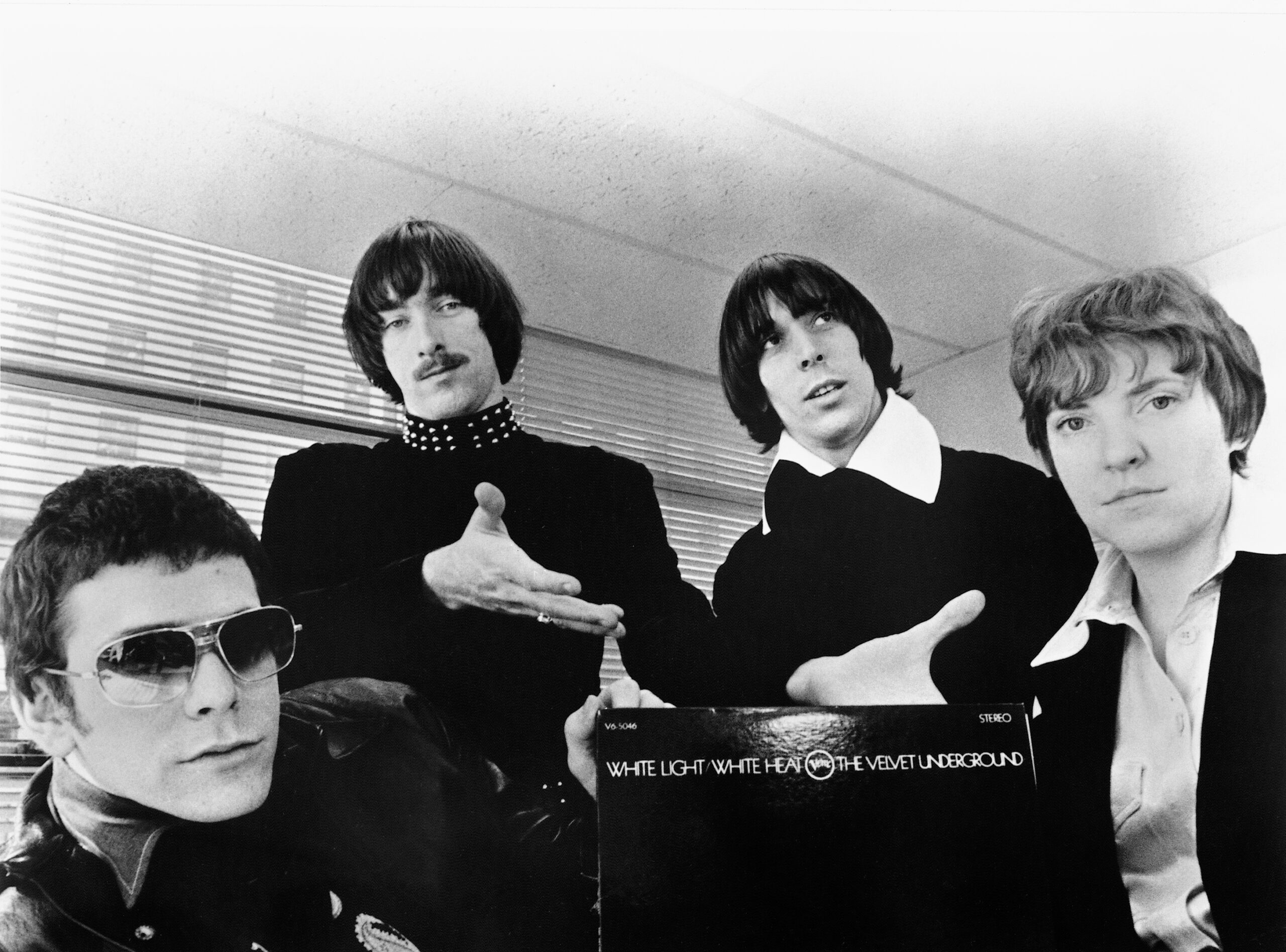
Immediate source: A scan accompanied "Overloaded: The Story of White Light/White Heat by David Fricke at Mojo. This scan crops out the publicity photo information/credits; an alternate, lower resolution version can be found on page 25 of The Velvet Underground Handbook (via the Internet Archive). Also compare this publicity photo from the same session, also found in the Mojo article, which does include the publicity photo info. | License: Public domain | Source: Wikimedia | https://commons.wikimedia.org/wiki/File:Velvet_Underground_WLWH_publicity_photo.jpg
Yes, it predates the modern indie era, but this album is a foundational document for nearly everything that followed. The arrangements are deceptively sparse, the performances are dry and direct, and the songwriting moves between drone, pop, and confrontational minimalism without ever sounding overproduced.
Production takeaway: The record’s power comes from leaving space around the parts. Instead of chasing fullness with endless overdubs, use contrast: one guitar part carrying harmonic weight, another adding rhythmic edge, and vocals that sit forward rather than buried in ambience.
2. R.E.M. — Murmur (1983)
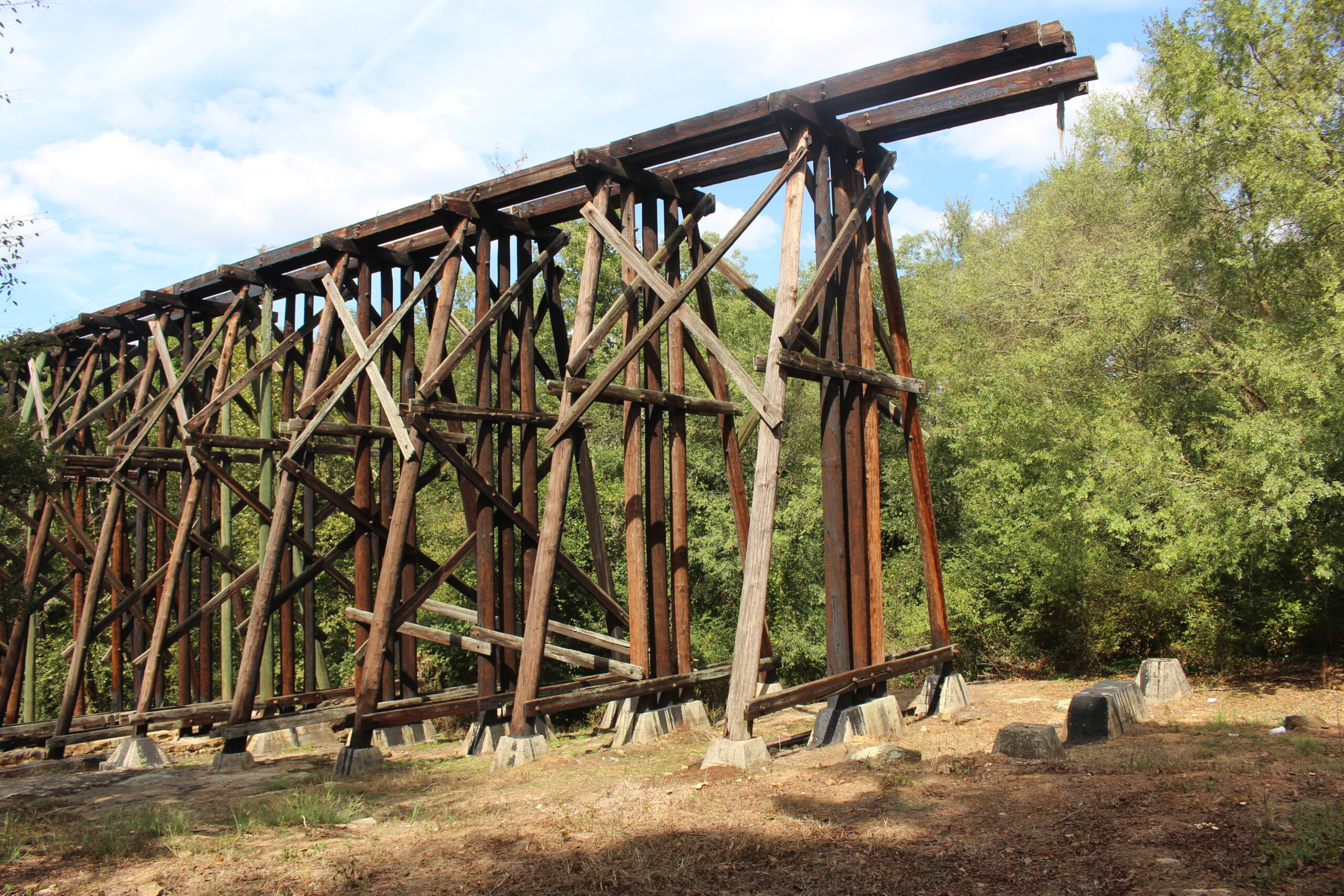
Murmur helped define what American indie rock could sound like: jangly but not glossy, cryptic but emotionally legible, loose but highly considered. The guitars interlock rather than compete, and the rhythm section keeps everything grounded while still feeling slightly off-center in a way that gives the album its personality.
Production takeaway: Jangle works best when each guitar occupies a distinct frequency lane. One player can live in the midrange with tight picking, while another uses chorus or open voicings to widen the stereo picture. Keep the bass articulate and the kick understated so the guitars retain motion.
3. The Smiths — The Smiths (1984)
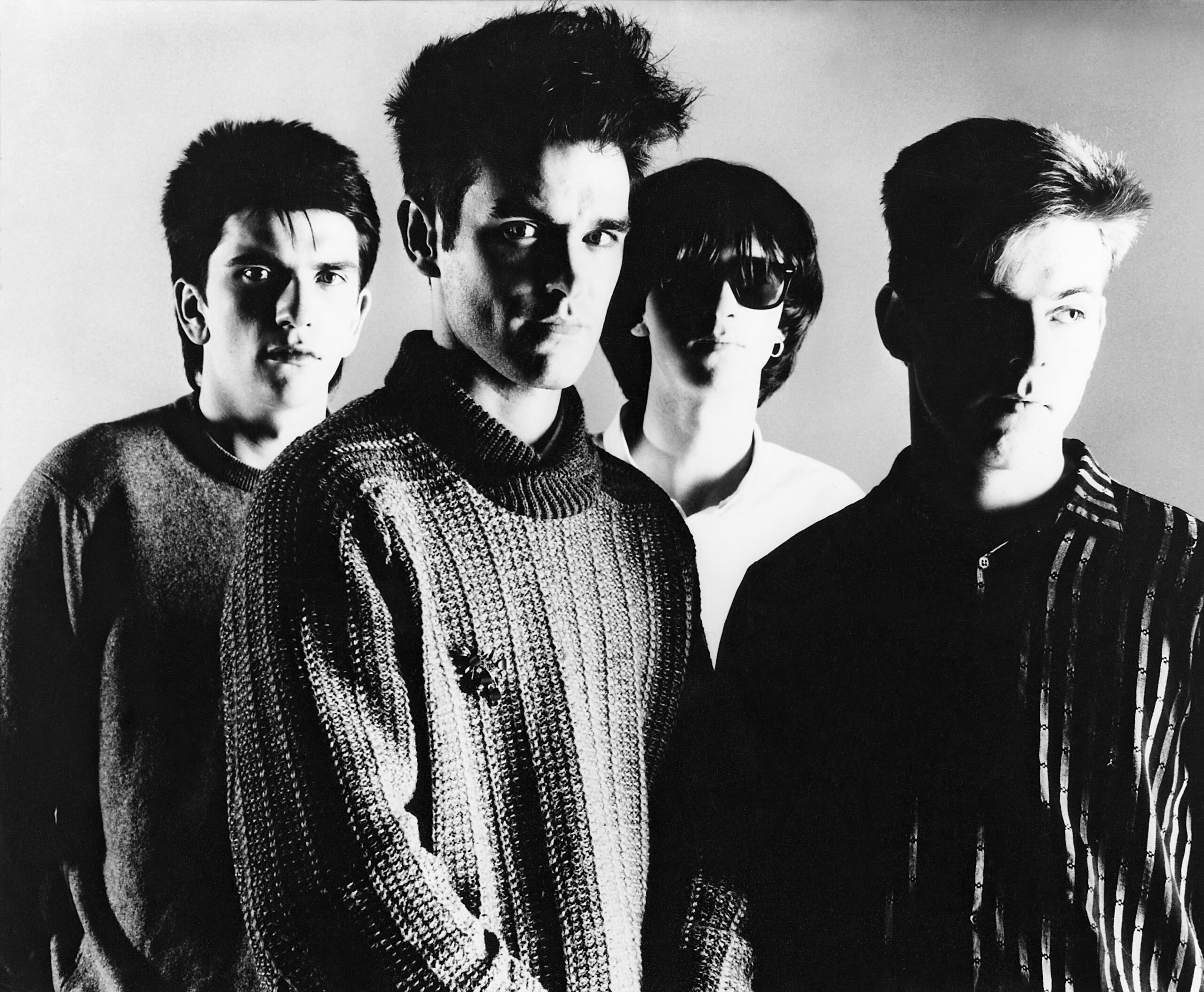
This debut is a clinic in guitar arrangement. Johnny Marr’s parts are never simply “rhythm” or “lead”; they’re woven, melodic counterlines that leave room for the vocal and create constant movement. The songs feel emotionally huge without needing heavy production to get there.
Production takeaway: If your arrangement feels flat, write a second guitar part that answers the first instead of doubling it. Use arpeggios, partial chords, and melodic fragments to create lift. The goal is a conversation, not a wall.
4. Pixies — Doolittle (1989)

Doolittle is one of the cleanest examples of dynamics-driven indie rock. The quiet-loud shifts aren’t accidental; they’re the song’s engine. Black Francis’s vocals can sound unhinged, but the band’s structural discipline is what makes the chaos land.
Production takeaway: Build arrangements around contrast. Let verses breathe with fewer transients and less low-end density, then make the chorus feel physically larger by opening the drum kit, widening guitars, or automating vocal intensity rather than just turning everything up.
5. Pavement — Slanted and Enchanted (1992)

Pavement turned looseness into an aesthetic strategy. The album sounds casual, even ragged, but the writing is sharp and the textures are carefully balanced. Its charm comes from the sense that the band is preserving the human edges instead of sanding them off.
Production takeaway: Don’t over-quantize every performance. Slight timing inconsistencies can create momentum if the parts still lock emotionally. The key is editing for feel, not perfection. Leave some grime in the drums, some friction in the guitars, and some unvarnished vocal phrasing.
6. Built to Spill — Perfect From Now On (1997)
This album stretches indie rock into something expansive and almost orchestral without abandoning guitar-band fundamentals. Doug Martsch’s layered guitars are central, but the songs never collapse under their own ambition because the arrangements keep evolving rather than stacking aimlessly.
Production takeaway: Long songs need motion. Introduce new guitar textures, alternate picking density, or dynamic drum shifts every 16 or 32 bars so the listener feels progression. Repetition is effective when the arrangement keeps changing just enough to stay alive.
7. Neutral Milk Hotel — In the Aeroplane Over the Sea (1998)
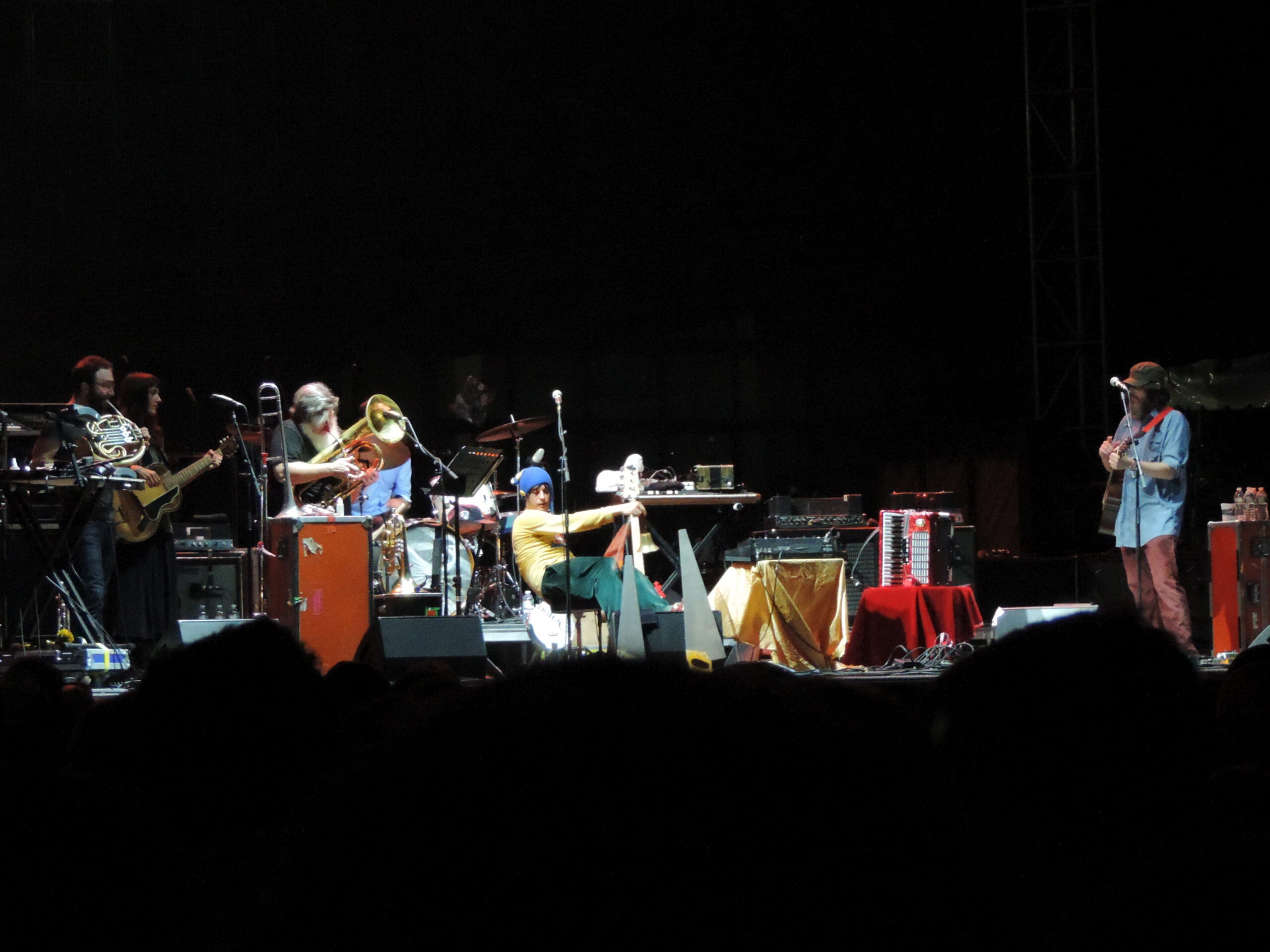
This record is a study in emotional maximalism built from unconventional sounds. The acoustic core is surrounded by horns, distortion, tape-like roughness, and performances that feel both intimate and delirious. It’s raw, but not random—every texture reinforces the emotional scale.
Production takeaway: If you want a track to feel unfiltered, don’t just add distortion. Think in layers of timbre. Pair dry acoustic elements with one or two highly characterful instruments, then let room tone, saturation, and performance intensity do the heavy lifting.
8. The Strokes — Is This It (2001)
Is This It made garage-leaning indie feel sleek, cool, and immediately exportable. The guitars are sharp and interlocking, the drums are tight and dry, and the vocal delivery sits just behind the beat in a way that creates swagger without bloating the mix.
Production takeaway: Dry drums and controlled ambience can make a record feel expensive even when the parts are simple. Use short rooms, restrained compression, and tight edits to keep the energy focused. Then let guitar tone provide the attitude.
9. Interpol — Turn On the Bright Lights (2002)
This album translates post-punk atmosphere into a polished indie framework. The bass and drums are locked into a dark, elegant pocket, while the guitars and vocals create a sense of distance and urgency at the same time. The result is cold on the surface but emotionally charged underneath.
Production takeaway: For moody indie tracks, separate “space” from “wash.” Use delay and reverb deliberately so vocals remain intelligible. A dark mix doesn’t have to be muddy; carve the low mids, keep the bass focused, and let ambience sit above the core rhythm section.
10. Arcade Fire — Funeral (2004)
Funeral brought communal scale back into indie rock. The arrangements feel like they’re constantly swelling, but the album avoids chaos by giving each section a clear role. Strings, percussion, keys, and guitars all serve a sense of lift and release.
Production takeaway: When arranging large ensembles, treat the track like a cinematic mix. Keep the low end disciplined, automate layers in and out, and use register separation so that not everything occupies the same emotional height at once.
What modern producers can learn from these records
Across these ten albums, a few patterns show up again and again. First, indie rock often gains power from identity over polish: the records feel like themselves because their sonic limitations became part of the style. Second, arrangement matters more than gear worship. A great guitar tone won’t save an overcrowded mix, and a cheap mic can sound compelling if the performance and placement are right. Third, dynamics are the genre’s secret weapon. Whether it’s the quiet-loud architecture of Pixies or the slow-build tension of Built to Spill, movement is what keeps the songs alive.
If you’re making indie rock now, start by asking a few practical questions: Does every guitar part have a job? Is the vocal sitting too clean for the song’s emotional content? Are the drums serving impact or just volume? Can the chorus feel bigger without adding more tracks? Those questions usually tell you more than any plugin chain.
The short version
These albums aren’t just canonical indie rock releases—they’re production reference points. Study their guitar interplay, their restraint, their imperfections, and the way they use space as a compositional tool. That’s where the genre’s most durable ideas live.
And if you’re building your own indie rock sound, don’t just chase nostalgia. Borrow the techniques, not the clichés.
Image: Dendrobium secundum fma. album (Blume) Lindl. ex Wall., Numer. List n.º 1996 (1828) (28532029277).jpg | [Thailand] Dendrobium secundum fma. album (Blume) Lindl. ex Wall., Numer. List: n.º 1996 (1828) | License: CC BY 2.0 | Source: Wikimedia | https://commons.wikimedia.org/wiki/File:Dendrobium_secundum_fma._album_(Blume)_Lindl._ex_Wall.,_Numer._List_n.%C2%BA_1996_(1828)_(28532029277).jpg