10 Alternative Rock Albums That Set the Template for Everything That Followed
From lo-fi eruptions to radio-splitting anthems, these albums didn’t just define alternative rock—they established the production tricks, sonic textures, and cultural stakes that still shape the genre. Here’s what made them last, and what modern producers can still steal from them.
Why these albums still matter
Alternative rock was never just a sound. It was an attitude, a production philosophy, and, at its best, a way of making raw emotional intensity feel bigger than the room it was recorded in. The albums below didn’t simply become popular—they changed the vocabulary of rock music. They redrew the line between indie and mainstream, made abrasion commercially viable, and taught generations of musicians that texture could be as important as melody.
That’s what makes this list useful. These records are not just historical landmarks; they are living reference points for arrangement, tone, dynamics, and studio decision-making. If you produce, mix, or just obsess over how great records are made, each one offers something concrete: a drum sound, a vocal approach, a guitar layering trick, a bass tone, or a way of using space that still feels modern.
1. Nirvana — Nevermind (1991)
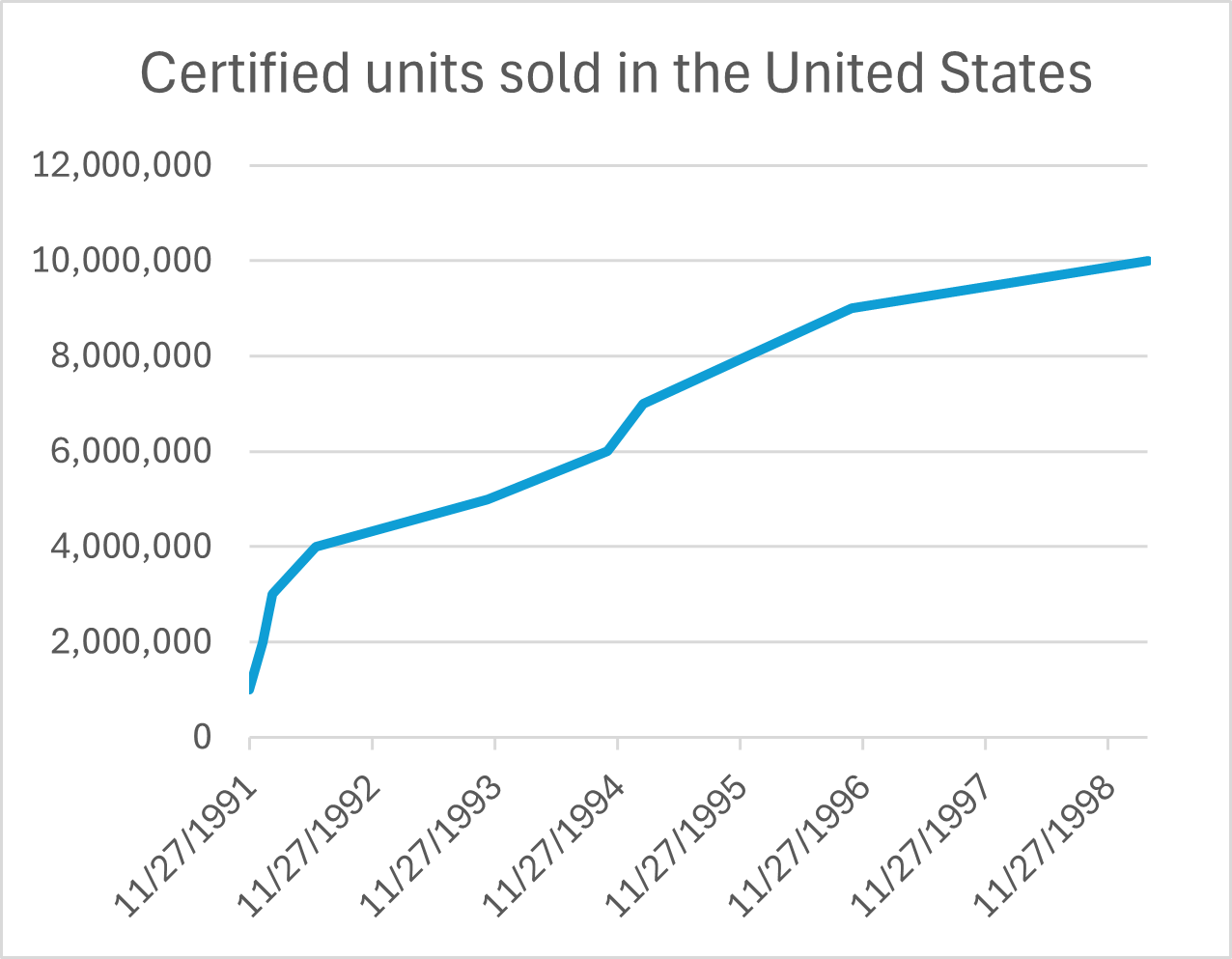
Nevermind is the album that dragged alternative rock into the center of popular culture. But its legacy is bigger than the famous singles. What made it devastating was the contrast between clean, disciplined studio clarity and songs that sounded emotionally on the edge of collapse. Butch Vig’s production gave Nirvana’s ragged dynamics a framework that made them hit harder: verse-to-chorus contrast, tight drum punch, and guitars that managed to feel both huge and jagged.
Production takeaway: The record is a masterclass in controlled impact. Listen to how the drums are compressed for presence without becoming flattened, and how the quiet-loud dynamic is arranged like a weapon. If you’re mixing rock, this is still a blueprint for making minimal instrumentation feel enormous.
2. R.E.M. — Automatic for the People (1992)
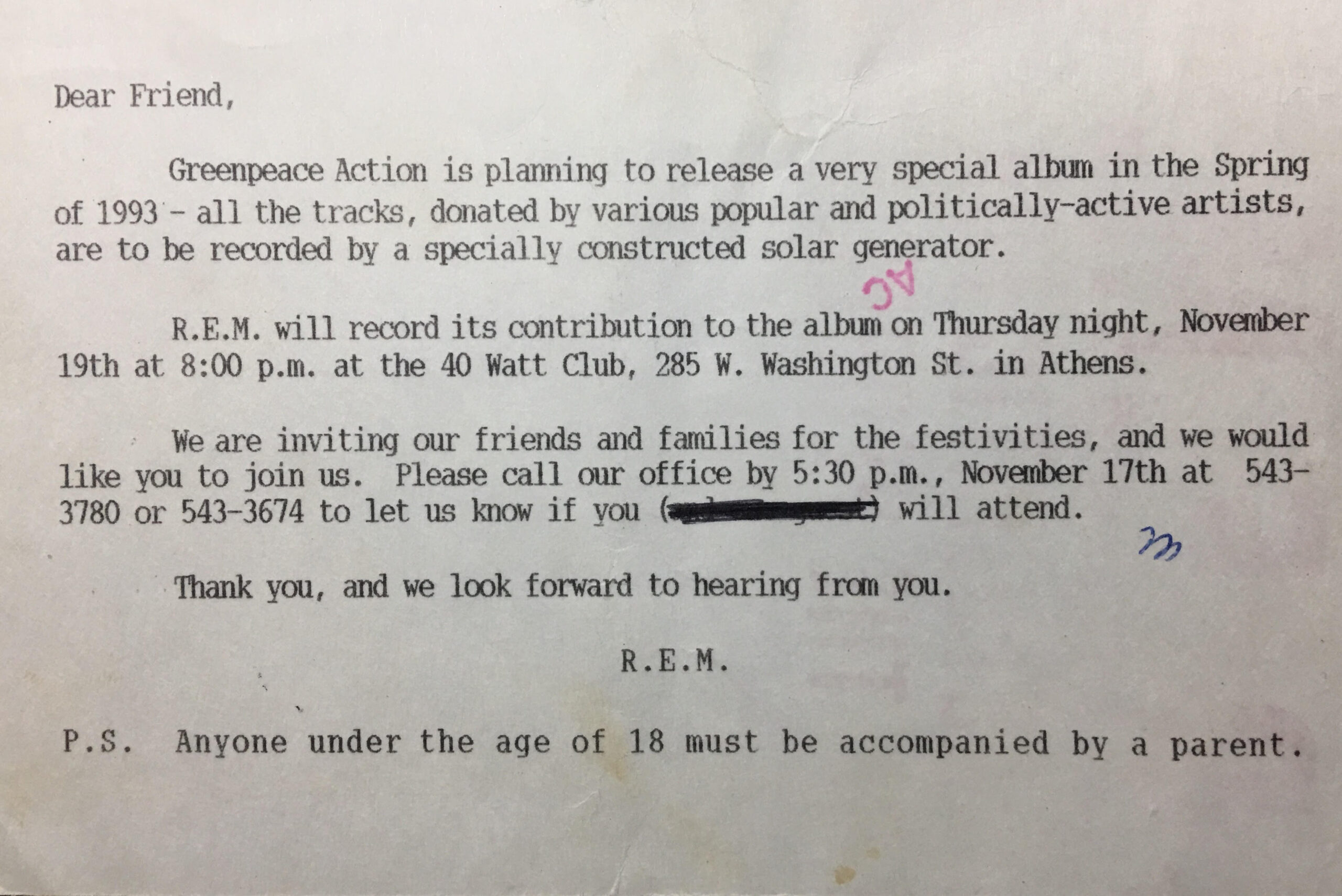
If Nevermind made alternative rock loud enough for the mainstream, Automatic for the People proved it could be intimate, reflective, and still culturally dominant. R.E.M. expanded the genre’s emotional range with restrained arrangements, orchestral touches, and songs that felt rooted in memory rather than rebellion. This album’s power lies in what it doesn’t do: no overplaying, no unnecessary density, just elegant songwriting and immaculate pacing.
Production takeaway: The record shows how leaving sonic space can create emotional weight. Acoustic instruments, mandolin, and subtle orchestration all occupy distinct lanes in the mix, which is why the album feels expensive without sounding overproduced. Great reminder: restraint is a production choice, not a lack of ideas.
3. Radiohead — The Bends (1995)

The Bends is the bridge between guitar-driven alt-rock and the more experimental future Radiohead would later define. It sharpened the genre’s emotional precision: distorted catharsis on one side, brittle vulnerability on the other. The album’s arrangements are meticulous, but they never feel sterile. Instead, they turn tension into momentum.
Production takeaway: Notice the layering. Guitars are often stacked in complementary frequency zones rather than simply doubled for size, which keeps the choruses wide without turning muddy. The drums are bright and forceful, and the vocal performances sit close enough to feel urgent without sacrificing polish.
4. Pixies — Doolittle (1989)

Many of alternative rock’s biggest acts borrowed from the Pixies playbook, whether they admit it or not. Doolittle distilled surrealism, pop instinct, and violent dynamic shifts into one of the most influential rock albums ever made. The band’s quiet-loud architecture became a genre language, later echoed by everyone from Nirvana to Weezer to countless indie bands with a pedalboard and a dream.
Production takeaway: The beauty of Doolittle is how direct it sounds. The mix doesn’t hide the edges; it frames them. Guitar tones are lean and nasal rather than oversized, which leaves room for the rhythm section to snap. If your chorus isn’t lifting, study how this record uses contrast instead of sheer volume.
5. Pearl Jam — Ten (1991)
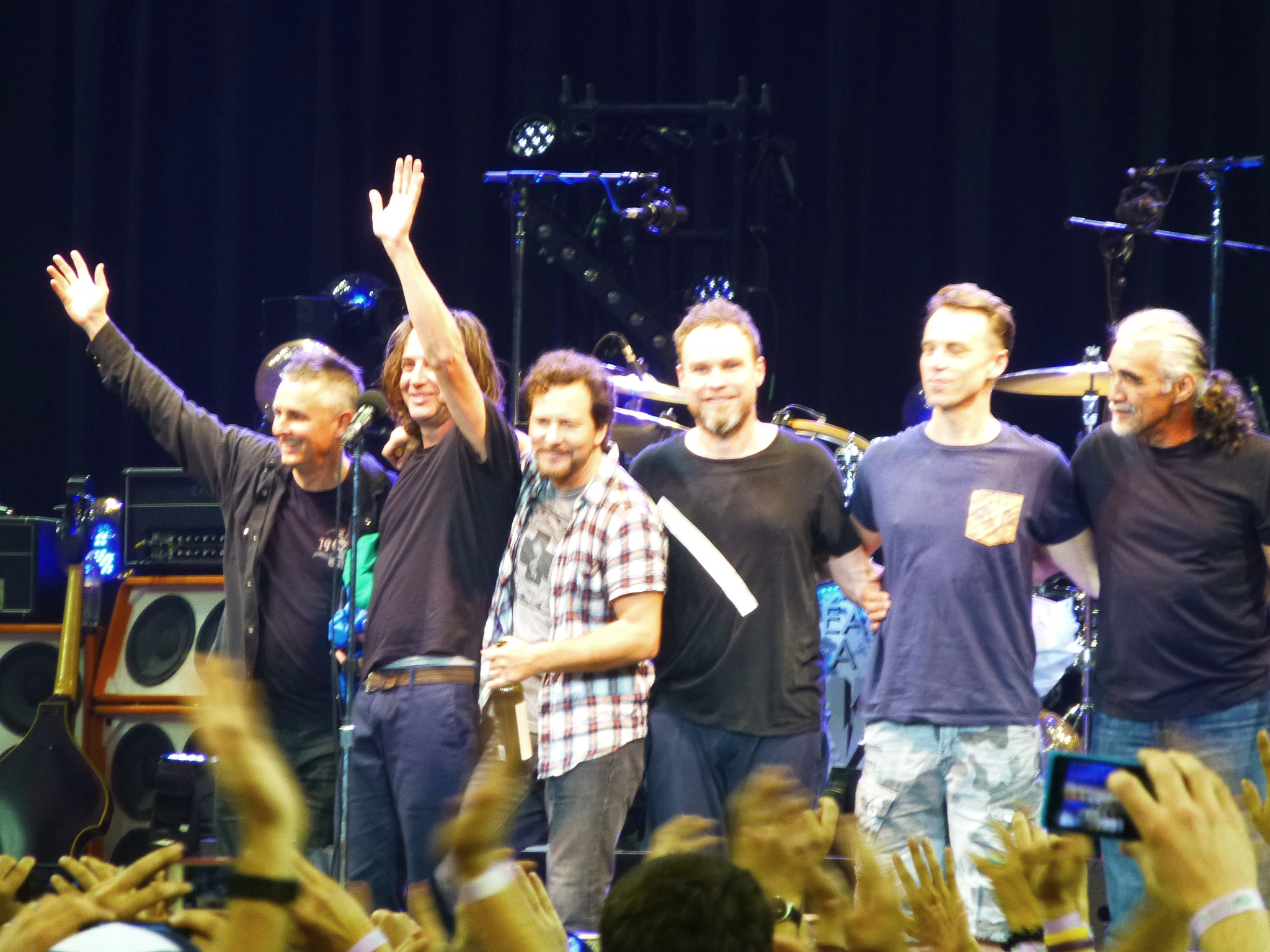
Ten helped codify the arena-ready side of alternative rock. It has the scale of classic rock, the angst of grunge, and the polish of a record built to survive FM rotation. The album’s impact comes from how fully formed it sounds: huge guitar sustain, emotionally committed vocals, and a rhythm section that never loses the song while everything else surges around it.
Production takeaway: This is a lesson in sustaining drama over long arrangements. The guitars are layered to feel massive, but the low end stays anchored. Eddie Vedder’s vocal performances rely on phrasing and grit rather than constant high-end brightness, which gives the album a weight that still reads today.
6. Sonic Youth — Daydream Nation (1988)
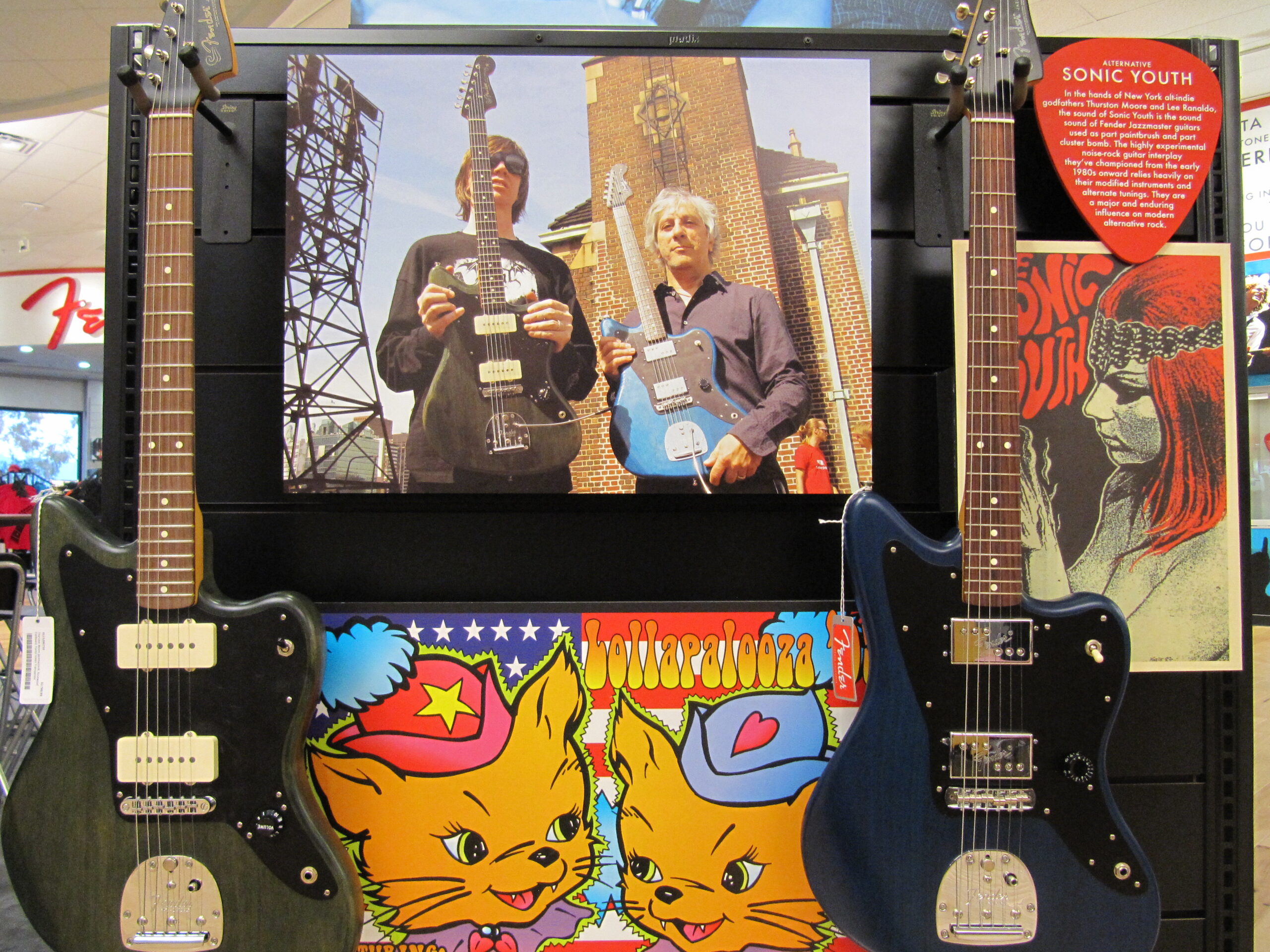
Daydream Nation is the sound of alternative rock learning to be uncompromising on a grand scale. Sonic Youth turned noise, alternate tunings, and abrasion into form. The record doesn’t just experiment; it builds a whole aesthetic from instability, making dissonance feel organized and deliberate.
Production takeaway: What stands out is the use of texture as arrangement. Instead of treating guitar noise as an effect, the band makes it part of the harmonic structure. Modern producers can take note: if you want chaos to feel musical, you need a strong sense of placement and repetition.
7. The Smashing Pumpkins — Siamese Dream (1993)
Siamese Dream is one of the most meticulously constructed guitar albums in alternative rock. Billy Corgan and Butch Vig built a wall of sound that somehow remained detailed, melodic, and emotionally frayed. It’s a record where enormous guitar overdubs coexist with fragile vocals and aching lyrical material.
Production takeaway: The guitar tracking is the headline, but the real lesson is arrangement discipline. Every layer has a job. The album’s massive sound works because the songs are shaped with precision: intros, verse buildups, and chorus releases all feel engineered for emotional payoff. It’s a reminder that “dense” is not the same thing as “messy.”
8. Pavement — Slanted and Enchanted (1992)
Where some albums defined alternative rock through power and polish, Slanted and Enchanted did it through looseness, wit, and a refusal to sound overworked. Pavement gave indie rock a blueprint for sounding casually brilliant. The record’s slacker posture masks excellent songwriting, and its offhand production aesthetic became hugely influential for lo-fi and indie acts that followed.
Production takeaway: This album proves that a “finished” record doesn’t need to sound pristine. Imperfect vocal delivery, slightly ragged guitar tones, and relaxed timing can create personality that a cleaner mix might erase. The trick is making the imperfection feel intentional.
9. Alice in Chains — Dirt (1992)
Dirt pushed alternative rock into darker, heavier territory without losing its melodic core. The album’s atmosphere is thick, oppressive, and unforgettable, but what makes it essential is the marriage of doom-laden riffs and vocal harmony sophistication. The dual-vocal arrangements with Layne Staley and Jerry Cantrell are a huge part of the record’s identity.
Production takeaway: The harmonies add tension, not softness. That’s the key. The vocal stacking often creates a haunting, almost disembodied quality, while the guitars are tuned and voiced to feel like they’re dragging the room downward. If you’re chasing heaviness, don’t just turn up the gain—shape the mood.
10. Wilco — Being There (1996)
Being There broadened the alternative rock conversation by absorbing classic rock, country, noise, and introspection into one sprawling double album. It reflects the moment when alternative rock stopped being defined only by rebellion and started becoming a space for eclectic songwriting and studio experimentation. Wilco’s willingness to change shape song by song made the record feel open-ended and durable.
Production takeaway: Variety is part of the sequencing strategy here. Instead of forcing a single sonic identity across the whole album, the band uses contrast to keep the listener engaged. That’s a valuable lesson for modern records that risk sounding too consistent: range can be a strength if the songwriting supports it.
What today’s producers can still learn
These albums endure because they solved real creative problems in lasting ways. How do you make a song feel huge without overproducing it? How do you let raw emotion survive the studio process? How do you build contrast so choruses actually lift? Each of these records offers a different answer, and none of them relies on trends that have aged out.
If there’s a single throughline, it’s this: the most defining alternative rock albums were never just about distortion or angst. They were about identity through sound design. Whether the approach was polished, lo-fi, noisy, or anthemic, each album made a deliberate choice about what to emphasize and what to leave exposed. That’s why they still matter—not as museum pieces, but as working tools for anyone making records now.
For musicians and producers, the best way to study these albums is not by asking which one is “the greatest,” but by asking what each one teaches you about arrangement, tracking, and emotional impact. That’s where the real value is. Alternative rock wasn’t defined by a single formula. It was defined by records bold enough to sound like themselves.
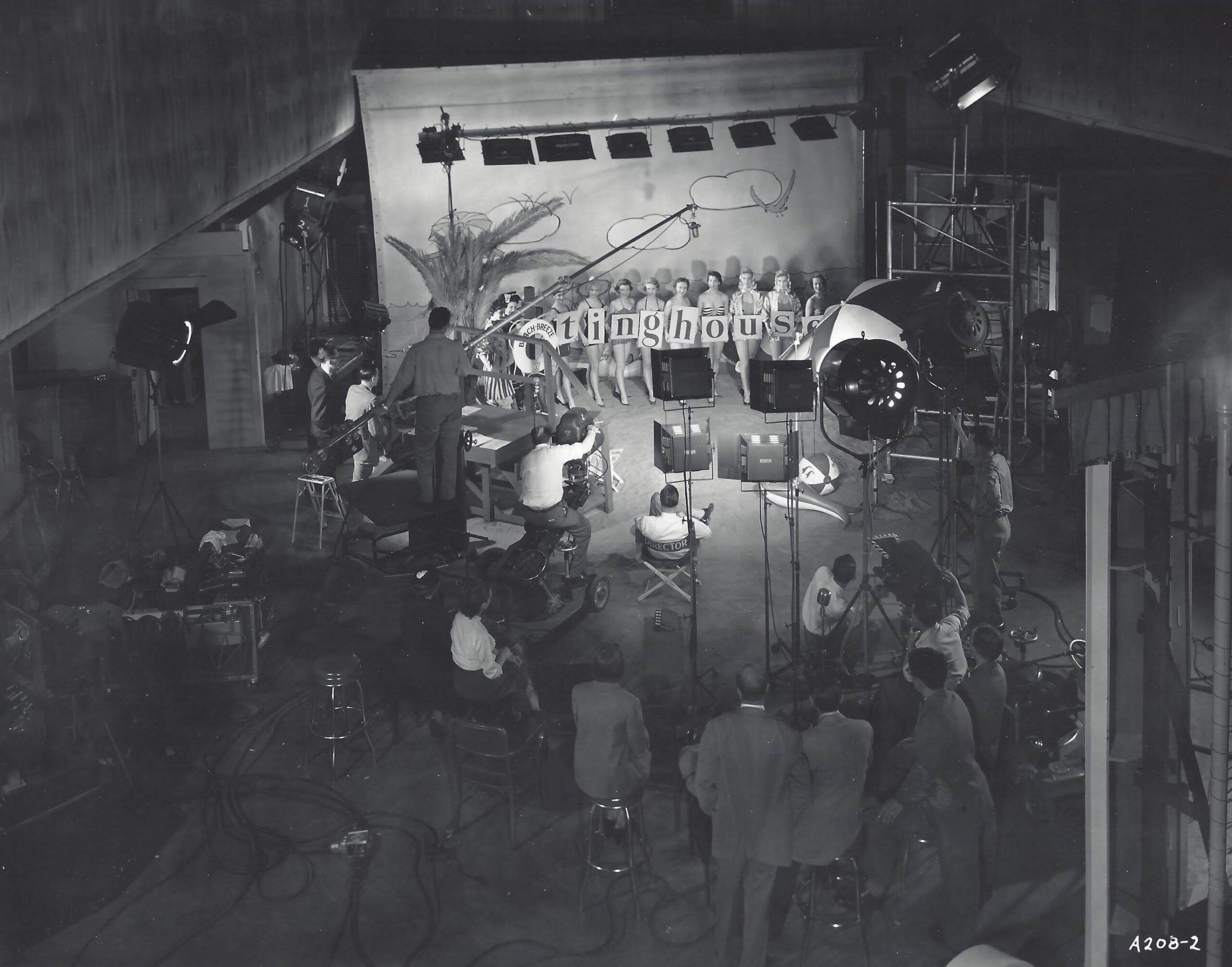
Image: 1954. Westinghouse Fan Family Album. A-208-2.jpg | This studio production photo was taken by a photographer working for Ray and Betty Culley, owners of Cinécraft Productions, a Cleveland, Ohio, motion picture studio. Ray and Betty Culley were my father and mother. They left this photo and a number of other production photos and early studio films and records to my brothers and me. In 2019 our families donated the materials to Hagley Museum and Library to preserve as as collection of early films and TV programs under a non exclusive usage agreement. Contact Hagley Museum and Library (Hagley.org) for additional information ab | License: CC BY-SA 2.5 | Source: Wikimedia | https://commons.wikimedia.org/wiki/File:1954._Westinghouse_Fan_Family_Album._A-208-2.jpg