10 Alternative Rock Albums That Changed the Shape of Modern Guitar Music
These ten albums didn’t just sell records—they redrew the boundaries of alternative rock, from the grit of underground post-punk to the polished force of mainstream crossover. Here’s why they still matter sonically, culturally, and in the studio.
Why these albums still define alternative rock
Alternative rock has never been one sound. It’s a moving target: post-punk tension, college-radio melody, distorted guitar catharsis, lo-fi abrasion, shoegaze haze, and big-budget crossover hooks all live under the same umbrella. What ties the genre together is a refusal to sit still. The albums below didn’t just represent alternative rock at different moments—they helped set the rules for what the genre could be.
This list is not about commercial success alone, though several of these records became massive. It’s about impact: records that changed production choices, guitar tones, vocal delivery, songwriting structure, and the relationship between underground credibility and mainstream reach. If you’re a producer, engineer, musician, or serious fan, these are the albums that still teach lessons every time you revisit them.
1. R.E.M. — Murmur (1983)
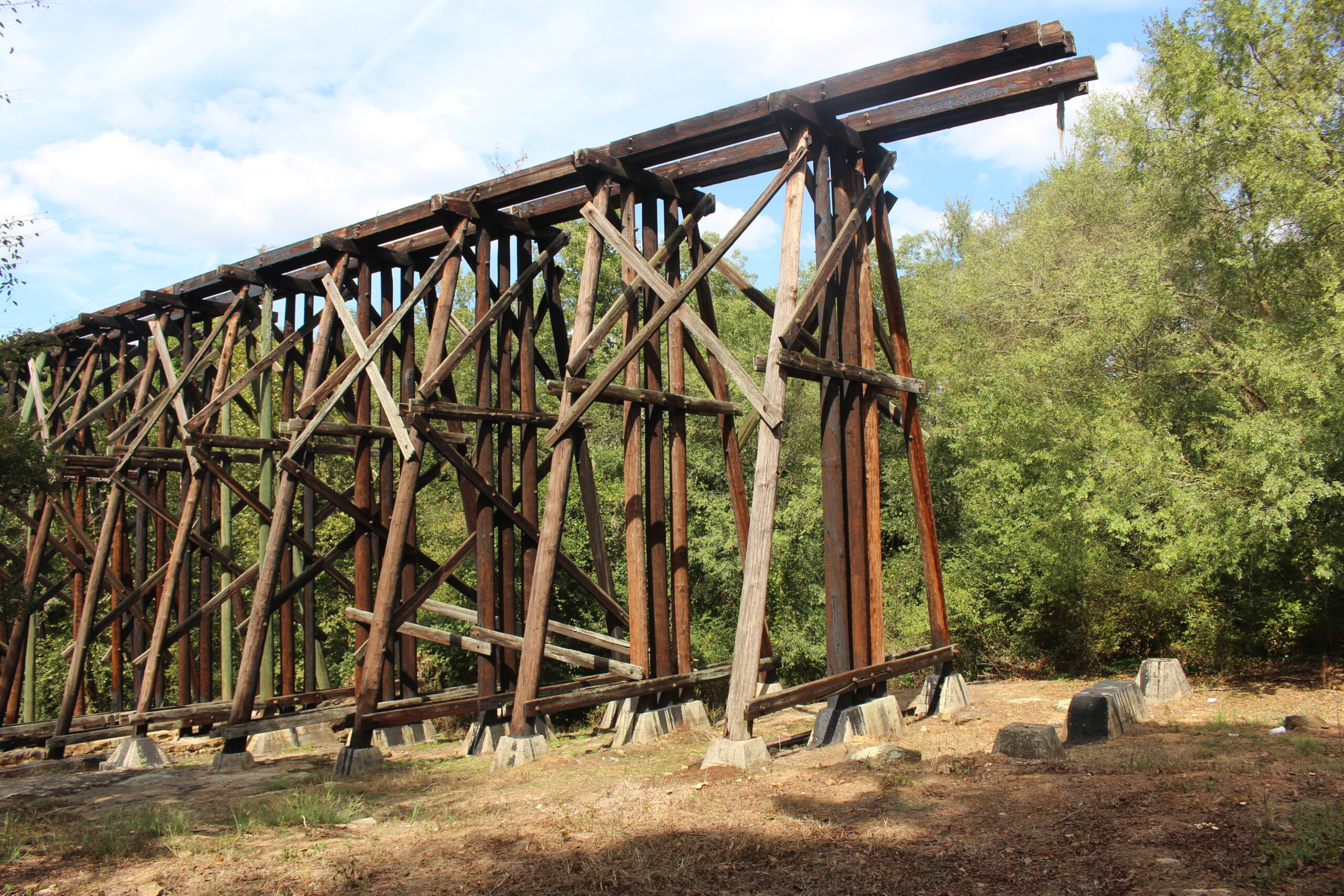
Murmur is one of the foundational documents of alternative rock because it proved that restraint could be as compelling as aggression. In an era increasingly dominated by polished arena rock and glossy new wave, R.E.M. sounded mysterious, jangly, and deliberately anti-flashy. Peter Buck’s chiming guitar lines avoided the obvious power-chord vocabulary, while Michael Stipe’s vocals were mixed with enough ambiguity to feel like a coded transmission rather than a declaration.
Production-wise, the album’s power lies in its atmosphere. The arrangements leave space around the instruments, and that space becomes part of the identity of the record. For modern producers, Murmur is a lesson in using dynamics and texture instead of density to create depth.
2. The Pixies — Doolittle (1989)
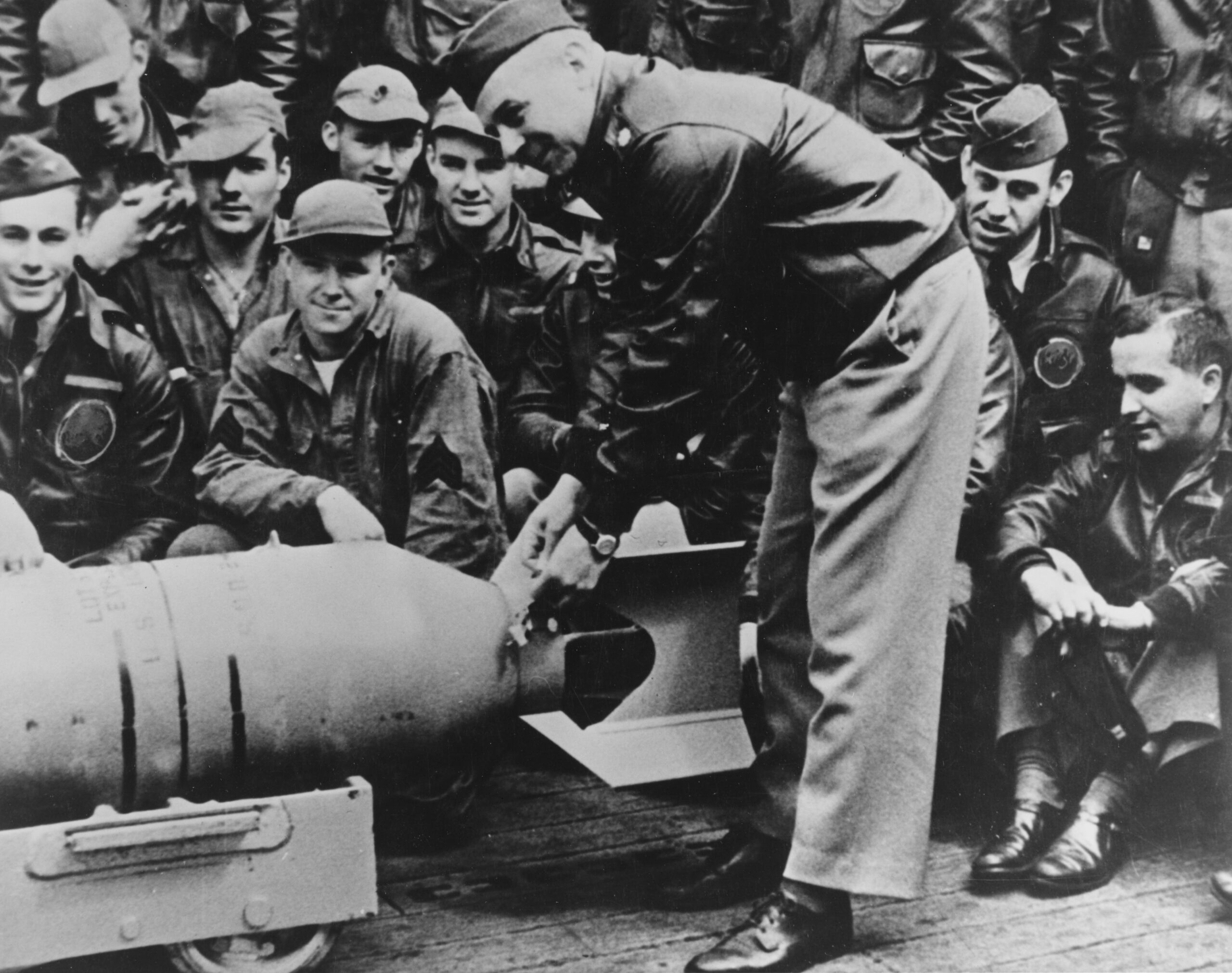
Transferred from en.wikipedia to Commons by Rcbutcher using CommonsHelper. Original uploader was ERcheck at en.wikipedia 23 May 2006 (original upload date) | License: Public domain | Source: Wikimedia | https://commons.wikimedia.org/wiki/File:Doolittle_LtCol_g41191.jpg
If alternative rock has a handbook on dynamics, the Pixies wrote one of the clearest chapters. Doolittle weaponized the quiet-loud contrast without turning it into a gimmick. Black Francis could shift from surreal whisper to feral scream in seconds, while Joey Santiago’s guitar work cut with a wiry, often angular precision that made the songs feel unstable in the best way.
The record’s influence on the 1990s is impossible to overstate. Nirvana, Radiohead, and countless indie and alt bands borrowed the soft verse / explosive chorus framework, but the Pixies weren’t just about volume. They balanced melody, dissonance, and rhythmic tension in a way that still feels modern. For guitarists and producers, the album is a study in contrast, arrangement economy, and leaving hooks slightly off-center so they hit harder.
3. Nirvana — Nevermind (1991)
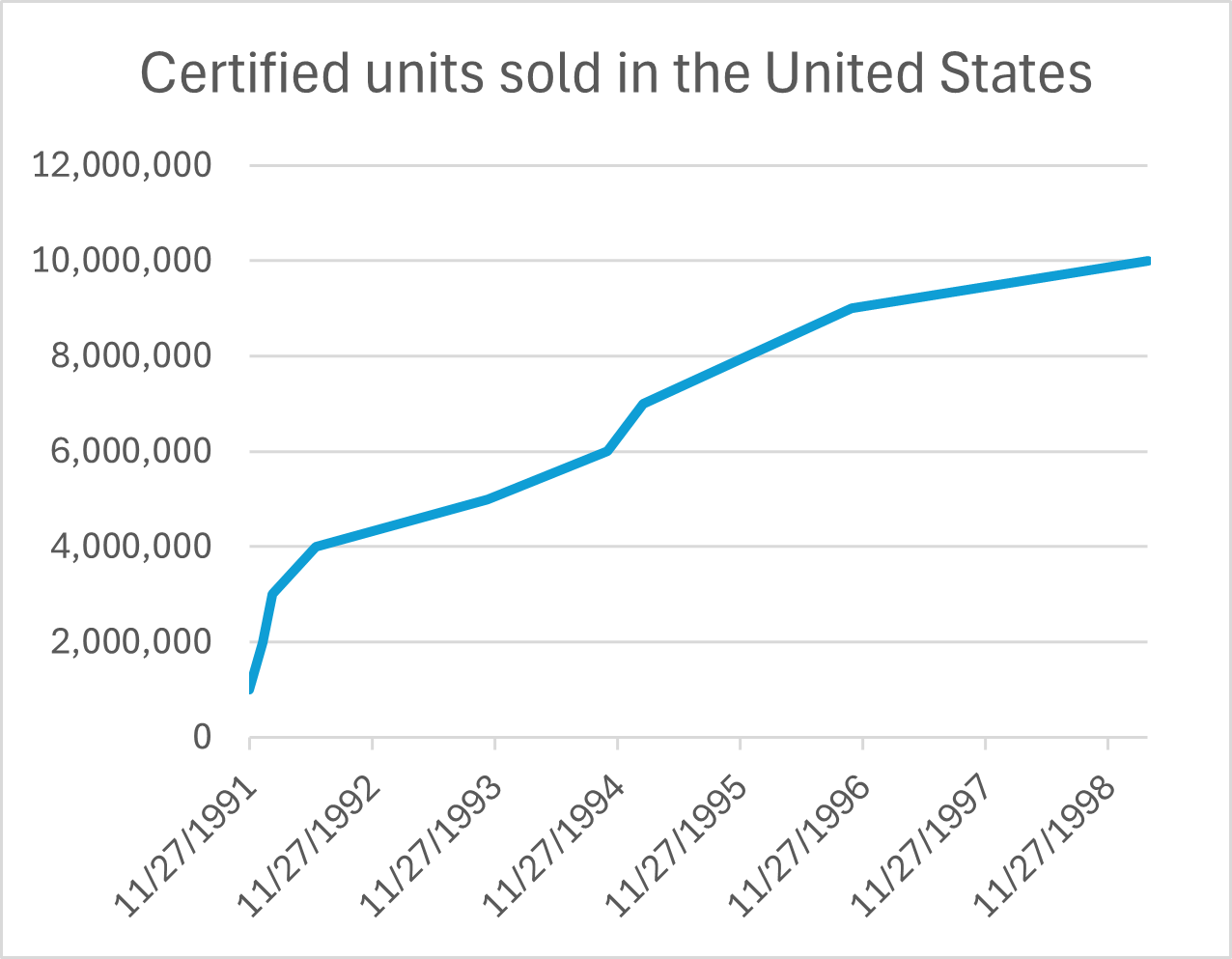
Nevermind is the album that turned alternative rock into a cultural earthquake. Its importance is not just that it sold enormous numbers; it changed the industry’s assumptions about what listeners wanted. Suddenly, abrasive guitars, unvarnished emotion, and songs that sounded emotionally raw could dominate mainstream radio and MTV.
Sonically, Butch Vig’s production is a masterclass in making heavy music feel both explosive and accessible. The drums are huge without sounding disconnected, the guitars are thick but readable, and Kurt Cobain’s voice rides the line between melodic vulnerability and torn-throat urgency. The famous quiet-loud architecture is there, but it works because the band’s rhythmic feel is so locked in.
For anyone studying rock production, Nevermind is about translation: how to preserve a band’s edge while packaging it with enough clarity to hit a mass audience.
4. Radiohead — OK Computer (1997)

Few alternative rock albums expanded the genre’s emotional and sonic vocabulary like OK Computer. Where earlier alt rock often worked through immediacy and instinct, Radiohead built an atmosphere of alienation through precision. The record is expansive, but never bloated. Its guitars are often treated as textures rather than lead weapons, and the production uses negative space, digital detachment, and unusual harmonic movement to create unease.
This is an album where the arrangement choices matter as much as the riffs. From the mechanical pulse of “Paranoid Android” to the ghostly drift of “Subterranean Homesick Alien,” the band blurred the line between rock instrumentation and studio composition. For producers, OK Computer remains a reference point for how to make a guitar record feel futuristic without abandoning emotional weight.
5. R.E.M. — Automatic for the People (1992)
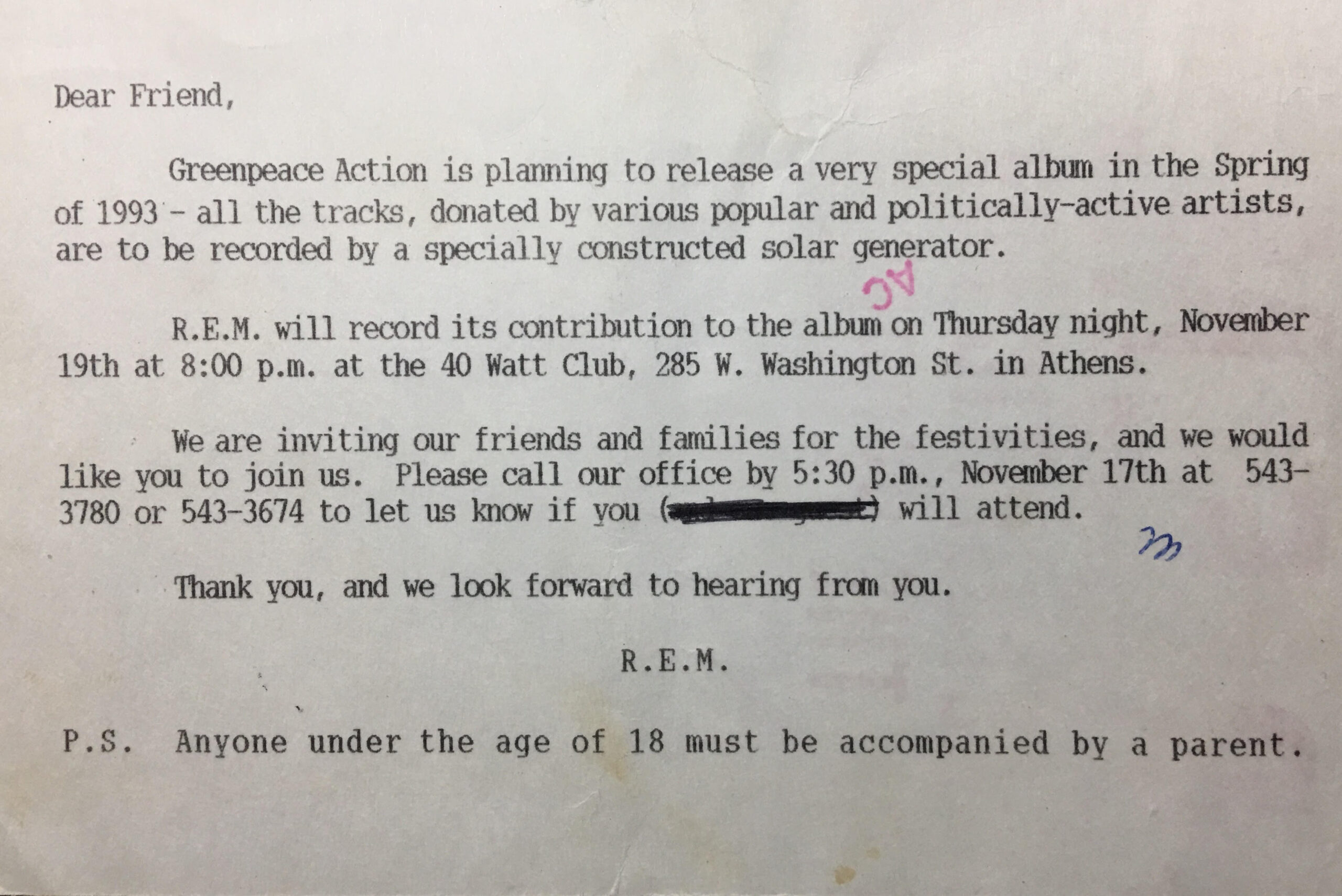
If Murmur helped define alternative rock’s early identity, Automatic for the People proved the genre could mature without losing its soul. This album is built on melancholy, melody, and orchestral color rather than distortion. The acoustic guitars, string arrangements, and subdued rhythm section create a reflective tone that influenced a huge wave of introspective rock in the 1990s and beyond.
The production feels intentional at every turn. Instead of chasing impact through volume, the record emphasizes arrangement and emotional contour. The result is a model for artists who want to write outside the standard alt-rock scream-and-strain template. It also shows how alternative rock could cross over without becoming disposable.
6. Sonic Youth — Daydream Nation (1988)
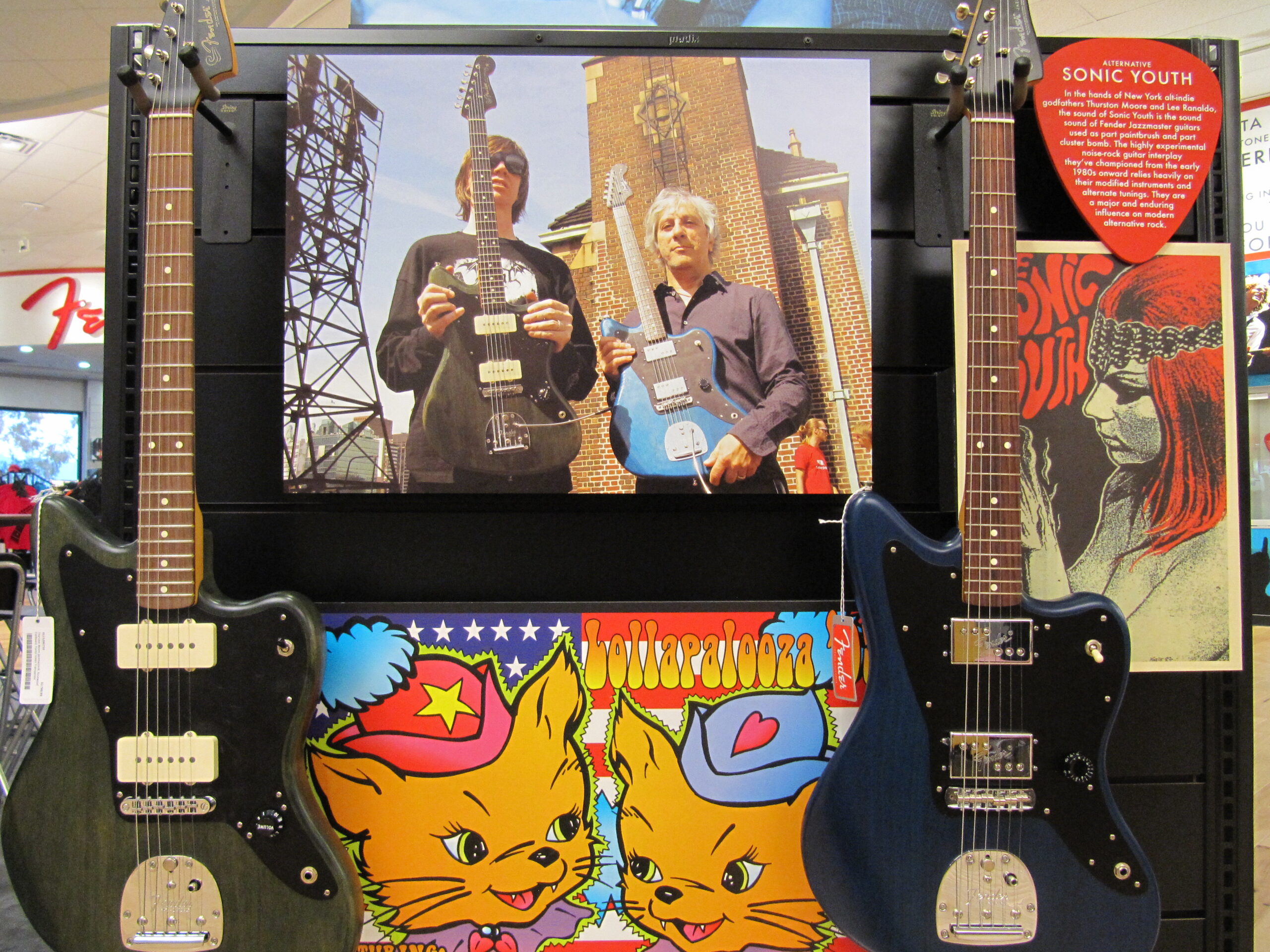
Daydream Nation is one of the great documents of noise-rock abstraction meeting album-length ambition. Sonic Youth pushed alternative rock away from traditional guitar language and into a more experimental space, where alternate tunings, controlled feedback, and repetitive motifs became central songwriting tools. The guitars don’t just play chords here—they behave like architecture.
The album’s influence extends far beyond noise rock. It helped legitimize unconventional tunings and textural dissonance in indie and alternative circles, encouraging players to think beyond standard shapes and familiar tonal centers. For engineers, it’s a reminder that “messy” sounds can be carefully organized. The band’s chaos is highly composed.
7. The Smashing Pumpkins — Siamese Dream (1993)
Siamese Dream took alternative rock’s emotional intensity and wrapped it in dense, meticulously layered production. Billy Corgan’s guitars are famously stacked into a near-orchestral wall, but the record avoids becoming blunt-force sludge because the parts are arranged with precision. The result is one of the most sonically detailed guitar albums of the 1990s.
From a production standpoint, this album is invaluable. It demonstrates how layering, panning, and tone separation can make heavily distorted instruments feel enormous without losing articulation. The drums are powerful, the bass is anchored, and the vocals cut through a lush sonic field that never feels accidental. If Nevermind made alt rock sound huge, Siamese Dream made huge sound carefully engineered.
8. Pavement — Slanted and Enchanted (1992)
Where many alternative rock landmarks chased impact, Pavement leaned into looseness, wit, and anti-virtuosity. Slanted and Enchanted became a template for indie rock because it made understatement feel radical. The performances are ragged in places, but the songs are deceptively strong, with hooks hiding inside the debris.
This album helped normalize the idea that polish was optional if the writing was sharp enough. Its influence can be heard in lo-fi, slacker rock, and countless indie records that prioritize personality over perfection. For musicians and producers, it’s a useful corrective: sometimes restraint, imperfection, and dry presentation make a song feel more alive than overproducing it into submission.
9. Jane’s Addiction — Nothings Shocking (1988)
Jane’s Addiction sat at a crossroads of alternative rock, hard rock, psychedelia, and art-school provocation. Nothings Shocking matters because it expanded the genre’s palette before the 1990s explosion made alt rock a household term. Perry Farrell’s theatrical vocal delivery, Dave Navarro’s fluid guitar work, and the band’s rhythmic elasticity gave the record a sense of danger that later alternative acts would chase in more commercial form.
The album is also notable for its sonic balance: heavy enough for rock fans, weird enough for art-rock listeners, and melodic enough to stick. It helped prove that alternative rock could be both muscular and sophisticated without losing its edge.
10. Pearl Jam — Ten (1991)
Ten helped define the more classic-rock-influenced wing of alternative rock. While Nirvana brought a punkier shock to the mainstream, Pearl Jam offered scale, emotional sincerity, and guitar heroics without fully retreating into old-school arena excess. The songs are built around strong vocal melodies, assertive riffs, and a live-band feel that gave the album long-term durability.
Producer Rick Parashar’s work on the record gives it a broad, reverberant character that feels massive but not sterile. The guitar tones are polished but still human, and the rhythm section has a weight that supports the songs’ emotional arc. For better or worse, Ten helped cement the idea that alternative rock could fill stadiums while still retaining a sense of introspection.
What these albums teach producers and musicians today
These records matter because they each solved a different problem. Murmur showed that atmosphere could be enough. Doolittle proved dynamics are a songwriting tool. Nevermind demonstrated how to bring rawness into the mainstream. OK Computer expanded the genre’s sonic language. Siamese Dream turned layered guitars into architecture. Slanted and Enchanted defended imperfection. And the rest of the list shows how alternative rock could be moody, noisy, melodic, theatrical, or arena-sized without losing its core identity.
If you’re working in the DAW, these albums still offer practical lessons. Pay attention to how much space the arrangements leave. Listen for how often guitars are serving texture rather than just riff duty. Study how vocal performances are supported by the mix instead of buried by it. And notice how the best alternative rock records usually commit to a point of view rather than trying to please every possible audience.
That’s the real legacy here: alternative rock became one of modern music’s most durable forms because it kept evolving while holding onto attitude, texture, and emotional directness. These ten albums didn’t just define the genre—they taught it how to keep changing.
Image: Lara on Bill McDonald's rocking horse 1990s P1120093.jpg | Own work | License: CC0 | Source: Wikimedia | https://commons.wikimedia.org/wiki/File:Lara_on_Bill_McDonald%27s_rocking_horse_1990s_P1120093.jpg