10 Albums That Rewired Alternative Rock Production
These ten records didn’t just define alternative rock—they changed how the genre was tracked, mixed, and emotionally framed in the studio. From abrasive guitars to stark dynamics and lo-fi intimacy, each one set a production standard that still echoes in modern rock records.
Alternative Rock Was Never Just a Genre — It Was a Production Shift
Alternative rock didn’t become influential simply because it sounded different. It changed the rules of what a rock record could feel like in the studio. Where mainstream rock often chased polish, alternative records leaned into contrast: ugly guitars against clean vocals, quiet verses against explosive choruses, room sound against close-mic intimacy, and imperfections that made the emotional hit land harder.
That’s why the most important alternative rock albums aren’t just cultural milestones. They’re production case studies. They taught engineers and producers how far you could push dynamics, how much distortion a mix could survive, and how much character a record could gain when you stopped sanding down the edges. Below are 10 albums that defined alternative rock by changing its sonic vocabulary.
1. Nirvana — Nevermind (1991)
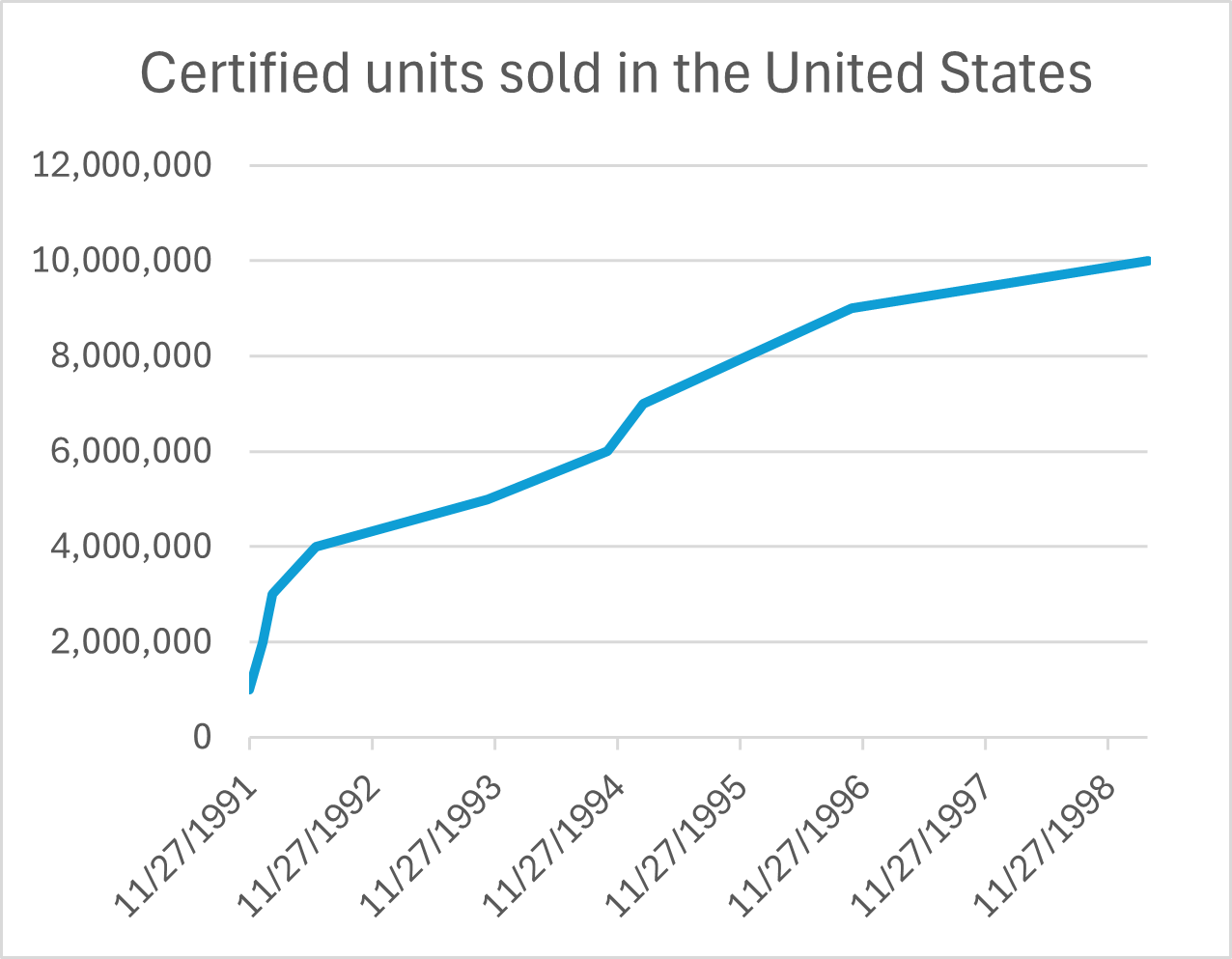
Nevermind is the record that made alternative rock impossible to ignore, but its real impact was technical: it translated underground energy into radio-ready impact without neutering the band. Butch Vig’s production is built on contrast and control. Kurt Cobain’s guitars are huge, but the low end is disciplined. Dave Grohl’s drums feel explosive, yet they’re tight enough to punch through small speakers. The mix balances aggression and clarity in a way that became a template for rock records for years.
Production takeaway: if you want a chorus to feel massive, don’t just add more layers. Shape the arrangement so the chorus has a different density profile than the verse. Nevermind works because the band and producer understood that power is often about subtraction before addition.
2. R.E.M. — Murmur (1983)
Murmur made ambiguity sound intentional. Instead of treating the vocals and instrumentation as straightforward carriers of information, the record uses texture, atmosphere, and space to create intrigue. Mitch Easter and Don Dixon kept the performances organic, but the album’s magic is in its soft-focus presentation: guitars shimmer rather than roar, bass lines anchor without dominating, and Michael Stipe’s voice sits like another instrument in the arrangement.
This is one of the great examples of alternative rock production as mood design. The album showed that you didn’t need hard-edged sonics to sound modern or defiant. In practical terms, it’s a reminder that ambience can be as defining as distortion.
3. Pixies — Doolittle (1989)

If there’s a single album that turned the quiet-loud dynamic into an alternative rock law, it’s Doolittle. The Pixies didn’t invent contrast, but they weaponized it. Steve Albini’s stripped-back recording approach kept the performances sharp and immediate, while the arrangements made space for sudden shifts in energy. Black Francis could sound conversational one moment and feral the next; Kim Deal’s bass often carries melodic weight where another band might have stacked another guitar.
What matters here is how little the record relies on studio trickery. The drama comes from arrangement discipline and performance intent. Modern producers still borrow this playbook whenever they want a chorus to hit harder without resorting to overcompression or endless overdubs.
4. Radiohead — The Bends (1995)

The Bends is where alternative rock grew more cinematic. John Leckie’s production pushes the band toward scale without losing fragility, and that balance became a defining trait of late-’90s rock. The guitars are layered with care, often arranged to create width rather than just brute force. Thom Yorke’s vocals are mixed with enough prominence to make the emotional arc feel human, even when the instrumentation gets enormous.
For producers, this record is a lesson in depth. Reverb, delay, and stacking are used not for spectacle alone but to suggest emotional distance. It’s a blueprint for making a rock band feel large without flattening the dynamics that make the songs breathe.
5. Sonic Youth — Daydream Nation (1988)
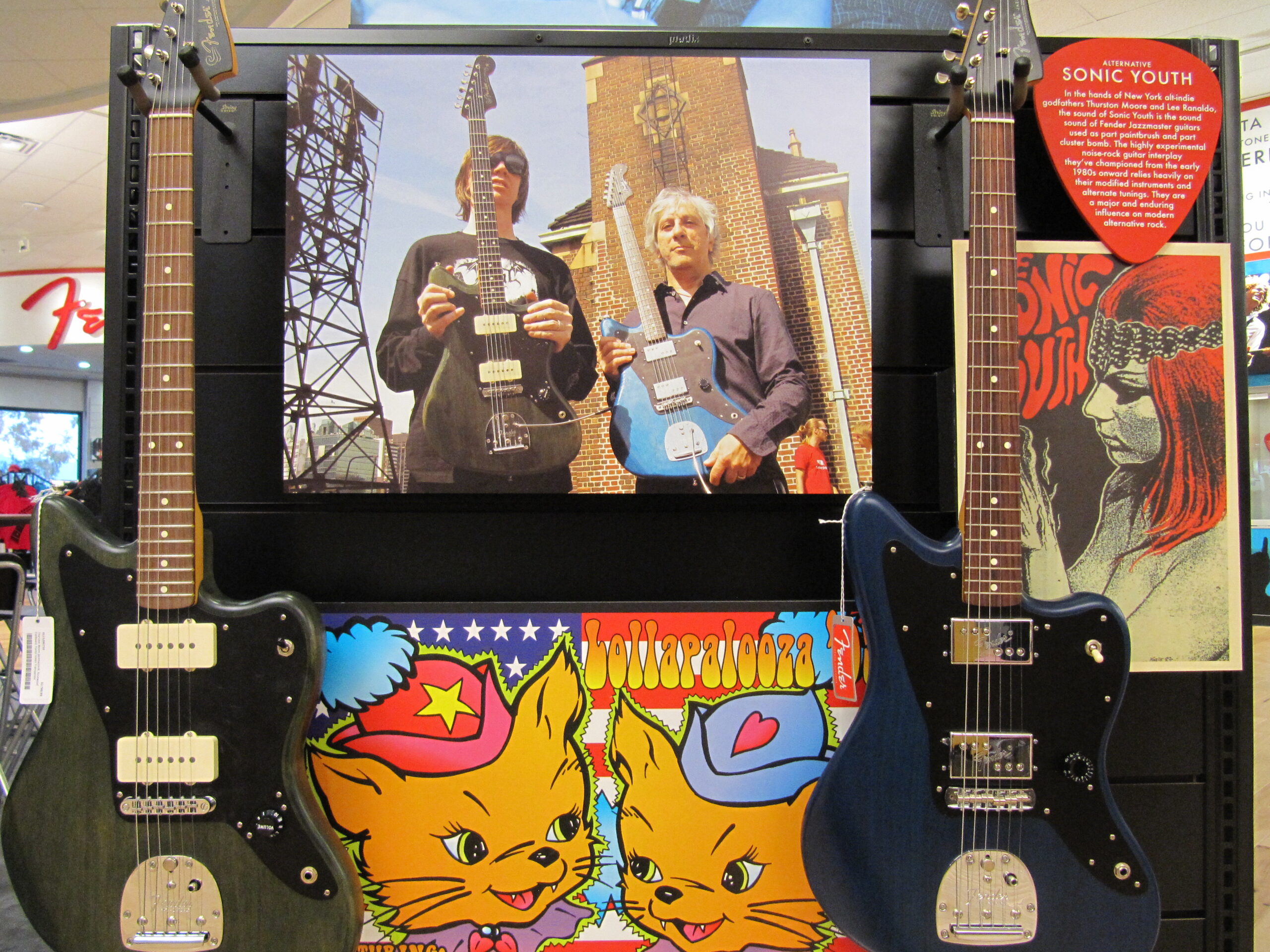
Daydream Nation turned guitar noise into architecture. Rather than treating dissonance as a mistake to correct, Sonic Youth built entire arrangements around alternate tunings, feedback, and controlled abrasion. The record’s sonic identity comes from its willingness to let texture lead the composition. You can hear guitars interacting less like chord machines and more like resonant objects in a room.
From a production standpoint, this album is essential because it expanded the accepted frequency palette of rock. Harsh upper mids, ringing overtones, and long sustain were no longer problems to solve; they were part of the hook. That mindset still shows up in everything from indie rock to experimental shoegaze.
6. Pearl Jam — Vs. (1993)
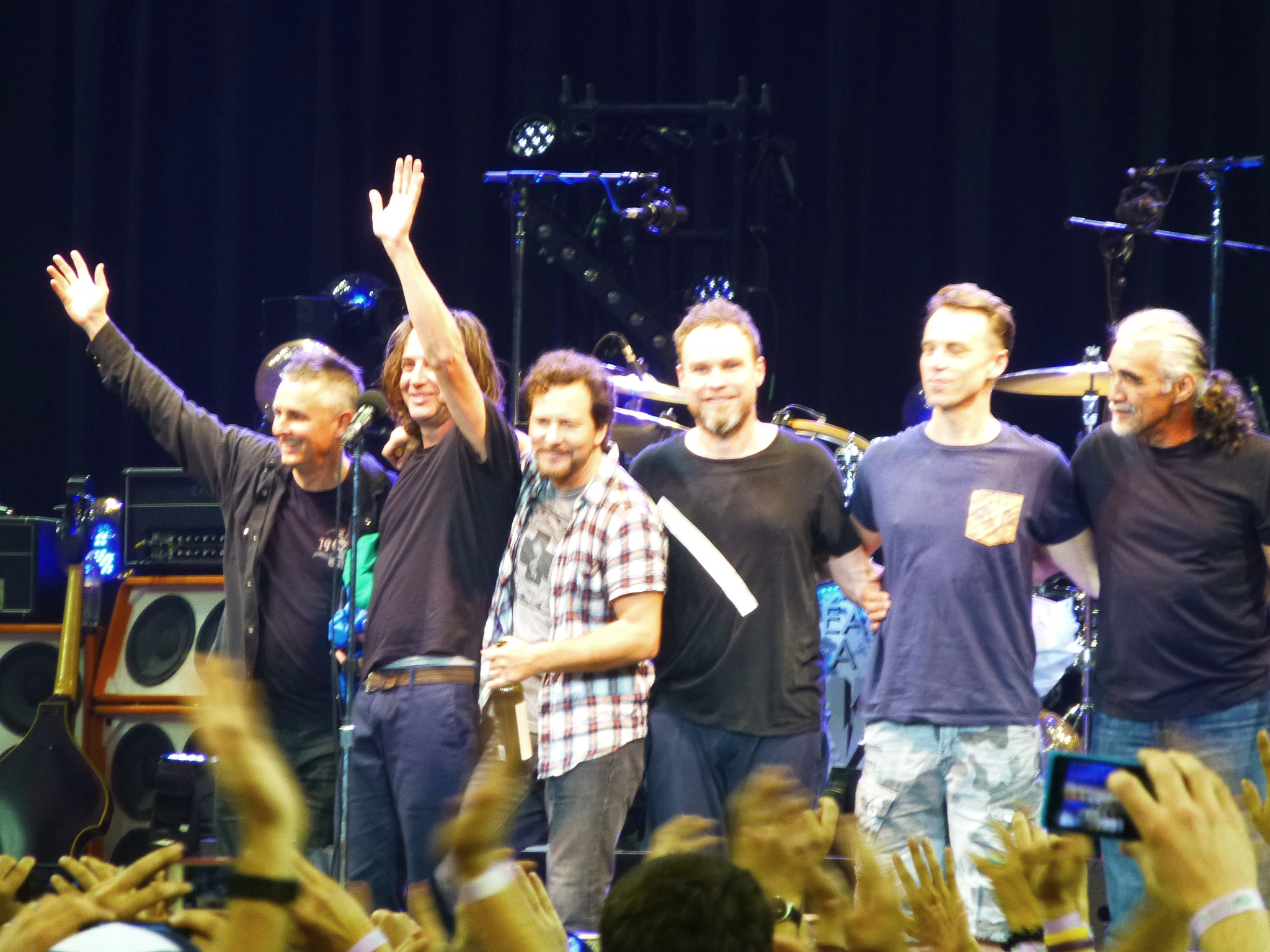
Vs. took the stadium scale of early-’90s alt rock and made it feel muscular rather than glossy. Brendan O’Brien’s mix emphasizes impact and separation: the kick and snare are punchy, the guitars are thick without masking the vocals, and Eddie Vedder’s baritone sits with unusual authority. Compared with the more polished hard rock of the era, the album feels grounded and physical.
This is one of the best records for studying density management. Multiple guitar parts can pile up fast, but Vs. avoids mush by keeping the arrangement purposeful and the frequency ranges carved. If you’re mixing heavy guitars, this album is a reminder that thickness comes from bandwidth control, not just volume.
7. The Smashing Pumpkins — Siamese Dream (1993)
Few albums have ever sounded so meticulously overloaded. Siamese Dream is a masterclass in stacking guitar tones until they become a single symphonic instrument. But what makes the record so powerful is the contrast between its density and its emotional vulnerability. Every layer feels deliberate, from the cymbal sheen to the vocal harmonies to the massive, compressed wall of guitars.
For producers, this is a study in controlled excess. Billy Corgan and Butch Vig used precision to make chaos feel elegant. The album proves that “big” doesn’t have to mean indistinct; with careful arrangement and EQ decisions, you can make a wall of sound still feel dimensional.
8. Dinosaur Jr. — You’re Living All Over Me (1987)
Before alternative rock fully crossed over, Dinosaur Jr. made distortion feel weirdly melodic. J Mascis’s guitar tone is famously huge, but the album’s real strength is the way it pairs scorched-earth lead playing with songs that are structurally clear and emotionally vulnerable. The production doesn’t over-explain itself. It lets the tone do the talking.
This record is crucial because it demonstrates that technical sloppiness and expressive precision are not opposites. In a modern DAW workflow, that translates into keeping the performance alive even when cleaning up edits or taming peaks. The vibe disappears the moment you overcorrect it.
9. Pavement — Slanted and Enchanted (1992)
Pavement turned looseness into an aesthetic principle. Slanted and Enchanted sounds casual, but that casualness is curated. The album’s charm comes from the way it balances scrappy performances with hooks that sneak up on you. The lo-fi presentation isn’t just a budget limitation; it reinforces the band’s anti-grandiose identity.
In production terms, this album is a reminder that fidelity and emotional credibility are not always aligned. Sometimes a slightly rough vocal, a fuzzy drum sound, or a guitar part that feels one step from collapse does more for a song than a perfect take ever could.
10. Hole — Live Through This (1994)
Live Through This deserves its place because it fused punk bite, pop structure, and glossy-alt rock impact without losing emotional volatility. The production is cleaner than many of its peers, but that cleanliness makes the performance details hit harder. Courtney Love’s vocals cut through with an edge that feels both confrontational and wounded, while the arrangements keep the songs tightly focused.
This album is a great example of how alternative rock matured in the mid-’90s: the songs became more immediate, the mixes more disciplined, and the emotional stakes more explicit. It shows how production can sharpen a band’s identity rather than merely document it.
What These Albums Taught Producers
Across all ten records, a few production themes repeat. First, dynamics matter more than density alone. The records that endured didn’t simply sound loud; they used contrast to make loudness meaningful. Second, texture became a compositional element. Feedback, room tone, tape grit, distortion, and vocal placement all became part of the songwriting language. Third, alternative rock production often succeeded by resisting over-polish. The records feel alive because they leave room for instability.
That’s why these albums still matter in modern studios. Whether you’re tracking a live band, building guitars from plugins, or mixing a dense arrangement in a bedroom setup, the lessons are the same: protect the emotional contour, make space for contrast, and don’t mistake cleanliness for impact.
Alternative rock defined itself by refusing to sound like the mainstream. These albums turned that refusal into a set of techniques that producers still use every day.
Image: Devilz By Definitin.jpg | Own work | License: CC BY-SA 4.0 | Source: Wikimedia | https://commons.wikimedia.org/wiki/File:Devilz_By_Definitin.jpg